Tourism is often described as a leisure industry, but in economic terms it behaves much more like an export sector. When visitors arrive, they bring purchasing power from outside the country and spend it inside the domestic economy. That inflow of spending supports businesses, creates jobs, raises tax revenue, and encourages investment in infrastructure that can benefit both tourists and residents. In small open economies where growth is closely tied to external demand, tourism can be especially valuable because it diversifies income sources and builds resilience when other sectors face headwinds.
The simplest way to understand tourism’s contribution is to treat each visitor’s spending as money that would not have been earned locally without their presence. A tourist pays for accommodation, transport, meals, experiences, retail, and services. Those transactions circulate through the economy as wages and supplier payments. A hotel does not only collect room revenue. It hires staff, contracts cleaning services, purchases food and beverages, pays utilities, invests in maintenance, and works with local vendors. A restaurant employs chefs and service crew, buys ingredients from wholesalers or farms, uses delivery and payment systems, and pays rent and taxes. Each purchase becomes income for another business, and each business in turn pays workers and suppliers. This is why tourism has a multiplier effect that can feel larger than the original transaction.
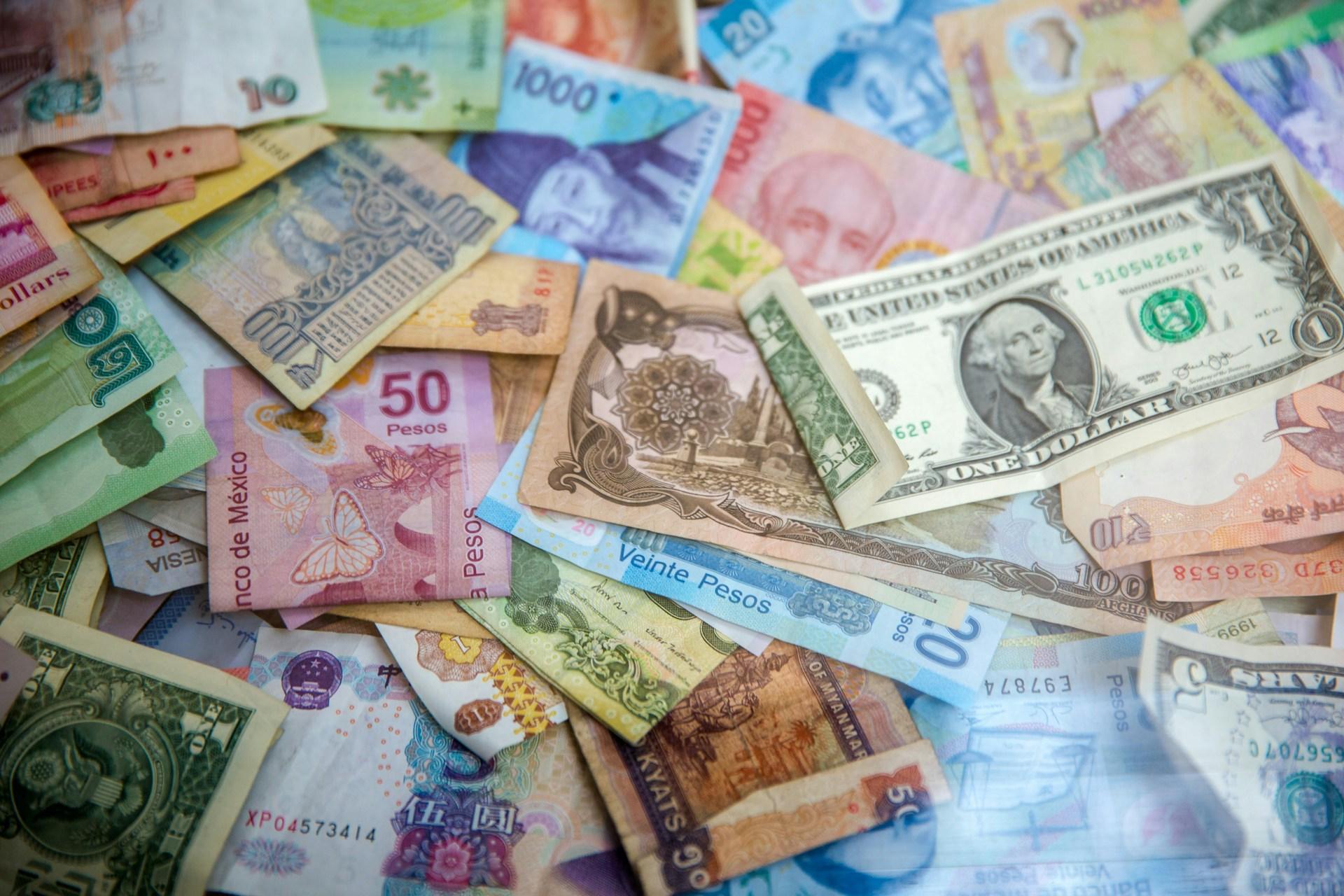
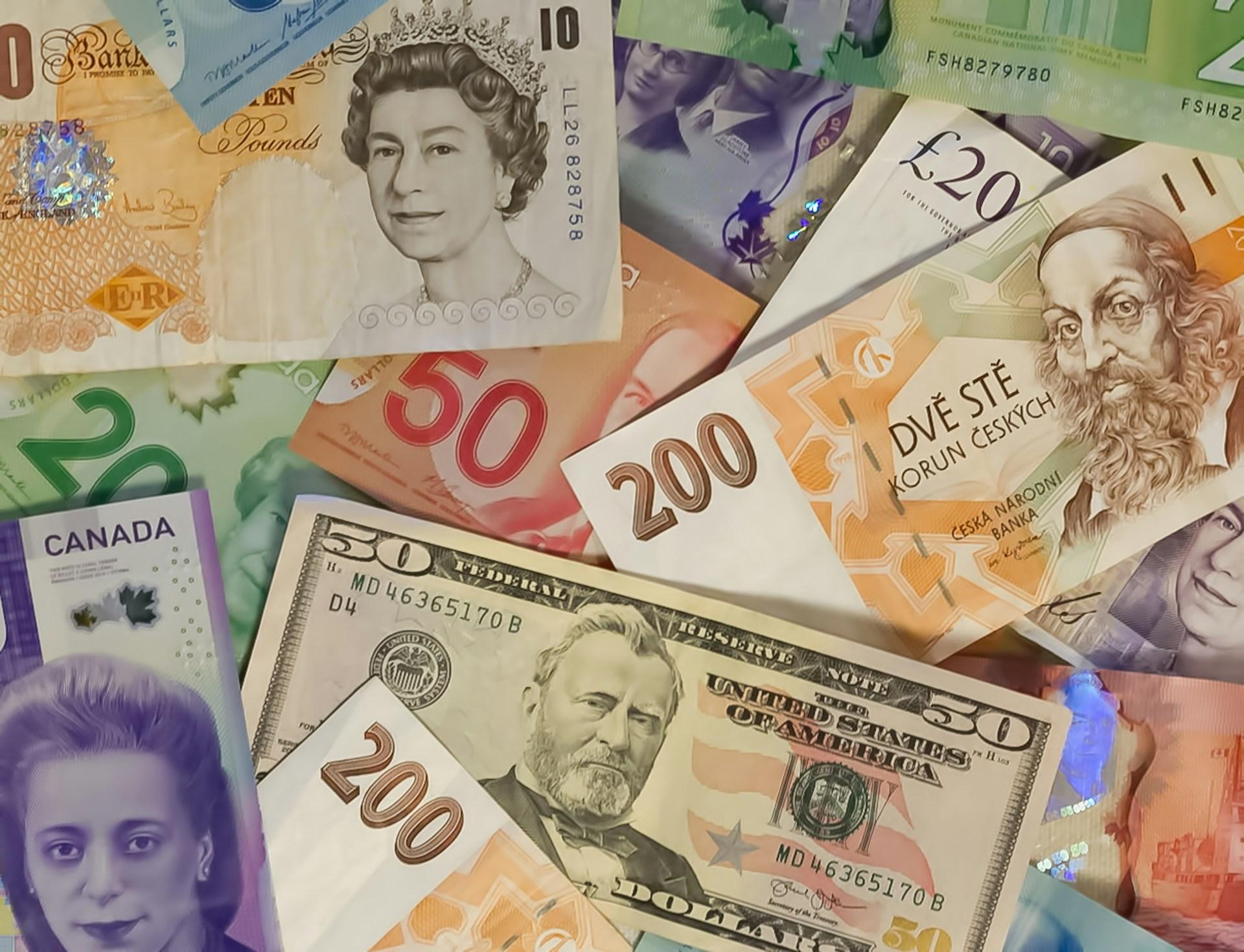
One of tourism’s most important macroeconomic benefits is foreign exchange. Many visitors pay using foreign currency, international payment networks, or cards linked to foreign accounts. That spending brings external income into the country. Economists often describe this as a service export because the country is earning from foreigners, just through services delivered onshore rather than goods shipped abroad. For economies that import fuel, machinery, food, or industrial inputs, foreign exchange inflows help offset the cost of those imports and support the balance of payments. In places where the currency can be sensitive to global capital flows, steady tourism receipts can also help stabilize external accounts and strengthen overall confidence.
Employment is another channel where tourism stands out. It is labor intensive and spread across many activities, from hotels and airlines to attractions, retail, food services, logistics, and events. This breadth matters because it creates opportunities at different skill levels. Entry-level roles are often available in customer service, housekeeping, food preparation, and basic operations, while higher-skilled positions exist in revenue management, marketing, aviation operations, data analytics, and hospitality leadership. Tourism also supports indirect employment, such as construction work for new hotels, creative work for cultural festivals, and professional services for event planning or compliance. In many countries, tourism functions as a large absorption sector, meaning it can take in workers relatively quickly when demand rises.
Tourism also strengthens local entrepreneurship. Visitor demand creates markets for small businesses that might struggle to scale on domestic demand alone. Local tours, boutique accommodations, craft producers, transport services, cafes, wellness providers, and cultural experiences often grow because visitors are willing to pay for novelty and convenience. This matters for economic development because small firms are a key source of innovation and local job creation. When tourism is managed well, it can help communities build business capabilities, improve service standards, and develop a reputation that attracts higher-value visitors over time.
Government finances benefit too. Tourism spending is taxed in multiple ways, depending on the country’s system. Consumption taxes capture spending on meals and retail. Corporate taxes apply to profitable tourism businesses. Payroll contributions rise with employment. Airports and ports collect fees. Local governments earn from licensing and property-related charges. These revenues can support public services and infrastructure, and in some cases they allow a country to invest in upgrades without relying entirely on direct taxation of residents. Tourism can therefore broaden the tax base and reduce pressure on other revenue sources, especially in economies where domestic consumption alone is not enough to fund ambitious development plans.
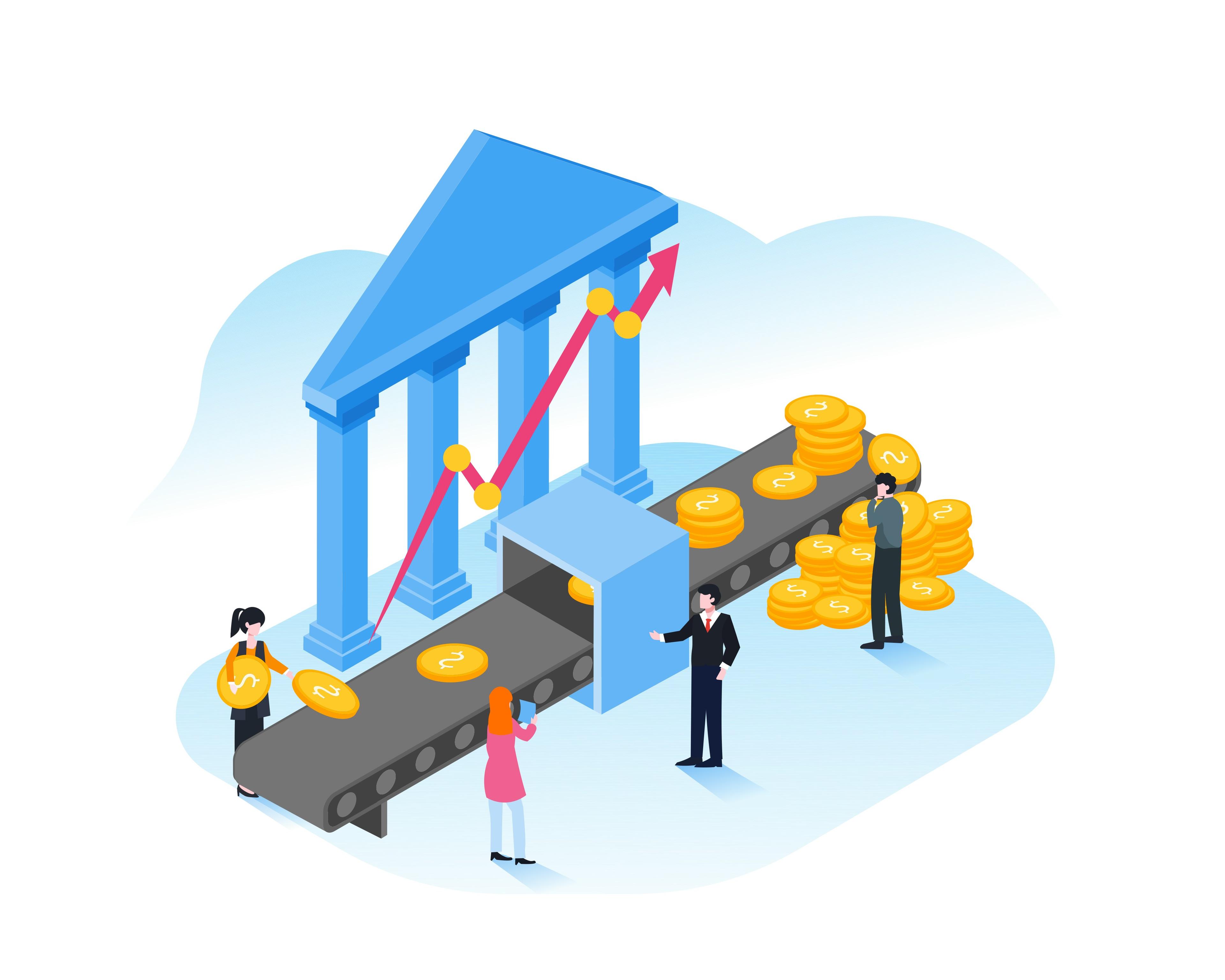
Investment is another reason tourism often becomes a policy priority. A destination that attracts significant visitor flows can justify private and public investment in airports, transport networks, convention centers, public spaces, and digital infrastructure. Private investors build hotels, attractions, mixed-use developments, and entertainment venues, while governments often improve roads, sanitation, safety systems, and city amenities. These investments can raise productivity beyond tourism by improving connectivity for residents and businesses. When an airport expands to handle tourism demand, it can also strengthen a country’s role as a logistics or business hub. When urban improvements are designed for both locals and visitors, tourism investment can translate into broader quality-of-life gains and higher long-term competitiveness.
Tourism also influences a country’s brand and reputation, which has real economic value. A visitor’s experience can shape perceptions of safety, service standards, cleanliness, and reliability. Those perceptions influence future travel, but they also spill into other sectors. A strong destination brand can make it easier to attract international conferences, foreign students, medical travelers, and investors. People are more likely to buy products from a place they trust, and more likely to do business where they have confidence in infrastructure and governance. In that sense, tourism is not only about immediate spending, but also about storytelling and credibility. A destination that consistently delivers a high-quality experience signals capacity, stability, and professionalism.
Within a country, tourism can support regional development when growth is not concentrated only in the capital city. Attractions in secondary cities, islands, or cultural heritage areas can create jobs and stimulate local business ecosystems. If transport links and digital connectivity improve alongside tourism activity, local communities can gain better access to markets, education, and public services. In the best cases, tourism helps reduce internal inequality by creating opportunities outside the main economic center. It can also encourage preservation of culture and heritage when communities see economic value in maintaining traditions, crafts, and local identity.
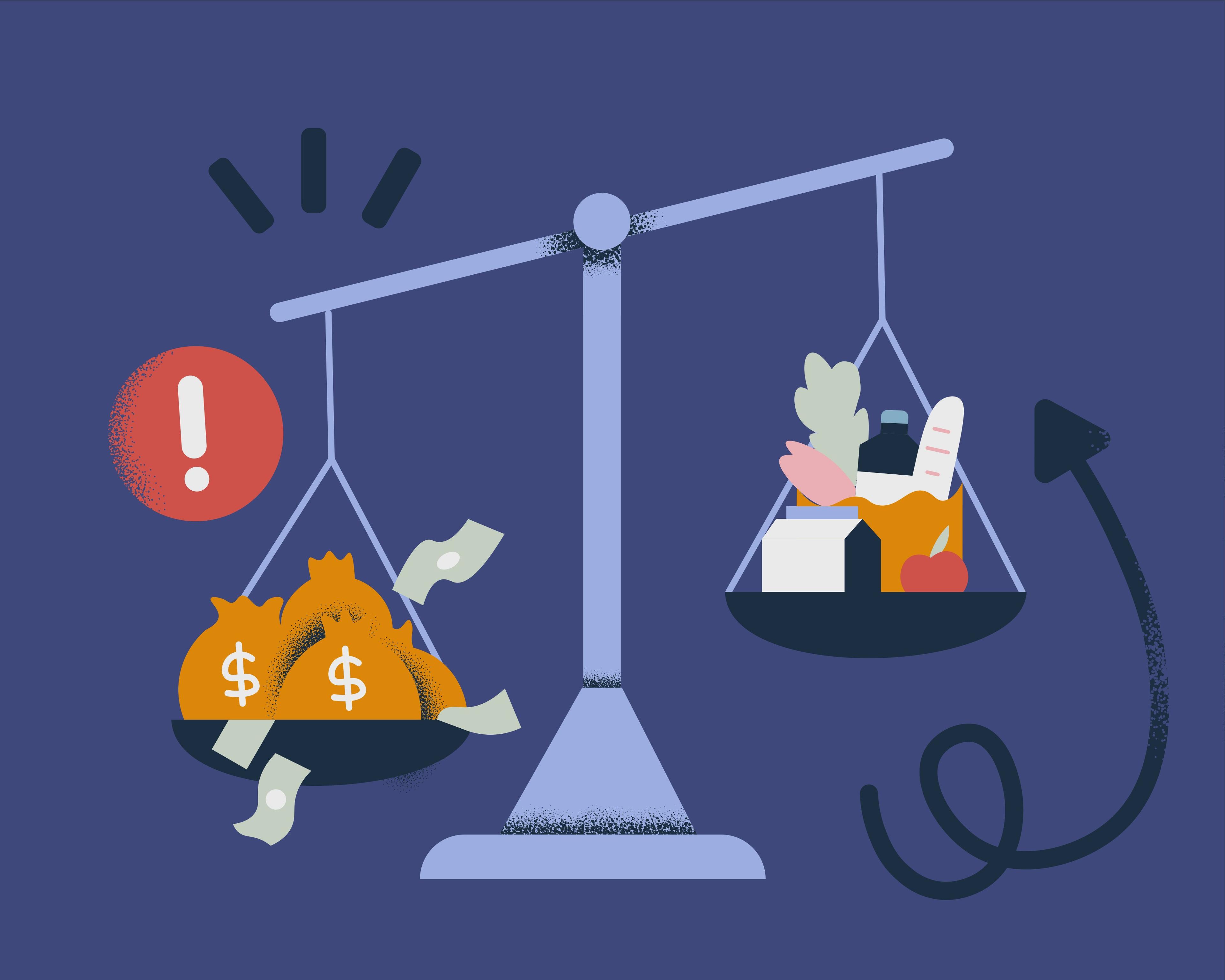
Yet tourism’s benefits are not automatic, and the sector can create economic strain when growth outpaces capacity. One common issue is inflation in housing and everyday services. In high-demand areas, short-stay accommodation can compete with local housing needs, pushing rents up. Restaurants and retail in tourist zones may raise prices to match tourist willingness to pay, which can make life more expensive for residents. If wage gains do not keep up, tourism-led growth can feel like a burden even when national income rises. This is why policymakers increasingly talk about managing tourism, not simply promoting it. The goal is to capture economic value without eroding affordability and social support.
Tourism can also expose an economy to external shocks. Travel demand is sensitive to global recessions, currency swings, security incidents, geopolitical tensions, and public health disruptions. When flights stop or confidence falls, tourism revenue can drop sharply. Economies that depend heavily on tourism can experience sudden job losses and business closures. This vulnerability does not mean tourism is inherently unstable, but it does mean it should not be the only pillar of economic strategy. A resilient economy treats tourism as one engine among several, supported by fiscal buffers, workforce retraining capacity, and diversification into other export sectors.
Another important factor is how much of tourist spending actually stays in the local economy. Economists sometimes describe “leakage” when money flows out through imports, foreign-owned operations, or offshore intermediaries. If a destination relies heavily on imported food, imported furnishings, foreign booking platforms, and foreign-owned hotel chains that repatriate profits, the local capture can be lower than headline visitor receipts suggest. The economy still benefits through wages, local services, and taxes, but the retained value is smaller. Reducing leakage is not about shutting out foreign firms. It is about developing local supply chains, supporting local ownership where possible, and ensuring competition so that value is not concentrated in a narrow layer of intermediaries.
Environmental and governance issues also affect tourism’s long-term economic value. Natural assets and cultural sites are often the foundation of tourism appeal, but they can be degraded by overcrowding and poor management. When a beach is polluted, a trail is damaged, or a heritage district is overwhelmed, the destination’s pricing power weakens. Over time, the market shifts toward lower-value mass tourism, which increases strain while reducing margins. Sustainable tourism is therefore not only a moral or environmental preference. It is an economic strategy to preserve assets that generate future revenue. Effective destination management can include capacity limits, better public transport, waste management systems, stronger enforcement, and pricing mechanisms that reflect scarcity.
The difference between volume tourism and value tourism becomes critical for small open economies with limited land and labor. Volume strategies chase higher arrival numbers, but they can strain infrastructure and suppress wage growth if the business model depends on low margins. Value strategies focus on higher receipts per visitor, better seasonality management, and segments that have stronger spillovers, such as business events, premium leisure, education travel, wellness, and culture-focused experiences. Value tourism tends to demand higher service standards, which encourages skills development and can support higher wages. It also often improves local value capture because high-quality experiences rely more on differentiated local offerings than on imported standardized inputs.
Measurement matters as well. Tourism is not a single industry in standard economic statistics, because its activity is spread across transport, retail, food services, accommodation, entertainment, and professional services. Good policy requires good measurement so governments can see where growth is occurring, where bottlenecks are forming, and where leakages are largest. With better data, policymakers can target investments in training, infrastructure, and regulation rather than relying on broad promotional campaigns. They can also monitor whether tourism growth is improving household incomes or mainly boosting corporate revenue while raising local costs.
In the end, tourism helps the economy by bringing external demand into the domestic marketplace and spreading that spending through jobs, business revenues, supply chains, and government finances. It supports investment and upgrades that can raise national competitiveness and enhance a country’s brand. At its best, it diversifies income sources, supports entrepreneurship, and strengthens resilience in small open economies that must continuously earn their place in global flows of trade and capital. At its worst, it can inflate living costs, degrade assets, and increase vulnerability to external shocks.
The economic lesson is that tourism works best when it is treated like a strategic export sector rather than a simple marketing exercise. Countries that focus on value creation, local capability building, and capacity management tend to capture more benefits and face fewer social strains. Tourism then becomes more than a headline number of arrivals. It becomes a durable source of income, employment, and investment that strengthens the economy while maintaining the quality of life that makes a destination worth visiting in the first place.
 WhatsApp
 Instagram
 Threads