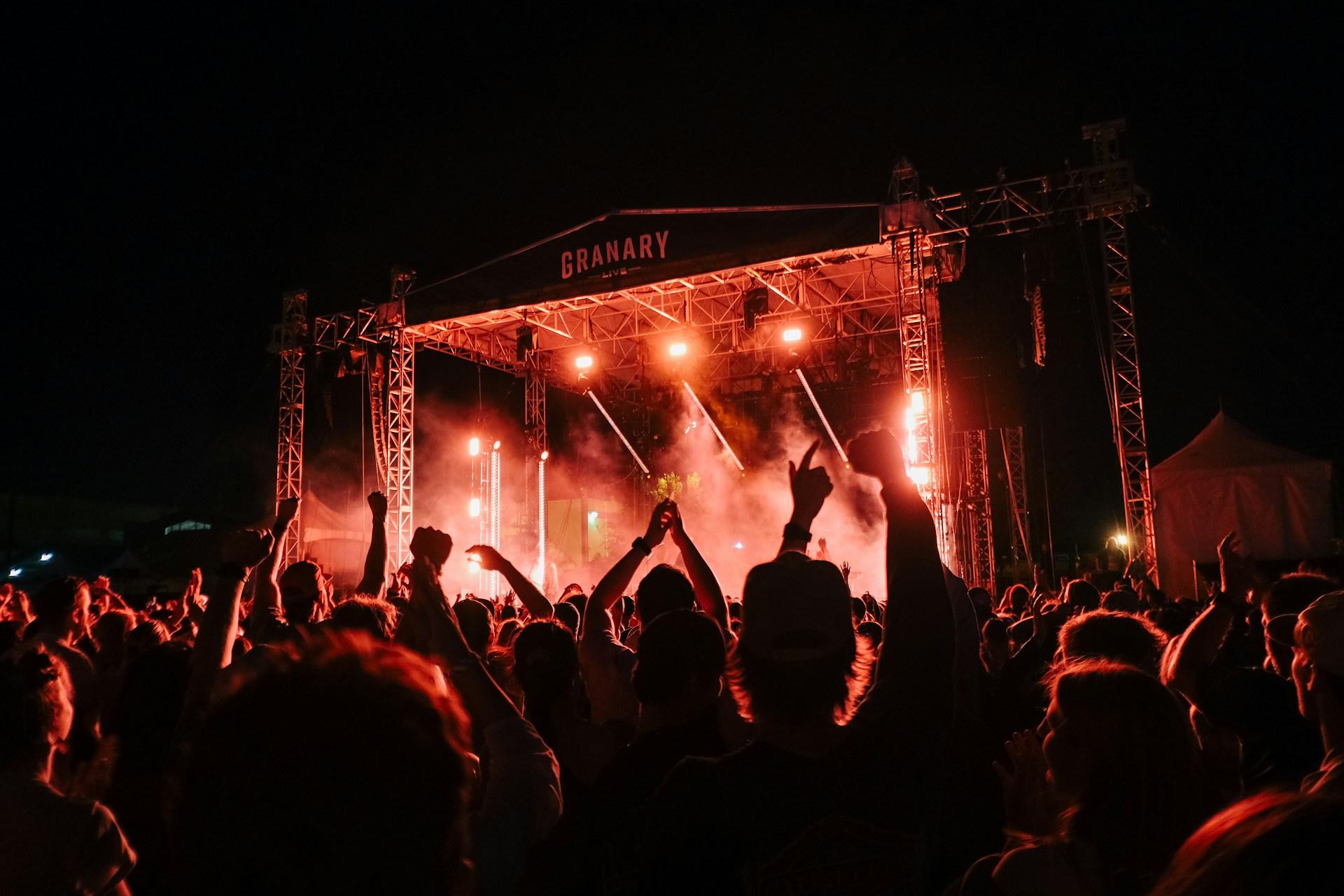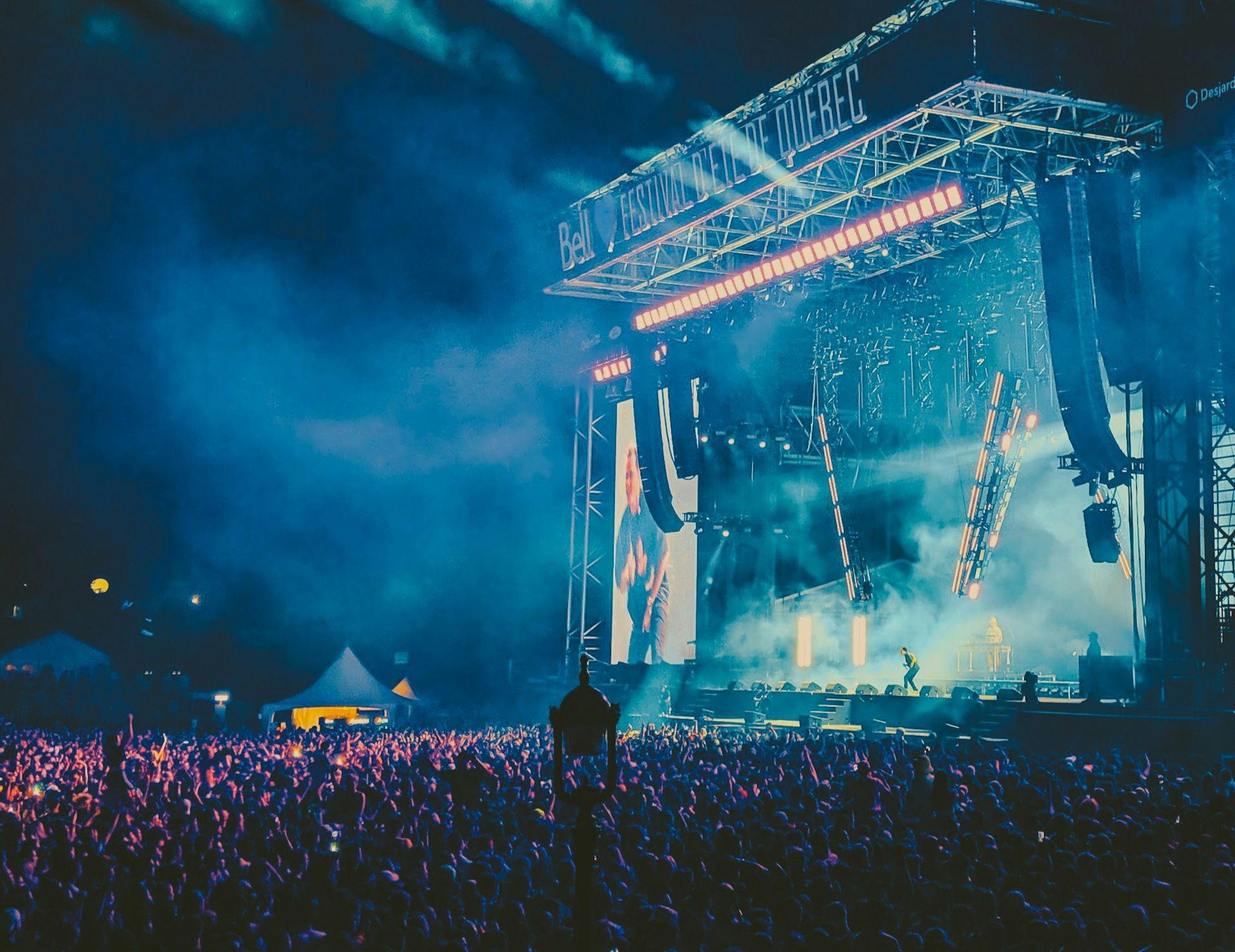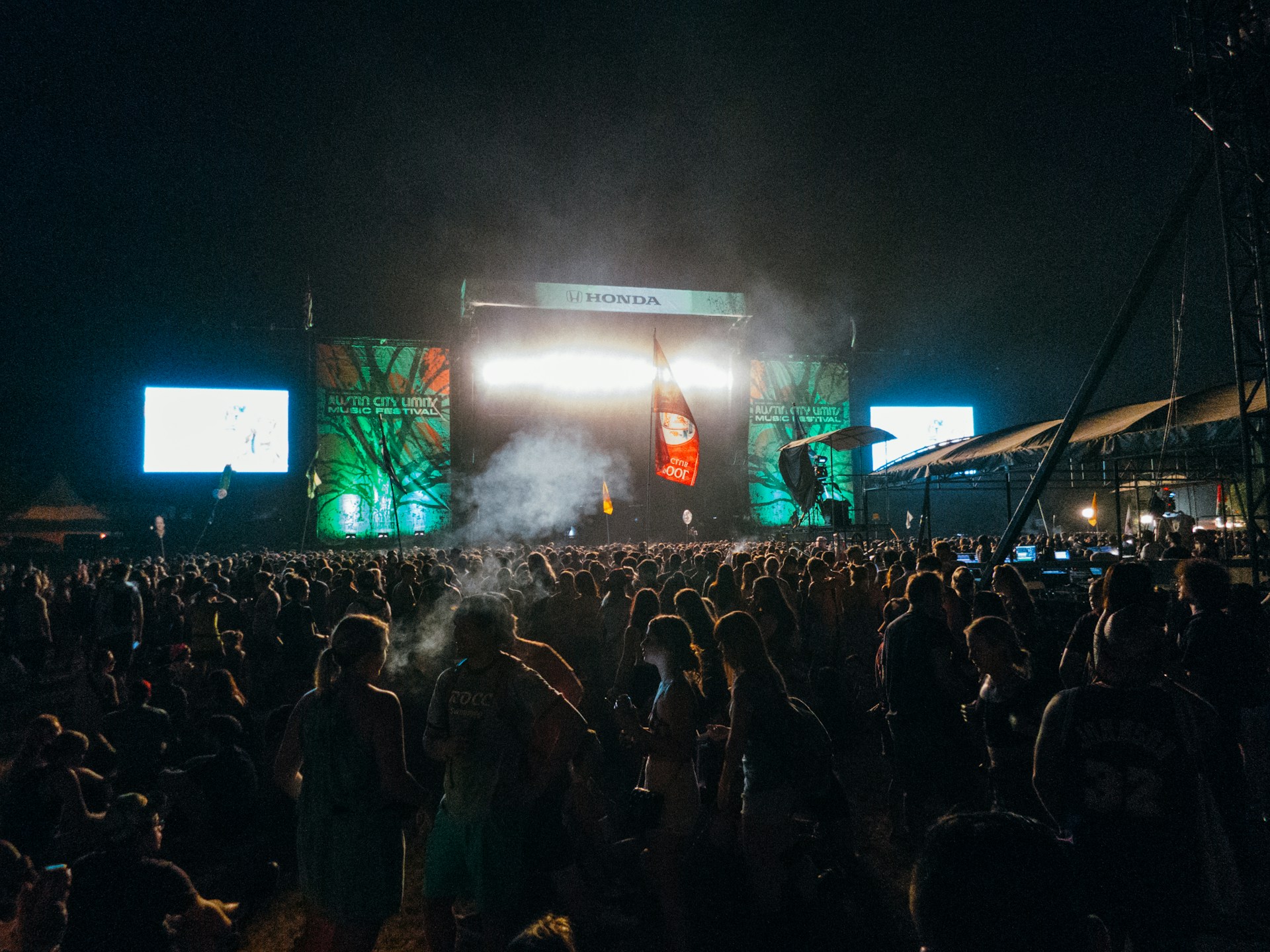
Concerts are often treated as moments of leisure, but in economic terms they function like short, intense surges of commercial activity that can lift a city’s tourism receipts, support local businesses, and strengthen national branding. A single large show compresses spending into a narrow time window and forces an entire urban ecosystem to perform: transport networks must move crowds, venues must meet safety standards, hotels must absorb a spike in demand, and local vendors must scale their capacity overnight. Because the benefits extend far beyond ticket sales, government policy has a clear role to play. The central question is not whether public authorities should fund entertainment for its own sake, but how policies and incentives can reliably increase local value capture, reduce operational friction, and turn one-off events into a repeatable engine of growth.
To understand what effective support looks like, it helps to start with what “economic impact” actually means in the context of concerts. Ticket revenue is the most visible stream, yet it is not necessarily the most locally beneficial. International tours often involve global promoters, touring crews, and cross-border service providers, which means a portion of ticket income can flow outward quickly. The more durable local gains come from the surrounding spend: hotel nights, food and beverage, ride-hailing and taxis, retail purchases, security services, temporary staffing, staging and equipment rental, marketing contracts, and the smaller but significant supply chains that sit behind any large production. Even when a city does not retain the largest share of headline revenue, it can still benefit substantially if policy helps the spillover remain local and if the concert becomes part of a broader destination appeal that encourages repeat visitation.
One of the strongest tools governments possess is the ability to reduce uncertainty. Live events operate on tight global schedules, and promoters make location decisions based on risk as much as demand. When permits are slow, fragmented across agencies, or governed by unclear requirements, the city is effectively imposing a “risk tax” on the organizer. That risk is priced into the event through higher costs, reduced production ambition, or a decision to bypass the city entirely. Governments can support concerts by treating permitting as an integrated service rather than a scattered set of approvals. A single coordinating unit, standardized checklists, predictable timelines, and transparent conditions do not weaken safety or oversight. They strengthen them by replacing improvisation with clear expectations and by ensuring that all stakeholders understand what is required and when.
This administrative clarity has a direct economic payoff because it reduces the cost of doing business. Promoters can plan staffing, logistics, and marketing with greater confidence. Vendors can prepare inventory and hiring schedules. Transport operators can coordinate crowd movement rather than react to it. When the system is predictable, more tours include the city, and the market becomes more competitive, which can improve consumer access and event quality. In other words, a streamlined regulatory process is itself an incentive, and it can be more powerful than cash because it changes the underlying cost structure of hosting events.
Financial incentives still have a role, but they work best when they are targeted and conditional. Broad subsidies risk becoming transfers to large organizers without changing how events are staged or how benefits are distributed. A more disciplined approach is to link public support to demonstrable local outcomes. If a grant, rebate, or co-funding program exists, it should be tied to measurable local spending, local hiring, and local vendor participation. This is crucial because the default touring model can be heavily imported, from technical crews to production equipment. Without design features that encourage local engagement, a city can host the crowd while the deeper value chain remains external.
A performance-based structure changes the incentives. Organizers are motivated to use local staging suppliers, hire local production staff, and partner with domestic service providers because those choices unlock financial support. Over time, this builds local capability, which then makes future events cheaper and easier to host. The economic logic becomes cumulative rather than episodic. The city is not simply paying to attract a show. It is investing in an industry base that increases competitiveness for the next show and the one after that.
Tax policy is another lever that can improve a city’s attractiveness as a tour stop while protecting public value. When taxes are ambiguous or burdensome in ways that create administrative delays, they add friction and uncertainty. Governments can help by providing clear, consistent guidance on withholding tax obligations for international performers, simplifying temporary import procedures for staging and technical equipment, and offering relief that is tied to documented local expenditure. The point is not to remove tax responsibilities indiscriminately, but to reduce the administrative complexity that makes a destination difficult to price and schedule. When tax relief is designed to reward local spending and compliance, it becomes a steering mechanism that encourages the behaviors policymakers want, rather than a blanket concession that leaks into profit margins.
Infrastructure support is often the most underestimated contributor to concert economics, yet it is frequently the decisive factor in whether a city can host major events safely and comfortably. Concerts concentrate movement and demand in ways that strain transport systems, crowd management, and public safety capacity. If the last-mile experience is chaotic, the event’s reputation suffers, and the city’s ability to attract repeat tours declines. Governments can support concerts by making practical investments that improve both event performance and daily urban life. Better pedestrian routes near venues, improved lighting and signage, designated ride-hailing pickup zones, traffic management plans, and extended public transport service on event nights can significantly reduce friction. These measures do not just make one concert smoother. They signal to organizers that the city understands mass-gathering logistics and is willing to treat it as a capability, not an afterthought.
Venue strategy is closely linked to infrastructure, and it shapes the long-term capacity of a local concert economy. A city with only one major venue can become constrained, both in scheduling and in pricing. A more resilient ecosystem includes a mix of venue sizes and types, from mid-sized halls for touring acts that fill calendars throughout the year to large stadium options for global headliners. Governments can support this through co-investment in venue upgrades that improve safety, accessibility, acoustics, and community compatibility, particularly in areas such as soundproofing, crowd flow design, emergency systems, and green retrofits that reduce energy load. Public support is more defensible when it improves public welfare and compliance standards rather than simply subsidizing commercial operations.
The tourism linkage is where policy can unlock a second layer of economic impact. A concert can be a catalyst for travel, but only if the experience around it is easy to plan and satisfying to complete. Visitors who travel for shows tend to spend across multiple categories, and their spending can be multiplied if the city encourages longer stays. Governments can strengthen this by enabling coordinated partnerships between event organizers, hotels, transport providers, and local attractions. The most effective approach is to support a marketplace of bundles rather than to build rigid, top-down packages. When public agencies provide reliable event schedules, transport updates, and promotional collaboration funds that match private marketing spend, they lower the coordination costs that often prevent these partnerships from forming quickly. The visitor’s decision becomes simpler, and the city becomes more competitive against other destinations vying for the same touring routes and fan travel budgets.
However, public support becomes politically fragile if it cannot be defended with credible measurement. Many economic impact claims rely on optimistic multipliers that are difficult for the public to trust. A more sustainable approach is to develop a consistent measurement framework that uses auditable indicators. Hotel occupancy and room rates in the event period, transport ridership changes, transaction volumes in commercial districts near venues, temporary employment counts, and tax receipts tied to the event weekend provide a more grounded picture. Even when data is aggregated and anonymized, the consistency of measurement matters. If the same indicators are tracked across events, policymakers can compare outcomes, identify which incentive structures produce the best local capture, and refine programs based on evidence rather than marketing claims.
Data governance is also increasingly central to this work. Modern events generate extensive data through ticketing systems, mobility platforms, and payment networks. Governments do not need to own these platforms to benefit from the signals they produce, but they do need clear frameworks for ethical data sharing, privacy protection, and standardized reporting. With the right structures, authorities can monitor crowd movement patterns to improve safety planning, evaluate which districts capture spending, and detect bottlenecks that undermine visitor experience. This creates a feedback loop where each event improves the city’s readiness for the next one, making concert hosting a progressively stronger capability rather than a repeating scramble.
Risk-sharing is another area where government support can be justified and strategically deployed. Promoters absorb significant financial risk in staging large events, and some of that risk is tied to factors that intersect with public responsibility, such as security, traffic management, and emergency preparedness. Governments can support concerts by underwriting specific public-good costs or by offering conditional guarantees that protect against non-commercial disruptions. For instance, if a show is canceled due to reasons outside the organizer’s control that relate to public order or regulatory issues, a partial safeguard tied to predefined conditions can reduce the risk premium that organizers assign to the destination. This is not about guaranteeing profit. It is about recognizing that the boundary between public responsibility and private operation is real, and that costs at that boundary can determine whether an event happens at all.
Long-term success also depends on building domestic industry depth. A concert economy is not only about artists and fans. It is also about sound engineers, lighting specialists, riggers, stage managers, safety officers, event marketers, and the many technical roles that determine whether productions can be executed efficiently and safely. If a country relies heavily on imported expertise, costs rise and capability does not compound. Governments can support concerts by investing in training pipelines, certification standards, and partnerships with touring productions that provide structured upskilling for local crews. Over time, this expands the local talent pool, improves compliance with safety standards, and makes the destination more appealing for repeat tours because production quality becomes reliable.
None of these incentives should ignore the externalities that concerts can produce. Large events can create noise disruptions, litter, congestion, localized price spikes, and community frustration, particularly if residents feel excluded from the benefits. Public policy must address these concerns directly, not through slogans but through enforceable planning and community engagement. Sound management, clear crowd caps, sanitation requirements, and neighborhood impact mitigation can improve public acceptance. When communities see that events are managed professionally and that local businesses and workers benefit, the political foundation for continued support becomes stronger.
When taken together, the most effective government role in supporting concerts resembles system design more than sponsorship. Policy can reduce uncertainty through streamlined permitting, increase local value capture through conditional incentives, improve competitiveness through practical infrastructure investment, and protect public legitimacy through credible measurement and externality management. The goal is to turn concerts from sporadic wins into a repeatable economic function that lifts multiple sectors at once.
A city that gets this right becomes easier to route for touring teams, safer and more enjoyable for audiences, and more profitable for local vendors and workers. It becomes known not just as a place that occasionally hosts major events, but as an ecosystem that can host them well. Over time, that reputation attracts more dates, more genres, and more visitors, reinforcing a cycle where culture and commerce strengthen each other. The economic impact then becomes less about a single weekend spike and more about building a durable capability that supports tourism, employment, and national branding in a way that is strategically rational and publicly defensible.
 WhatsApp
 Instagram
 Threads