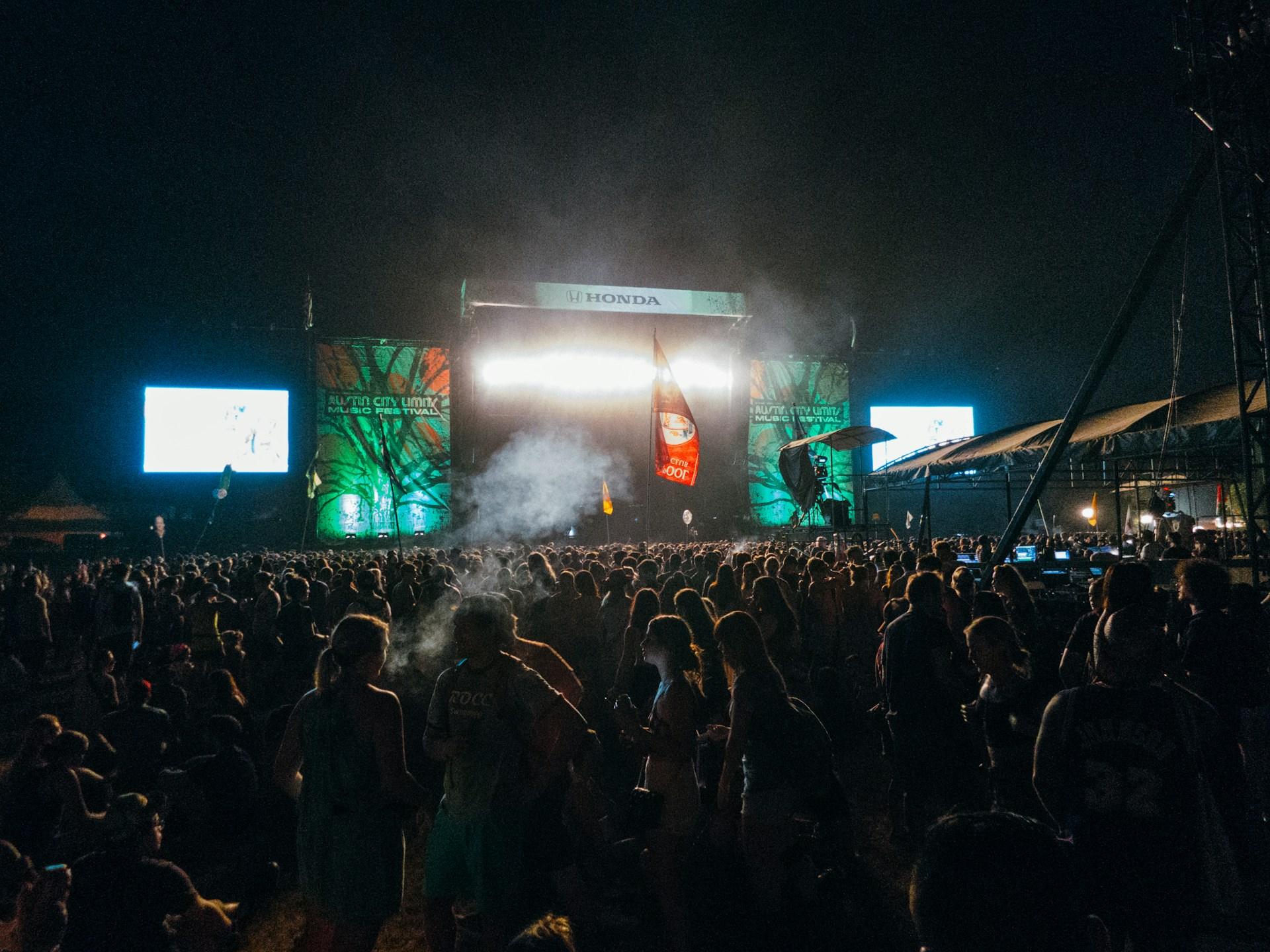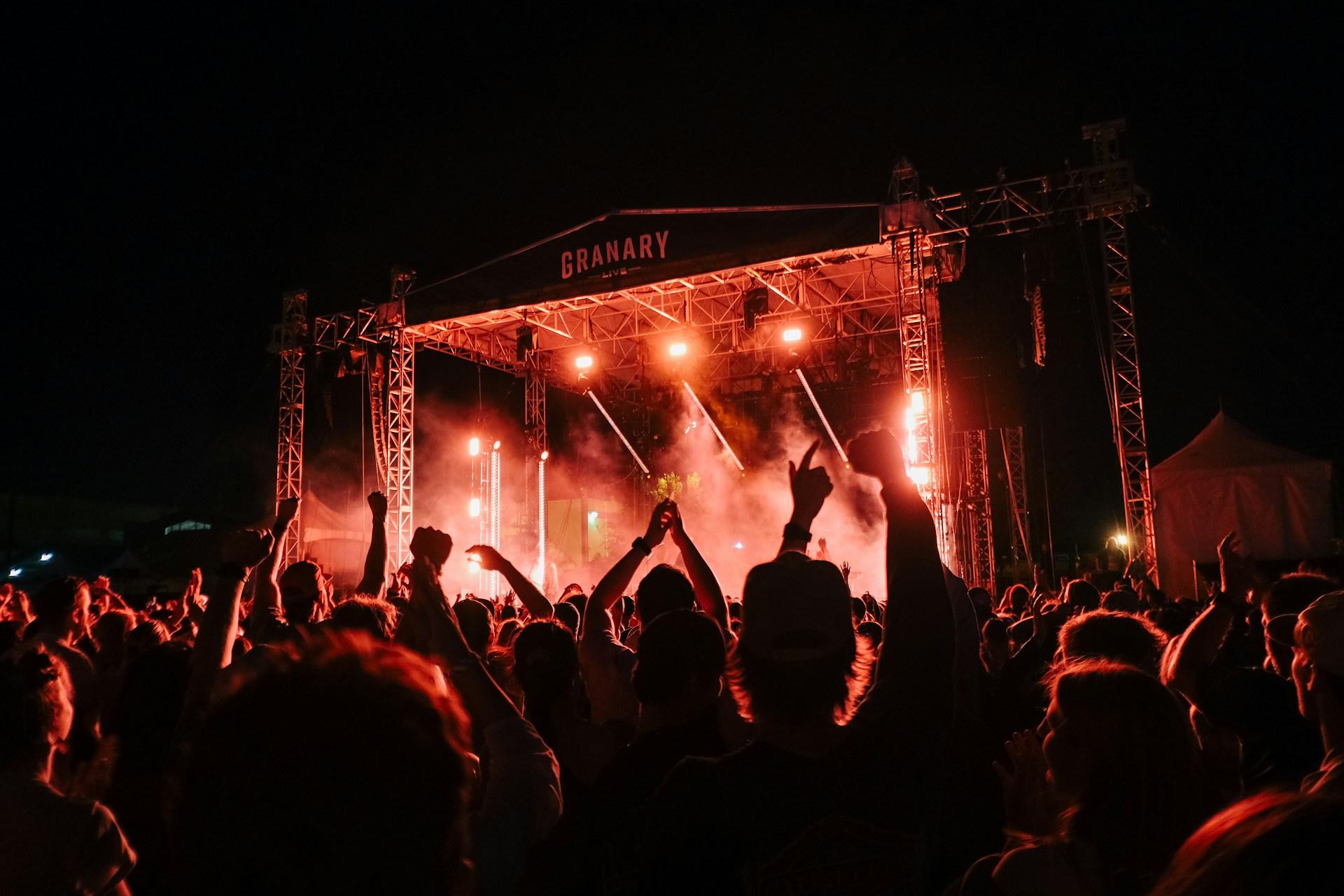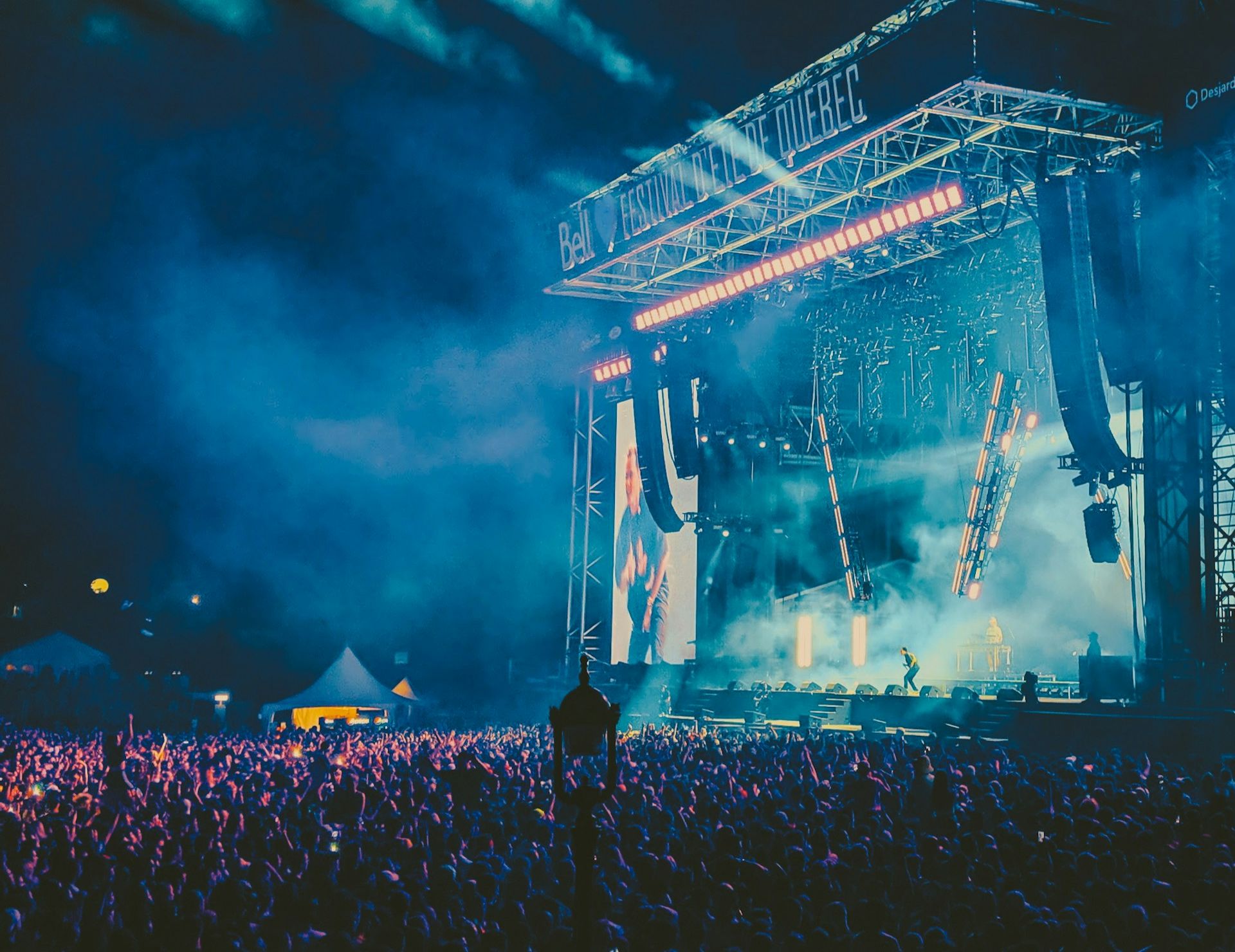
Concerts are often dismissed as a luxury, something people attend when they have extra money and free time. Yet when a city hosts a major show, the economic effects extend far beyond the venue gates. A concert is a concentrated burst of activity that draws visitors, mobilizes businesses, and activates systems that usually sit in the background of daily commerce. It is entertainment, but it is also a temporary economic engine. When viewed through the lens of jobs, tourism, taxes, investment, and national reputation, concerts become a serious contributor to both local prosperity and broader economic performance.
At the most basic level, concerts create a surge of spending that is unusually dense in time and place. Thousands of people arrive at the same district within a narrow window, and many of them spend money before and after the performance. Tickets may be the headline item, but they are only the beginning. Food and beverages, transport, accommodation, souvenirs, and last-minute purchases all climb sharply around concert days. This spending matters because it is immediate. Instead of being spread across weeks, it often lands in a single weekend, which can transform the cash flow of small businesses and service providers that rely on steady turnover to survive.
The local economy typically benefits first through visitor inflows. When fans travel from other cities or countries, they bring new money into the host area. This matters because not all spending is equal. A local resident buying a ticket might be shifting money they would have spent elsewhere in the city, perhaps on a restaurant meal or another leisure activity. A visitor, however, adds spending that would not have existed without the event. From the perspective of the host city, this resembles export revenue because the buyers are not only locals. Their spending arrives from outside and enters local circulation through hotel bookings, taxi rides, meals, and retail purchases. For a national economy, repeated inflows of event travelers strengthen tourism receipts and expand the services sector’s contribution to GDP.
Accommodation and hospitality are often the clearest winners. Concert weekends can push hotel occupancy to levels that resemble peak holiday seasons. Restaurants near venues typically see heavy foot traffic, while those in surrounding districts may also benefit as visitors explore the city. Even operators that do not sit directly in the venue’s shadow can experience a lift if the concert encourages people to extend their stay. When visitors arrive a day early or leave a day later, they spend on breakfast, shopping, museums, and local transport. This lengthening of the travel window increases the economic footprint of the concert, turning a single night of entertainment into a multi-day spending cycle.
Transport services also gain in ways that ripple through local operations. Airlines and intercity rail networks see demand spikes when large shows are scheduled, while urban transit systems face surges that require staffing, coordination, and in many cases expanded capacity. Ride-hailing and taxis benefit directly, but so do the less obvious transport businesses, such as parking operators, shuttle providers, and even fuel stations. In cities where public transport is heavily utilized, concert traffic can increase fare revenue while highlighting the importance of efficient crowd management. When transport systems handle these surges successfully, they strengthen the city’s reputation as an event-ready destination, which can attract further shows and other large-scale gatherings.
Concerts are also employment events. They create jobs that range from short-term casual work to skilled technical roles. Security staff, ticketing personnel, ushers, cleaners, medics, and crowd control teams are needed for each show. Beyond that, staging requires lighting specialists, sound engineers, riggers, production managers, set builders, and logistics coordinators. Many of these roles involve specialized expertise and high safety standards, which means that a healthy concert scene can support professional development and training. Over time, the repeated demand for event labour encourages the growth of a domestic events industry, creating a workforce that is not only employed for concerts but also capable of servicing conferences, festivals, sports events, and televised productions.
The economic importance of concerts becomes even clearer when considering the supply chain behind every performance. A major show requires equipment rentals, catering, merchandise printing, venue maintenance, technology platforms, and marketing services. Local businesses often fill these needs, particularly when the city has an established ecosystem of vendors. Each contract, whether for portable toilets, barricade rentals, LED screens, or branded signage, is revenue for a local firm. This broad involvement is why concerts can have multiplier effects. Money spent by the organizer circulates through vendors, who then pay staff and suppliers, who then spend within the local economy. The impact is not restricted to a single sector. It is a networked burst of demand that touches many categories of commerce.
Taxes and public revenue are another important dimension. Concerts can contribute through direct and indirect channels. Directly, governments may collect sales taxes or consumption taxes on tickets and event-related purchases. They also collect revenue through licensing fees, permits, and venue-related charges. Indirectly, the rise in business turnover increases taxable income and improves compliance, especially in environments where digital payments and ticketing systems formalize transactions. Even temporary employment contributes through payroll-related taxes and social security contributions where applicable. While no single concert may transform a fiscal budget, a consistent calendar of events can create a reliable stream of incremental public revenue that supports local services and infrastructure.
The broader national advantage is that concerts strengthen a country’s position in the competition for high-value tourism and global attention. Tour routes are not decided randomly. Promoters evaluate ease of permits, reliability of security planning, quality of venues, travel connectivity, and the overall ability of a city to handle large crowds safely. When a country becomes known as a smooth and professional tour stop, it signals competence. That signal is valuable beyond entertainment. It tells international businesses and investors that the country can coordinate logistics, provide stable administrative processes, and deliver large-scale experiences without chaos. This kind of credibility feeds into a nation’s reputation as a modern, well-managed place to do business.
Concerts also contribute to what is often called city branding, though the economic logic behind branding is sometimes misunderstood. A vibrant event scene makes a city more attractive to skilled workers, entrepreneurs, and companies that need to recruit talent. In many modern industries, especially in services and technology, employees care about quality of life and cultural options. A city that hosts major acts signals that it is connected, lively, and internationally relevant. This can support talent retention and improve a city’s ability to attract regional headquarters, conferences, and creative industries. In that sense, concerts do not just bring tourists. They help shape the long-term competitiveness of the labour market and the business environment.
There is also an investment angle that deserves attention. Hosting major concerts can justify upgrades in venue infrastructure, transport management, digital ticketing, and public safety systems. These upgrades may appear to be event-driven, but their benefits often extend to everyday use. Improved public transport capacity helps commuters. Better crowd safety systems can raise overall standards for public gatherings. Upgraded districts around venues can become hubs for retail and nightlife. The key is whether cities plan for year-round utilization rather than treating upgrades as one-off spending. When investments are designed to serve multiple purposes, concerts can become the catalyst for infrastructure improvements that strengthen the economic foundation of the city.
At the same time, it is important to evaluate the net benefit honestly. Concerts can involve financial leakages. International artists and large touring operations may be paid substantial fees, and some specialist roles or equipment may be imported if local capabilities are limited. In those cases, a portion of revenue leaves the economy. This is why the development of domestic industry capacity matters. The more a country can supply technical expertise, equipment, and supporting services locally, the more value it retains. Over time, an active concert scene can strengthen local firms and reduce dependence on imported services, turning a one-off event economy into a durable industry.
Regulation plays a decisive role in whether concerts thrive and whether they produce sustained value. If approvals are slow, rules are unclear, and enforcement is unpredictable, promoters may avoid the destination even if demand is strong. Yet if regulation is too loose, the risk of crowd incidents, noise disputes, and public backlash increases. The most successful event cities aim for predictable governance. Clear guidelines, consistent enforcement, transparent fee structures, and coordinated public agencies make events easier to plan and safer to execute. Predictability lowers risk, and lower risk makes promoters more willing to schedule repeat dates, which is what turns concerts from occasional spikes into an economic calendar.
Ticketing systems have also become an important part of the economic story. In many markets, demand for major shows is intense, and this creates opportunities for scalping and inflated secondary resale prices. When ticketing becomes chaotic or perceived as unfair, it can weaken public trust and reduce participation over time. A healthy concert ecosystem depends on consumers feeling confident that they can access events without excessive friction or exploitation. For policymakers, the objective is not to control prices in a way that destroys incentives, but to protect transparency and fairness so the market remains credible. Strong consumer confidence encourages broader attendance, which increases the spending base beyond a narrow group of high-income buyers.
Local politics and community acceptance also matter. Concert weekends can create congestion, noise, and price spikes that inconvenience residents. Hotel rates can rise sharply, transport can become crowded, and local neighbourhoods may feel disrupted. If residents perceive that the city prioritizes visitors over locals, resistance to future events can grow. The solution is not to reduce concerts, but to manage them well. Cities that invest in crowd dispersal strategies, public transport coordination, and responsible scheduling can reduce negative spillovers while preserving the economic benefits. When communities see that events are handled professionally and that the gains are real, acceptance tends to be stronger.
The most economically meaningful concert strategies are integrated rather than opportunistic. A city that wants concerts to support long-term growth will treat them as part of a broader plan that includes tourism development, creative industry support, and urban infrastructure. This plan recognizes that not every event delivers the same value. Some concerts may attract mostly locals and therefore generate less net new spending. Others may bring large inflows of visitors and create broader uplift. A balanced calendar that includes major international acts, regional performers, and local festivals can spread demand across the year, reduce seasonality in tourism, and strengthen the entire ecosystem of vendors and workers.
When all these layers are considered together, the importance of concerts for the local and national economy becomes difficult to dismiss. They stimulate spending, create jobs, and activate supply chains in a concentrated burst that can meaningfully lift business revenue. They generate tax receipts and encourage formalization of transactions. They justify infrastructure upgrades and strengthen a city’s ability to host other high-value events. They contribute to national reputation and competitiveness in attracting talent and business activity. Most importantly, when a concert industry is developed thoughtfully, it shifts from being a series of isolated spectacles into a repeatable economic sector, one that helps cities and countries compete in an era where services, experiences, and global attention are increasingly linked to real economic outcomes.
 WhatsApp
 Instagram
 Threads