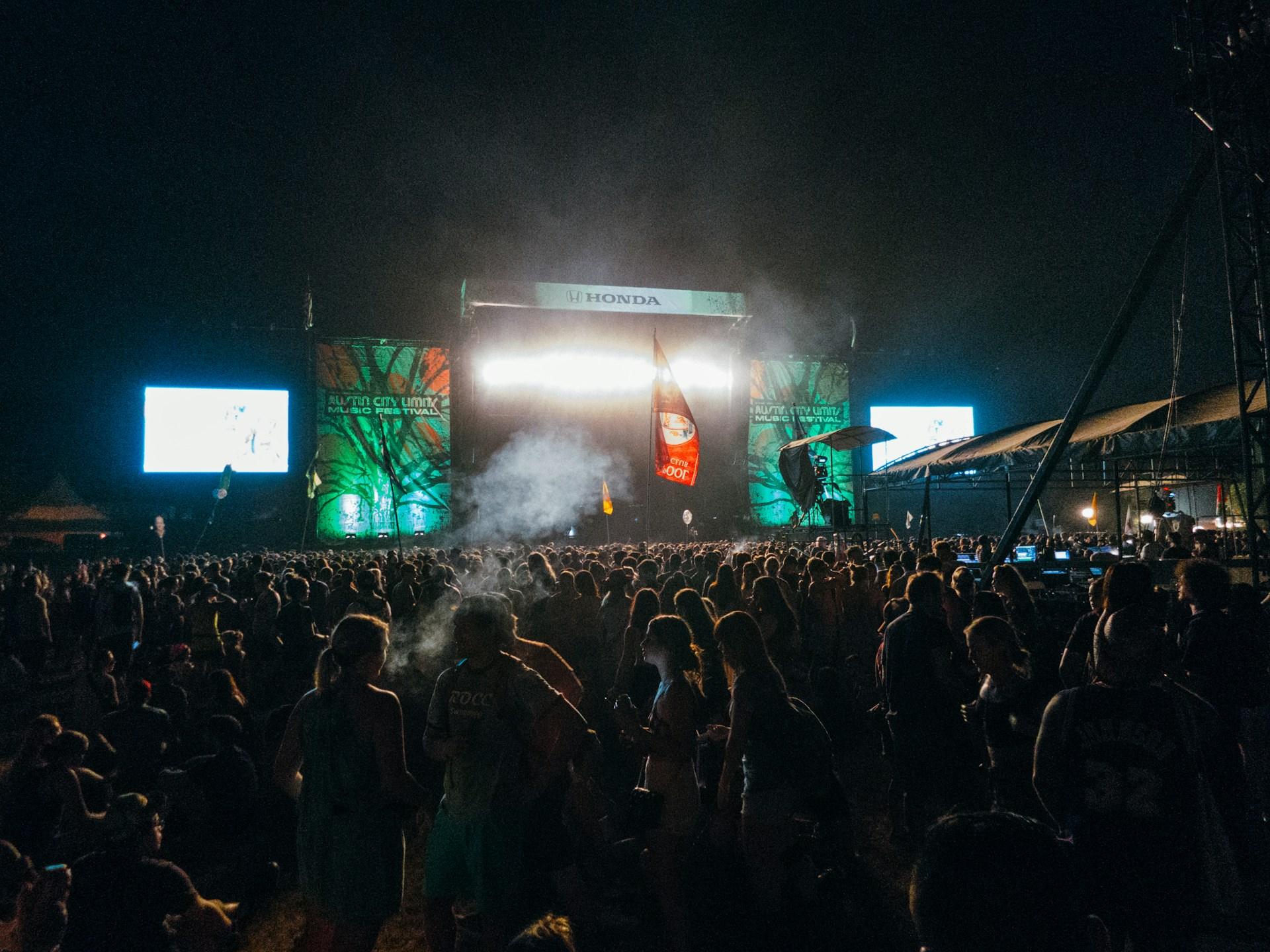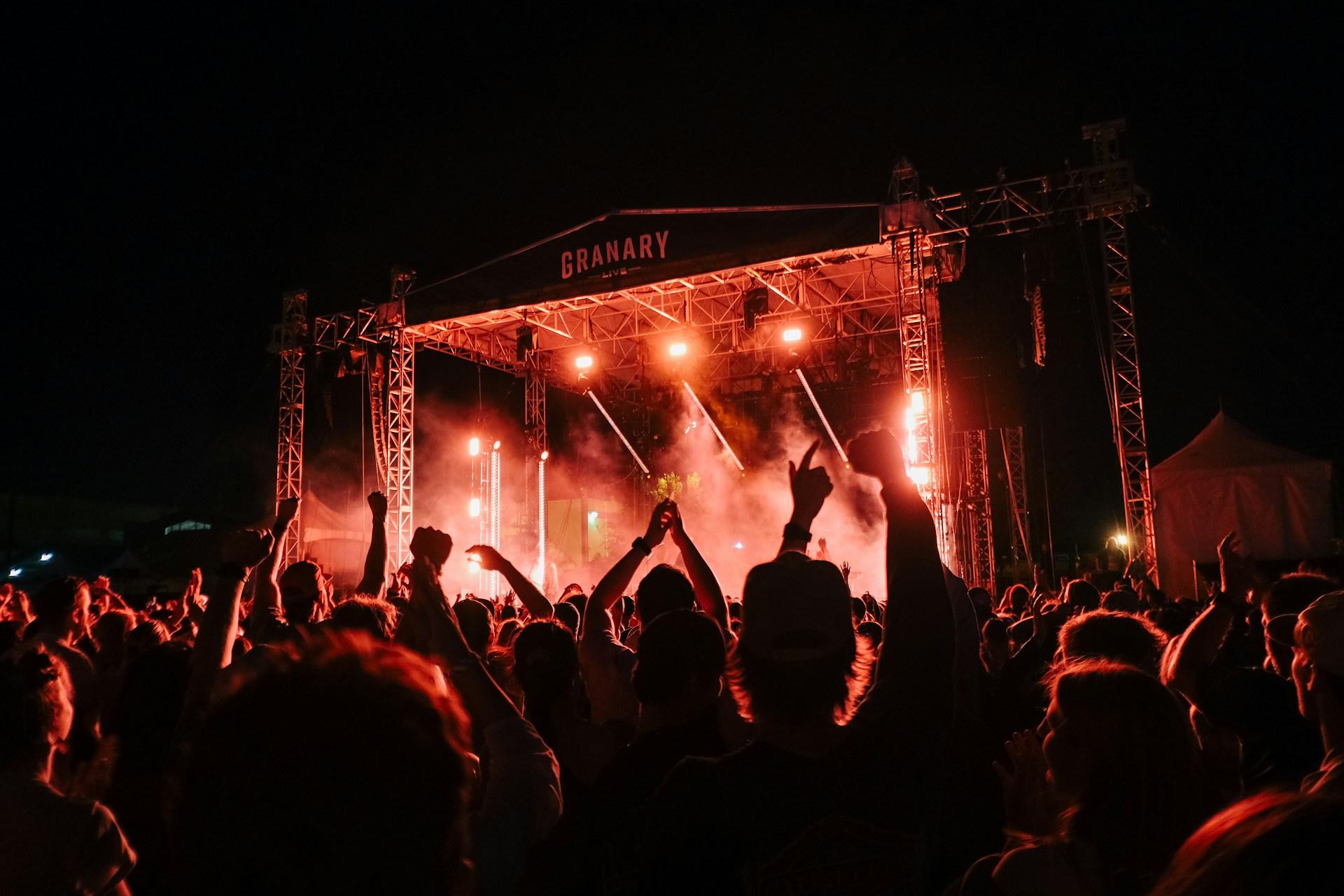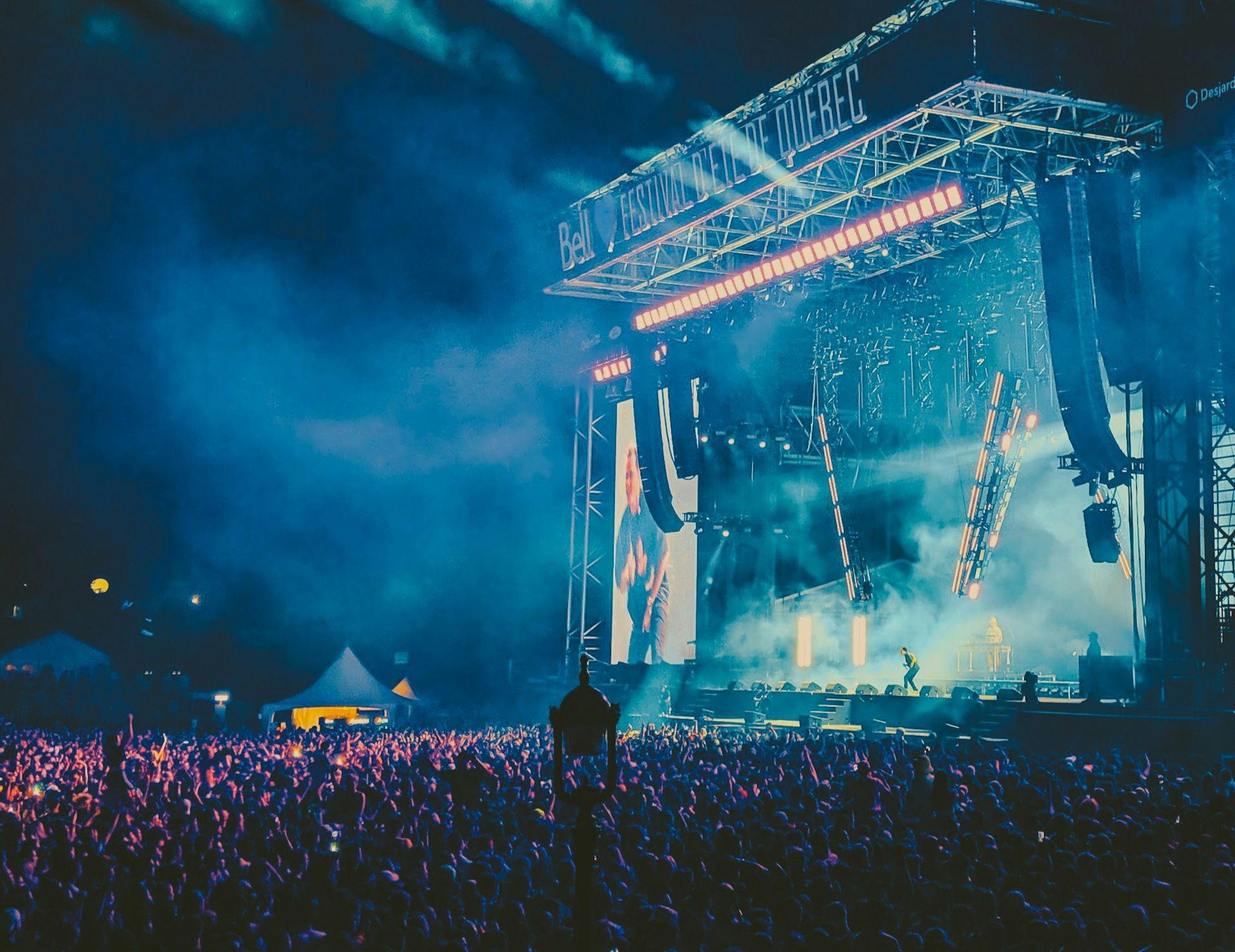
Organising a concert may look like a single night of entertainment, but behind the spectacle sits a temporary business built under tight constraints. It has high fixed costs, a limited window to sell tickets, and a web of dependencies that can turn one small disruption into a major financial loss. This is why the costs and risks of staging a concert are rarely separate issues. They influence each other at every step, shaping decisions about artists, venues, production, staffing, marketing, and safety. To understand what it really takes to run a successful show, it helps to view a concert not as an event, but as a short-term venture where cash flow, execution, and reputation must be protected all at once.
The first and often most decisive cost is the artist. Many assume a concert budget begins and ends with a performance fee, but talent agreements are usually more layered. Headliners may require a guaranteed payment, a share of ticket revenue, performance bonuses, and detailed expectations about travel, accommodation, and hospitality. Even when the headline number looks manageable, the fine print can create costly escalations if certain conditions are met, such as additional set time, special equipment, or upgraded logistics. When artists are international, another risk enters the picture: currency exposure. If the contract is priced in a foreign currency while ticket sales occur in local currency, sudden shifts in exchange rates can quietly inflate the true cost of the show. A concert can appear viable during planning and become far more expensive once payment deadlines arrive.
The venue is the next major commitment, and it can be one of the least flexible. Venue fees are rarely limited to a simple rental charge. Many venues require promoters to use approved suppliers or in-house teams for services like rigging, staging, power distribution, and security. Extra charges may apply for rehearsals, additional load-in days, cleaning, storage, and overtime if the event runs late. The deeper risk is that venue terms often lock organisers into a cost structure before they fully understand demand. Once a venue is booked, the organiser may have already committed to staffing minimums and production standards that cannot easily be scaled down if ticket sales fall behind expectations.
Production costs often push a concert from a straightforward booking into something closer to an infrastructure project. Sound systems, lighting rigs, LED screens, staging, truss structures, and backup power require specialised equipment and specialised labour. Even when an artist tours with their own production team, local integration is still necessary, and many venues require compliance checks and safety inspections that add cost and complexity. The risk in production is not only overspending. It is the possibility of technical failure. A single power issue, equipment delay, or miscommunication between crews can lead to door delays, shortened performance time, and refunds. It can also trigger reputational damage that affects future events. Production has many hidden dependencies such as transport schedules, customs clearance for imported equipment, local labour availability, and contingency planning for equipment failure. When planners underestimate those dependencies, they end up paying for emergency fixes and rushed solutions.
Staffing and labour are another area where costs rise quickly, especially because events operate on intense, short shifts and often face scarcity of skilled crews. Event managers, stage managers, riggers, sound engineers, security teams, medics, ushers, ticketing staff, and cleanup crews all play critical roles. Their work is time-sensitive, and last-minute changes tend to be expensive. In some regions, union rules or strict labour standards shape how shifts are scheduled and how overtime is paid. Beyond cost, there is also a coordination risk. A concert relies on multiple teams that may not have worked together before, and if they are not aligned on timing and process, problems can appear at the most visible moments, particularly at entry points where crowd flow, ticket scanning, and security checks must work smoothly.
Marketing tends to be treated as the controllable part of the budget, but in reality it is where organisers often take their largest gamble. A concert needs consistent conversion, not just visibility. Promoters must decide when to spend, how to target, and how to build trust quickly, all while competing with other entertainment options. Spending too early can burn cash before the organiser knows which messages resonate. Spending too late can mean missing the window when audiences are most receptive and able to plan. If ticket sales fall behind, marketing becomes the emergency lever, and that is precisely when organisers can least afford to increase spending. The risk is that the concert budget becomes dependent on advertising performance that cannot be guaranteed.
Ticketing and payments introduce costs that look small individually but add up through margin leakage. Ticketing platforms charge service fees, payment processors take a cut, and some revenues may be held for a period before being released. Refund policies also create uncertainty. Fraud adds another layer of risk, including chargebacks, ticket scalping, duplicate purchases, and counterfeit tickets. These problems are not only financial. They create operational strain when customers arrive with tickets that fail to scan, leading to entry delays, disputes, and additional staffing needs at the gates. Poor ticketing management can turn into crowd stress, which then feeds into security and safety concerns.
Insurance is one of the most rational costs of concert planning, yet it is often misunderstood. A concert may require public liability coverage, employer liability insurance, equipment protection, and event cancellation coverage. In certain markets, additional cover such as terrorism insurance may be necessary. The organiser’s risk is assuming a standard policy will handle concert-specific realities, when exclusions often apply to weather disruption, artist non-appearance, or particular public health scenarios. Insurance is also tied to permitting and venue contracts. Missing documentation can delay approvals, and delays in approvals can trigger rushed decision-making and higher execution costs.
Permits and compliance requirements rarely dominate the budget, but they can dominate the timeline. Noise regulations, curfew rules, crowd capacity limits, fire safety approvals, alcohol licensing, and temporary structure permits all influence how the event must be designed. If approvals are delayed, organisers may be forced into expensive last-minute adjustments or face the possibility of cancellation. In some cases, a promoter may spend heavily before permits are fully secured, assuming the paperwork will follow. This optimism can become a costly mistake if the authorities require changes that reduce capacity, limit operating hours, or alter layout plans.
Security and safety are perhaps the most serious risks because they combine legal liability with human responsibility. Direct costs include security personnel, bag checks, barriers, crowd control equipment, and medical support. The larger exposure lies in crowd dynamics, which are shaped by venue layout, entry timing, alcohol availability, and attendee behaviour. A serious safety incident can destroy a promoter’s credibility and restrict future access to venues, sponsorships, and approvals. Even without major incidents, poor crowd management leads to negative experiences that spread quickly through social media and damage public trust.
Sponsorship can appear to reduce financial pressure, but it also introduces risks of its own. Sponsors may require brand activations that add production complexity, dedicated spaces, content obligations, and hospitality features. If ticket sales underperform, sponsors may renegotiate terms, delay payments, or demand additional deliverables. This pulls the organiser’s attention away from operations and can inflate costs under the logic of creating more value for partners. Sponsorship is valuable, but it must be tightly managed so it does not become an uncontrolled scope expansion.
Underlying all these components is the most common structural vulnerability in concert organising: cash flow. Many major expenses must be paid upfront or according to strict timelines, while ticket revenue arrives gradually and can be delayed by platform withholding policies. A concert may look profitable on paper and still fail if the organiser runs out of working capital before the event takes place. This is why experienced promoters focus on payment schedules, deposit timing, and contingency reserves. When outflows are structured to match verified ticket sales rather than optimistic forecasts, the business becomes more resilient. When they are not, the organiser is exposed to a sudden liquidity crisis.
A final risk that ties everything together is reputation. A late start, poor sound, disorganised entry lines, overcrowding, or mishandled refunds can reduce trust and raise marketing costs for future events. Reputation is not a vague concept in the concert business. It shapes whether audiences buy early, whether sponsors return, and whether venues want to work with the organiser again. Because concerts are highly visible and experiences are shared widely online, mistakes travel far beyond the venue and can affect long-term viability.
In the end, the common costs of organising a concert are inseparable from the common risks. Artist fees, venue commitments, production spending, staffing requirements, marketing strategy, ticketing systems, insurance coverage, regulatory compliance, and safety planning are all necessary pieces, but each one contains points where optimism can become expensive. A concert is a compressed venture with limited room for error, and it rewards organisers who plan for uncertainty, protect cash flow, and rehearse operations as carefully as they build the stage. The most sustainable promoters are not those who simply spend less, but those who design a model that can withstand setbacks without collapsing under them.
 WhatsApp
 Instagram
 Threads