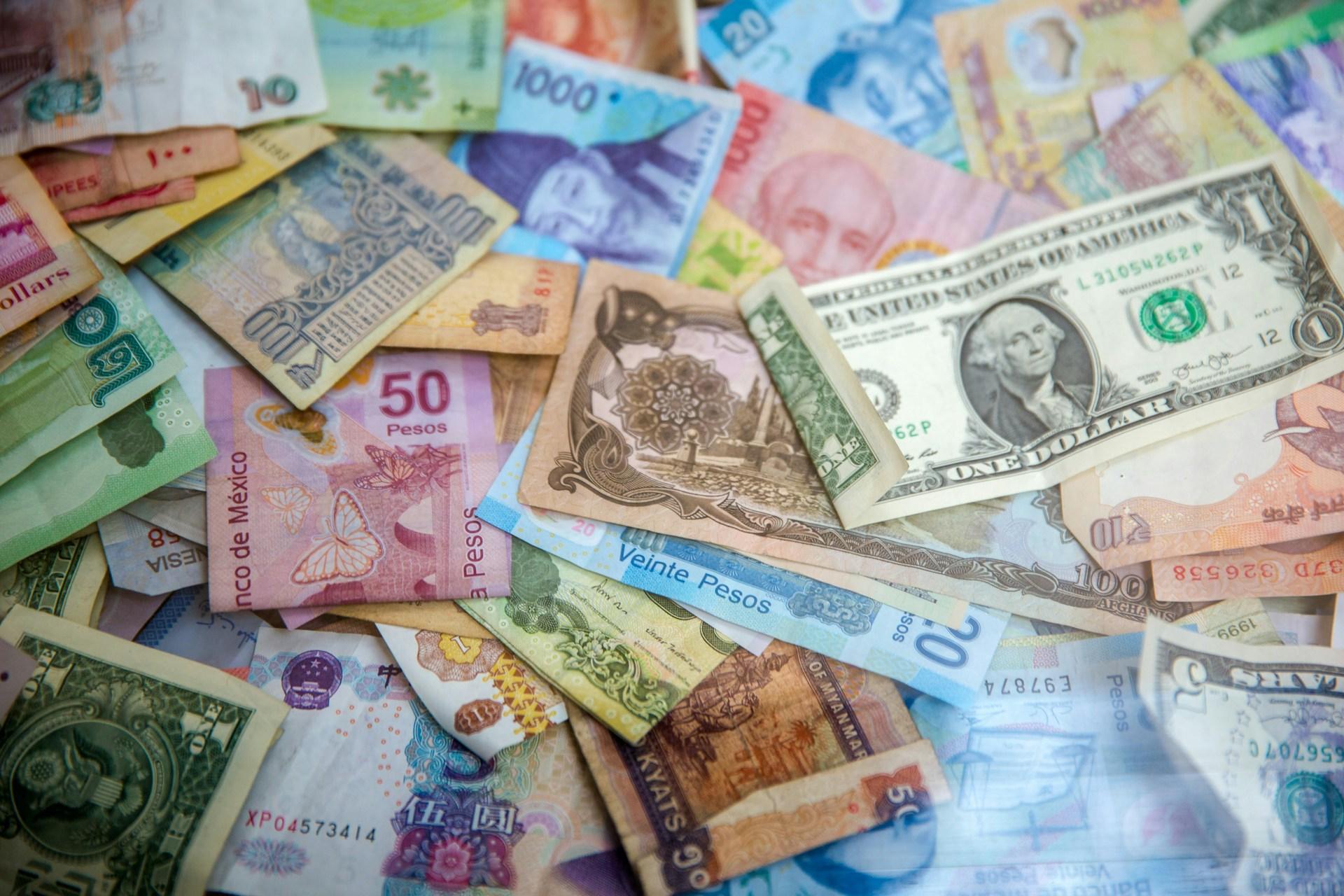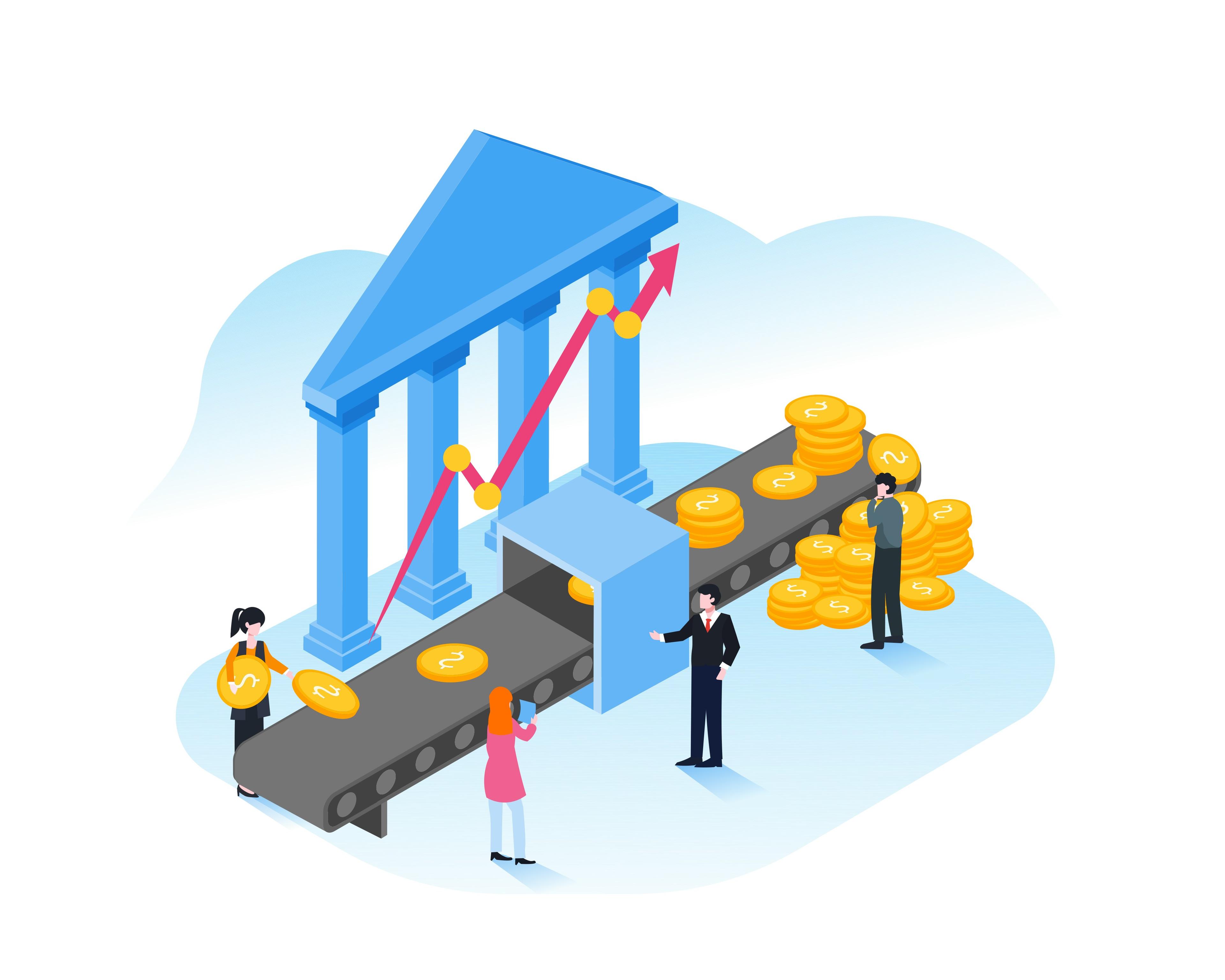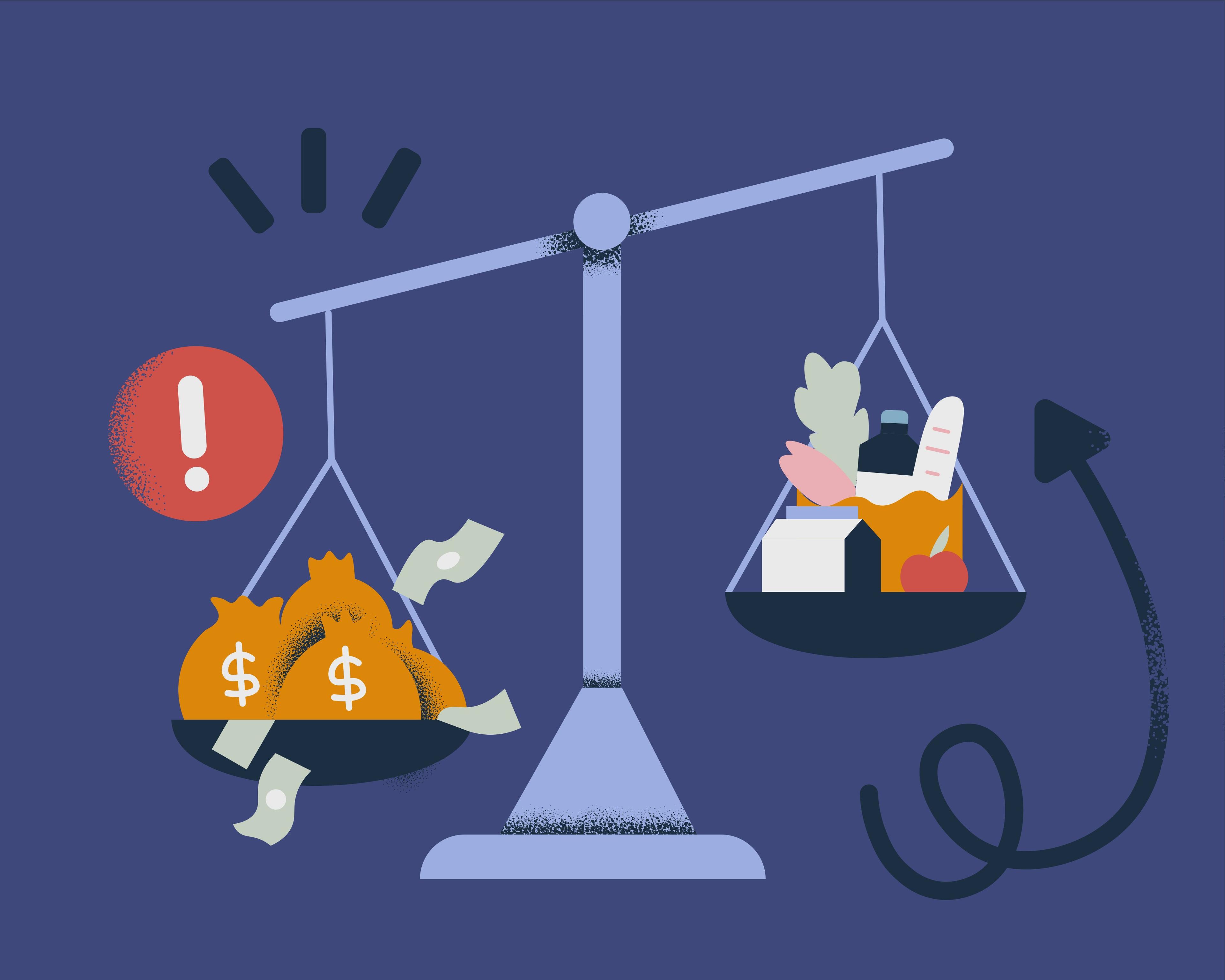
Inflation, in everyday language, is often described as prices going up. In economic terms, it is more specific and more consequential. Inflation is the sustained rise in the general level of prices across an economy, which means that over time a unit of currency buys less than it did before. The idea of being sustained matters because a one-time jump in the price of petrol or a temporary spike in vegetables after bad weather is not the same as inflation. The idea of being general matters because inflation is not about one product becoming expensive. It is about broad-based increases across many goods and services that people rely on. It is also important to understand that inflation is a rate of change rather than a single number that describes whether a country is “expensive.” A city can feel costly, but inflation might be low if prices are steady. Another economy might still have relatively cheap prices in absolute terms, but inflation can be high if prices are rising quickly. This distinction affects how businesses set prices, how workers negotiate wages, and how investors evaluate returns. When inflation is high or unpredictable, long-term planning becomes harder because the future value of money becomes less certain.
Because inflation is about the overall price level, it is measured using price indexes rather than individual prices. The most common measure is the Consumer Price Index, which tracks the cost of a representative basket of goods and services over time. Some countries also look at producer price indexes to capture cost pressures that emerge earlier in supply chains. Others, such as the United States, place strong emphasis on alternative measures like the Personal Consumption Expenditures index. Different indexes can produce different readings because they use different baskets, weighting methods, and approaches to tracking items such as housing costs. That is why policymakers and analysts often look beyond a single headline figure.
Within inflation reporting, headline inflation and core inflation are two terms that frequently appear. Headline inflation includes all items in the basket, including categories that can swing sharply such as food and energy. Core inflation excludes these more volatile components to provide a clearer view of underlying, persistent price pressures. This does not mean food and energy are unimportant. It means that policymakers want to know whether inflation is spreading through the broader economy in a lasting way, rather than being driven mainly by short-term spikes that may reverse.
Inflation can be triggered by different forces, and identifying the source matters because it shapes what policy can realistically achieve. One common explanation is demand-pull inflation, which happens when overall demand grows faster than the economy’s ability to supply goods and services. When demand is strong, firms can raise prices without losing customers, and wages may rise as labor markets tighten. Another explanation is cost-push inflation, which occurs when the cost of producing goods and services rises. This can come from higher commodity prices, supply chain disruptions, shipping constraints, or a weaker currency that makes imports more expensive. In this situation, inflation can rise even when growth weakens, creating uncomfortable tradeoffs because policies meant to reduce inflation may also put more pressure on jobs and investment.
Beyond demand and costs, expectations often determine whether inflation fades or becomes entrenched. When households and firms expect inflation to stay high, they respond in ways that can sustain it. Workers negotiate higher wages to protect purchasing power, businesses raise prices preemptively to protect margins, and lenders demand higher interest rates to compensate for inflation risk. This feedback loop is one reason central banks focus so intensely on credibility. If expectations remain stable, inflation triggered by a temporary shock may gradually ease. If expectations become unanchored, inflation can persist and become harder to reverse.
Another useful way to see inflation is to separate relative price changes from general inflation. A shock that raises oil prices may first affect transport and energy bills. That is a relative price change that can force consumers to cut spending elsewhere. Inflation becomes a broader problem when higher energy costs spill into food, manufacturing, and services and when firms believe they can pass those costs along. Whether this spillover occurs depends on competitive conditions, contract structures, and consumer demand. In some industries, companies absorb higher costs through lower profits. In others, consumers bear the cost through higher prices.
Inflation is not only a household concern. It is also a major factor in financial markets and business investment. When inflation rises, interest rates often rise as well, either because central banks tighten policy or because investors demand higher yields to compensate for inflation risk. Higher rates increase borrowing costs for households and companies, change the attractiveness of property and equities, and reduce the real return on cash savings. If a bank deposit yields 2 percent while inflation runs at 4 percent, the account balance may grow, but purchasing power still shrinks. This is why inflation is sometimes described as a silent erosion of idle savings.
Government policy also influences inflation outcomes, especially through fiscal decisions. Large public spending programs can support demand and may add to inflation pressure when supply is constrained. Subsidies can temporarily lower measured inflation by reducing the price consumers pay, but they come with fiscal costs and can delay necessary adjustments in consumption patterns. Targeted transfers can help vulnerable households cope without distorting overall prices as much, though such targeting can be politically difficult. When fiscal and monetary policies pull in different directions, markets may question how quickly inflation can return to normal.
In open economies, the exchange rate plays a major role in inflation because so many everyday goods are imported. A weaker currency increases the local price of imported food, fuel, and consumer products, contributing to imported inflation. A stronger currency can dampen inflation by making imports cheaper. For highly trade-dependent economies, this channel can be especially important because inflation is influenced not only by domestic demand and local wages but also by global prices and currency movements.
Different economic systems manage inflation through different policy frameworks. Singapore, for example, emphasizes exchange-rate policy as a key tool for maintaining price stability in a small, open economy where imports are significant. This approach can help reduce imported inflation pressures, although domestic cost drivers still matter. In contrast, economies that rely primarily on interest rates as their main policy instrument will focus on borrowing costs and credit conditions to influence demand. Other systems, such as currency pegs, can import monetary conditions from an anchor currency, which changes how inflation responds to local growth conditions.
A common misconception is that all inflation is automatically bad. Many policymakers aim for low and stable inflation because it allows prices and wages to adjust gradually while reducing the risk of deflation. The greater danger is unpredictable inflation or inflation that consistently outruns wage growth and productivity. When inflation rises faster than incomes, real purchasing power falls, household stress increases, and political pressure builds. High inflation can also distort economic decision-making because it becomes harder to tell whether rising revenue reflects true growth or simply higher nominal prices.
Deflation, the sustained decline in the general price level, is not a comforting alternative. While falling prices may seem beneficial, deflation can encourage consumers and businesses to delay spending, which reduces demand further. It also raises the real burden of debt, since loans must be repaid in money that is worth more over time. This dynamic can weaken growth and increase financial stress, which is why central banks often treat deflation risk seriously and prefer a small positive inflation buffer.
Finally, inflation is experienced unevenly. Official measures represent an average basket, but real life is not average. A household that spends heavily on rent and groceries will experience inflation differently from one that spends more on discretionary services or travel. This is why inflation can feel more severe than the headline number suggests, especially when housing and food costs rise quickly. For policymakers, this distributional aspect matters because inflation is not only a macroeconomic variable. It is also a social pressure that shapes public trust in institutions.
In the end, inflation is best understood as a signal about the balance of an economy. It reflects demand versus supply, the impact of external shocks transmitted through trade and currency channels, and the credibility of the institutions responsible for maintaining price stability. It also influences interest rates, investment decisions, asset prices, and real incomes. That is why inflation is never just a statistic reported once a month. It is a summary of forces that shape how people live, how businesses grow, and how governments navigate difficult tradeoffs.
 WhatsApp
 Instagram
 Threads