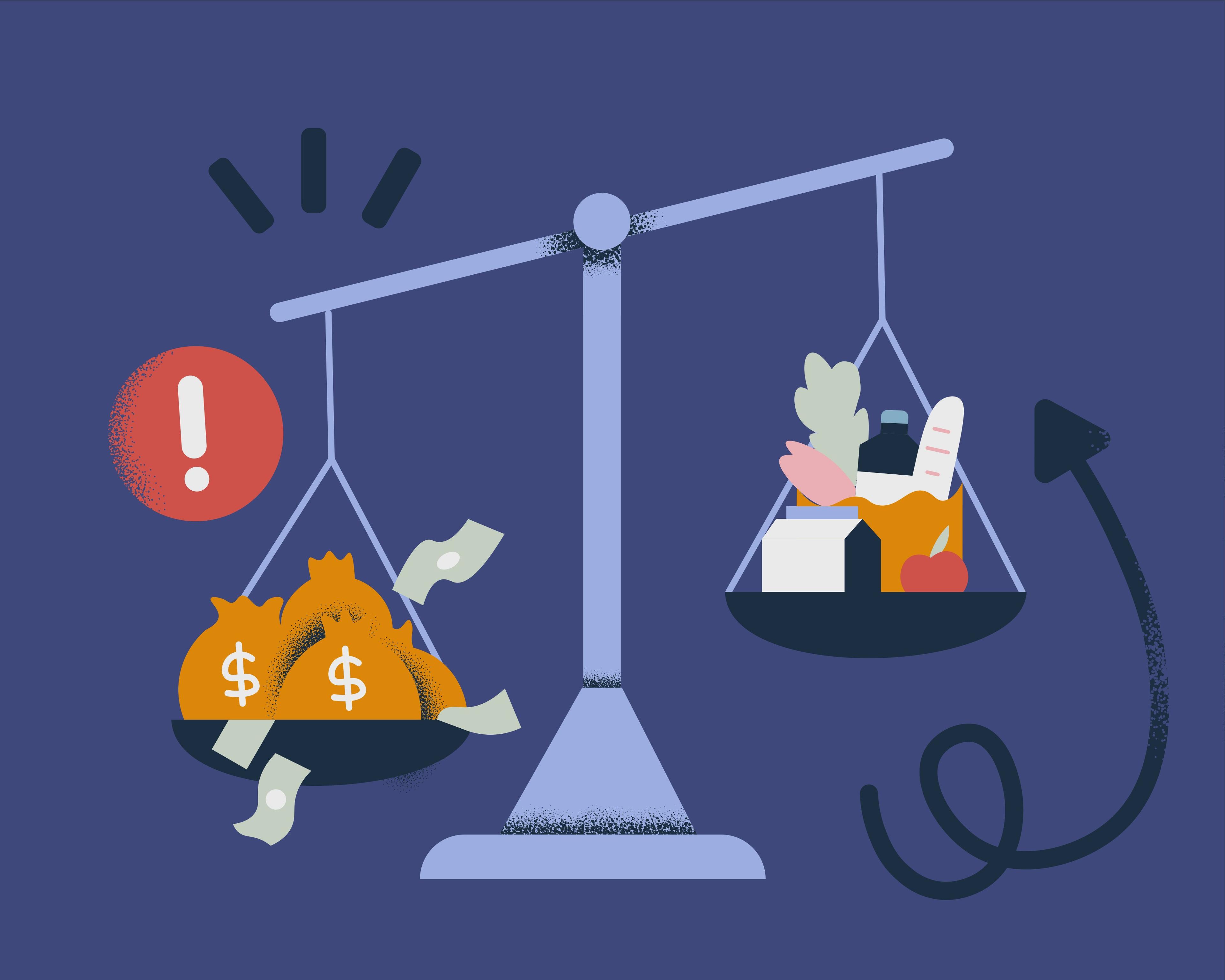
Inflation is often discussed as a single number that rises and falls, but governments do not actually “fix” inflation by targeting a number alone. What they manage is the set of conditions that allow prices to keep climbing across many parts of the economy. When inflation becomes persistent, it changes how households shop, how businesses set prices, how workers negotiate wages, and how investors judge risk. In that sense, inflation is as much about expectations and credibility as it is about supply shortages or consumer demand. A government that wants to control or reduce inflation has to do more than announce concern. It needs a coordinated strategy that addresses demand pressures, cost pressures, and the public’s belief about where inflation is headed.
The starting point is understanding what kind of inflation the economy is experiencing. Demand-driven inflation happens when spending grows faster than the economy’s capacity to produce goods and services at stable prices. Households buy more, firms invest more, credit expands, and shortages appear because factories, logistics, labor supply, and housing stock cannot respond instantly. In this environment, businesses find it easier to raise prices because customers keep buying anyway. Supply-driven inflation looks different. Prices rise because input costs surge due to energy shocks, food shortages, shipping disruptions, currency weakness, or sudden constraints in key sectors such as housing and healthcare. Demand may not be overheating, but consumers still face higher prices because the cost of producing and delivering goods has jumped. These two forces can overlap, and modern inflation episodes often combine both. Still, the diagnosis matters because the most effective tools differ by cause and by timing.
Monetary policy is the central pillar of inflation control in most economies, even when the government itself does not directly set interest rates. Central banks raise policy rates to reduce borrowing and cool spending, which weakens demand and limits how much pricing power firms can exercise. Higher rates also tend to support the currency, which reduces imported inflation in countries that rely heavily on foreign goods, energy, and food. Monetary tightening works with a lag, sometimes many months, and that lag can frustrate voters and politicians. Yet the lag is part of why credibility matters. If households and firms believe inflation will fall, they behave differently today. Workers moderate wage demands, firms become more cautious about raising prices, and consumers stop rushing to buy “before prices go up again.” The fastest route to lower inflation is often through expectation management backed by visible commitment.
This is where governments come in. Even in countries with independent central banks, governments shape the environment in which monetary policy succeeds or fails. If the central bank tightens while fiscal policy remains highly expansionary, the policy mix becomes inconsistent. The central bank is trying to slow demand while the government is injecting demand through spending, transfers, or large stimulus packages. That does not make disinflation impossible, but it often makes it slower and more painful because interest rates may need to rise higher to achieve the same cooling effect. The consequence can be heavier debt servicing costs, higher risk of financial stress, and a longer period of subdued growth.
Fiscal policy, therefore, is not only about budgets or deficits. It is part of inflation management. A government that wants to reduce inflation can slow the growth of discretionary spending, delay non-urgent projects, and avoid broad-based transfers that lift consumption across the entire income distribution during an inflationary period. This does not mean a government should simply cut spending without regard for social impact. The more disciplined approach is to shift from broad stimulus to targeted support that protects households most affected by inflation while reducing net demand pressure overall. If fuel and food prices are surging, temporary and means-tested assistance can help lower-income households maintain basic living standards without creating a new wave of generalized spending that keeps inflation high.
The temptation in many countries is to use price controls and large subsidies because they deliver immediate, visible relief. When the public sees a cap on fuel prices or a ceiling on staple foods, it can feel like the government is acting decisively. The problem is that price controls often treat symptoms while creating new distortions. If prices are capped below market levels, demand can increase while supply may shrink, leading to shortages, black markets, or a decline in quality. Subsidies can also become fiscally expensive, and if they are financed through deficits, the inflation pressure can return through higher aggregate demand or weaker currency confidence. Even when subsidies are affordable in the short term, they can create expectations that the state will always absorb shocks, making reforms harder when conditions change. If a government uses price interventions at all, the most defensible versions are limited in time, transparently funded, and paired with reforms that reduce the underlying cost pressures.
The most durable way to reduce inflation is often to expand effective supply in areas where scarcity is structural. Housing is a prime example because housing costs can drive inflation for years, not months. If rents rise because there are not enough homes in the right places, interest rate hikes can cool speculative demand, but they do not add housing stock. Housing inflation falls sustainably when governments align planning approvals, land release, construction capacity, infrastructure rollout, and public housing or affordable housing pipelines with long-term population and household formation trends. This is slower than a headline-grabbing price cap, but it prevents repeated cycles where housing costs re-accelerate each time demand recovers.
Energy and food supply resilience also matters, especially for countries that import most of their essentials. Energy inflation can spread through the entire economy because fuel and electricity costs affect transport, manufacturing, refrigeration, and services. Governments can reduce vulnerability by diversifying energy sources, improving grid reliability, and strengthening procurement strategies so sudden shocks do not instantly hit consumers. Food inflation can be moderated through diversified import channels, strategic stockpiles where appropriate, and investments in logistics and cold chain infrastructure. These are not quick fixes, but they reduce the probability that global shocks become prolonged domestic inflation.
Competition policy is another inflation lever that governments often overlook. When markets are highly concentrated, firms may have more room to raise prices quickly and maintain higher margins, especially when consumers believe inflation is everywhere anyway. Strong competition enforcement, easier market entry for new players, and reduced regulatory barriers can weaken this pricing power over time. Increased transparency can also help. In sectors where pricing is complex or opaque, such as certain services, retail distribution, or professional fees, consumers struggle to compare value, and firms can raise prices with less resistance. Improving transparency and lowering barriers to switching providers can put downward pressure on prices without direct government price setting.
Labor market policy also influences inflation, but it is a sensitive area because wages are both a cost for employers and the primary source of income for households. Trying to suppress wages directly to control inflation can backfire politically and economically, especially if it undermines living standards or reduces incentives to build skills. A more sustainable approach is to improve labor supply and productivity so wage growth can occur without fueling price growth. Governments can expand labor force participation through childcare support, encourage reskilling and training in sectors where shortages are severe, and design immigration frameworks that address acute labor gaps while maintaining social cohesion. Productivity improvements reduce unit labor costs, allowing firms to pay better wages without needing to raise prices as aggressively. In that sense, productivity policy is not only a growth agenda. It is also a long-term inflation management strategy.
Exchange rates play a major role in inflation for open economies. If a currency depreciates, imported goods become more expensive, and inflation can rise quickly through food, fuel, machinery, and consumer products. Governments cannot always control exchange rates directly, but they can influence the conditions that support currency stability, including fiscal credibility, regulatory predictability, institutional trust, and reserve adequacy. In economies that manage the exchange rate as part of monetary policy, currency strength can be an anti-inflation tool, but it also shapes competitiveness and growth. The tradeoff is real: a strong currency can lower inflation by reducing import costs, but it can also challenge exporters. Effective inflation control requires acknowledging these tradeoffs rather than pretending there is a free solution.
Communication is often treated as an accessory to policy, but in inflation management it can be a core instrument. Inflation becomes harder to reduce when expectations become unanchored, meaning people stop believing prices will stabilize. Once that happens, households accelerate purchases, firms raise prices preemptively, and workers demand larger wage increases as protection. Governments and central banks can reduce this risk by communicating clearly about what is driving inflation, what tools are being used, and what the expected timeline looks like. Clear communication is not simply messaging. It is a commitment device. When the public sees consistent action matching the narrative, expectations stabilize sooner, and disinflation requires less economic damage.
Even with good tools, the sequencing of actions often determines success. Short-term relief can be justified during sharp shocks, but it should not become a substitute for tightening demand where necessary and fixing supply constraints where possible. Monetary policy can cool inflation, but it works best when fiscal policy does not fight it. Structural reforms, such as boosting housing supply or improving competition, take time, which is why they should begin early rather than waiting until inflation feels entrenched. Governments that manage inflation well tend to combine near-term stabilization with medium-term reform, instead of oscillating between panic interventions and political denial.
There is also the question of financial stability. Aggressive tightening can reduce inflation, but it can stress leveraged households, weak corporate balance sheets, and overextended property markets. Governments can reduce collateral damage by strengthening supervision, tightening lending standards during booms, and ensuring banks are resilient before inflation shocks hit. During disinflation, targeted stability tools can prevent disorderly failures without undermining the overall tightening stance. The goal is not to keep credit flowing at all costs. It is to keep the system functioning while allowing policy to reduce inflation.
Ultimately, the government’s role in controlling inflation is best understood as building a coherent policy environment. Monetary policy anchors expectations and cools demand. Fiscal policy supports that stance by avoiding unnecessary demand injections while providing targeted protection for those most vulnerable. Supply-side measures reduce the structural bottlenecks that repeatedly push prices upward, especially in housing, energy, and food. Competition and productivity reforms limit the persistence of inflation by reducing market power and lowering unit costs. Exchange rate and institutional credibility help prevent imported inflation from compounding domestic pressures. When these elements align, inflation tends to fall more smoothly and with fewer shocks.
Inflation control is rarely a single dramatic move. It is a sustained commitment to consistency, credibility, and coordination. Governments that treat inflation as a systems problem rather than a headline problem are more likely to reduce it without destabilizing the economy. The political challenge is that some of the most effective measures are not instantly visible. They require discipline in budgeting, patience with monetary transmission, and long-term investment in supply resilience. Yet that quiet discipline is often what separates temporary relief from lasting price stability.
 WhatsApp
 Instagram
 Threads