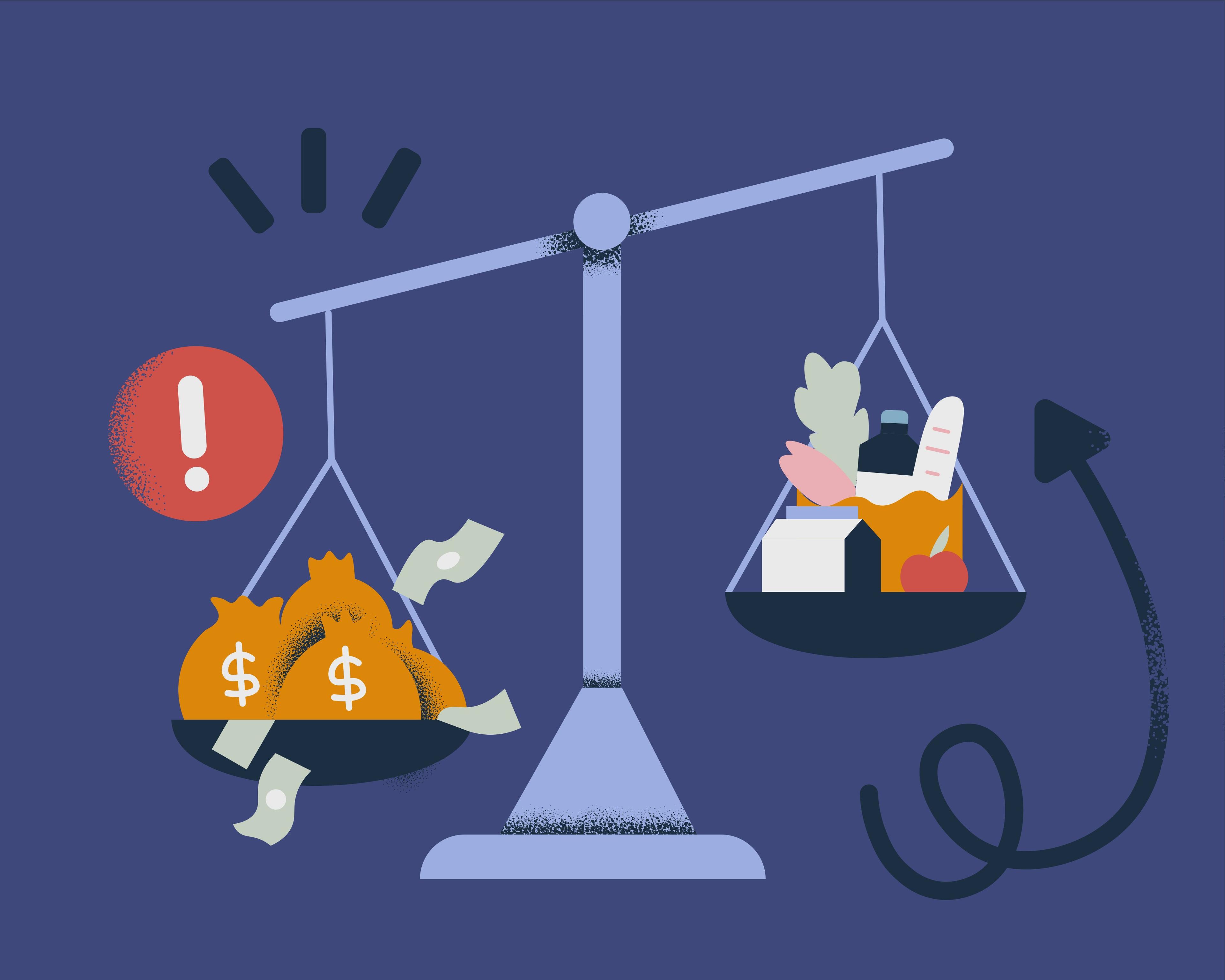
Countries do not accumulate debt because they are careless by default. In most cases, sovereign debt builds up the way pressure builds in a system: gradually, through routine decisions, unexpected shocks, and financing costs that compound over time. A government borrows to cover a gap, then borrows again to keep services running, then borrows to manage the consequences of earlier borrowing. Eventually, the debt level becomes a headline, but the real story is usually a chain of economic forces and policy incentives that made borrowing the easiest option in each moment.
The most direct driver is a persistent mismatch between government spending and government revenue. When a country spends more than it collects in taxes and other income, the difference must be financed. One year of deficit spending is not unusual, especially during a downturn or after a crisis, but debt accumulation becomes more likely when deficits are structural. Structural deficits occur when the baseline cost of running the state is already higher than what the state can reliably raise without major policy changes. Long-term commitments such as pensions, healthcare support, subsidies, public sector salaries, and ongoing welfare programmes often grow over time, and once citizens depend on them, cutting them becomes politically and socially difficult. If the tax base does not expand fast enough to keep pace with those commitments, the government fills the gap through borrowing, and the debt stock rises almost automatically.
Economic cycles intensify this problem because recessions hit both sides of the fiscal equation at the same time. When the economy slows, tax revenue falls because companies earn less, households spend less, and employment weakens. At the same time, the need for government support increases as people lose jobs, incomes drop, and businesses require relief. Even governments that prefer balanced budgets often borrow during recessions to prevent deeper economic damage. In principle, borrowing during downturns can be a stabilising policy choice, but it still results in higher debt. If a recovery is slow or uneven, the country may not regain enough growth momentum to stabilise its debt level relative to the size of the economy, so the higher debt becomes locked in.
The cost of financing is another major factor, and it can transform manageable debt into accelerating debt. Countries borrow by issuing bonds or taking loans, and these debts require interest payments. When interest rates are low, it can be relatively easy for a government to refinance maturing debt and service existing obligations. When interest rates rise, the same debt becomes more expensive to carry. New borrowing costs more, and refinancing old debt can also become costlier as bonds mature and need to be rolled over at higher yields. Interest payments then consume a larger share of government revenue, leaving less money for public services and investment. In some cases, the government responds by borrowing more simply to cover interest costs, which creates a feedback loop where debt grows partly because debt already exists.
Inflation and exchange rates add another layer of complexity. If a government borrows in its own currency and has long-term, fixed-rate debt, inflation can reduce the real value of that debt over time. This can appear to ease the burden, but inflation also tends to raise interest rates and can undermine confidence, which pushes borrowing costs higher and shortens the time horizon lenders are willing to accept. The situation becomes more fragile when a country borrows in foreign currency. Foreign currency debt introduces a risk that many people overlook: if the domestic currency weakens, the cost of servicing foreign debt rises in local terms. A country can then face a scenario where its debt does not increase in foreign currency, but the domestic burden grows rapidly because the exchange rate moves against it. This dynamic has played a central role in many sovereign debt crises, especially in countries that depend on external financing.
External conditions matter because sovereign debt is not only about domestic budgets. It is also about access to capital and the stability of capital flows. Countries that run current account deficits, import essential goods, or rely heavily on foreign investment are often more exposed to global shifts in investor sentiment. When global interest rates rise or when markets become risk-averse, capital can leave emerging markets quickly, making it harder and more expensive to refinance debt. If a country must pay external obligations or finance imports in foreign currency, it may borrow more, use foreign reserves, or tighten policy in ways that slow growth. Any of these responses can contribute to debt accumulation, either directly through additional borrowing or indirectly by weakening the economic base that supports repayment.
Political incentives are a quieter but powerful contributor. Public spending is visible, immediate, and often popular. The benefits of new programmes, subsidies, infrastructure projects, and tax cuts can be felt quickly, while the costs of borrowing are spread over time. Debt servicing tends to be less visible to voters than a new hospital or a lower tax rate, even though it can constrain future budgets. This creates a bias toward policies that deliver short-term gains and postpone difficult tradeoffs. In competitive political environments, leaders may also be reluctant to raise taxes or reduce spending, especially if they expect opponents to use austerity measures as a campaign weapon. Over time, these incentives can make chronic deficits more likely, particularly in systems where coalition politics, polarisation, or institutional gridlock makes long-term fiscal reforms hard to execute.
Demographics can push debt higher in ways that feel gradual until they become unavoidable. An ageing population increases spending pressures in pensions, healthcare, and long-term care while shrinking the proportion of working-age citizens who generate tax revenue. Even if policy remains unchanged, this demographic shift can widen deficits. Younger countries can face a different risk: they may borrow aggressively to fund education, housing, and infrastructure, assuming future growth will cover the cost. If productivity does not rise, if labour markets do not absorb new workers efficiently, or if investment projects are poorly chosen, the expected growth dividend may not materialise, leaving the country with larger liabilities but limited additional revenue capacity.
Another key factor is the presence of hidden or contingent liabilities. The official debt number often captures central government borrowing, but states frequently carry obligations that are not counted until something goes wrong. Governments may guarantee the debts of state-owned enterprises, backstop large infrastructure projects, or implicitly promise to rescue banks during financial crises. When a state enterprise cannot repay its loans, or when a banking system faces collapse, governments often step in to prevent broader economic damage. These rescues can be necessary, but they convert private or quasi-public liabilities into explicit sovereign debt. From the outside, it may look like the government suddenly took on a huge amount of debt, but the risk existed already. It simply moved from the shadows to the balance sheet.
Shocks such as natural disasters, pandemics, and wars also drive debt accumulation, though their impact depends on how prepared a country is and how it finances emergency spending. A government that can borrow domestically in its own currency, with deep local capital markets and strong institutional credibility, can spread the costs over time with less risk of destabilising the economy. A government with weaker credibility or limited market access may be forced into short-term borrowing, external loans, or emergency assistance under tight conditions. The same crisis can therefore produce very different debt outcomes depending on the country’s fiscal buffers, governance capacity, and financial system resilience.
Institutional strength affects debt dynamics because it shapes how effectively a government collects revenue and how efficiently it spends. Weak tax administration, widespread evasion, corruption, and wasteful procurement reduce the state’s ability to fund services through stable revenue. On the spending side, if projects routinely run over budget, if subsidies are poorly targeted, or if public programmes are expanded without clear funding plans, deficits become persistent. In such environments, borrowing becomes a substitute for operational discipline. Debt accumulates not necessarily because the policy goals are unreasonable, but because execution failures widen the gap between intent and affordability.
The structure of the debt itself can also contribute to faster accumulation. Short-term debt requires frequent refinancing, which exposes a country to market volatility. When lenders are confident, rolling over debt can feel routine. When confidence weakens, refinancing can become expensive or impossible, forcing emergency measures that often increase total borrowing. Longer maturity debt can reduce rollover risk, but lenders usually demand credibility, stable inflation, and reliable institutions before they are willing to commit for long periods at reasonable rates. Countries that lack those conditions may be pushed toward short maturities or foreign currency borrowing, which increases fragility and makes future debt accumulation more likely.
Perhaps the most important distinction is how borrowed funds are used. Debt accumulated to finance investments that raise productivity and future revenue is fundamentally different from debt accumulated to fund recurring consumption. When borrowing builds infrastructure that lowers business costs, improves logistics, strengthens energy stability, or increases workforce skills, the economy may grow faster and generate additional tax revenue, making the debt easier to sustain. When borrowing funds permanent subsidies, oversized wage bills, or low-return projects selected for political optics, the country gains little future capacity while inheriting long-term repayment obligations. In that case, the debt does not act as leverage for growth. It acts as a drag that narrows future options.
Taken together, these factors explain why countries often find themselves on a debt accumulation path without a single dramatic mistake. The process can begin with structural deficits, accelerate during recessions, and become harder to reverse when interest costs rise. Currency risks and external financing needs can magnify the burden, while political incentives encourage postponing painful reforms. Hidden liabilities can surface during crises, and weak institutions can make both revenue collection and spending efficiency inadequate. Debt then compounds, and the country must allocate more of its budget to servicing past choices rather than investing in future strength.
In the end, sovereign debt is less a moral story than a systems story. Countries accumulate debt when the promises they make, the shocks they face, and the financing conditions they rely on drift out of alignment with their economic capacity. Debt can be a sensible tool when it supports productive investment and is managed with credible policy. It becomes a persistent problem when borrowing is used to cover structural gaps, when financing costs rise faster than growth, and when political and institutional constraints prevent timely correction. Understanding these drivers is the first step toward assessing whether a country’s debt is a manageable instrument or a growing constraint.
 WhatsApp
 Instagram
 Threads