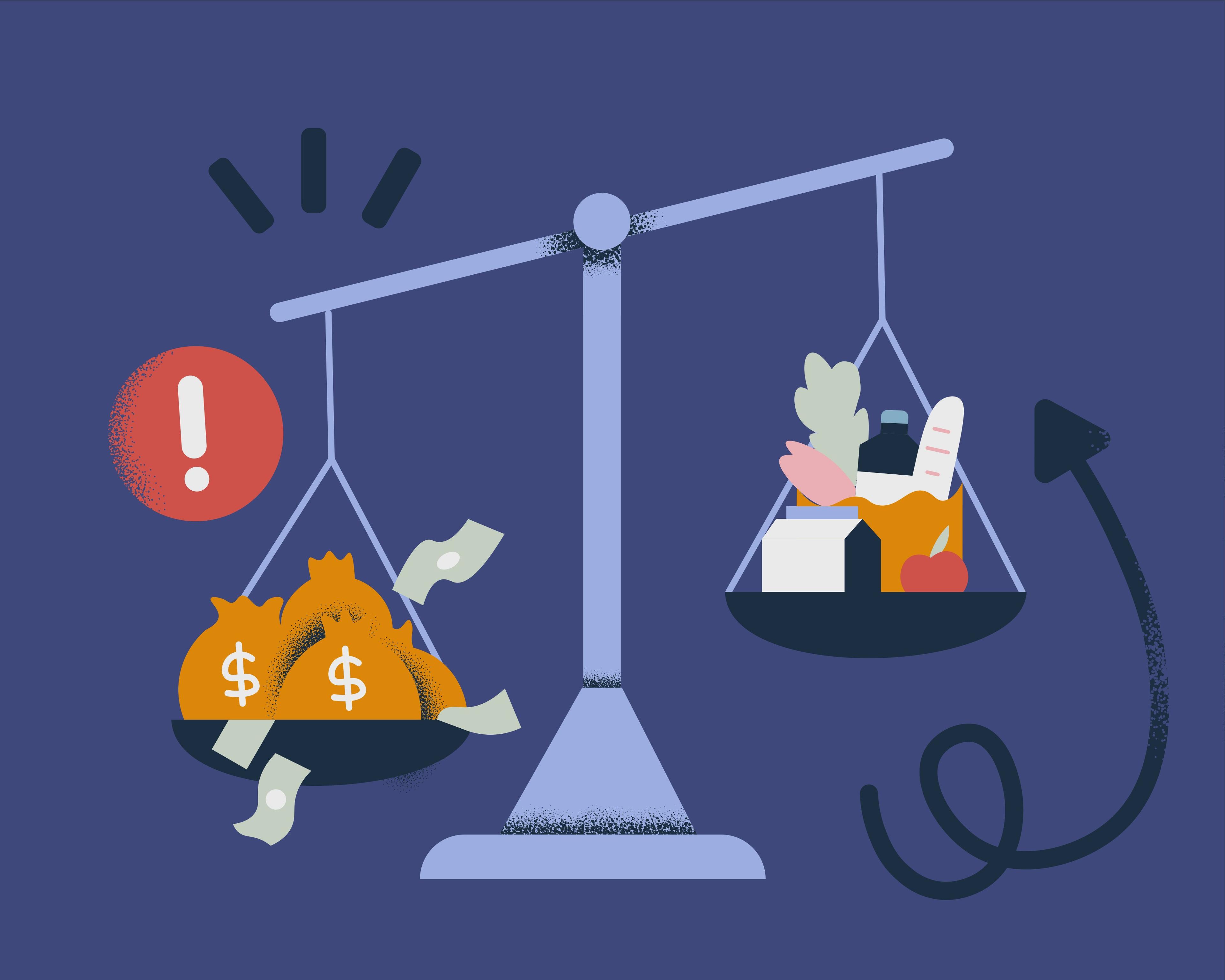
National debt is often discussed as if it is simply a national credit card bill, but its economic effects are far more complex than a household analogy suggests. At its core, national debt is the accumulation of money a government has borrowed over time to fund spending that exceeds its revenue. Borrowing can be a practical and even necessary tool, especially during recessions, emergencies, or periods when a country wants to invest heavily in long-term development. At the same time, debt can become a burden if it grows faster than the economy, becomes expensive to service, or erodes confidence in a government’s ability to manage its finances. The impact of national debt on a country’s economy depends less on the existence of debt itself and more on how large it is relative to the economy, how it is financed, and whether borrowing supports sustainable growth.
One of the most immediate ways national debt affects an economy is through the cost of borrowing. When a government issues bonds to finance its spending, it must pay interest to investors. As debt grows, interest payments often rise too, and these payments become a regular part of the national budget. Over time, a larger share of public funds may be directed toward servicing debt rather than supporting public services or development projects. This matters because governments have limited resources, and every ringgit, pound, or dollar spent on interest is money not available for healthcare, education, infrastructure, or targeted support during economic downturns. When debt levels are high and interest rates increase, debt servicing can rise quickly, tightening fiscal space and limiting a government’s ability to respond to new challenges.
National debt can also influence interest rates across the broader economy. In some situations, heavy government borrowing increases demand for funds in financial markets, potentially pushing up interest rates. When interest rates rise, it becomes more expensive for businesses to finance expansion and for households to borrow for homes, cars, or education. Higher borrowing costs can slow investment and consumer spending, which may reduce economic growth. While this effect varies depending on the country’s financial system and monetary policy environment, it highlights a key point: government financing decisions can shape the overall price of money in the economy, which then affects economic activity at every level.
Another major economic channel is investor confidence. Investors do not only look at how much a country owes, but also whether it appears capable of managing its obligations in a stable and credible way. If investors believe a government is taking on too much debt without a clear plan to stabilise it, they may demand higher interest rates to compensate for perceived risk. In more severe cases, investors may reduce exposure to that country’s bonds or currency altogether. When confidence weakens, borrowing costs rise, the currency may depreciate, and inflationary pressures can increase, particularly in countries that rely heavily on imports. This can create a difficult cycle where higher rates and weaker growth make it even harder to manage debt.
The relationship between national debt and inflation is especially important. In countries that borrow primarily in their own currency, governments are less likely to face a traditional default risk because they can, in principle, create more currency to meet obligations. However, relying on money creation or excessive monetary support to manage debt can weaken the purchasing power of the currency and fuel inflation. Inflation reduces real incomes, distorts business planning, and can undermine long-term investment. Even if a country avoids default, persistent inflation can become another form of economic damage linked to the perception that debt is being handled in ways that reduce currency stability.
For countries that borrow significantly in foreign currency, the risk can be sharper. Foreign currency debt must be repaid in currencies such as the US dollar or euro, which means exchange rate movements can dramatically change the real cost of repayment. If the local currency weakens, servicing foreign debt becomes more expensive, putting pressure on government finances and foreign reserves. This can force governments into spending cuts or tax increases during periods when the economy is already weak. In such cases, debt can contribute to slower growth not only through higher financing costs, but also through policy choices that prioritise short-term stabilisation over long-term investment.
National debt also affects an economy through what it finances. Borrowing that funds productive investment can strengthen the economy’s ability to repay debt over time. Infrastructure that improves logistics, digital connectivity, and energy reliability can increase productivity, support private-sector growth, and broaden the tax base. In contrast, borrowing that mainly finances short-term consumption or inefficient spending may not generate returns that support long-term repayment. When debt is used without improving the economy’s underlying capacity, it can leave future budgets strained without creating the growth needed to carry the burden more comfortably.
Over the long run, the most important measure is whether debt remains sustainable relative to economic growth. When an economy grows strongly, a country may be able to carry a higher level of debt because national income and tax revenues rise. If growth is weak while borrowing costs are high, debt becomes harder to manage because interest expenses rise faster than the economy’s ability to generate revenue. Governments may then face difficult trade-offs such as raising taxes, cutting spending, or reducing investment. These actions can slow growth further, creating a cycle where debt pressures contribute to long-term economic stagnation.
National debt also has political and social implications that feed back into the economy. As debt rises, governments may face rising public pressure over who should bear the cost of repayment. Tax increases can be unpopular, spending cuts can reduce living standards, and inflation can erode purchasing power. When the political environment becomes unstable, markets may become more cautious, and economic confidence can weaken. Businesses may delay investment, hiring may slow, and households may become more conservative in spending. In this way, debt can affect the economy not only through direct financial channels, but also through uncertainty and shifts in expectations.
Despite these risks, national debt is not automatically harmful. Debt can be a stabilising tool during recessions, preventing deeper economic damage by supporting employment and demand. It can also help fund transformative projects that strengthen the economy over time. The key is whether borrowing is managed within a credible framework, supported by realistic budgets, effective institutions, and policies that promote growth. Countries with strong credibility, deep financial markets, and stable investor confidence can often carry higher debt without immediate crisis, although high debt can still reduce long-term flexibility and increase vulnerability to shocks.
In the end, national debt affects a country’s economy by shaping how much freedom the government has, how much it must spend on interest, and how markets view the country’s financial stability. When debt is affordable, well managed, and used for productive purposes, it can support economic resilience and long-term development. When debt becomes expensive, poorly structured, or linked to weak growth and unstable policy, it can limit national choices and slow economic progress. The most accurate way to view national debt is as a powerful tool that can either strengthen an economy or constrain it, depending on how responsibly it is used and how effectively the country maintains the confidence needed to sustain it.
 WhatsApp
 Instagram
 Threads