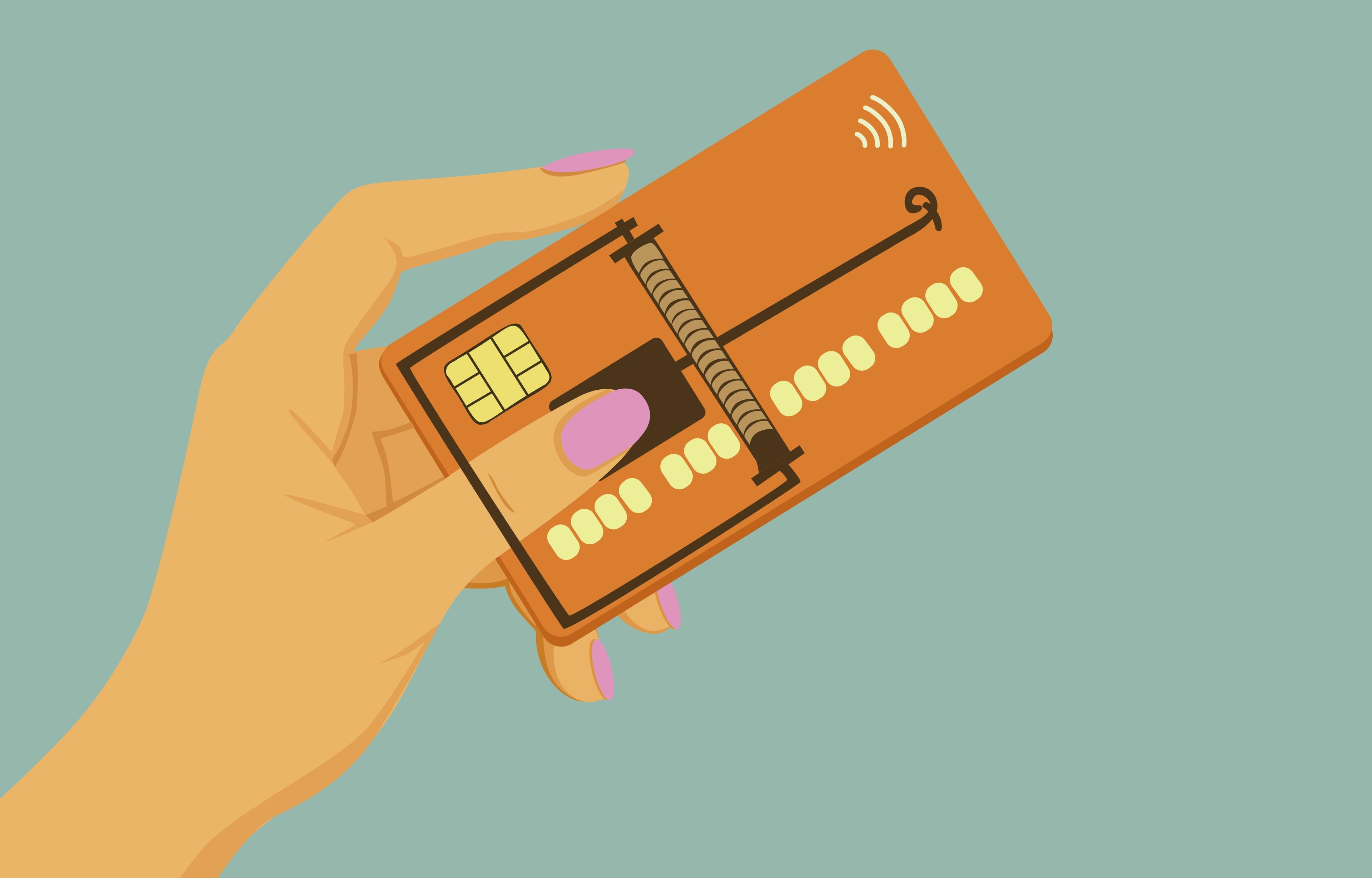
Using a credit card less can feel like an instant upgrade to your financial discipline, but the real effects tend to show up in quieter, more practical places. It changes how you experience spending, how your monthly cash flow behaves, and in some cases how your credit profile looks over time. The outcome is not automatically good or bad. It depends on what “less” means in your daily life and what you replace the card with.
For many people, the first shift is psychological rather than numerical. A credit card creates distance between a purchase and the moment you feel the cost. When you swipe, you get the product now and deal with the payment later. When you use the card less and move more spending to debit or direct transfers, the cost becomes immediate. Money leaves your account right away, so you feel the impact of each transaction in real time. This can reduce impulse spending because the tradeoff is clearer. Instead of thinking in abstract future payments, you see today’s balance change. That immediacy can be a powerful guardrail, especially if you have been using credit as a way to soften the discomfort of overspending.
At the same time, that immediacy can also create friction if your income and expenses do not line up neatly. Credit cards smooth timing. They allow you to handle bills and necessities even when your payday is still a week away. If you use your card less, you may notice that your bank account needs a stronger buffer. People who live close to the edge of their monthly cash flow sometimes mistake the discomfort of timing for “progress,” when what they actually need is a better system, such as an emergency fund, a clearer bill schedule, or a budget that matches how their income arrives. In that sense, using a credit card less can reveal where your plan is fragile. It forces you to confront whether you are actually short on money or simply short on timing.
Financially, one of the clearest benefits appears when you have been carrying a balance. If using your card less means you borrow less and pay down what you owe, the relief can be immediate. Interest is not just a fee, it is a drag on your future options. When you stop revolving debt, you stop paying for yesterday’s spending with tomorrow’s income. Even small reductions in carried balances can create breathing room. That breathing room often does more than lower the bill. It improves sleep, reduces financial anxiety, and makes saving feel possible again. In that scenario, using your credit card less is not a lifestyle choice. It is a strategy to stop leaking money.
If you already pay your balance in full every month, the savings on interest may be minimal because you were not paying interest in the first place. Your decision then becomes more about control and tradeoffs. One tradeoff is rewards. When you swipe less, you earn fewer points, miles, or cashback. This is not necessarily a loss if your previous reward chasing encouraged extra spending, but it can change your routine if you were earning meaningful returns on necessary purchases. Rewards should never be the main reason to spend, yet it is still worth acknowledging that your card may have been providing value through perks that quietly disappear when usage drops.
Another tradeoff involves protections. Credit cards often make disputes and chargebacks easier because the transaction is essentially a promise to pay rather than cash that has already left your account. When you use debit more often, fraudulent charges can feel more disruptive because your money is taken immediately. Using a card less may reduce how often your card details are shared across merchants, but it does not erase fraud risk entirely. A single compromised merchant or data leak can still cause issues. What changes is how you prefer that risk to land. Some people feel calmer knowing their bank balance is less exposed to merchants. Others feel calmer keeping purchases on credit because disputes are less likely to interfere with bill money. Either preference can be valid. The point is to be conscious of what you are choosing.
The biggest misunderstanding is the fear that using a credit card less will automatically damage your credit score. In reality, it is not “less usage” that causes problems. It is what happens to your account when it becomes inactive or when your available credit shrinks. If you spend less and keep your balance low, your credit utilization can improve because you are using a smaller portion of your limit. That can be positive. But if you stop using a card entirely for long periods, some issuers may lower your limit or close the account for inactivity consider it unnecessary risk on their side. If a line closes, your total available credit drops, and your credit profile may look different because the same balances on other cards now represent a larger percentage of your remaining limit. In other words, you can do the “right” thing in your mind and still see a shift on paper, not because you became risky, but because the structure of your available credit changed.
This is why the most stable version of using a credit card less is rarely a complete stop. It is controlled usage paired with clean repayment. Many people find a calm middle path by keeping one or two small recurring charges on the card to keep it active, then paying the statement in full automatically each month. The card stays alive, your utilization stays low, and your payment history stays strong, without the card becoming a tool for overspending. This approach also keeps the credit line available as a safety buffer, which can matter if you plan to apply for housing, relocate, or make a major purchase in the next year or two. Credit is most valuable when you have it and do not need it.
Ultimately, using your credit card less works best when it is tied to a clear intention. If the goal is to spend less overall, you may see savings rise and your financial life become more predictable. If the goal is to borrow less, you may reduce interest costs and reclaim future income. If the goal is to feel more in control, you may find that the real solution is not a strict ban on credit but a system that limits temptation and removes uncertainty. A credit card is not inherently a trap or a shortcut. It is a tool. When you use it lightly, pay it fully, and keep your accounts healthy, using it less can make you stronger without making you smaller.
 WhatsApp
 Instagram
 Threads