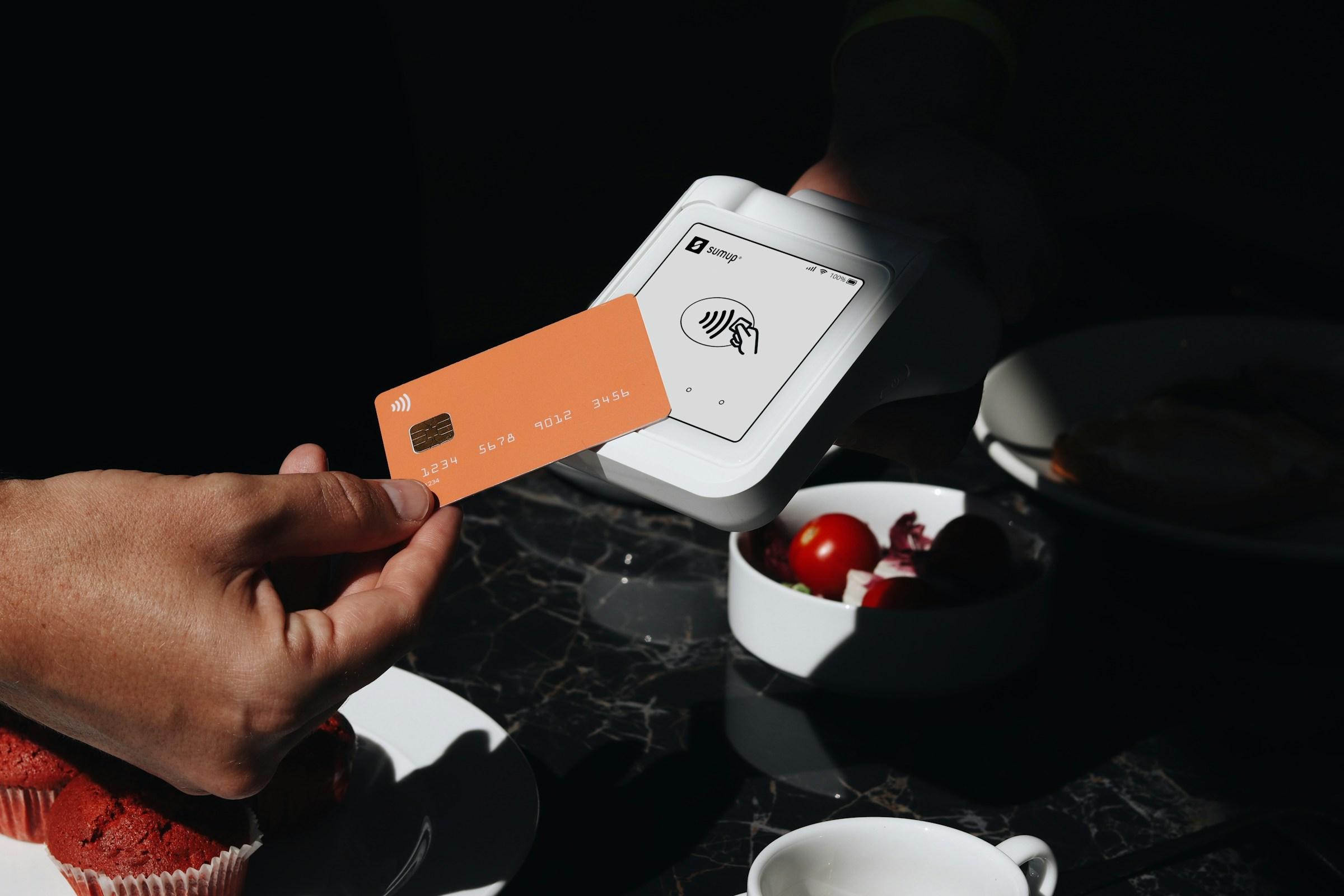
Buy now, pay later has quietly transformed from a quirky fintech feature into something that appears on almost every checkout page, whether you are buying sneakers, booking a flight, or ordering groceries through an app. The idea is simple. Instead of paying the full amount upfront, you split the purchase into several fixed installments, often with no interest as long as you pay on time. As BNPL providers expand across borders and industries, this payment method is doing more than just tempting people to spend. It is reshaping how consumers all over the world handle short term expenses and how businesses manage sales, risk, and cash flow.
For many younger consumers, especially Gen Z and millennials, traditional credit cards never felt particularly friendly. Interest charges are opaque, fee structures are confusing, and approval processes often reward people who already fit a conventional financial profile. BNPL does not erase these issues, but it offers a different approach. Instead of giving you a revolving line of credit that can linger for years, it allows you to break a specific purchase into predictable installments. From the user’s perspective, that feels more like an agreement with your future self than a long term debt commitment that can silently grow with interest.
This structure can be helpful for people with irregular income. A student, freelancer, or gig worker might find it stressful to pay for a big ticket item in one go when their monthly cash flow rises and falls. With BNPL, the impact of a single purchase can be spread over several pay cycles. When BNPL providers operate at a global scale, offering the same basic model across many merchants and platforms, it becomes easier for consumers to build their month around known payment dates. Instead of being derailed by one large expense, they can integrate that cost into their ongoing cash flow planning.
The benefits of BNPL can be even more pronounced in regions where formal credit is limited or underused. In parts of Southeast Asia, Africa, and the Middle East, credit card penetration remains relatively low compared to developed markets. Many people rely on debit cards, prepaid wallets, or even cash on delivery for online shopping. BNPL adds a layer of flexibility on top of these existing options. A customer can upgrade a smartphone, buy a laptop for school, or pay for a flight without needing a traditional credit card or a long history with a bank. For the underbanked, global BNPL expansion becomes a bridge into digital financial systems, giving them access to structured credit for specific purchases rather than forcing them to navigate fully fledged loan products.
There is also an important data element behind these simple installment plans. Every on time repayment is a signal about how reliable a buyer is. When BNPL providers aggregate this data and use it responsibly, they can help people who have thin or non existent credit files begin to build a track record of good behavior. A young worker who has never had a credit card might still show a pattern of punctual repayments across dozens of small BNPL purchases. If regulators and credit bureaus find ways to incorporate this information safely, BNPL history can become more than an isolated payment record. It can serve as a stepping stone toward more formal credit access, rather than a parallel system that never connects to the mainstream.
The benefits of global BNPL expansion are not confined to consumers. Merchants have strong reasons to welcome it too. One of the classic problems in ecommerce is cart abandonment. People browse, fill their basket, then disappear at the payment step because the total feels too heavy. Offering BNPL at checkout removes part of that friction. When the screen shows a smaller first installment instead of the full price, the purchase feels less intimidating. Shoppers still see the total, but they also see a path that aligns better with their current cash situation. This can convert hesitation into action, lifting overall conversion rates.
Average order value often rises for similar reasons. A shopper who might have limited themselves to a basic model of a product may be more willing to choose a slightly better version if the difference is divided over four or six payments rather than paid upfront. When this behavior repeats across thousands of customers, the impact on revenue becomes noticeable. For mid ticket items that are too large to be impulse buys but too small to justify a personal loan, BNPL fills a useful gap. It allows businesses to sell more without requiring their customers to have a thick wallet or a premium credit card.
From the merchant’s financial perspective, BNPL can also improve cash flow. In many BNPL arrangements, the provider pays the merchant the full purchase amount upfront, minus a fee, and then collects the installments directly from the customer. The buyer gets time to pay, but the seller does not have to wait months to see the money. That upfront payout can be crucial for small and medium sized enterprises, which may struggle with working capital. It is almost like combining a payment gateway with a built in factoring service, allowing shops to smooth their own cash flow while still offering generous terms to their customers.
Global expansion also matters because it changes the economics of BNPL itself. A provider that operates across multiple countries can spread risk over a larger portfolio, invest more heavily in fraud prevention, and negotiate better commercial terms with large retailers. As a result, the cost to merchants can fall over time, making it more accessible to small businesses. A boutique brand in Manila or Nairobi can end up with a BNPL option on its checkout page that feels just as polished as the one on a global fashion platform. This helps level the playing field between local retailers and international giants.
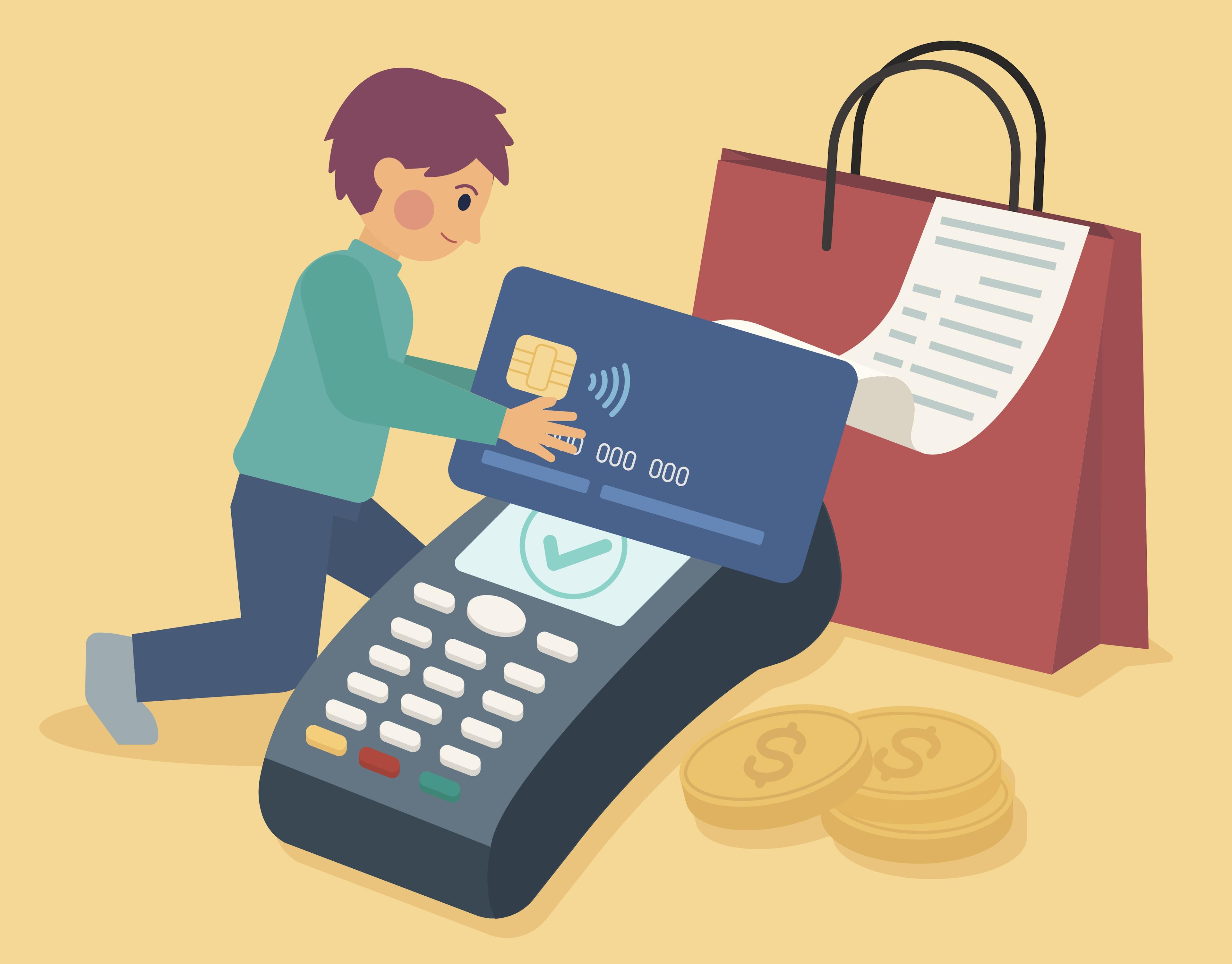
Another area where global BNPL expansion is making an impact is the integration between online and offline shopping. BNPL is no longer confined to ecommerce pages. It shows up in physical stores through QR codes, mobile apps, and point of sale systems that allow customers to scan, tap, and convert an in store purchase into installments within seconds. When the same BNPL provider supports both online and in store channels across many markets, customers can rely on consistent experiences wherever they are shopping. A traveler might use the same BNPL app in their home country and abroad, without needing a new card or separate credit arrangement in each place.
For businesses, this consistency reduces the complexity of handling payments across multiple markets. Instead of stitching together a collection of local credit solutions with different rules and integration requirements, a retailer can partner with one or two global BNPL providers that already understand cross border regulations, know your customer requirements, and consumer behavior. This simplifies integration for technology teams and makes financial outcomes more predictable for the finance department.
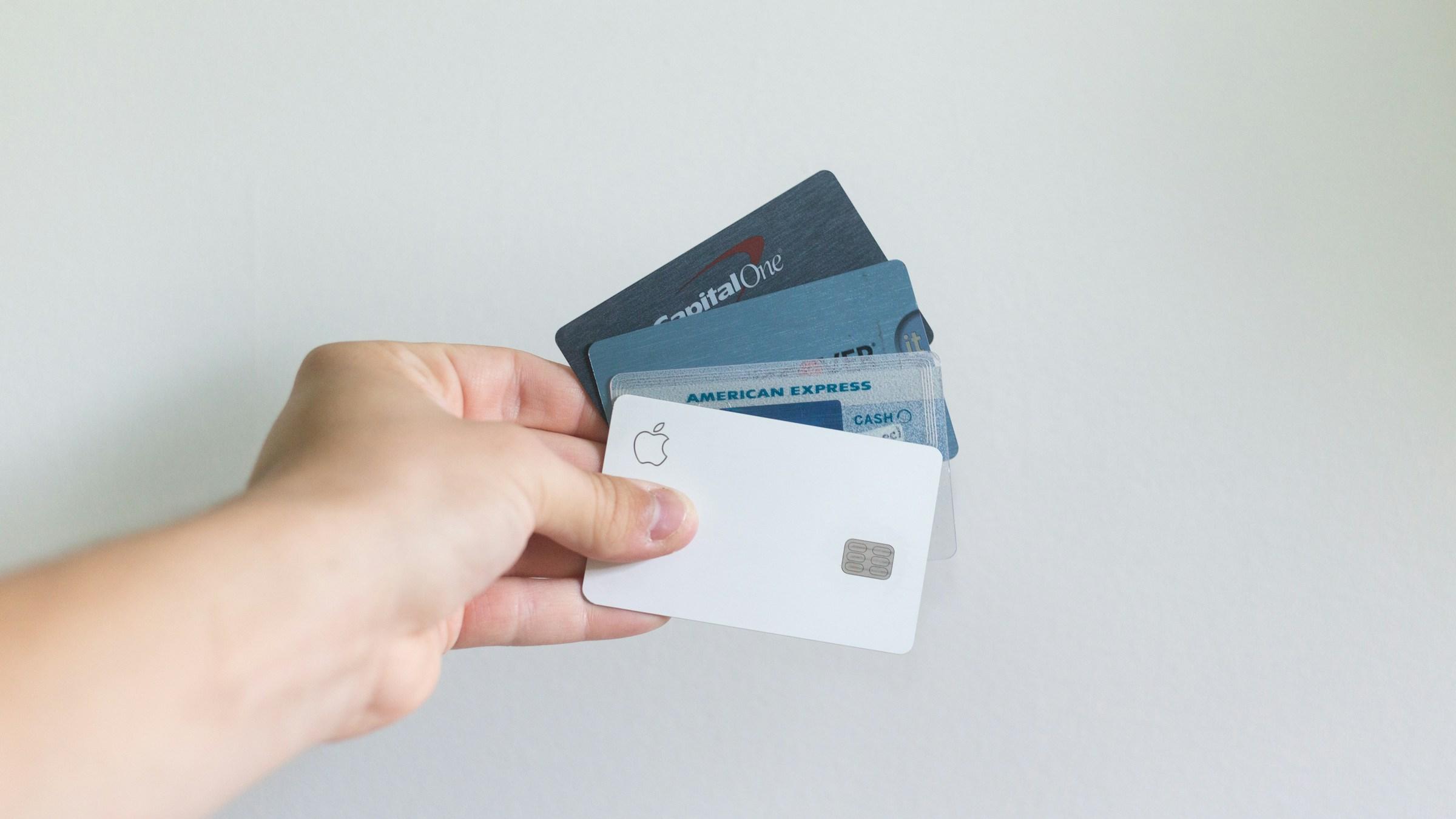
The rise of BNPL also exerts competitive pressure on traditional financial institutions. When millions of users experience instant approval through an app and clear installment schedules for their online purchases, lengthy bank applications and opaque credit card terms begin to look outdated. Banks and card issuers are forced to reconsider how they design and present their products. Some respond by launching their own BNPL style features or partnering with fintechs to integrate installment options into existing cards. In the long run, this competition can push the whole sector toward clearer pricing, more user friendly interfaces, and faster decisions, which benefits consumers and businesses even beyond BNPL itself.
In markets where superapps and digital wallets dominate everyday transactions, BNPL slots naturally into the existing ecosystem. A user might already rely on a single app to call a ride, pay bills, transfer money, and order food. Adding a BNPL feature to that environment turns it into an even more powerful financial hub. Merchants that plug into these superapps can tap into a large user base that trusts the platform and already has payment details on file. When those users can also spread payments for certain purchases, it can deepen their loyalty to both the app and the merchants they regularly support.
Despite these advantages, it is important to acknowledge that BNPL is still a form of credit. If providers make it too easy to stack many installments across multiple purchases, consumers can lose track of how much they owe. The very features that make BNPL appealing, such as low friction onboarding and zero interest plans, can become risky when combined with poor financial habits. The positive story depends heavily on responsible product design. Clear explanations of terms, visible repayment schedules, honest communication about late fees, and realistic spending limits are all necessary to keep the system healthy.
Regulation plays an essential role as BNPL moves from niche experiment to mainstream infrastructure. Authorities in different countries are already exploring rules on affordability checks, transparency, data sharing, and dispute resolution. When done thoughtfully, these regulations do not stifle innovation. Instead, they create guardrails that force providers to align their incentives with long term consumer well being. Because many BNPL companies operate across multiple regions, lessons from one market can quickly influence practices in another. If a particular type of marketing is deemed misleading in one jurisdiction, or if overly aggressive credit limit increases lead to high default rates, that information can shape global policies and risk models.
There is a long term data opportunity that sits behind all this activity. As BNPL connects more shoppers, merchants, and platforms, it generates a rich stream of information about everyday spending patterns. If used ethically and with proper safeguards, this data can power tools that help consumers stay on top of their finances. Imagine an app that not only lists your upcoming installments but also warns you when you are about to take on more obligations than your income can comfortably support. It might suggest waiting a few weeks before starting another plan or prompt you to adjust your budget before a crunch arrives. These are small interventions, but they can make the difference between BNPL acting as a helpful buffer and turning into a hidden source of stress.
For businesses, the same data can guide smarter decisions. A retailer might discover that BNPL usage is particularly strong for specific price ranges, product categories, or seasons. That insight can influence which items they promote, how they bundle products, or where they focus marketing dollars. A travel platform may find that offering BNPL on mid range hotels or family packages has a bigger impact on bookings than extending it to luxury options. With this kind of clarity, merchants can design offers that genuinely align with customer needs rather than simply guessing.
When you put all these threads together, global BNPL expansion looks less like a passing trend and more like a structural shift in how short term credit is offered and consumed. It gives shoppers a way to stretch their cash while staying within clearly defined boundaries, at least when used sensibly. It offers merchants higher conversion, larger basket sizes, and faster access to funds. It nudges traditional financial institutions to modernize and opens doors for people who have long been excluded from formal credit systems.
The challenge is to preserve these benefits while keeping the risks in check. That requires effort from everyone involved. Providers must design products that are easy to understand and hard to abuse. Regulators must keep up with innovation without overreacting. Consumers must treat BNPL as a tool for managing cash flow, not a license to ignore their budget. When these pieces align, global BNPL expansion has the potential to be a genuine upgrade in how money moves between consumers and businesses around the world, making everyday financial life a little more flexible and a little less intimidating.
 WhatsApp
 Instagram
 Threads