


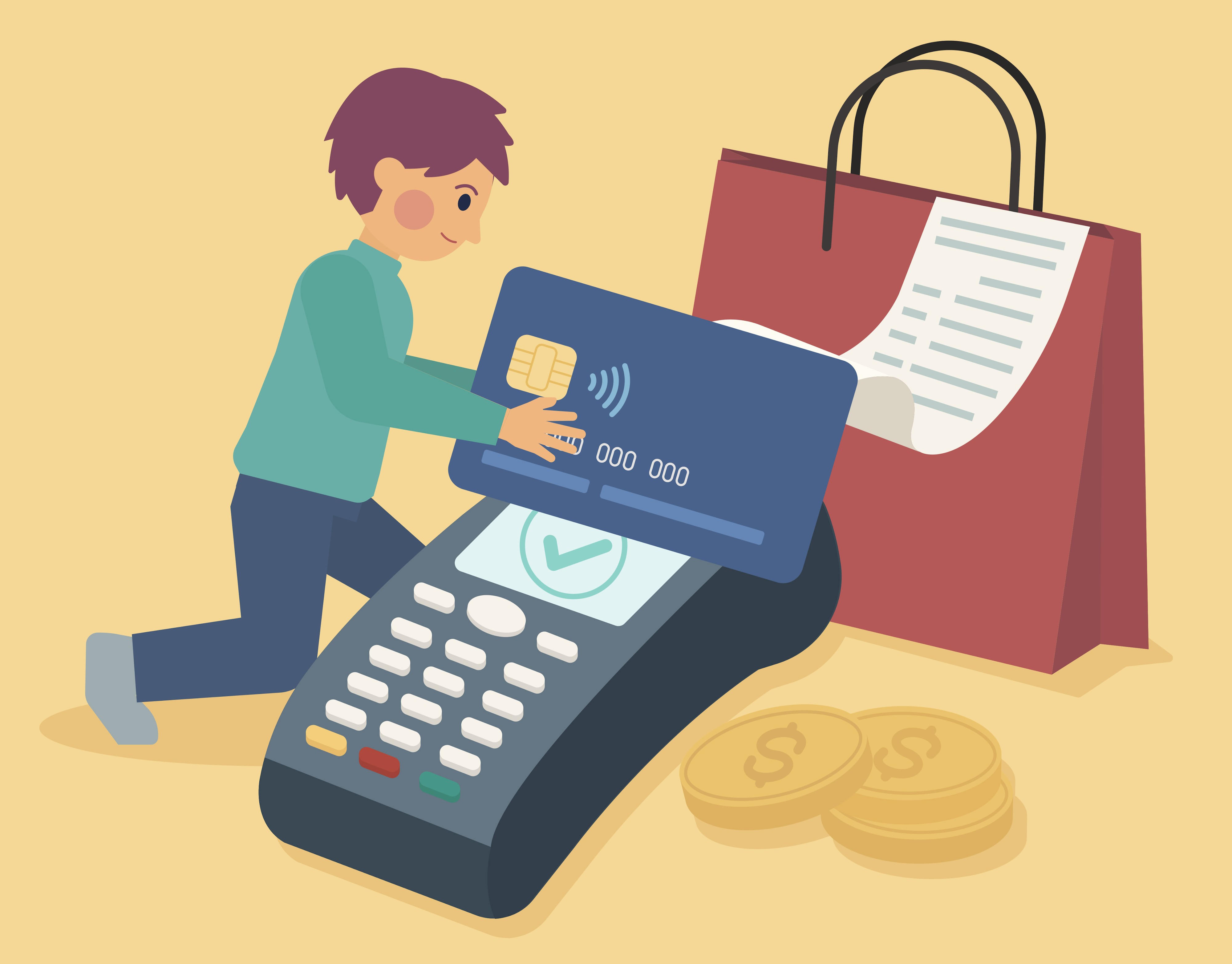
Buy now pay later often looks harmless. You are standing at the checkout screen, the total looks a bit painful, and suddenly there is a friendly button that splits everything into four small payments. Zero interest. Quick approval. No bank officer, no long forms, and no scary credit card bill arriving at the end of the month. It feels like an upgrade on traditional credit, something softer and safer that lets you enjoy life without feeling too grown up about money. The part that is easy to forget is that BNPL is still debt. It does not feel like taking a loan because the amounts seem small and the experience is wrapped in fun shopping apps. Yet the financial consequences of mismanaging it are very real and can follow you for years. When you zoom out from one purchase to five or ten years of habits, you start to see how repeated BNPL misuse can quietly limit your options, weaken your financial base, and make future goals much harder to reach.
At the beginning, using BNPL feels clever. You split a four hundred dollar purchase into four payments of one hundred and convince yourself that it is nothing more than skipping a few coffees or takeaways. Then it becomes a pattern. You use BNPL for sneakers, skincare, gadgets, event tickets, and even small luxuries that you might not buy if you had to pay in full. Each individual plan feels small and manageable, but the total number of instalments grows. After a while, you realise that a big chunk of your next few paycheques is already committed before you even get paid. The money that hits your account is not really yours to decide what to do with because it is already tagged for previous purchases. This is where the long term damage begins. When your income is always pre-spent, you never really experience what it feels like to have surplus cash. You do not build the habit of setting money aside, because your mental default becomes “I need to clear this month’s instalments first”.
Over time, this kind of spending pattern can block you from building even a basic emergency fund. Life does not stay smooth forever. Jobs change, health issues appear, family obligations grow. If you are already using most of your monthly income to service short term BNPL plans, any unexpected expense hits you much harder. Instead of leaning on savings, you may respond to problems by taking on even more debt. That is how a tool that originally felt harmless becomes the doorway to a more fragile and stressful financial life. On top of that, BNPL marketing often leans heavily on the idea of “no interest” and stays relatively quiet about late fees. If your cash flow is tight and you juggle several plans, it is easy to miss a payment date or underestimate how much will be deducted from your account that week. A single late payment can trigger a fee, and if you keep slipping, those fees pile up. Over a few years, that can add up to hundreds or even thousands of dollars that bring you no value at all. All that money could have been earning returns in a savings account or investment, but instead it evaporates as penalties for being slightly behind.
In some markets, the consequences go further than just fees. Many BNPL providers either already report late and missed payments to credit bureaus or are moving in that direction as regulations catch up. That means a small missed instalment for a pair of shoes or a gadget can show up on the same credit report that banks use when deciding whether to approve a car loan, a personal loan, or even a mortgage. The damage from mismanaging BNPL does not stay inside the shopping app. It can reduce your credit score and make you look like a riskier borrower in general. That lower credit score becomes a long term handicap. When you finally want to borrow for something meaningful - like buying a car to get to work more easily or applying for a home loan - the bank looks at your history and sees a pattern of missed or late BNPL payments. The response can be higher interest rates, tighter loan limits, or outright rejection. You might be earning enough to handle a proper loan, but your past behaviour with small credit lines tells a different story. You pay for those small mistakes again and again, in the form of more expensive borrowing or lost opportunities.
Even when you are not missing payments, heavy BNPL usage can still affect your borrowing power. Lenders look at your total obligations compared to your income. If your paycheque is already tied up with multiple instalments, your debt to income ratio looks worse. Imagine two people with the same salary. One keeps BNPL use rare and pays in full most of the time. The other has six or seven active BNPL plans running. On paper, the second person appears more stretched, even if they feel “fine” day to day. When both apply for a bigger loan later, the person with fewer recurring obligations has the advantage. There is also a cost that does not show up in any formal report but matters a lot for your future self. This is the opportunity cost of not investing. If you are regularly using BNPL for non essential spending, that money is tied up in repayments instead of being available for savings or investments. Take a simple example. If you are committing one hundred dollars a month to overlapping BNPL plans, that is one hundred dollars you cannot put into an index fund, a retirement account, or even a basic savings plan.
Over five or ten years, the difference becomes huge. Consistent investing, even in small amounts, benefits from compounding. Your money starts to earn returns, and those returns themselves begin to earn more money. When you look back after a decade, the person who kept directing small amounts into investments rather than instalments has something to show for it: a growing pool of assets. The person who kept feeding BNPL instead is left with old purchases that have long since lost their shine and no real financial cushion. Habits around BNPL also shape your behaviour and identity with money. When the friction between wanting something and getting it is reduced to a couple of taps and a small first instalment, saying “yes” becomes incredibly easy. Over time, your sense of what is “normal” to spend shifts. A two hundred dollar item feels like forty dollars in your mind because that is the first payment. Your ability to delay gratification weakens because you rarely force yourself to wait and save up.
Once that pattern is wired in, it does not automatically switch off just because you decide it is time to be responsible. Even if you tell yourself you want to save for a big goal like long term travel, a home down payment, or starting a business, your default reaction at the checkout stays the same. You keep choosing immediate satisfaction over future advantages. Mismanaged BNPL can therefore lock you into a lifestyle where your short term desires consistently sabotage your long term ambitions. The emotional impact of this should not be underestimated. Constantly having multiple BNPL payments hanging over you can create continuous background stress. Every payday becomes a chore: money comes in, then instantly flows out to cover old decisions. Notifications and reminders from apps become something you dread. This stress can lead to avoidance. You do not open the apps, you ignore emails, and you stop tracking your spending clearly because facing the numbers feels overwhelming.
Over years, that avoidance can spread to other parts of your financial life. You may delay filing taxes, skip basic insurance planning, or avoid learning about investing because money as a topic now feels heavy and shameful. That emotional burnout makes it harder to take positive steps and keeps you stuck in the same cycle. It can even affect your mental health and your performance at work or school, turning financial stress into a broader life problem. Meanwhile, a person heavily dependent on BNPL is also more vulnerable to future shocks. When your monthly income is already sliced into many instalments, there is very little flexibility if something big goes wrong. If you lose your job, face a medical emergency, or need to support a family member, there is no slack in the system. In that fragile state, people are more likely to chase risky “solutions” such as high interest quick loans, get rich quick investments, or more aggressive forms of credit that seem to offer relief but actually deepen the problem.
One mismanaged financial product often leads to another. Over a decade, this can turn into a long chain where each new loan is taken to patch the holes left by the last one. It becomes progressively harder to break out, because your reputation with lenders deteriorates and your emotional energy to tackle the problem shrinks. What started as a convenient BNPL habit can become the starting point of more serious debt stress. None of this means that BNPL must be avoided at all costs. The tool itself is not automatically harmful. Used thoughtfully, it can help smooth out cash flow for larger necessary purchases or allow you to avoid high credit card interest. The key difference lies in how you use it and how it fits into your bigger financial picture. If your BNPL instalments remain a small and controlled fraction of your income, you pay everything on time, and you still prioritise saving and investing, then BNPL can sit quietly in the background as a minor convenience.
However, if you notice that your paycheques feel pre-spent, that you frequently forget or struggle to make instalments, or that you are avoiding looking at the numbers, it is a sign that the long term consequences are already forming. The path out usually involves pausing new BNPL spending, listing all existing plans, choosing a realistic timeline to clear them, and rebuilding a simple budget that includes even a small amount of saving each month. The goal is to shift from a life where your money is always paying for the past to one where more of it is building the future. In the end, the long term financial consequences of mismanaging BNPL are about much more than a few late fees or a single missed payment. They involve higher borrowing costs, reduced access to meaningful loans, lost investment opportunities, weaker money habits, emotional stress, and greater vulnerability to shocks. BNPL can be a useful tool when handled with discipline, but it can also quietly steal your financial freedom if it becomes a default way to spend. Your future self benefits most when you treat BNPL as an occasional option inside a strong overall plan, not as the main way you make life feel affordable today.
Thinking
 WhatsApp
 Instagram
 Threads




.jpg&w=3840&q=75)