Credit cards are often presented as a sign of financial maturity. Banks promote them as tools that help you build credit, earn rewards, and manage your cash flow more smoothly. For many disciplined users, that story is partly true. They pay their balances in full every month, take advantage of points, and enjoy the convenience of tapping instead of handling cash. However, that narrative hides an important reality. For a significant group of people, credit cards quietly create anxiety, overspending, and long term debt that undermines their financial progress. For these individuals, the smartest move is not to find a better card or a smarter hack, but to avoid credit cards altogether.
To understand why, it helps to look at how credit cards work in real life, instead of in theory. On paper, a credit card is just a short term loan that you repay within a month. In practice, many people do not treat it this way. They swipe for groceries, dining, subscriptions, online shopping, utility bills, and travel. The balance grows over weeks, and the bill arrives looking larger than expected. Faced with that number, it feels easier to pay the minimum amount or a little above it, then repeat the same pattern next month. Over time, this leads to permanent revolving debt, not temporary borrowing.
Credit cards are also one of the most expensive ways to borrow. The interest rate on unpaid balances is usually much higher than what you would pay on a mortgage, a student loan, or even many personal loans. The catch is that this high cost does not feel dramatic. You are not asked to sign a large loan agreement every time. Instead, interest appears as small, regular charges on each statement. Because the numbers are broken into monthly amounts, they feel manageable, even when they are quietly draining money that could have gone into savings or investments.
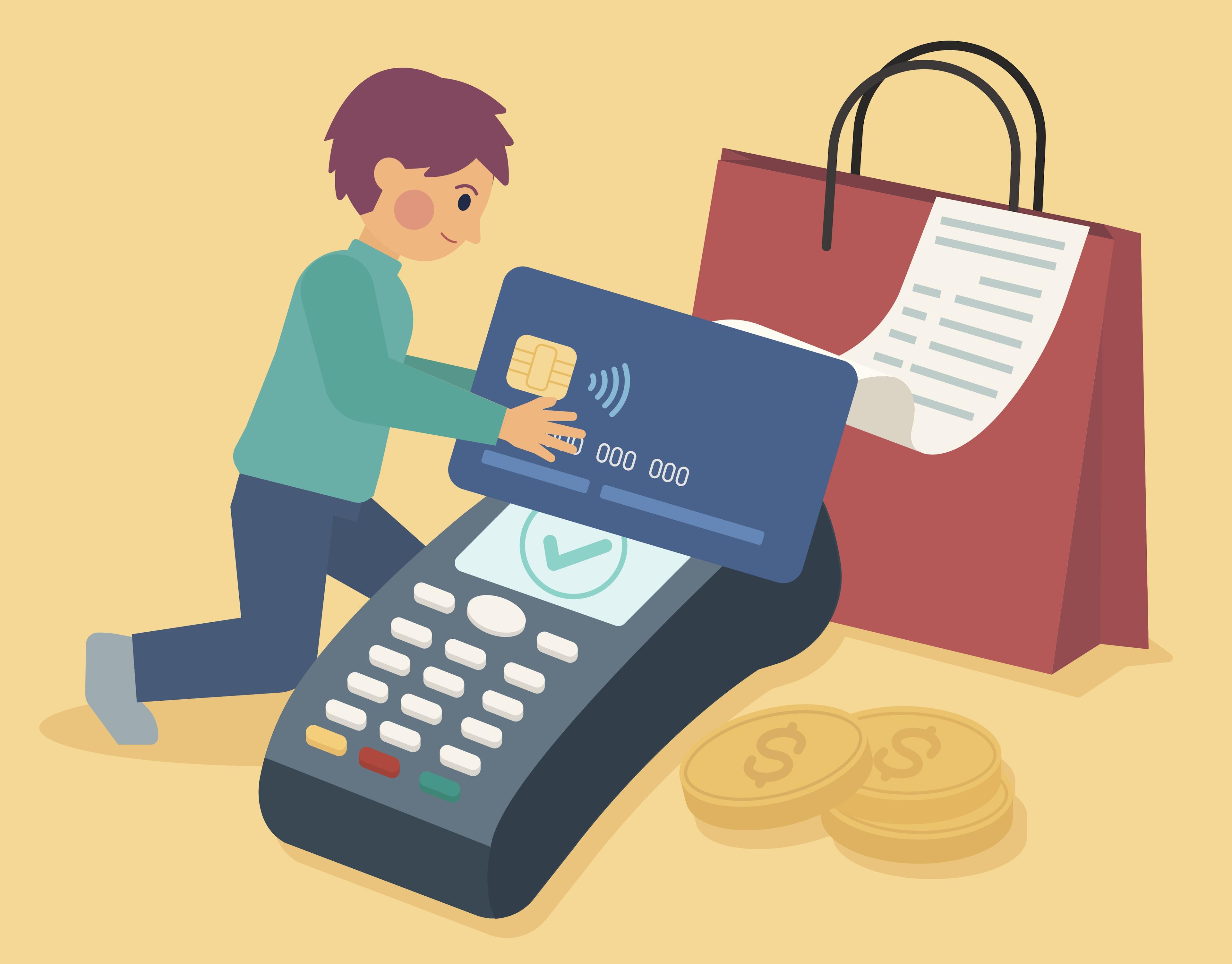
The psychological aspect of card usage matters even more than the mathematical side. Paying with cash is painful in a useful way. You see the notes leave your wallet, and you feel the tradeoff between this purchase and something else you could have done with the money. A credit card softens that pain. Tapping a card or keying in your details on a website feels almost abstract, as if the purchase is happening far away from your actual bank balance. That distance makes it easier to spend more than you intended.
For people who already struggle with impulse buying, emotional spending, or social pressure, this effect can be particularly harmful. They might use shopping to cope with stress, agree to expensive outings because they do not want to feel left out, or say yes to add ons at checkout because each extra amount feels small compared to the total. A credit card does not cause these tendencies, but it amplifies them by removing friction. If your personality leans toward spontaneity, or if you know you have a history of buying first and worrying later, then choosing not to have a credit card can serve as a form of self protection.
Credit cards also complicate financial planning. A well structured money plan depends on clarity. You need to know how much you spend on essentials, how much is going into savings, and how much is left for flexible spending. When almost everything ends up on a credit card and you pay only part of the bill each month, the lines blur. Your statement becomes a mix of last month’s groceries and this month’s online orders, past dining and current subscriptions. It becomes difficult to answer a simple question like what it really costs to live your current lifestyle. Without that clarity, setting realistic goals for a home purchase, education, or retirement becomes harder and more stressful.
There is also the emotional weight of constant debt. Even if the amounts are not huge, carrying a card balance month after month can feel like a shadow that follows you. Some people begin to avoid opening statements, delay checking their banking apps, or push away thoughts about their finances because they feel guilty or overwhelmed. This avoidance can then spread to other areas, such as postponing investment decisions or ignoring opportunities to improve their situation at work. What started as a tool for convenience slowly becomes a barrier to financial confidence.
If you look back at your own history with credit cards, you may already know whether they are helping you or holding you back. Perhaps you once promised yourself that you would pay off the entire balance each month, yet the debt has continued to linger. Maybe you have consolidated card balances into a personal loan, only to see the card balance climb again. Maybe every statement leaves you surprised by the total, even though you cannot point to any single extravagant purchase. These are clear signals that the product does not fit your real life behavior.
Life transitions can make credit cards even riskier. When you are changing jobs, moving cities, welcoming a child, or caring for family members, your mental bandwidth is stretched. During those seasons, it is harder to track every swipe or remember every subscription. Using credit cards during these times can lead to accidental overspending or reliance on debt to bridge gaps that should be handled with a proper emergency fund. Opting out of credit cards during high stress periods removes one layer of complexity from an already demanding situation.
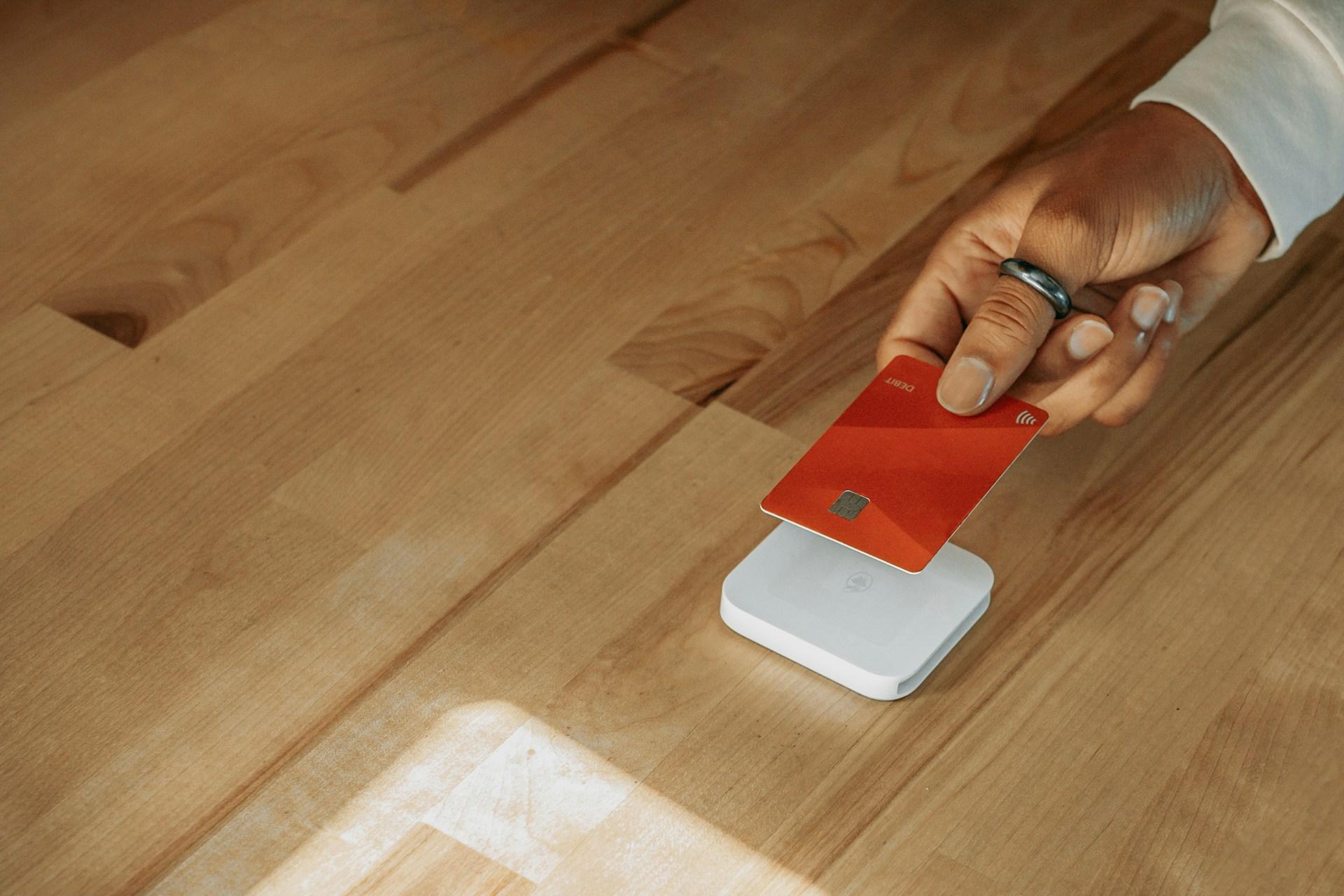
Avoiding credit cards altogether does not mean avoiding modern payments. Debit cards provide the same basic convenience for in store and online purchases, but they draw directly from your existing balance. That alone creates a natural limit on overspending, because each transaction affects your available cash immediately. Prepaid cards and digital wallets go one step further by asking you to load money before you spend. You decide in advance how much to allocate to a weekend, a holiday, or a month of discretionary expenses. When the balance runs low, it is an immediate signal that you need to slow down, instead of a surprise that shows up as interest charges later.
For larger, well planned expenses that you cannot cover from your usual cash flow, a simple personal loan or an installment plan with clear terms can sometimes make more sense than revolving card debt. The interest rate is often lower, and there is a fixed end date, which makes planning easier. The key is to treat this as a structured exception, not as an excuse to reintroduce heavy card use.
One common objection to living without credit cards is concern about credit scores. While it is true that responsible card use can help build a strong credit history, it is not the only way. Mortgages, car loans, student loans, and even some forms of personal credit all contribute to your record when managed well. If you already have other types of credit and you pay those obligations on time, your score can still be healthy. Even if you see a small drop in your score in the short term, the benefits of lower stress, clearer cash flow, and higher savings can outweigh that cost in the long run.
Another objection centers on rewards and travel points. Credit card marketing is very effective at highlighting free flights, hotel stays, and cashback. It is important to remember that these benefits are only free if you never carry a balance and never pay fees that outweigh the value of the rewards. For card users who frequently revolve debt, the interest they pay often exceeds any perks they earn. In effect, they are buying those rewards at an inflated price. For many people, building real savings for travel and experiences will create more freedom than chasing points.
The question of emergencies is also valid. Many people feel safer knowing that they could use a credit card if something unexpected happens. A healthier form of safety is a dedicated emergency fund. Even a small cushion that covers a few months of basic expenses can reduce the need to rely on high interest debt when life goes off script. In addition, some people may choose to keep a low cost overdraft facility or a small personal line of credit as a backup, using it rarely and paying it off quickly. This is very different from allowing a credit card balance to grow indefinitely.
Ultimately, the decision to avoid credit cards altogether is about aligning your financial tools with your real habits and values. If your experience with cards has been mostly positive, and you have a track record of paying in full, then they may have a place in your system. If, however, your history is filled with stress, late night worries, and balances that never quite disappear, then choosing not to use them is a practical form of self care, not a failure.
Saying no to credit cards can create space for a calmer, more transparent way of managing money. You see what leaves your account. You feel the impact of each choice. You are less likely to wake up one day and realise that a decade of small decisions has turned into a mountain of expensive debt. Over time, the money you do not send to interest and fees can be redirected toward goals that matter more to you, whether that is a home, education, a business, or the freedom to work less. In a world that often equates more products with better money management, it can feel unusual to step back and choose fewer tools. Yet clarity is often found in simplicity. For some people, the clearest and most powerful financial upgrade is not a new credit card with better rewards, but a decision to live without credit cards at all.
 WhatsApp
 Instagram
 Threads