


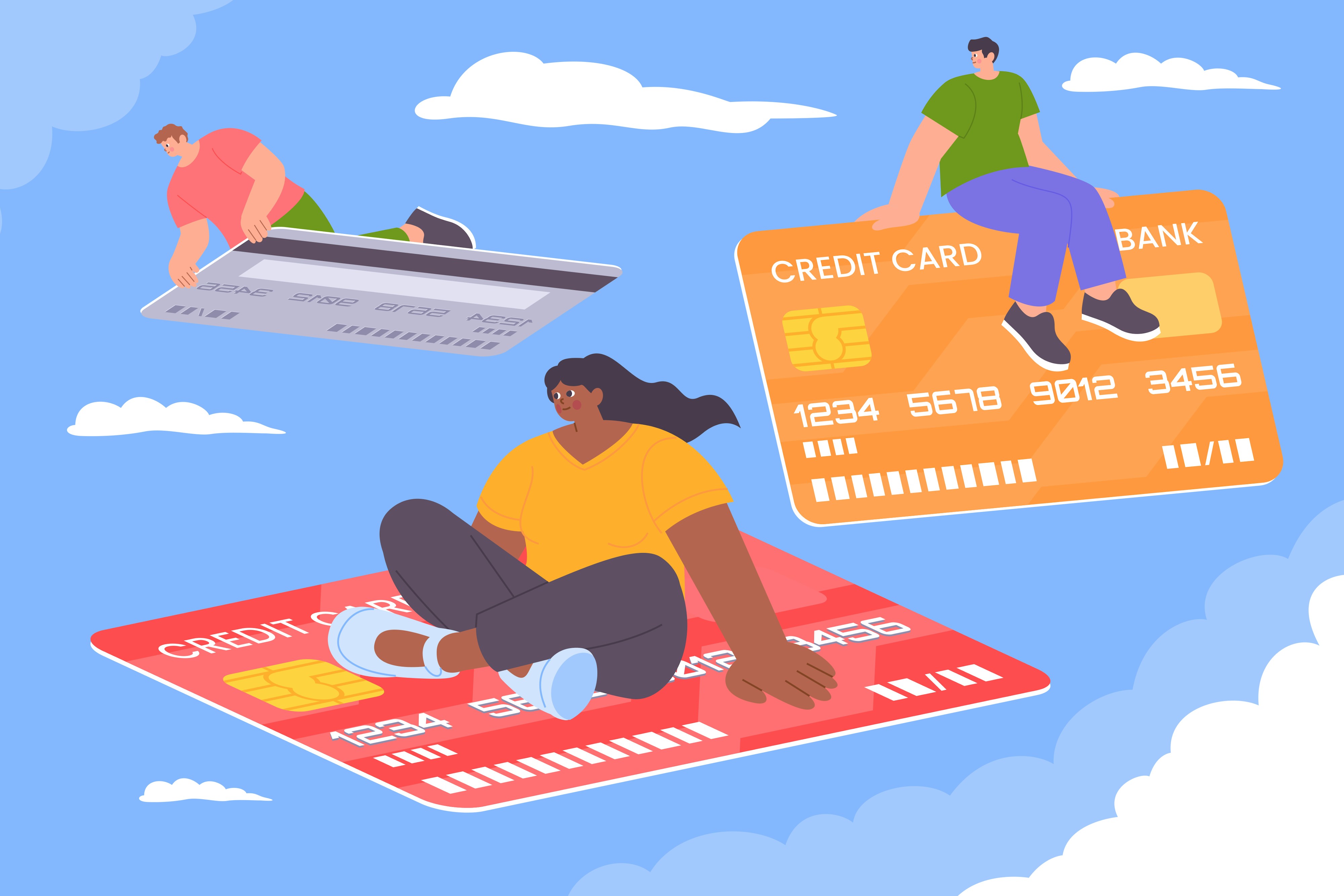
Buy now, pay later has become so common at online checkouts that many people treat it as the default way to buy things. You see a pair of shoes, a new phone, or a home appliance, and instead of one lump sum, you are offered four small instalments. It feels lighter than a credit card and often comes with no interest if you pay on time. Underneath that convenience, however, sits a quieter question that matters more for your long term financial life. How does this pattern of “small, easy” instalments affect your credit profile, and what decides whether it works in your favour or against you.
To understand that, it helps to step back and look at how credit scores are built. Most credit scoring models care about a few core things. They look at whether you pay on time, how much credit you are using compared with what is available to you, how long you have had your accounts, what mix of credit types you use, and how often you open new ones. Traditional products such as credit cards, personal loans, and mortgages are well integrated into this system. They are routinely reported to credit bureaus and become part of your official track record. Buy now, pay later started on the edges of this system. Some providers did not report at all, others only reported severe problems, and regulators have been catching up slowly. This patchy treatment is one reason people are often confused about whether BNPL affects their score.
The first factor that shapes the impact is the reporting practice of the provider you use. When a provider does not share normal, on time payments with the credit bureau, your responsible behaviour stays invisible. You might handle many instalment plans perfectly, but your score does not improve because the system does not see that history. Yet the same provider may still report your account once it becomes seriously overdue or when it is passed to a collection agency. In that situation, the only time BNPL appears in your credit file is when something has gone wrong. It cannot help you, but it can absolutely hurt you.
Some providers have started to report both positive and negative information. When they do, BNPL begins to look more like a small instalment loan in the eyes of a credit bureau. Regular payments that arrive on schedule can contribute to a stronger record, especially if you are still building your credit history. The reverse is also true. Repeated late payments, or one long stretch of missed instalments, can drag your score down in a noticeable way. Unfortunately, most people do not check how their data is shared. The details usually sit quietly in the terms and conditions. That is why two friends can use similar BNPL services quite differently and see very different outcomes in their credit reports.
Reporting is structural, but your own behaviour is even more powerful. Payment history is usually the single most important component of a credit score, and this does not change just because a transaction is labelled “buy now, pay later”. When you treat BNPL instalments as fixed commitments, plan for them in your budget, and make sure the money is ready before each due date, the product can function like a short, predictable payment plan. You smooth out the cost of a purchase over a few months without overstretching yourself, and if your provider reports responsibly, those punctual payments may support your overall profile.
When instalments are missed or repeatedly paid late, the story changes. The immediate consequence is usually a late fee, a penalty charge, or a temporary freeze on your account. The longer term consequence arises when those late payments are recorded and shared. Even one serious delinquency can leave a mark on your credit record for years. It may not stop you from ever borrowing again, but it can lower your score enough that future loans cost more, or that you face stricter approval conditions. The damage often feels disproportionate compared with the size of the original purchase, which is why I encourage clients to think of BNPL commitments in the same category as loan repayments, not as a casual add on.
The number of BNPL accounts you open and how often you apply is another deciding factor. Some providers carry out a hard credit check when you sign up, especially for higher ticket instalment plans. A hard check usually leaves a visible inquiry on your file and can nudge your score down slightly for a short period. A couple of checks over a year is normal. A cluster of them over a few weeks can signal financial stress to future lenders, especially if those checks relate to unsecured borrowing.
Other providers use soft checks that do not affect your score directly. Even then, the pattern of usage may still show up in your overall profile. If a bank officer reviews your report manually and sees a long list of recent BNPL accounts alongside existing credit cards and loans, they may interpret that as a sign that you rely heavily on instalment plans to get through the month. On the other hand, using one or two providers occasionally for planned purchases looks much more manageable. The underlying principle is that fragmentation makes control harder. The more platforms you juggle, the easier it is to lose track of what you owe and when, and the more cautious lenders may become.
It is also important to look at how BNPL fits into your entire debt picture. Even when the instalments are small, they still count as monthly obligations. When a bank evaluates you for a new loan, it often calculates your debt to income ratio. This is the percentage of your monthly income that is committed to repayments for all credit facilities, including mortgages, car loans, personal loans, and the minimums on credit cards. If your BNPL instalments are significant compared with your income, they quietly push this ratio higher. You may not feel it immediately when you sign up for one more “three month plan”, but over time these small commitments add up.
Imagine someone who already pays a mortgage, a car loan, and a credit card balance every month. They add a few BNPL plans on top for electronics, travel, and lifestyle spending. Each instalment feels harmless on its own. Together, they may push the total monthly repayment burden to a level where a bank hesitates to approve a larger future loan, or offers a smaller amount than expected. This is one way that BNPL can harm your borrowing power without you ever missing a payment. The problem is not just whether you pay, but how crowded your monthly cash flow becomes.
Your existing credit history also changes how BNPL affects you. If you already have a long, strong record of handling credit cards and loans responsibly, a small amount of BNPL that you manage well is unlikely to dominate your profile. In some cases, if reported correctly, it can even add useful variety to your mix of credit types. Lenders like to see that you can handle different kinds of obligations, provided everything is under control.
If your credit history is thin, the same behaviour can have a larger impact. Many young adults or new residents in a country find BNPL easier to access than a credit card, because the approval criteria can be lighter. If these early experiences with credit go badly and lead to missed payments, there is not much positive history to cushion the blow. The negative entries stand out more because the file is short. For that reason, it is risky to treat BNPL as your first or main way of building credit. A simple, low limit card or a small instalment loan, used sparingly and repaid in full, is usually a clearer path toward a strong score.
All of these dynamics sit within a wider landscape that is still shifting. Different countries and providers take different approaches to regulation and reporting. Some regulators are moving to treat BNPL more like conventional credit, with stricter rules on affordability checks and data sharing. Others are still in the early stages. If you shop across borders or use platforms that operate in multiple markets, your information may be handled in slightly different ways depending on where the purchase is processed. Rather than trying to track every rule, it is more realistic to assume that serious problems will show up somewhere and to behave accordingly.
So under what conditions can BNPL genuinely help your credit profile. It tends to be supportive when you use it intentionally for planned purchases, keep the number of concurrent plans small, stay comfortably within your budget, and choose providers that report both good and bad behaviour fairly. In that scenario, the instalments become part of a broader pattern of reliable repayments. To a lender, you look like someone who uses modern tools thoughtfully rather than someone who is constantly reaching for short term help.
BNPL tends to harm your credit when it becomes a way to patch gaps in a budget that already feels tight. If you find yourself using multiple platforms to cover everyday expenses such as groceries or bills, missing instalments because your account balance is low on the due date, or avoiding messages from providers when payments fail, the product is no longer just a convenience. It has turned into a signal of strain. Once these missed payments are reported or passed to collections, your credit score reflects that stress. Future borrowing becomes more expensive and more complicated, even if you eventually clear all the instalments.
Keeping BNPL aligned with your long term goals requires honest reflection. Ask yourself what role it is playing in your life today. If it is simply a tool to spread out the cost of occasional big purchases that you could reasonably afford in one go, you can probably continue using it within clear limits. If it is filling regular gaps between income and expenses, the more helpful focus is on reworking your budget, increasing income, or reducing fixed costs, rather than layering on more instalment plans.
A practical step is to list every active BNPL plan you have, along with how many payments remain and how much leaves your account each month. Add these figures to your other repayments and look at the total as a single number. If that number makes you uncomfortable, consider pausing new BNPL usage until the existing plans are cleared and your monthly obligations feel lighter. It is also worth requesting a copy of your current credit report and checking whether any BNPL activity already appears there. Seeing your behaviour through the eyes of a lender can be a powerful wake up call or a reassuring confirmation.
In the end, buy now, pay later is just one of many financial tools available to you. It is neither a miracle solution nor a guaranteed trap. The factors that determine whether it helps or harms your credit score sit in how providers report your activity, how faithfully you make payments, how many instalments you juggle, and how those choices interact with your broader financial picture. When you let your long term plans lead and keep your commitments within what your budget can calmly support, your credit profile is more likely to move in the direction you want, regardless of how you choose to pay at the checkout screen.
 WhatsApp
 Instagram
 Threads




.jpg&w=3840&q=75)