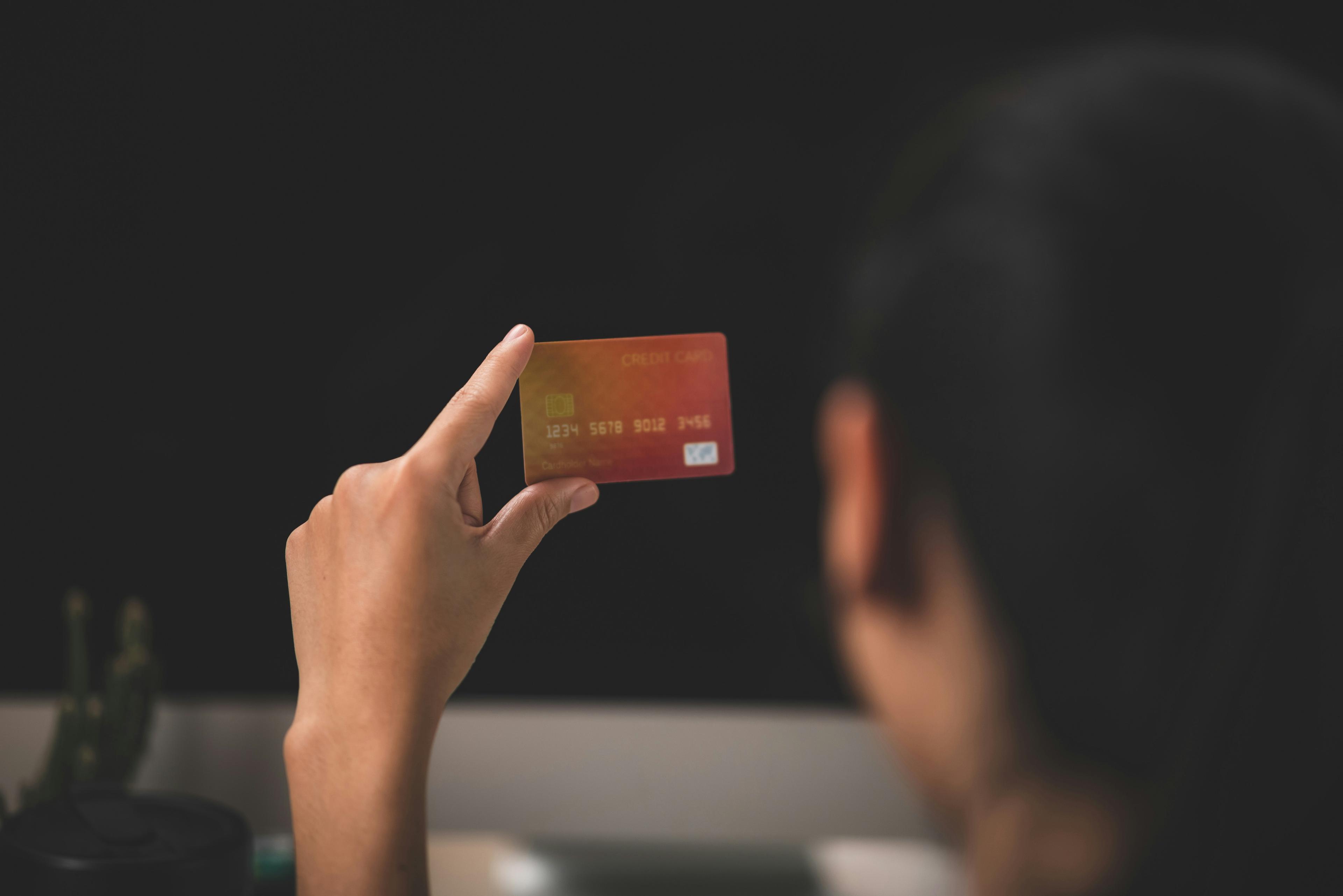
Moving abroad often feels like you have stepped into a completely different life. Your mornings, your commute, even the way you pay for coffee all change. It is easy to assume that your financial ties to the United States fall quietly into the background as you settle into a new country. Yet your US credit score continues to exist, quietly updating in response to any open accounts that remain in your name. If you might one day return, or simply want to keep that option open, it is worth understanding how to maintain a US credit score while living abroad without turning it into a source of stress.
At its core, your credit score is a summary of patterns. Lenders care about how reliably you pay your bills, how much of your available credit you are using, and how long your history runs. Moving overseas changes practical details like mailing addresses, currencies, and time zones, but those underlying principles stay the same. Once you understand that, it becomes easier to design a financial setup that works quietly in the background while you focus on your new life.
Before you dive into tactics, it helps to ask a few honest questions about your plans. Do you expect to move back to the United States and need a mortgage or car loan one day. Are you open to returning if the right job appears, even if you have no firm date. Or do you think it is unlikely but still want to avoid burning bridges. Your answers will shape how much effort you put into preserving your US credit profile.
If you feel confident that you will never live in the United States again, you may eventually decide that maintaining a score is not a priority. You might choose to simplify by closing most accounts over time, accepting that your report may go quiet. However, if there is a reasonable chance that you will return, it is usually worth a bit of deliberate planning. Think of your US credit history as an invisible asset that your future self may rely on when renting a home, setting up utilities, or applying for a loan. A small amount of maintenance today can prevent a lot of friction later.
The foundation of that maintenance is your choice of accounts that remain open. Many people are tempted to close cards as they pack their bags because they want to feel organized and tidy. Closing long standing credit cards, however, can shorten your average age of accounts and reduce your total available credit, which may hurt your score. A more strategic approach is to keep one or two general purpose US credit cards open, especially those with no annual fee or a fee you are comfortable paying for the long term. Cards from major networks such as Visa, Mastercard, or American Express, in your own name, tend to be more flexible than store cards tied to a single retailer.
Once you decide which cards to keep, it helps to give them a predictable and modest role. Instead of leaving them completely idle or loading them with large purchases, you can assign one card to a small recurring subscription that charges in dollars, such as cloud storage or a digital tool you use. The second card, if you keep one, might be reserved for occasional travel back to the United States. The key is that your accounts remain active but not overloaded.
None of this works well without reliable payments from overseas, and this is where many expats run into trouble. Late payments are among the most damaging events for a credit score, and they are surprisingly easy to trigger when you are in a new time zone and no longer receiving paper statements. To avoid this, it is wise to put a few simple systems in place before and after your move.
One practical step is to maintain at least one US checking account that you can access online from abroad. Even if you now earn in another currency and use local banks for your daily life, this US account can act as the hub for your American bills. You can top it up using a low cost international transfer service and then let it handle automatic payments. The goal is to avoid having to scramble each month to move money around while you are dealing with jet lag, work deadlines, and the emotional work of adaptation.
Automatic payments on your credit cards and loans are the next line of defense. Whenever possible, set autopay to cover the full statement balance, not just the minimum. This reduces interest charges and removes the need to remember each due date. You can still log in regularly to confirm that transactions are correct, but you will not be relying on memory alone. This is especially important when your life is full of new stimuli and your attention is pulled in many directions.
Updating your contact details may not feel like a financial task, but it directly affects how quickly you hear about problems. If your card issuer or lender needs to send a fraud alert or a reminder, you want those messages to reach you promptly. If your old US mobile number will be disconnected, consider a long term roaming solution or a reliable virtual number that can receive text messages. Also make sure your email address is current and monitored. It is far easier to correct a suspicious charge quickly than to dispute a long trail of activity that you only discover months later.
Another important aspect of maintaining a healthy score is your credit utilization, which is the percentage of available credit you are using at any given time. From the perspective of scoring models, using a modest share of your limits and paying it off regularly is better than sitting near your maximum. While living abroad, you will likely shift your everyday spending toward local cards, bank transfers, and mobile payment systems. That shift can actually help your US utilization stay low. If your US cards are reserved for small, predictable expenses and occasional travel, they will continue to show a pattern of responsible use without dragging you into debt.
Existing US loans deserve careful thought as well. Student loans, car loans, or personal loans do not disappear when you move. In some cases, continued on time payments on these installment loans can be a positive factor for your credit profile. However, if you miss payments because of communication breakdowns or cash flow issues, the damage can be harder to undo from abroad. If you expect a period of unstable income or a career transition shortly after moving, it may be worth talking to your lenders before you leave. You could explore options such as revised repayment plans or consolidation while it is easier to share documents and make phone calls during US business hours.
Monitoring and fraud prevention form the third pillar of a sensible overseas credit strategy. When you are no longer living in the United States, you are less likely to notice subtle signs that something is wrong, like unexpected mail or a random call from a local store. At the same time, your Social Security number and existing accounts can still be targets. Before you move, consider enrolling in online access with the major credit bureaus or a reputable monitoring service. Then get into the habit of checking your reports a few times a year. You do not need to watch every minor fluctuation in your score. You are looking for new accounts you did not open, addresses you do not recognize, or collection items that do not belong to you.
For people planning to be away for many years, or those who do not anticipate applying for new US credit any time soon, a credit freeze may be worth considering. A freeze restricts new lenders from pulling your file without your explicit approval, which makes it harder for a fraudster to open new accounts in your name. It does introduce extra steps in the future when you genuinely want credit again, so it is not a decision to make lightly. However, for long term expats, the added peace of mind can be valuable.
Mail is another practical but often overlooked part of this puzzle. Even if most of your communication is now digital, some documents still arrive on paper, including certain legal notices and tax related mail. Letting letters pile up at an old apartment or in a shared mailbox creates both a security risk and a blind spot. A better approach is to redirect important mail to a trusted family member or friend who understands how sensitive financial documents can be. Alternatively, you can use a professional mail handling service that scans and uploads your letters so you can read them online.
For some readers, the situation looks a little different. Perhaps you have never lived in the United States but are planning to move there in the future and are wondering how to begin building credit from abroad. In that case, your options are more limited because most lenders want a US address and identification. Still, there are ways to lay foundations. During a visit, you may be able to open a US bank account and apply for a secured credit card backed by a cash deposit. Over time, responsible use of that card can evolve into a more traditional credit relationship. If you bank with a global institution that has a presence in both your home country and the United States, you may be able to use that relationship to open accounts more smoothly when the time comes.
For expats who once lived in the United States and then left, the real challenge is not starting a credit history but keeping it alive without letting it dominate their thoughts. One helpful mental model is to think in terms of anchoring, maintaining, and protecting. You anchor your credit life with a small number of well chosen accounts and a US bank relationship. You maintain those accounts with low utilization and automatic full payments. You protect the whole system with sensible monitoring, careful handling of personal data, and secure management of mail and contact details.
It is worth reminding yourself that your credit score is not a judgment on your character. It is a numerical snapshot that reflects how your accounts have behaved over the years. Living abroad will change many aspects of your finances and your identity, and that is part of the growth you sought when you chose to move. Your job is not to chase a perfect number but to reduce the chance of avoidable damage that might limit your choices later.
If the topic feels overwhelming, you do not need to fix everything at once. You could start with a single action, such as turning on autopay for your remaining cards, checking a credit report for errors, or updating your phone number and email address with your bank. Once that step feels settled, you can decide which cards to keep and assign them small recurring roles. Over time, these small decisions will form a simple, resilient system that quietly protects an asset you cannot see but will be very glad to have.
Years from now, if you decide to return to the United States for a new job, a family move, or a fresh adventure, your future self may not think about all the care you took. They will just notice that renting an apartment is easier, that setting up utilities does not require a large deposit, and that new lenders are willing to extend credit without treating you as a complete mystery. That ease is the real payoff for the quiet work you do today to maintain your US credit score while you are building a life somewhere else.
 WhatsApp
 Instagram
 Threads