Moving to a new country often feels like you are starting life from scratch. You may have years of responsible financial behaviour behind you, yet the moment you arrive in a new system, your hard earned credit history seems to disappear. Applications that were once routine suddenly feel difficult. Limits are low, deposits are high, and lenders treat you as if you are a complete beginner. It can be discouraging, especially when you know that your financial habits are disciplined and your track record is strong. The reality is that the problem lies less with you and more with the way global credit systems are designed. Most countries keep their credit data within their own borders, so your information does not travel by default. The task in front of you is not to rebuild your character, but to make your good habits legible in a new environment.
Before you rush to apply for cards or loans, it helps to start with a more basic question. How stable is your cash flow likely to be over the next one to two years in this new country. Credit can amplify whatever pattern you feed into it. If your income is still irregular because you are on a probationary contract, managing relocation allowances, or paying for move related expenses, then your first priority is to calm that pattern. Begin by mapping your financial life in the new currency. Look at your core salary, any allowances you receive, and any side income you expect. Then list your fixed commitments such as rent, utilities, insurance, transport, and childcare if relevant. Add a sensible buffer for one off costs like furniture, school registration fees, or visa renewals. Once you have this picture, you can see how much room you genuinely have to use credit without relying on it to plug gaps.
At the same time, you need to anchor your identity in the new financial system. Lenders want to know who you are, where you live, and how predictable your behaviour is. In practice, that means securing a stable address, opening a local bank account, and obtaining whatever tax or residency number the country uses. A mainstream current or checking account at a reputable local bank is a useful starting point. Arrange for your salary to be paid into this account and use it to pay your main bills so that there is a clear pattern of income and outflows under your name. Make sure your full legal name is written consistently across all contracts, including your lease, mobile phone plan, broadband, and utilities, and that all of them show the same address.
Over time, this creates a footprint. In some markets, companies that provide mobile, broadband, or utilities already report payment behaviour to credit bureaus. Even where they do not, having a visible, documented history of paying for these services helps when a lender performs background checks. From their perspective, a person who has been living at the same address, receiving regular salary credits, and paying bills on time for a year or two is far less risky than someone who appears to move frequently, pay in cash, or operate entirely through short term arrangements.
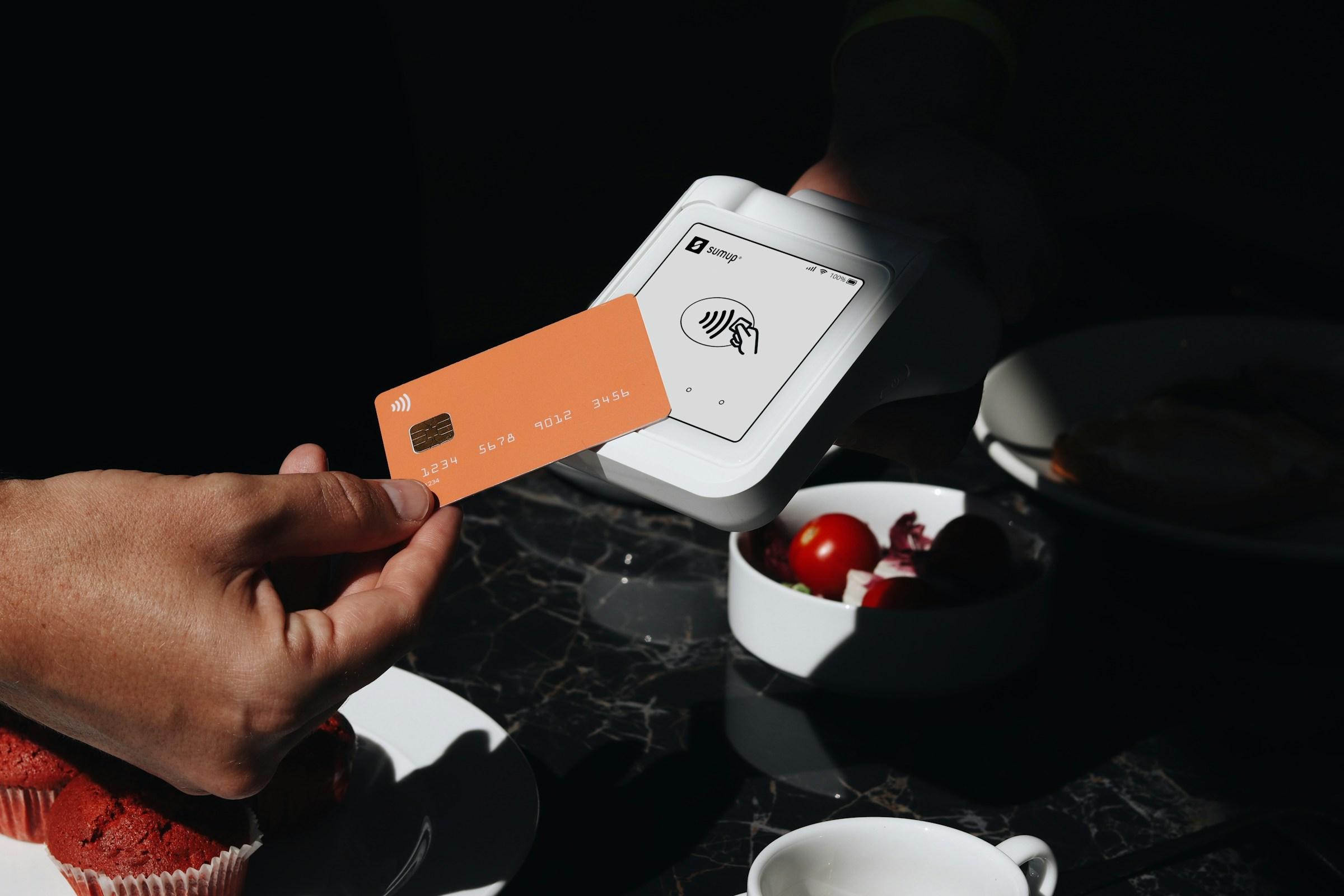
Once your basic setup is in place and your cash flow feels more predictable, you can think about introducing formal credit products. For many new arrivals, the logical first step is a local credit card. It is natural to be attracted by reward schemes, cashback, or air miles. At this early stage, however, your main goal is to create a clean, simple history that the local system can observe and reward. If you do not yet have a local credit file, a bank may offer you a secured card. With this arrangement, you place a deposit, and that deposit forms the backing for your credit limit. It may not feel as flexible as a fully unsecured card, but it is a safe way to begin. You know that you cannot inadvertently borrow more than you have set aside, and the bank is more comfortable extending the facility because it can recover its money if something goes wrong.
Another route in some situations is to become an authorized user on the card of a spouse or trusted family member. This can help you start to appear in the system, but it comes with an important condition. The primary cardholder must have disciplined habits. If their card is regularly maxed out or paid late, their profile may hurt you as much as help you. In that case, a separate secured card, even if it feels slow or conservative, may be safer for your own record.
Regardless of the path, your behaviour once you have a card matters more than the specific product. A widely used guideline is to keep your balance well below the limit, ideally under around one third of what the bank has made available, and to pay your statement in full each month whenever you can. This shows that you are using credit for convenience and record keeping, not as a permanent extension of your income. Over time, a history of low utilization and consistent full payments sends a strong signal of reliability.
While you are building your new file, it is possible to make your prior history work for you in indirect ways. Although most credit scoring algorithms cannot directly read foreign reports, human decision makers can. Obtain a copy of your credit report from your home country, along with recent bank statements that show long standing accounts, previous loans, and clean repayment records. When you apply for a mortgage, car loan, or higher tier credit card in your new country, submit these documents as supporting material. The information might not feed automatically into the local score, but a lending officer or relationship manager may use it as part of their risk assessment when they review your application manually.
If you previously banked with an international institution that also operates in your new country, ask whether they can recognize your existing relationship. Some global banks have internal frameworks to treat established clients more flexibly when they move across borders. They still need to follow local regulations, but a strong internal record can nudge their decisions in your favour. In certain corridors, such as between larger Western markets, there are also specialist services that help translate or verify foreign credit histories. It can be worth asking your employer’s relocation team or a local financial adviser whether such services are recognized by lenders where you now live.
Credit building does not always have to rely on traditional credit products. In some countries, rent reporting services exist that allow tenants to have their on time rental payments reported to credit bureaus. In others, utility or telecom accounts are already part of the scoring model. You are likely to be paying these bills anyway, so making them visible to the system is an efficient way to lengthen your history. To avoid accidental missed payments, which can be especially disruptive in a new system, it is wise to set up direct debits or automatic payments for recurring bills from your main account. Once your income pattern is stable, automation reduces the risk that travel, time zone differences, or administrative delays cause you to miss a due date.
As time goes on, many people find themselves running parallel financial lives. You might hold a mortgage or investment loan back in your home country while also renting or buying property in your new city. You might have tax advantaged retirement accounts in both systems, and perhaps savings or investments spread across currencies. In this situation, it helps to zoom out and view everything as one integrated balance sheet, rather than thinking country by country. Ask what level of total leverage across your life you are comfortable carrying. A set of commitments that feels modest when you look only at your home currency may appear more stretched once you convert and add your new obligations. Currency movements can also change the picture if your income is earned in one place and your debt payments are fixed in another.
It is not always necessary to build deep, complex credit structures in every country where you live. For many expats and cross border professionals, the most practical approach is to develop a healthy but relatively simple credit file in the new country, sufficient for renting property, handling utilities, and perhaps financing a local car, while concentrating larger long term borrowing in a primary market that they know well and intend to keep ties with. The balance that suits you will depend on how long you expect to stay and what role the new country plays in your longer term plans. If you view the move as a three year posting, your approach will look different from someone who expects to raise a family and retire there.
Amid all this, it is important to protect yourself from overborrowing. The urge to look settled can tempt you into taking on obligations that are larger than your current situation really supports. A spacious apartment, a high end car, or expensive furnishings can certainly make life feel more comfortable, but if they require large and rigid monthly payments before your income and immigration status are firmly established, they can also increase your vulnerability. A helpful internal rule is to allow new credit only when it clearly reduces long term cost or increases genuine flexibility. A basic card used for everyday spending and paid off in full strengthens your profile without locking you into major commitments. A large unsecured loan for discretionary purchases does the opposite.
Once you have been in the system long enough to have a local credit file, you should make a habit of reviewing it from time to time. In many countries, you are entitled to at least one free report from each major bureau every year. Checking your reports helps you spot errors, monitor how your behaviour is recorded, and verify that no accounts have been opened in your name without your knowledge. Correcting mistakes early is far easier than trying to clean up a long backlog of inaccurate data later.
Because every country’s rules, tax systems, and lending practices are different, there will be situations where general guidance is not enough. If you are contemplating major commitments such as purchasing property, opening a business, or restructuring debt across currencies, it is wise to seek personalised advice. Ideally, you would speak with an adviser in your new country who understands local rules, and, where necessary, an expert who knows your home system as well. Bring documentation from both sides of your life so that they can see the full picture. That includes pension statements, retirement accounts, bank statements, and details of any existing loans.
In the end, building credit in another country is not a race to achieve a high score. It is a gradual process of creating a reliable financial identity that matches your real plans and values. By stabilizing your cash flow, anchoring your presence in the local system, introducing credit products slowly and using them conservatively, and integrating your old and new financial lives into a coherent plan, you give yourself a second credit story that works in your favour. The habits that helped you succeed in your home country have not disappeared. You are simply teaching a new system to recognize them. With patience and alignment, your profile will strengthen, and your financial life will become more resilient to future moves you may choose to make.
 WhatsApp
 Instagram
 Threads