


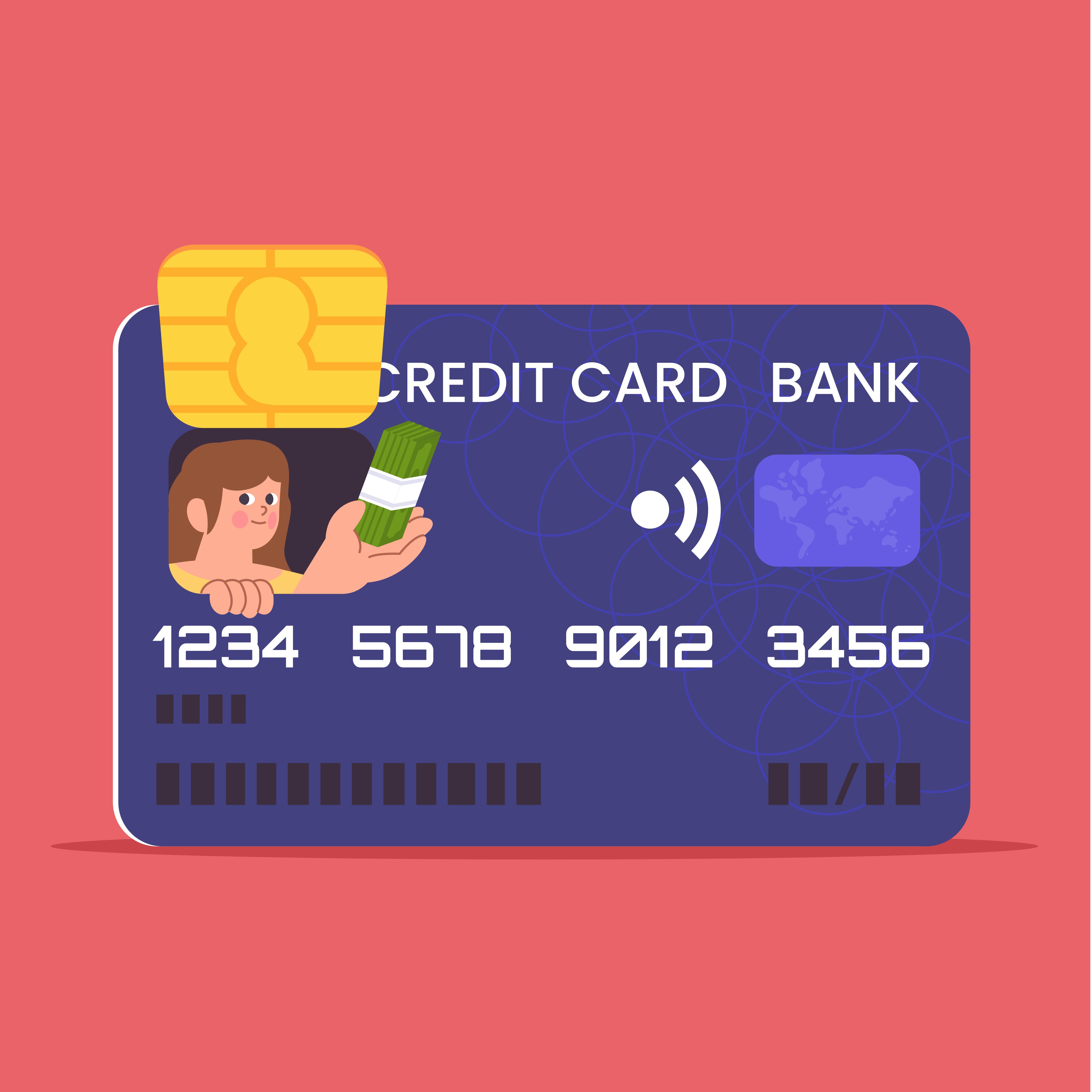
BNPL can look harmless on the surface. The app is smooth, the screens are friendly, and the marketing makes it feel like a lighter, easier version of a credit card. You tap a few buttons, the full price of your purchase disappears, and what is left are a few small instalments that look easy to handle. That is why so many people treat BNPL as something separate from “real” borrowing. In reality, it is still credit. You are using someone else’s money today and promising to pay it back in the future. When you acknowledge that simple truth, you can start to use BNPL in ways that protect your credit score instead of putting it at risk.
The confusing part is that BNPL does not always show up in your credit report in a clear and consistent way. Different providers follow different rules. Some do not report short term instalment plans to credit bureaus at all, while others report both on time and late payments. Even if the original BNPL account never appears on your report, unpaid debt can still end up with a collection agency, and that collection record can sit on your file for years. On the other side, some providers perform hard checks for larger or longer term BNPL loans, which can give potential lenders a signal that you are taking on more credit. Because of these differences, the safest mindset is to act as if every BNPL plan could be visible to future lenders, even if you cannot see it immediately in your credit file.
That means the way you behave matters more than the app you use. If you pay on time and do not overload yourself with multiple plans, the impact on your credit score is usually neutral and can sometimes be slightly positive. If you miss payments or let small amounts snowball into collections, the damage can be large compared to the original purchase. So instead of viewing BNPL as a casual feature at checkout, it helps to treat every plan like a mini loan. Before tapping “Pay with BNPL,” ask yourself whether you would still buy the item if you had to pay the full price in cash today. If the honest answer is no, the instalment plan is probably pushing you beyond your real budget rather than helping you manage it.
This is why BNPL works best for planned, practical purchases and worst for impulse shopping. Using instalments for a laptop you need for work, a course that can improve your income, or a home appliance you have already budgeted for is very different from splitting payments for fast fashion, random gadgets, or late night scrolling buys. Each instalment may seem small in isolation, but the total across several plans can quietly grow in the background. If you suspect you would feel uncomfortable showing a screenshot of all your active BNPL purchases to a trusted friend, that discomfort is usually a signal that your usage is drifting into dangerous territory.
To use BNPL responsibly, you need to pull it into your overall money system instead of treating it as something separate that lives inside an app. A simple way to do this is to create a dedicated category in your budget for all instalment based payments: BNPL, credit card instalment plans, and other fixed monthly commitments. Decide on a clear limit for this category, perhaps a small percentage of your take home pay, and commit to staying within that number. Once you hit that cap, no new BNPL plans are allowed until an existing one finishes. This prevents you from stacking too many small payments that collectively squeeze your cash flow.
It also helps to track your BNPL plans in one place outside the apps themselves. A basic spreadsheet or note works fine. List the merchant, the provider, the total purchase amount, the instalment size, and the end date. When you see all of your commitments at once, it becomes much harder to tell yourself that each plan “does not really count.” Your brain shifts from impulse mode to planning mode, and this mental shift is exactly what keeps your credit score safer over time. You stop thinking in terms of “Can I squeeze in one more instalment?” and start thinking in terms of “Does this fit my overall financial picture?”
Of course, the most direct way BNPL interacts with your credit score is through your payment discipline. Late payments are where the real damage happens. Even if a provider does not charge interest, it may impose late fees, restrict your account, or eventually send your unpaid balance to a debt collector. Collection records are among the most harmful items that can appear on a credit report, and they can linger long after you have forgotten what you originally bought. This is why simple habits like turning on payment reminders, syncing due dates to your calendar, and setting up automatic payments from a reliable bank account are powerful tools. They may sound boring, but they are the front line of protecting your credit history.
Life is not always predictable, so there will be times when money is tight and you struggle to cover everything. If you realise in advance that you might miss a BNPL payment, it is better to contact the provider before the due date rather than waiting for a problem to appear. Some companies offer hardship options or can adjust payment schedules. There is no guarantee, but early communication often leads to better outcomes than silence. From a credit perspective, a short negotiated difficulty is much safer than a string of missed payments.
Another risk area is stacking multiple BNPL plans at once. It usually starts with one plan that feels manageable. Then another, and another, until a large slice of your future paychecks is pre committed to instalments. You might still be making every payment on time, but your buffer for emergencies disappears, and one unexpected expense can trigger a chain reaction of late payments. To avoid this, give yourself a maximum number of active BNPL plans and stick to it. Many people find that once they go beyond two or three, their ability to track and decide clearly drops. On top of that, remember that lenders look at your overall debt situation, not just BNPL. If you already carry credit card balances or personal loans, adding more instalments makes your financial system more fragile.
A particularly dangerous sign is when you start using BNPL to cover basic living costs. Spreading out the cost of groceries, utility bills, or even rent may feel like short term relief, but it suggests there is a deeper gap between your income and expenses. At that point, you are not using BNPL for convenience; you are using it to survive. If something goes wrong, there is very little room to manoeuvre, and the risk of late or missed payments rises sharply. This is how what felt like a temporary solution can turn into long term damage to your credit score.
If you notice that essentials are ending up in your BNPL history, it is worth pausing all new plans and focusing on your underlying cash flow. That could mean cutting non essential spending, renegotiating certain bills, downsizing subscriptions, or looking for temporary income boosts. None of these steps feels as smooth as tapping a button at checkout, but they strengthen your financial base instead of weakening it. Protecting your credit score is not just about managing credit products; it is about building a budget that does not rely on borrowing to keep the lights on.
The provider you choose also matters. Just as banks and credit card issuers vary in their policies and customer service, BNPL companies differ in how transparent they are, how they handle late payments, and how they report to credit bureaus. Before signing up, take time to read the sections on fees and late payment terms, not just the marketing slogans. Look for real user experiences that describe how the company behaves when something goes wrong, not just when everything is smooth. A provider that handles difficulties with clarity and fairness is a subtle form of credit protection, because it reduces the chance that a small mistake turns into a severe mark on your record.
Keeping your financial life simple also helps. Managing two BNPL apps with clear rules is usually easier than juggling four or five. The more systems you have to watch, the more likely you are to miss something. Concentrating your BNPL usage with one or two reliable providers, within the limits of your budget, lowers the mental load and reduces the odds of an accidental slip that could hurt your credit score.
Even if you manage your BNPL habits well, it is important to remember that your credit report is the official record that lenders care about. BNPL dashboards are useful for checking upcoming payments, but they do not always show you how your borrowing history appears to banks and other financial institutions. Checking your credit report once or twice a year allows you to see whether any BNPL accounts or related collection entries have appeared, and whether the information is accurate. If you see errors, you can dispute them through the appropriate channels. Catching and correcting mistakes early prevents them from dragging down your score unnecessarily.
Over time, this habit of monitoring your credit report strengthens your mindset. You begin to see your credit history as an asset that you are building, rather than a mysterious score that is out of your control. When you understand that BNPL decisions today can influence your borrowing ability for things like a car, a home, or a business loan later, it becomes easier to resist impulse purchases that do not truly matter.
In the bigger picture, BNPL should be a small supporting tool in your financial life, not the main strategy. It can be helpful when used for planned purchases that fit a clear budget, and it can even act as training wheels for building good repayment habits if you are new to credit. But it does not replace an emergency fund, a realistic budget, or the long term work of saving and investing. If most of your energy goes into rearranging monthly instalments instead of increasing your savings and net worth, your credit score may look fine for a while, but your financial resilience will remain weak.
Using BNPL responsibly to protect your credit score is less about mastering every technical detail and more about adopting a disciplined mindset. Treat every plan as real debt. Keep your instalment commitments within a strict budget limit. Pay on time, every time, and reach out early if you run into trouble. Avoid using BNPL for survival spending, choose providers with transparent terms, and keep your borrowing system as simple as possible. Combine these habits with regular checks on your credit report, and BNPL becomes just another tool you control, not a trap that quietly controls you.
 WhatsApp
 Instagram
 Threads





.jpg&w=3840&q=75)