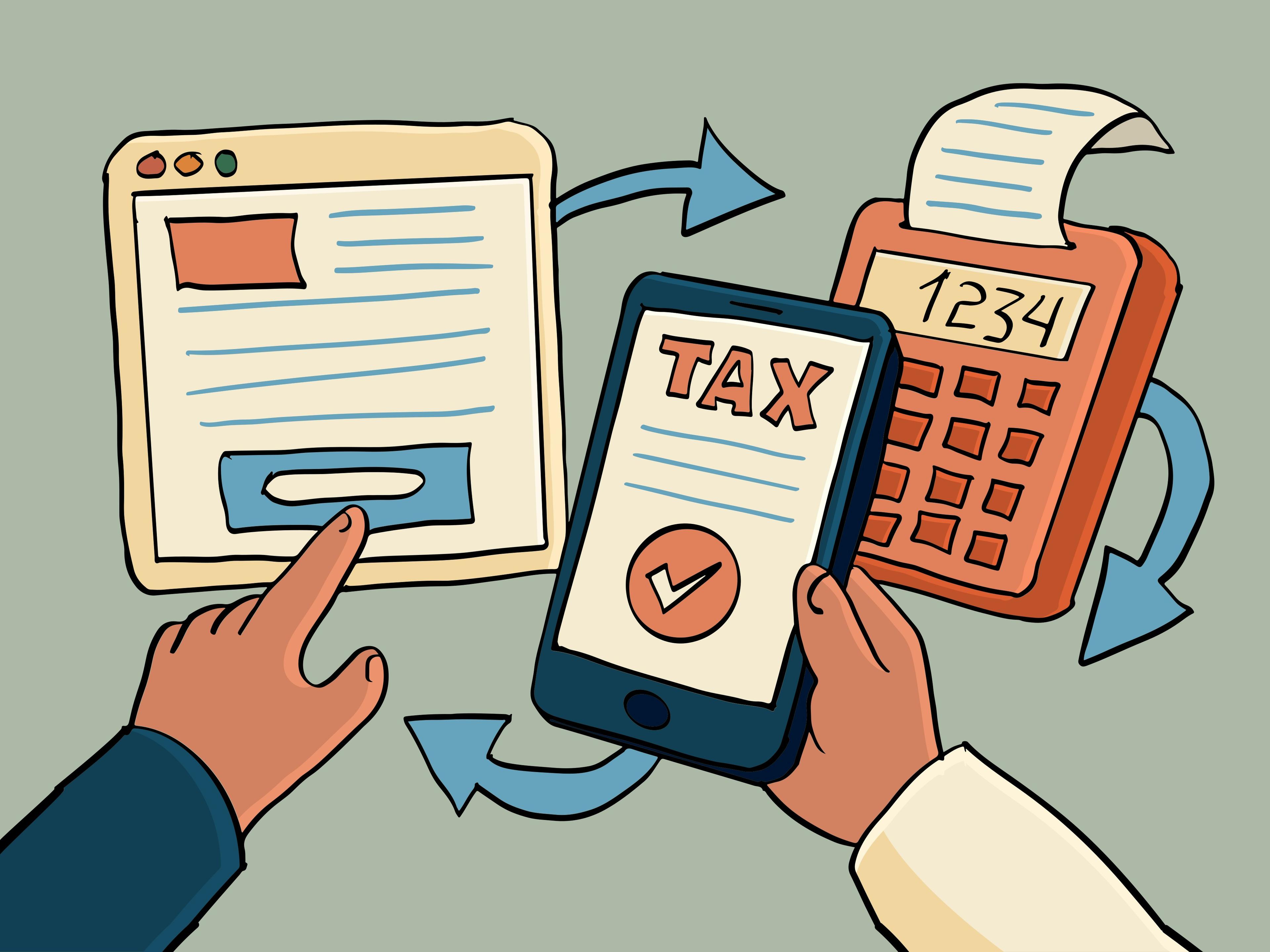
The phrase “No Tax on Tips” sounds like a simple promise, as if tip income can suddenly bypass taxes the moment it lands in your hand. In reality, the way it works is more procedural and more dependent on definitions than the headline suggests. The benefit is structured as a federal income tax deduction for qualified tips. That difference matters because a deduction changes what portion of your income is subject to federal income tax, but it does not automatically change how tips must be reported, and it does not erase every type of tax connected to tipped earnings.
To understand the mechanics, start with the basic sequence. You still report your tips as income the normal way. For employees, reported tips typically show up in your wages on your year end tax forms. For self employed workers, tips received through a business flow into your business income reporting. The “No Tax on Tips” benefit then comes in as a deduction you claim on your return, reducing your taxable income by the amount of qualified tips, up to the limits that apply. This is why some workers will still see federal income tax withheld from their pay during the year even if they qualify. The real payoff often appears at filing time, when the deduction reduces the final tax calculation and may increase a refund or lower what you owe.
Timing is also part of the story. The rule applies for a defined window rather than permanently. Under the current structure, it is intended to apply for tax years 2025 through 2028. That means the first practical moment many people will feel it is when they file a 2025 return, typically in early 2026. It also means planning should be cautious. If you are counting on the savings for long term budgeting, remember that temporary tax provisions can change, and even when they do not change, the way they are administered often evolves after the first year.
Eligibility is where the policy stops being a broad slogan and becomes a set of gates. The deduction is capped, so even if you earn more than the cap in tips, you cannot deduct beyond that ceiling. There is also an income based phaseout that limits or removes the benefit for higher earners. In addition, the filing status rules matter. Married taxpayers filing separately are generally excluded from claiming the deduction, which can surprise couples who file separately for other reasons. If you are married and in a tipping heavy line of work, that filing choice can become a meaningful factor in whether the policy helps you at all.
Then comes the question most tipped workers ask first: what actually counts as a tip for this purpose. In everyday language, a tip is any extra amount a customer leaves. In tax administration, the distinction that matters is whether the payment is truly a tip or whether it is a service charge dressed up as a tip. A true tip is voluntary. The customer decides the amount, the customer is not penalized for leaving nothing, and the payment is not required as a condition of receiving service. Mandatory gratuities, automatic charges added to bills, and many “service fees” are treated differently. They are typically considered regular wages or business receipts rather than tips, even if customers assume they are tipping. That difference can change whether the amount qualifies for the deduction.
People also get tripped up by the phrase “cash tips.” Many assume it means only physical cash. In tax usage, “cash tips” often includes tips left on credit and debit cards as well as tips distributed through tip sharing or tip pools, because the defining feature is that it is cash like compensation as opposed to noncash items. Noncash tips are things like tickets, goods, or other property. The practical takeaway is not to obsess over whether a tip was handed to you in bills or added to a card receipt. The more important issue is whether it was a voluntary tip rather than a mandatory charge, and whether it was properly tracked and reported.
The biggest gatekeeper, though, is occupational eligibility. The policy is designed around the idea that tips should qualify only in jobs where tipping is customary and regular. That is meant to prevent a world where all kinds of professionals re label fees as “tips” to dodge taxes. As a result, the concept of a “qualified occupation” sits at the center of the rule. If your role is not on the list of occupations that are recognized as customarily tipped, your tip income might not qualify even if you personally receive tips in practice. Conversely, if your role is on the list, you still need the tips themselves to meet the definition of qualified tips. This is why the benefit can feel uneven. It is not only about what you earn, it is about how your work is classified and how the payment is characterized.
It is also important to be clear about what the policy does not do. Even if your tips qualify for the deduction, that does not automatically eliminate payroll taxes. Social Security and Medicare taxes are separate from federal income tax, and tip income is generally subject to those payroll taxes when it is wages. For self employed workers, the equivalent burden is self employment tax. The deduction targets federal income tax, not the payroll tax system. That means your “tax free tips” will not necessarily feel tax free in your paycheck, and it is possible to still have meaningful tax withholding during the year. Another limitation is geography. States and cities are not required to mirror federal deductions. Depending on where you live, your tips may remain taxable under state income tax rules even if you receive a federal benefit.
So how do you claim it in a way that holds up. In most cases, it is designed to be an “above the line” style deduction that can be claimed regardless of whether you itemize. That matters because many tipped workers take the standard deduction. If the benefit required itemizing, far fewer people would see it. But a deduction that reduces taxable income directly can help even when you do not itemize. The practical workflow remains familiar: report your income accurately, then claim the deduction you qualify for on the return.
This is where recordkeeping becomes the quiet make or break step. Tipped workers have always been expected to keep records of tip income. In practice, many people are careful about what they report to their employer for payroll purposes but less consistent about maintaining a personal log that would help them reconstruct totals if something does not match at filing time. A deduction based on tips creates a stronger reason to keep that log. If you want to claim a meaningful deduction, you need to be able to support the amount of tips you say you earned and to distinguish tips from service charges when your workplace uses both. In the first year or two of implementation, reporting forms and employer systems may not label everything as cleanly as taxpayers hope. When paperwork lags behind policy, the person with a clear personal record is in a better position than the person relying on memory.
It also helps to think about the policy in terms of how it affects cash flow. A deduction lowers taxable income, which usually lowers income tax. That can lead to a bigger refund at filing time, but it may not immediately raise your take home pay unless your withholding is adjusted. Some workers will be tempted to treat the policy like a guaranteed raise and start spending the expected savings before they see it. That is risky for two reasons. First, eligibility depends on definitions and limits, and if you misjudge them you can end up short at tax time. Second, even if you qualify fully, the savings may arrive as a year end adjustment rather than a weekly boost.
A simple illustration helps. Imagine a server who earns regular wages plus tips throughout the year. All of that still counts as income that is reported. The “No Tax on Tips” benefit then reduces the taxable income calculation by the amount of qualified tips, up to the cap, subject to the phaseout. In plain terms, the deduction can lower the slice of your income that federal income tax applies to. If you are in a modest tax bracket, the savings per dollar of deduction will be smaller than it would be for someone in a higher bracket, but the point is the same: you are reducing taxable income, not rewriting your income statement. Payroll taxes may still apply and may already have been withheld, which is why the policy can still feel less dramatic than the slogan implies.
For planning, the healthiest way to treat the benefit is as a temporary advantage that you use to strengthen your financial position rather than inflate your lifestyle. If your income is tip heavy, your months can look uneven even in a good year. If the deduction increases your refund or reduces your tax bill, it can be a chance to smooth out those uneven months. Some people will use it to shore up emergency savings, reduce high interest debt, or cover predictable expenses that tend to hit hard in slow seasons. The exact choice depends on your situation, but the broader principle is to avoid building a permanent budget around a benefit that may only last a few years.
There is also a fairness and compliance angle worth acknowledging. Because the deduction is tied to what is reported, it creates a tension for workers who operate in cash heavy environments. Underreporting tips has always been a compliance issue, but it can also backfire personally. Reported income affects more than taxes. It can affect your ability to qualify for credit, rent an apartment, or document income for a mortgage. It can also affect future Social Security benefits because those benefits are linked to reported earnings. Even though payroll taxes can feel painful in the moment, reported earnings are part of how future benefits are calculated. When people focus only on “no income tax,” they sometimes miss how the broader system connects.
The final point is that the policy’s simplicity is mostly in its marketing, not in its execution. Whether you benefit depends on your occupation, your income level, how your workplace structures payments, and how well your tip records match the official forms you receive. If your situation is straightforward and your job is clearly in a traditionally tipped category, the deduction may be relatively easy to claim and may lower your federal income tax meaningfully. If your role is not clearly tipped, if your earnings are near the phaseout threshold, or if your income comes from multiple jobs or platforms, the details matter more and the risk of misunderstanding rises.
Because tax rules are personal and because implementation details can evolve, it is smart to approach the first year with a careful mindset. Track your tips as you earn them, understand the difference between a voluntary tip and a mandatory charge, and do not assume your paycheck withholding will perfectly reflect the new benefit right away. If you are uncertain about whether your occupation qualifies or how your workplace classifies certain charges, a quick conversation with a tax professional can be worth it, especially if the deduction could materially change your year end tax result. This is one of those policies that can help, but only if you treat the headline as the start of the story, not the whole thing.
 WhatsApp
 Instagram
 Threads