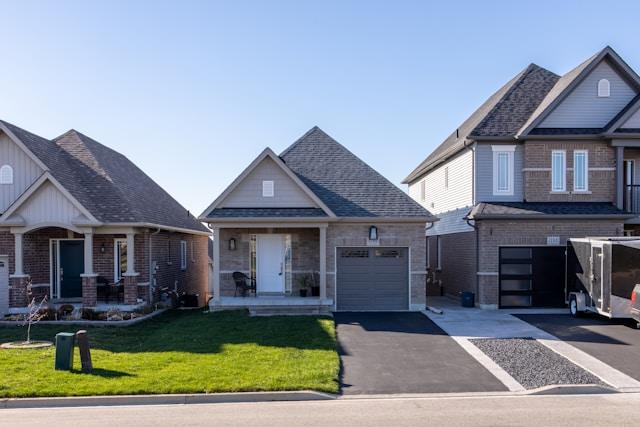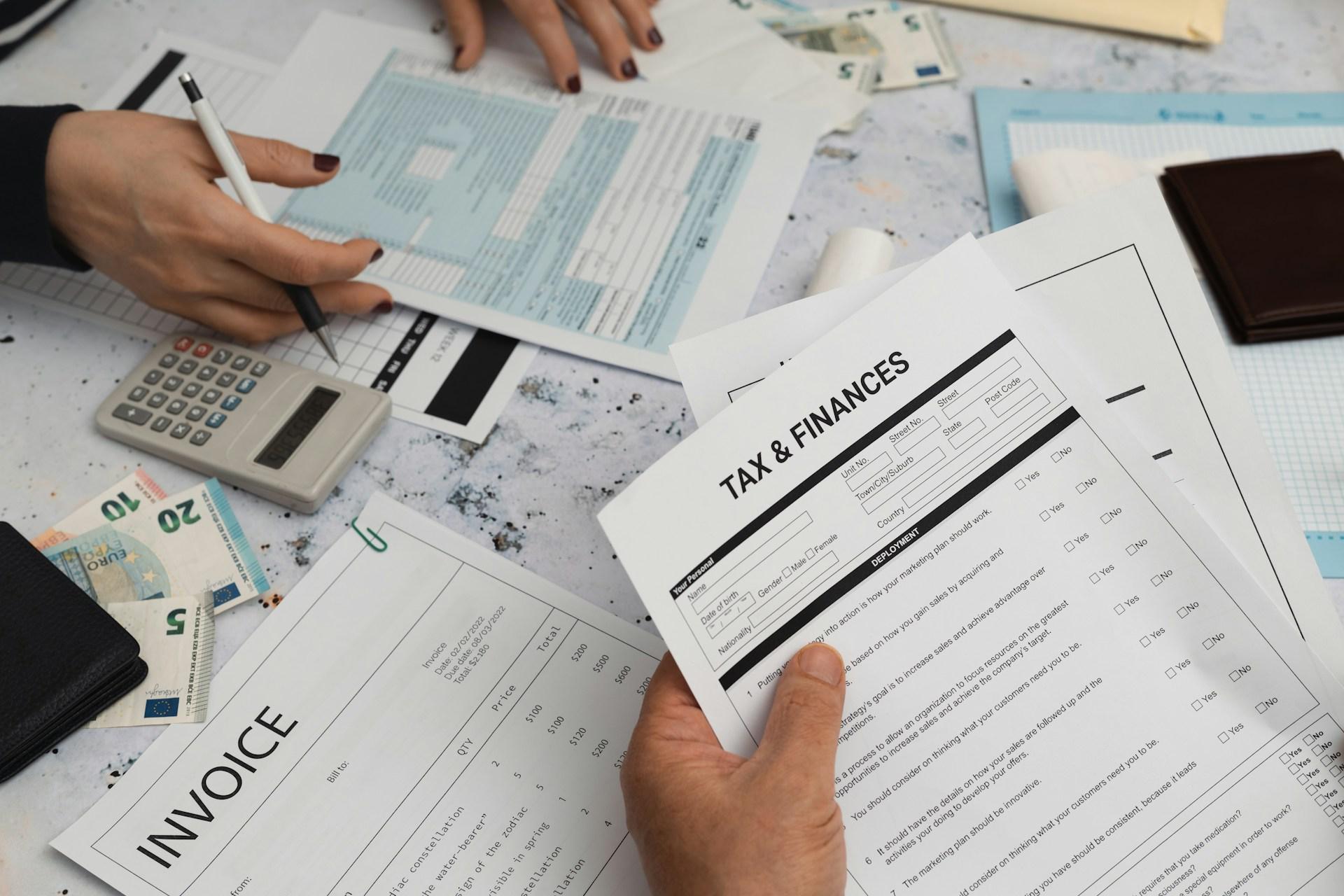
Property taxes can feel personal in a way few other taxes do. The bill arrives with your name on it, tied to the home you live in and the neighborhood you know, and it can rise even when your paycheck does not. That emotional reaction is understandable, but it can also hide what property taxes are doing behind the scenes. In the United States, property taxes are important for local governments because they provide a stable, locally controlled stream of revenue that keeps essential public services running, supports long-term planning, and anchors the way communities fund schools, safety, and infrastructure.
Local governments carry responsibilities that do not pause when the economy slows. Streets still need maintenance, storm drains still clog, parks still need care, and emergency services must be ready at all times. Schools must open their doors on schedule, pay teachers, keep buildings safe, and provide transportation. These are not optional services that can be turned off for a quarter to wait for better revenue. A central challenge for any local budget is reliability. Sales tax revenue can swing with consumer spending, and income-related revenue can drop quickly during layoffs or downturns. Property taxes, while not immune to broader market cycles, tend to be comparatively dependable because the tax base is tied to real estate that changes hands and revalues over time rather than collapsing overnight. Even when housing markets cool, the administrative structure of property taxation and the gradual nature of assessment adjustments can help local governments avoid the sharpest revenue shocks. That stability matters because many of the biggest local costs are payroll-heavy. Teachers, firefighters, police officers, sanitation workers, and public health staff are not paid only when the economy is booming. A steadier revenue stream helps a city, county, or school district maintain continuity, protect service quality, and plan responsibly.
Property taxes are also important because they fit the reality of what local governments can realistically tax. Local jurisdictions do not always have wide authority to create new taxes, and in many states their powers are limited by law. Even when local leaders want to diversify revenue, they may be constrained from adopting local income taxes, expanding sales taxes, or creating specialized levies without state permission or voter approval. Property taxes, by contrast, are a long-established tool that local governments are typically authorized to administer. This matters more than it seems. A government can only run on revenue sources it can actually collect and adjust. Property taxes often become the primary lever local officials can pull when costs rise or when residents demand more services.
There is also a practical reason property taxes work at the local level. Real estate is located in a specific place. A home, an apartment building, a warehouse, or a commercial plaza sits within the boundaries of the government that provides services to it. Unlike certain types of income or business activity, property cannot be moved across a border to escape local taxation. Ownership is recorded in public documents, and the taxable object is visible and relatively straightforward to identify. That makes property taxes administratively feasible. In a world where commerce can be digital and income can be earned remotely, the immobility of land and buildings gives local governments a reliable base that is difficult to conceal and difficult to relocate.
The relationship between property taxes and local public services is not only about practicality. It is also about the way communities create and protect value. When local governments maintain safe streets, fund schools, repair roads, manage parks, and respond to emergencies, they contribute to the desirability of living in the area. Over time, that desirability tends to show up in property values, even though the relationship is not perfect and can vary widely by region. This creates a feedback loop. Local services support community quality, community quality supports property values, and property values support the property tax base that funds services. Residents often feel the burden of the tax more sharply than the benefit of the service, partly because the benefit is distributed across daily life rather than appearing as a single tangible item. Yet the system is built around the idea that property ownership reflects a stake in the community’s shared infrastructure and institutions.
Nowhere is the importance of property taxes more visible than in public education. In many parts of the United States, property taxes are closely tied to K–12 school funding. Even when state and federal dollars contribute significantly, local funding remains crucial, and property taxes are frequently the dominant local source. Schools are among the largest line items in local budgets, and they require consistent funding to function well. Education spending includes far more than classroom instruction. It covers building maintenance, technology, special education services, transportation, meals, counseling, and the staff that keeps schools operating. Because education is both costly and central to community well-being, it is one of the main reasons property taxes remain essential. When people say that their property taxes support schools, they are often describing one of the largest and most structurally important connections in local finance.
This education link helps explain another reason property taxes matter: local autonomy. The United States is designed as a layered system of government, and local communities often want meaningful influence over what their schools and public services look like. Property taxes are a form of own-source revenue, meaning they allow local governments to raise funds directly rather than relying entirely on state allocations or federal grants. That independence is not just a political talking point. It can determine whether a school district can reduce class sizes, expand programs, repair aging buildings, or respond quickly to population changes. It can determine whether a city can staff a fire department adequately, replace outdated equipment, or invest in flood mitigation. When local revenue is tied closely to local decisions, communities can shape services to reflect local priorities. At the same time, this autonomy brings accountability. When residents want more services, the funding must come from somewhere, and property taxes often become the place where that tradeoff becomes explicit.
Property taxes also support the ability of local governments to borrow for long-term projects. Cities and counties frequently finance major infrastructure through municipal bonds. Investors who buy those bonds look for stable revenue streams that can support repayment. A dependable property tax base can strengthen a local government’s creditworthiness, reduce borrowing costs, and make it easier to invest in projects that benefit the community over decades. These projects include road improvements, school construction, water systems, sewer upgrades, and public facilities. If property tax revenue were replaced by a more volatile source, borrowing could become more expensive or more difficult, and the long-term cost to residents could rise even if the short-term tax bill fell.
For homeowners, it can be helpful to understand property taxes not as a single number but as the outcome of a formula shaped by assessments and rates. Although the details vary by jurisdiction, property tax bills generally reflect an assessed value multiplied by a tax rate, sometimes adjusted by exemptions, credits, or caps. If the assessed value rises because local property values rise, the bill can increase even if the tax rate remains the same. If local governments raise rates to meet budget needs, the bill can increase even if property values are stable. Sometimes rates are lowered while assessments rise, producing a bill that still grows. Because these moving parts interact, property taxes can feel unpredictable in practice even though they are predictable in structure. The most useful planning mindset is to treat property taxes as a recurring cost of owning the asset, one that can change with local economics and local policy choices.
This is where the importance of property taxes for local governments becomes more personally relevant. A homeowner’s property tax bill is tied to the cost of delivering services in that area. If labor costs rise, if infrastructure ages, if the population grows, or if voters approve new projects, budgets need to adjust. Local governments can cut services, seek more outside aid, or raise more revenue. When other revenue sources are limited or volatile, property taxes become the practical option. This does not mean property taxes are always fair or painless. It means they are often the most available tool that local governments can use to keep the basic machinery of public life functioning.
At the same time, property taxes expose a persistent challenge in the United States: inequality across communities. Because property values vary widely, the ability to raise revenue through property taxes varies too. A community with high property values can sometimes generate substantial funding with relatively modest tax rates, while a community with lower values may need higher rates to raise the same amount and still struggle to fund comparable services. This dynamic is especially sensitive in education, where differences in local property wealth can translate into differences in school resources unless state funding formulas successfully offset the gap. Many states attempt to equalize funding through aid formulas and redistribution, but the tension remains. This does not negate the importance of property taxes. Instead, it explains why debates about property taxes often become debates about equity, opportunity, and the role of state government in balancing local capacity.
The equity issue also intersects with household strain, particularly for people on fixed incomes. Property values can rise rapidly in a neighborhood, pushing assessed values and tax bills upward even if long-time residents do not experience a matching rise in income. Local governments often respond with targeted relief mechanisms such as homestead exemptions, circuit breakers, or caps on assessment increases. These tools are attempts to preserve the revenue function of property taxes while reducing the risk that residents are priced out of their homes by tax burdens. The existence of these relief mechanisms underscores how crucial property taxes are. Rather than eliminating the tax, policymakers usually modify it, because removing it entirely would create a large hole in local budgets that would need replacement.
This leads to a final reason property taxes remain important: replacing them is harder than it sounds. If a local government eliminated property taxes, it would need to cut spending dramatically or shift the burden elsewhere. Raising sales taxes might be an option, but sales taxes can be regressive and can fluctuate with consumer behavior. Local income taxes could be another option where legally permitted, but they can also fluctuate with employment and can create political resistance. Larger state transfers could replace local revenue, but state budgets have their own constraints and political cycles, and greater dependence on state aid can reduce local autonomy. In many cases, eliminating property taxes would not remove the cost of local services. It would simply change how that cost is collected and who pays it, often while making funding less stable.
Understanding why property taxes are important for local governments can help homeowners and renters approach the issue with clearer expectations. For a homeowner, property taxes are part of the carry cost of real estate, alongside insurance, maintenance, and mortgage payments. Unlike a fixed-rate mortgage, property taxes can change even when your loan payment does not. That means they belong in your long-term housing budget, not as an afterthought but as a moving expense that can rise over time. For renters, property taxes still matter because landlords often factor them into rent, especially in markets where costs are passed through. Even if you never see the bill directly, the local tax structure can influence housing affordability and neighborhood investment.
In the end, property taxes persist because they are one of the few revenue sources that align with local needs, local authority, and local geography. They fund services that shape everyday life, especially public education and safety. They provide a relatively steady base that supports budgeting and borrowing. They connect the value of local property to the cost of maintaining the community that gives that property value in the first place. They also highlight real inequities that require thoughtful policy design, which is why property taxes are debated so intensely. It is reasonable to feel frustrated by a rising bill. It is also useful to recognize what the bill represents. Property taxes are not simply a fee for owning a house. They are a core way local governments turn the shared responsibilities of living together into a budget that pays for schools, roads, emergency response, and the daily systems that make a community function. When you view property taxes through that lens, their importance becomes clearer, even if the cost still stings.
Ch
 WhatsApp
 Instagram
 Threads