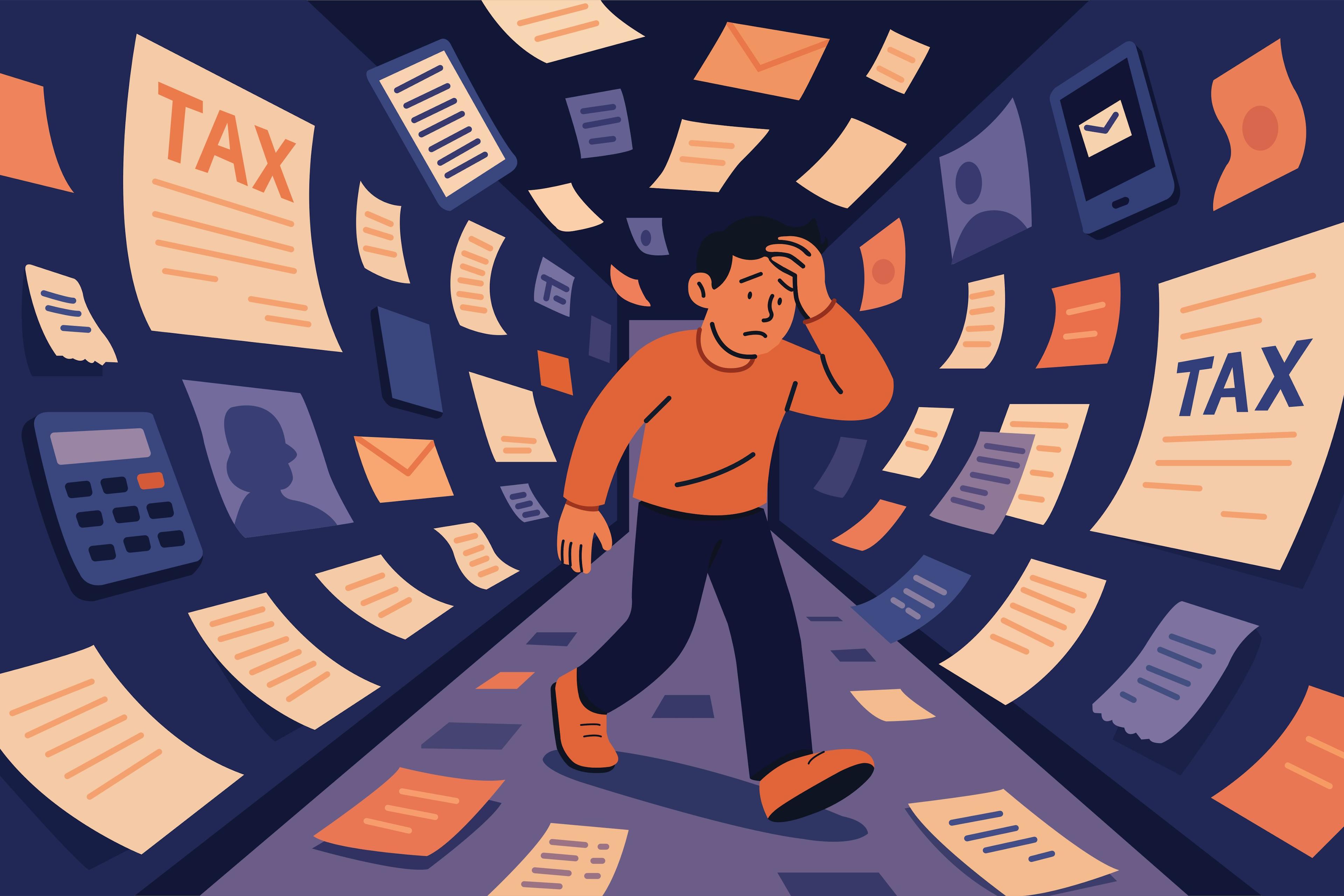
Property investing often begins with a simple question: will the rent cover the mortgage and leave something extra at the end of the month. That approach feels practical, especially for first time investors who are trying to keep the numbers manageable. Yet one cost has a way of cutting through optimistic assumptions and forcing a more realistic view of profitability. Property taxes may look like a routine expense, but they can shape whether a deal works, how much risk an investor is taking, and what kind of return is truly possible.
The reason property taxes matter so much is that they are recurring, unavoidable, and largely outside an owner’s control. Unlike renovation budgets, insurance providers, or even financing terms, taxes are set by local governments and are due regardless of whether the property is fully occupied. A unit can sit vacant for months and the tax bill still arrives on schedule. A tenant can pay late and the tax bill still arrives. Even if the market slows and rental demand softens, property taxes rarely adjust downward quickly enough to protect the owner’s cash flow. This single feature turns taxes into a foundational part of the investment decision rather than a minor line item.
At the most immediate level, property taxes reduce cash flow. Every property has income, usually rent, and every property has expenses that must be paid before profit exists. Taxes sit in that category of non negotiable costs. When they rise, an investor keeps less, and the room for error shrinks. Many investors discover this after purchase when they realize their monthly payment is higher than expected because taxes are included through mortgage escrow, or when an annual tax bill forces them to dip into savings. A property that looks profitable on paper can become fragile in practice if taxes consume a meaningful share of income.
The bigger issue is not only the amount of tax but also the predictability of tax. Investors can plan around stable expenses, even if they are high, because stability allows for accurate forecasting. Unstable taxes, however, introduce a kind of uncertainty that makes decision making harder. If a jurisdiction reassesses property values aggressively or raises rates frequently to cover budget needs, an investor is left guessing how much their baseline costs will rise. That uncertainty matters because it affects how much cash reserve the investor must hold, how much debt they can safely take on, and how confident they can be in holding the property long term.
Property taxes also influence valuation, even when investors do not consciously think in those terms. The value of an income producing property depends heavily on the net income it generates after operating costs. When taxes rise, net operating income falls. When net operating income falls, the price an investor should rationally pay also falls, unless the market is willing to accept lower returns. In other words, higher taxes reduce the income that supports the property’s value. This is why two properties that look identical can carry very different investment profiles simply because they exist under different tax regimes.
This connection between taxes and value becomes even more important when thinking about resale. A future buyer will also consider taxes, and in many markets, owner occupants will feel the tax burden just as strongly as investors do. High taxes can raise the all in monthly cost of ownership, which can reduce affordability and cool demand. If demand softens, appreciation may slow, and selling may take longer. An investor who ignores taxes at purchase is not only taking a cash flow hit, but may be weakening their eventual exit options as well.
Some investors assume they can solve tax increases by raising rent. In reality, rent is limited by the market. If competing units are abundant, if tenant incomes are not rising, or if regulations restrict rent growth, the ability to pass rising taxes onto tenants is limited. The investor then absorbs the increase through reduced profit. Over time, this can push owners toward riskier strategies, such as targeting higher income tenants, spending more on renovations to justify rent increases, or accepting tighter margins in the hope that appreciation will compensate. Each of these decisions carries its own risks and costs, which again ties back to the initial tax environment.
Taxes also affect financing and leverage. Lenders evaluate whether a property can comfortably service debt, and property taxes are part of that equation. Higher taxes reduce the income available to cover mortgage payments, which can lower borrowing capacity or force larger down payments. That matters for investors who want to scale, because it determines how quickly they can acquire additional properties and how resilient their portfolio is during periods of vacancy, repairs, or economic stress.
One of the most overlooked risks is reassessment. The tax amount shown in a listing may reflect the seller’s historical assessment rather than what the buyer will face after purchase. In some places, a sale triggers reassessment at a higher market value, and the new owner sees a sharp increase in taxes soon after closing. This can turn an apparently healthy deal into a strained one almost overnight. Renovations can have a similar effect. Improvements may increase rent potential, but they can also increase assessed value and raise the tax burden. If an investor budgets only for renovation costs and ignores the long term tax impact, their projected returns can be overly optimistic.
Viewed more broadly, property taxes are a signal about local policy and local financial health. A well managed area may collect taxes reliably and reinvest them in services that preserve property values and strengthen demand. Another area may raise taxes repeatedly to compensate for shrinking revenue or poor budget management, creating a heavier burden on owners without delivering the conditions that support strong long term returns. Investors are not only buying buildings; they are buying into a local system of governance, budgeting, and service delivery. Taxes are one of the clearest ways that system shows up in the investment math.
Incentives and exemptions add another layer. Some jurisdictions offer abatements or temporary reductions to encourage development or revitalization. These can make a property look unusually profitable in the early years, but investors must consider what happens when the incentive ends. The real test of durability is whether the property still works once taxes normalize. Deals that only succeed during a promotional period may create unpleasant surprises later, especially for investors who planned to hold long term.
Ultimately, property taxes shape investment decisions because they touch the core drivers of success: cash flow, valuation, risk, and exit potential. They can compress returns in quiet ways, gradually eroding profitability and leaving less room to handle vacancies, repairs, or shifting market conditions. They can also influence whether a property feels like a stable, long term asset or a constant balancing act. A sound investment is not one that works only when everything goes perfectly. It is one that can survive real life, where expenses rise, income fluctuates, and unexpected costs appear. Property taxes are one of the most consistent costs in that reality, which is why understanding them is not optional. It is part of deciding whether a property is truly an investment or simply a purchase that depends on luck to become one.
 WhatsApp
 Instagram
 Threads