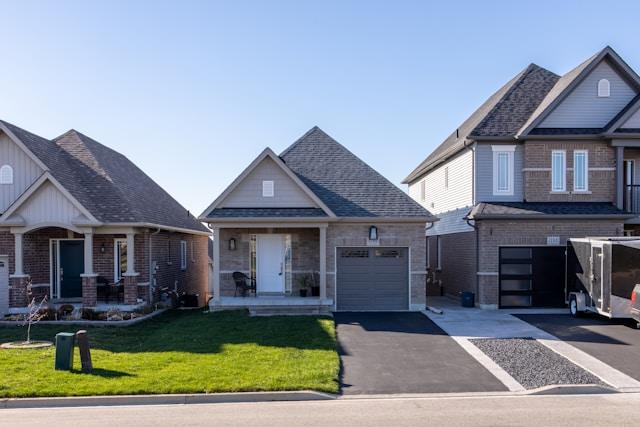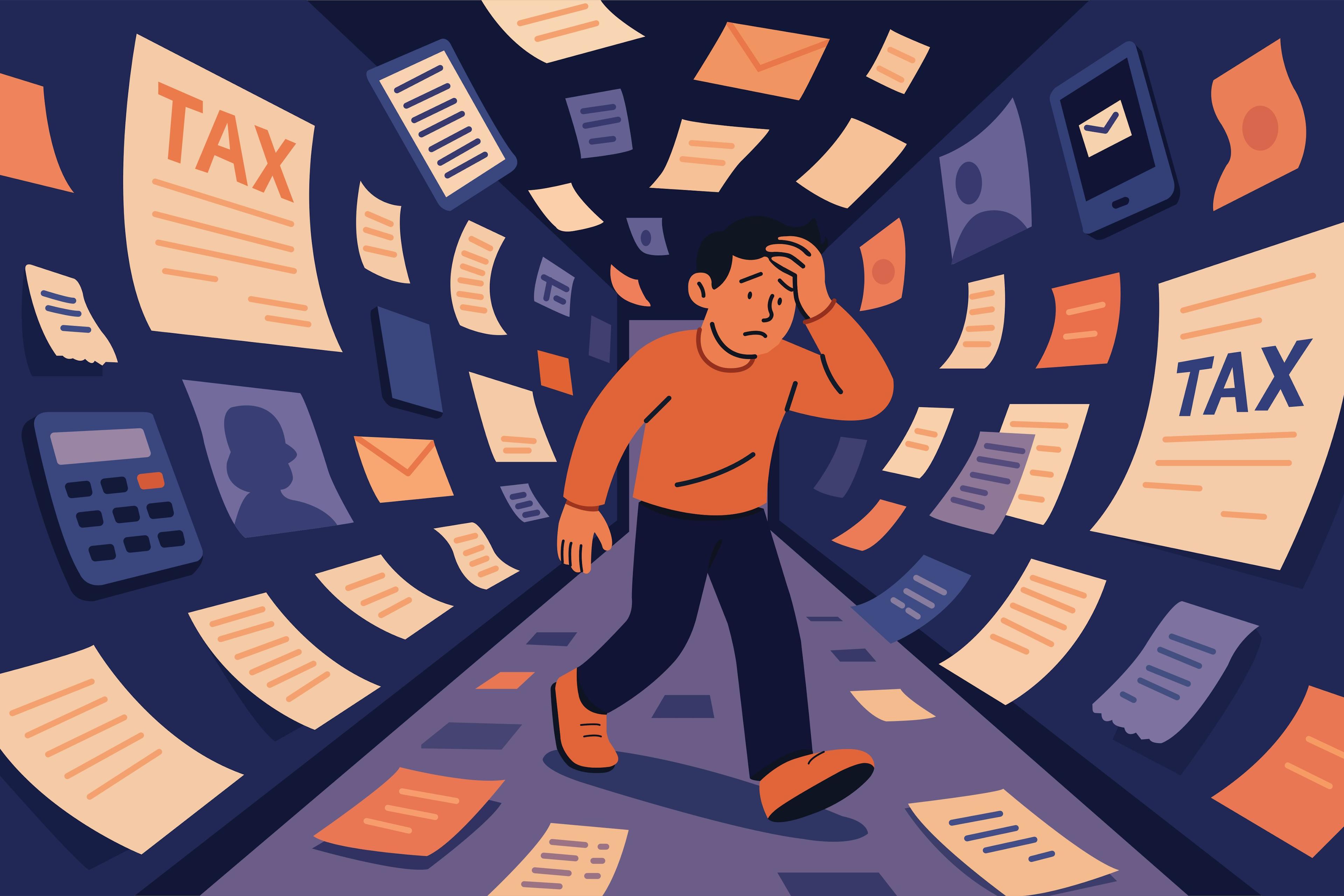
Property taxes in the United States can feel confusing because they sit at the intersection of real estate, local government, and household budgeting. Unlike federal taxes, which follow a national framework, property taxes are largely local. The bill you receive is shaped by the place you live, the type of property you own, and the rules your state allows counties, cities, school districts, and other local agencies to use. Once you understand the basic logic behind the system, property taxes become less mysterious. They are not a random penalty for owning a home. They are a structured way for local communities to fund everyday services, and your home’s tax bill is the result of a fairly consistent process that repeats each year.
At the heart of property tax is a simple idea: local governments need stable revenue to pay for services that benefit residents. Schools, police and fire protection, libraries, parks, road maintenance, local administration, and public infrastructure are expensive to run and must be funded year after year. Property taxes are a popular tool for that purpose because real estate is difficult to hide or move. A home sits in one place, has a clear owner on record, and can be valued using public information and standardized methods. That makes property tax a reliable income stream for local budgets, even when economic conditions change.
Even though the logic is consistent, the details differ widely across the country. Each state creates the legal framework that determines what can be taxed, how property should be valued, what exemptions may exist, and how local governments can set rates. Within that framework, local authorities handle the day-to-day work. They value property, determine what portion of that value is taxable, send bills, collect payments, and enforce delinquent taxes. That local control is why two homeowners with similar houses in different states can face very different tax bills, and why neighbors on the same street can sometimes pay different amounts.
The property tax process usually begins with valuation. A local assessor’s office estimates the value of every taxable parcel of real estate in its jurisdiction. This value is meant to reflect a defined standard, which might be market value, a percentage of market value, or a value calculated through a specific formula. The assessor does not typically inspect every home each year in person. Instead, they rely on property records, building characteristics, neighborhood trends, and sales data to estimate value. Many jurisdictions use mass appraisal models that compare recent sales and adjust for features such as square footage, number of bedrooms, renovations, lot size, and location. Because the system is designed to be applied at scale, it can be accurate overall while still making mistakes on individual properties, which is one reason it matters to review your assessment notice when it arrives.
After the assessor estimates a value, the next question is what portion of that value can be taxed. This is where exemptions, classifications, and caps come in. Many states offer some kind of homestead exemption or primary residence relief, which reduces the taxable value of the home you live in. There may also be additional exemptions for seniors, veterans, people with disabilities, or qualifying low-income households. In some areas, different types of property are taxed differently. Residential property might be assessed using one approach, while commercial or industrial property follows another. Some states and localities also have rules that limit how fast taxable value can rise each year for certain homeowners, often long-term residents. These rules can be meant to protect people from being priced out by rapidly rising home values, but they also contribute to complexity. Two houses that look identical may have different taxable values because one owner qualifies for exemptions or has been protected by a cap over many years.
Once the taxable value is determined, the rate is applied. People often talk about property tax rates as if they are chosen in isolation, but in many places the rate is closely connected to budgets. Local entities such as school districts, counties, and municipalities decide how much money they need to operate. After accounting for other revenue sources, they determine how much must be collected through property taxes. That need is then spread across the local tax base, which is the total taxable value of property within the jurisdiction. The outcome is an effective rate that, when applied to all taxable property, generates the revenue required for the budget. This is why your bill can rise even if your local government claims the rate has not increased, because the taxable value of your property might have risen. It is also why your bill can rise even if the rate goes down, if values increase enough that the total tax collected still grows.
Rates may be expressed as percentages or as mills. A mill is one dollar of tax per one thousand dollars of taxable value. If a jurisdiction has a combined rate of 20 mills, that equals two percent of taxable value. In practice, homeowners often face a combined rate because multiple taxing authorities may apply taxes to the same property. A single bill might include charges for the county, the city, the school district, and special districts such as a fire authority or water management district. The combined effect of these layers creates the total amount owed. This layered structure is a major reason that property taxes feel complicated. The bill is not the product of one decision, but the sum of multiple local decisions that come together in one statement.
Another detail that surprises many homeowners is the presence of additional charges that are not strictly part of the general tax rate. Special assessments are common in some areas. These are charges for specific improvements, such as street paving, sewer installation, sidewalk projects, neighborhood lighting, or other infrastructure upgrades. They might be calculated per parcel, by frontage, or by another measurement rather than as a percentage of value. They can appear on the same bill as property taxes, which makes the total look like one tax rate, even though the components follow different rules. When trying to understand your bill, it is helpful to look at the breakdown rather than focusing only on the final number.
How property taxes are paid is another part of how the system works in everyday life. Many homeowners pay through a mortgage escrow account. If you have a mortgage, your lender or servicer may collect an estimated amount for property taxes and homeowners insurance as part of your monthly payment. That money is held in escrow and then used to pay the bill when it comes due. Escrow is convenient because it spreads a large annual or semiannual expense across monthly payments. It also protects the lender, because unpaid property taxes can become a serious risk. If the tax authority places a lien on the property, the lien can threaten the lender’s interest in the home.
Escrow, however, can create payment shocks. Your monthly mortgage payment might rise even if your interest rate stays the same. If your property tax bill increases, your servicer will increase the escrow portion of your payment to ensure enough funds will be available for the next bill. If the servicer underestimated the previous year’s taxes and your escrow balance is short, you may be asked to make up the difference. Sometimes you can pay the shortage in a lump sum. Sometimes it is spread across the following year’s payments. Either way, the mechanism is important to understand because it changes how “fixed” a fixed-rate mortgage feels in real life.
Homeowners without escrow, including those who own their homes outright, pay property taxes directly. Billing schedules differ by location. Some jurisdictions bill annually, others bill twice a year, and some offer more frequent payment plans. Due dates, penalties, and discount rules vary as well. In some places you can receive a discount for paying early. In others, penalties and interest begin accruing quickly after the due date. The payment schedule matters for budgeting. A household that is not prepared for a large bill can feel as if taxes have suddenly increased, when the real issue is that taxes have been accruing over time and are simply due on a specific date.
Property taxes also play a role during the home buying process. At closing, taxes are typically prorated between the buyer and the seller based on the date of transfer. If the seller already paid the tax bill for the year, the buyer reimburses the seller for the portion of the year the buyer will own the property. If the tax bill has not been issued, the closing statement may use an estimate, and the exact amounts may be adjusted later. This is one reason buyers are encouraged to review the property’s tax history before purchasing, and also to ask whether a change in ownership will trigger a reassessment. In some states, the assessed value can be reset closer to market value after a sale, meaning a buyer’s future bill may be higher than what the seller paid.
Because valuation is an administrative process, most jurisdictions provide a formal appeals route. If you believe your assessed value is too high, you can usually challenge it within a defined window after the assessment notice is issued. An appeal is not simply a complaint about high taxes. It is a structured argument that the assessed value does not reflect the rules of valuation or that the property is not being treated consistently compared with similar properties. Strong appeals often include evidence such as comparable sales, documentation of property condition issues, or proof that the assessor’s record contains errors. Sometimes the mistake is as simple as incorrect square footage or an extra feature listed that does not exist. Even when homeowners never appeal, it is still useful to review assessment records because small errors can persist for years and inflate taxes over time.
Enforcement is the part of property tax that makes it different from many other obligations. When property taxes are not paid, the tax authority can place a lien on the property. Penalties and interest may accumulate, and over time the government can pursue collection through a tax sale or a foreclosure process, depending on local law. The timeline can vary widely, but the principle is consistent: property taxes are secured by the property itself. This is why lenders take tax payment seriously and why escrow is often required. A tax lien can have strong legal priority, and delinquency can threaten ownership.
Property taxes also affect people who do not own property. Renters may not receive a tax bill, but landlords typically factor taxes into rent. When property taxes rise, landlords may raise rents over time to maintain profitability, especially in markets where costs are already high. In this way, property taxes shape housing affordability across a community, not only for homeowners but also for tenants.
From a personal finance perspective, the most important lesson is that property taxes are a recurring cost that can change over time. Even if your mortgage interest rate is fixed, your total housing payment may not be. The drivers of change include rising property values, changing local budgets, new infrastructure projects, and shifting exemptions. A sensible approach is to treat property taxes as a variable expense with a predictable system behind it. That means monitoring assessment notices, understanding whether you qualify for exemptions, and planning for gradual increases rather than assuming the bill will stay the same.
Property taxes can also influence broader decisions, such as where to live and what kind of home to buy. It is tempting to compare states by a simple ranking of tax rates, but local differences matter more than many people expect. A state with a lower average tax rate can still contain counties with high property taxes due to school funding needs or limited alternative revenue. A state with higher taxes can sometimes offer generous exemptions for primary residences or seniors, which changes what individual households actually pay. The best way to compare is to look at realistic estimates for the specific county and to consider whether the rules create stability or volatility over time.
In the end, property taxes in the United States work through a combination of valuation, taxable value adjustments, locally set rates, and structured payment and enforcement systems. They can feel burdensome, but they also fund the services that shape daily life in a community. When homeowners understand how the bill is produced, they gain practical control. They can estimate future costs more accurately, avoid surprises through escrow or payment planning, apply for exemptions they deserve, and challenge assessments when something is clearly wrong. That shift from confusion to clarity is what turns property taxes from a stressful mystery into a manageable part of long-term financial planning.
 WhatsApp
 Instagram
 Threads