Complying with IRS tax rules matters far beyond checking a box once a year. It is one of the quiet habits that keeps your financial life stable, especially when everything else is already demanding your attention. Most people are not trying to outsmart the tax system. They are juggling work, family, bills, and time. That is exactly why compliance is important. When you handle your tax obligations correctly and on time, you protect your cash flow, your options, and your peace of mind. When you do not, even a small oversight can grow into a problem that consumes money and energy in ways you never planned for.
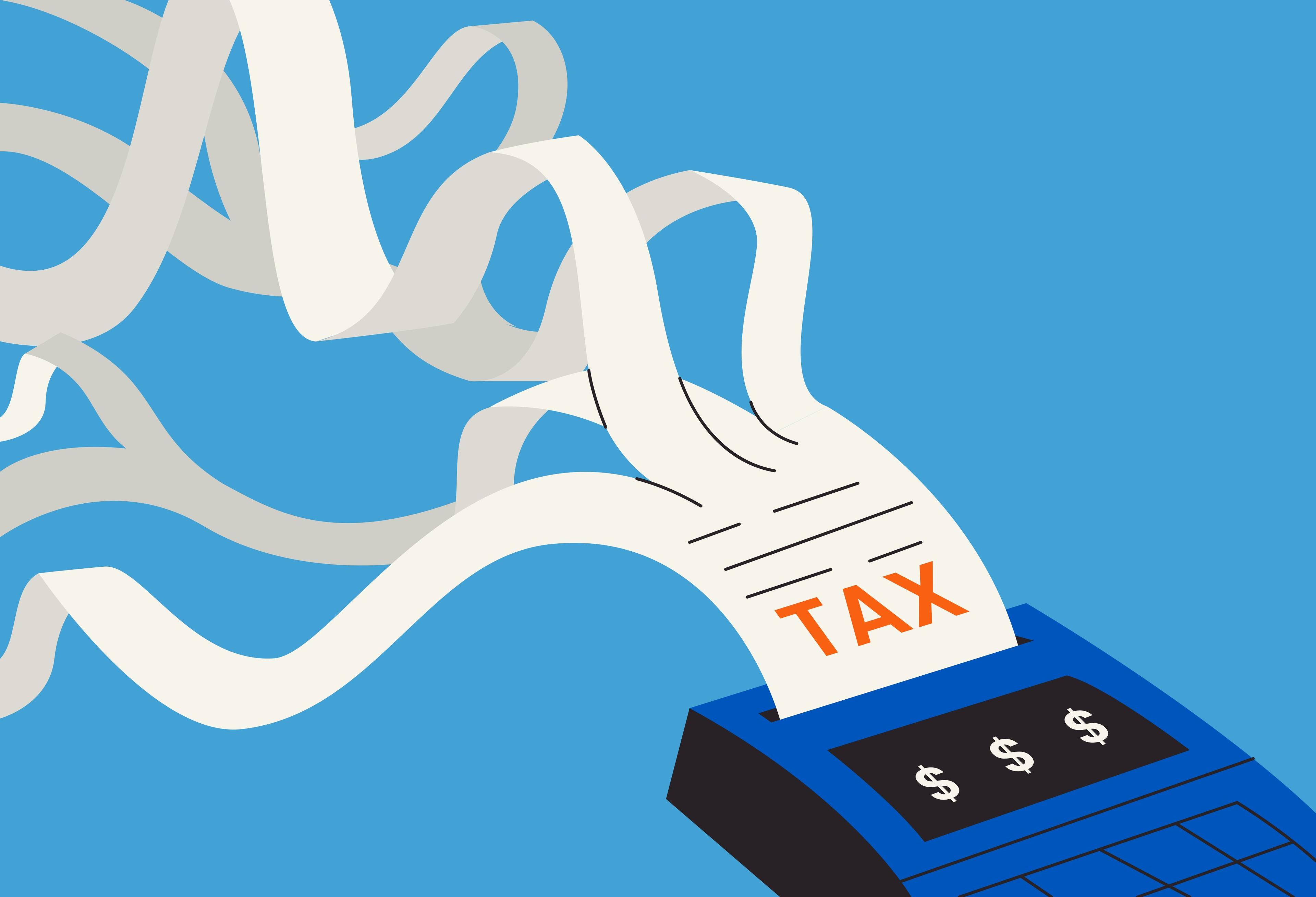
The most immediate reason compliance matters is cash flow. Taxes have a way of turning into expensive debt when deadlines are missed. The IRS can assess penalties for filing late and for paying late, and interest can accrue on unpaid amounts. Those additions may start as a manageable extra cost, but they can compound over time and make it harder to catch up. This is why tax compliance is not just about avoiding a scary letter. It is about preventing a predictable bill from morphing into an unpredictable burden. Even if the original tax amount is not enormous, the combination of penalties, interest, and administrative hassle can strain a budget that was already tight.
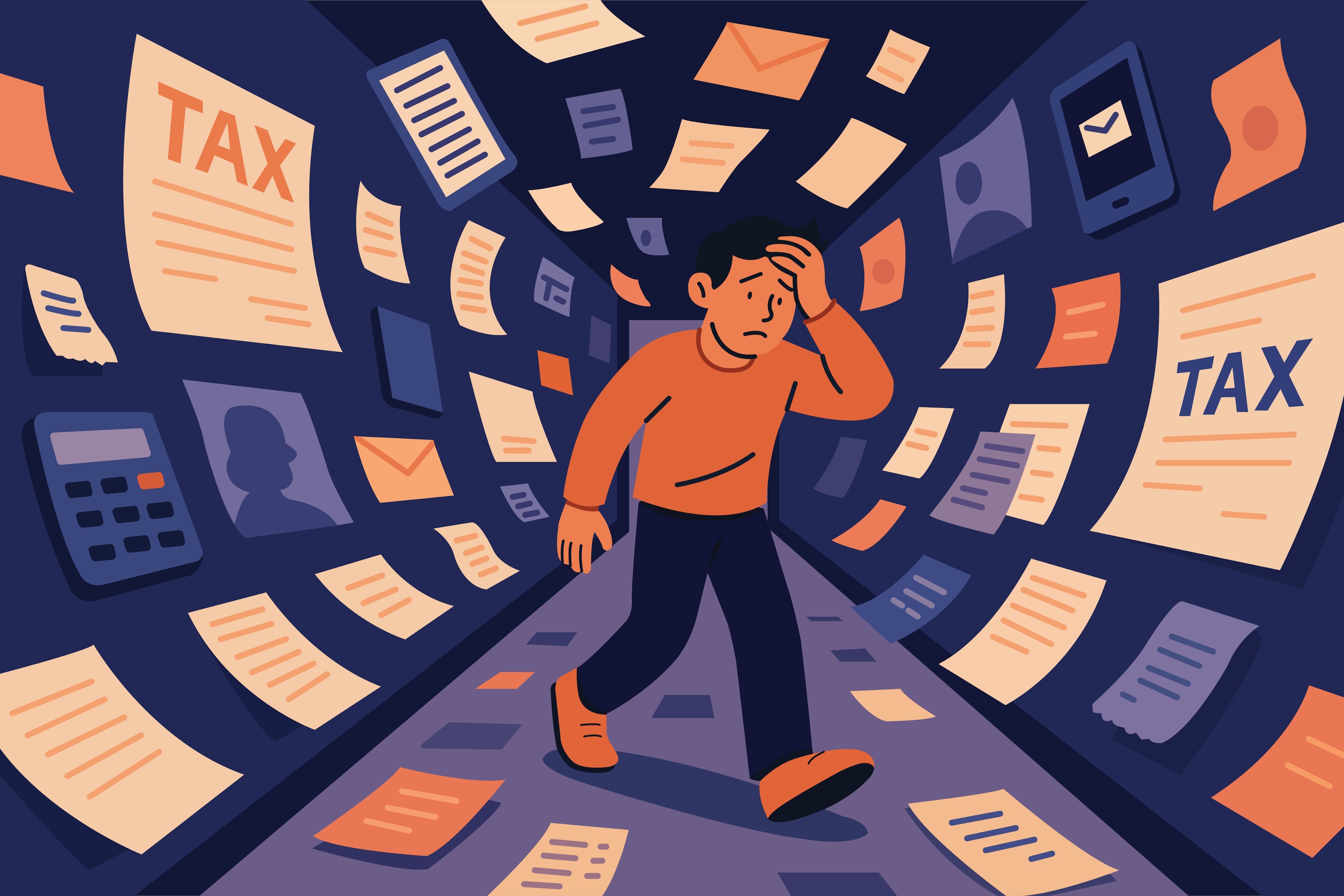
Cash flow issues tend to create a second problem, which is decision pressure. When people fall behind, they often shift into reactive mode. Instead of making a calm choice about how to file, what documents to gather, or how to set aside money, they rush. They guess. They delay because they feel overwhelmed. The result is often a cycle where the anxiety of the task makes the task bigger. Compliance breaks that cycle. It forces a baseline of organization, and that organization pays you back in reduced stress and better choices.
It also helps to understand how the U.S. tax system is designed. The IRS operates within a framework where taxpayers are responsible for reporting income, calculating tax liability, and submitting a return. In other words, compliance is not something that happens passively. It depends on your recordkeeping, your willingness to reconcile your numbers, and your ability to meet deadlines. That can feel unfair when life is busy, but it also means you can control the outcome more than you might think. If your income documents are collected, your expenses are tracked, and your return is prepared with care, you reduce the chance of surprises. If your paperwork is scattered and you file in a rush, you increase the chance that you will miss something and have to revisit the year later.
Many people assume tax problems only happen to people who ignore the system entirely. In practice, the more common story is ordinary: a side hustle that grew faster than expected, investment sales that created taxable gains, a job change that altered withholding, or a mistaken assumption about eligibility for a credit. None of these scenarios automatically imply bad intent. They simply reflect how complex modern financial lives can be. The problem is that the consequences can still be real. Even a good-faith mistake can lead to follow-up notices, delays in processing, or additional tax owed, and resolving those issues takes time and attention.
Beyond immediate costs, compliance protects your financial flexibility. Tax returns are among the most widely accepted forms of documentation for income and financial history. When you apply for a mortgage, refinance, rent an apartment, or seek certain types of financial assistance, you may be asked to provide prior-year returns or official transcripts. If you are self-employed, your tax filings may function as proof of stable earnings. Even if no one is “checking your compliance,” the absence of clean records can quietly limit your choices. It can also slow down decisions you want to make quickly, like taking advantage of a good interest rate or moving for a new opportunity.
This is especially true for anyone with variable income. Freelancers, consultants, gig workers, and small business owners often have to manage their own tax planning rather than relying on employer withholding. Compliance, in this context, is not just about filing a form. It is about maintaining a system throughout the year so you can estimate what you owe, set money aside, and avoid a large, stressful payment at filing time. When that system is missing, people often reach tax season with a mix of dread and confusion, and then they make choices based on fear rather than clarity.
For those who have international exposure, the value of compliance increases again. Cross-border income, foreign accounts, stock compensation, and frequent relocation can add layers of reporting requirements and deadlines. You do not need to be wealthy for this to matter. You only need a financial life that is not perfectly simple. When complexity increases, the safest strategy is to keep the basics clean: accurate reporting, timely filing, and documentation that supports what you claim. Compliance gives you a stable foundation even when the details are complicated.
Some people only become motivated when they hear about worst-case consequences, so it is worth acknowledging them without sensationalizing. If taxes remain unresolved and communication breaks down, the IRS has tools to secure and collect unpaid amounts. At more advanced stages, there may be actions that affect property or accounts, and the process can become far more stressful and restrictive than it needed to be. There are also situations where serious unpaid tax debt can create complications for international travel. Most taxpayers will never get close to these scenarios, but the point is simple: tax issues rarely get easier by avoiding them. Early compliance keeps small problems small, and that is the entire game.
Where tax compliance becomes truly valuable is in the way it supports clarity, credibility, and control. Clarity is about knowing where you stand. Filing accurately forces you to reconcile income sources and understand what you truly earned and kept after taxes. Many people do not see the full picture of their finances until they prepare a return. They might not realize how much income came from a side project, how much was lost to fees, or how much an investment decision changed their tax bill. Taxes, handled properly, become a diagnostic tool that tells you how your financial life is actually performing.
Credibility is about your paper trail. Even if you never show your returns to anyone, having consistent filings is a form of financial credibility you keep in your back pocket. It is proof that you have a track record. It is also evidence that your finances are real and documented, which can matter when you want to make bigger moves, such as buying a home, applying for a loan, or building a business that eventually needs financing. In many adult financial moments, you do not have time to retroactively create credibility. You either have it, or you do not.
Control is the ability to respond with options rather than panic. Life happens. People get laid off, face medical costs, experience business downturns, or make mistakes. If you ever fall behind on taxes, being compliant in the sense of filing your returns and staying current increases the options available to you. Solutions are easier to negotiate when your paperwork is up to date and you are communicating. The IRS tends to be more workable when you are actively filing rather than disappearing. Compliance keeps the door open for resolution paths that are harder to access when you are not current.
It is also important to separate the idea of a mistake from the idea of intentional wrongdoing. Most people fear the IRS because they assume any error will be treated as fraud. In reality, tax administration recognizes a range of behavior, from simple mistakes to negligence to intentional deception. The best protection is not paranoia. It is documentation and honesty. If you can support the numbers on your return with records, and you report income fully and accurately, you reduce the risk of misunderstandings turning into bigger issues. This is another reason compliance is a practical habit, not just a legal requirement. It helps ensure that if questions arise, you can answer them calmly and quickly.
So what does tax compliance look like in real life for someone who is busy and wants a manageable approach? It begins with understanding your own tax profile. A straightforward W-2 job with standard withholding is different from a mix of salary, freelance income, investment sales, and rental income. Each additional income stream increases the importance of recordkeeping. The key is not to become a tax expert. The key is to build a repeatable routine for capturing documents and tracking categories of income and expenses throughout the year.
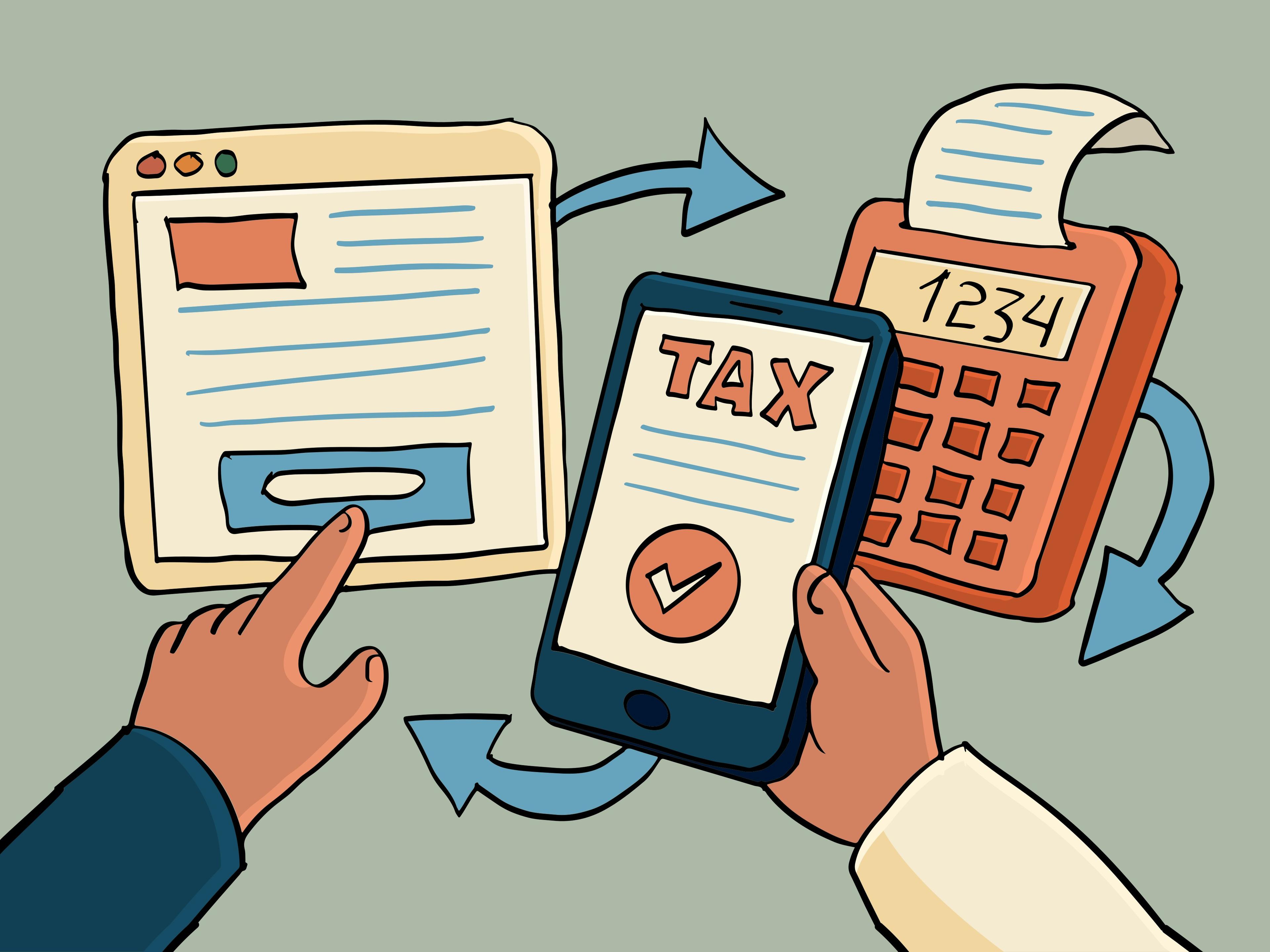
Timing is the next piece. People often misunderstand deadlines, especially when extensions are involved. An extension to file does not automatically eliminate the need to pay what you owe by the original due date. Treat taxes as a planning item, not a surprise. If you have variable income, you can set aside a percentage of each payment into a separate account so the money is ready when you need it. If you have investments, you can learn to anticipate tax implications of sales and distributions rather than waiting for the forms to arrive. The goal is to reduce last-minute chaos and keep your cash flow smooth.
Accuracy matters too, but it does not have to be intimidating. Accuracy, at its core, is collecting all the forms that report your income, reconciling them with your own records, and keeping support for the deductions and credits you claim. If you are unsure, you can slow down and verify rather than guess. One of the simplest self-check questions is this: if someone asked me to support this number, could I do it without drama? If the answer is yes, you are operating within a healthy compliance zone. If the answer is no, you do not need to panic. You simply need to tighten your system.
For self-employed taxpayers, compliance often depends on planning for estimated taxes and keeping clean business records. When you are your own payroll department, you are responsible for managing withholding in a way that employees rarely have to think about. The healthiest approach is to treat taxes like a monthly obligation rather than a once-a-year event. If you track revenue, expenses, and set-asides consistently, you avoid being forced into a painful lump-sum payment and the stress that comes with it. You also reduce the risk of underpayment issues and the extra costs that follow.
If you are already behind, compliance still matters, and the path forward is often simpler than it feels. The first step is usually to get your filing history current. Even if you cannot pay everything immediately, filing can reduce certain types of risk and makes your situation easier to understand and resolve. Once the returns are filed, you can explore a realistic plan to address the balance, whether that involves structured payments or other resolution options depending on your circumstances. What matters most is not pretending the problem is not there. What matters is re-entering the system with clear information and steady follow-through.
Ultimately, complying with IRS tax rules is a way of being kind to your future self. It keeps your financial life orderly and your options intact. It saves money by preventing avoidable add-ons. It saves time by reducing paperwork and follow-ups. It saves mental energy by removing a source of lingering uncertainty. Taxes will never be everyone’s favorite topic, and that is fine. The goal is not to love it. The goal is to handle it well enough that it does not interfere with everything else you want to do.
 WhatsApp
 Instagram
 Threads