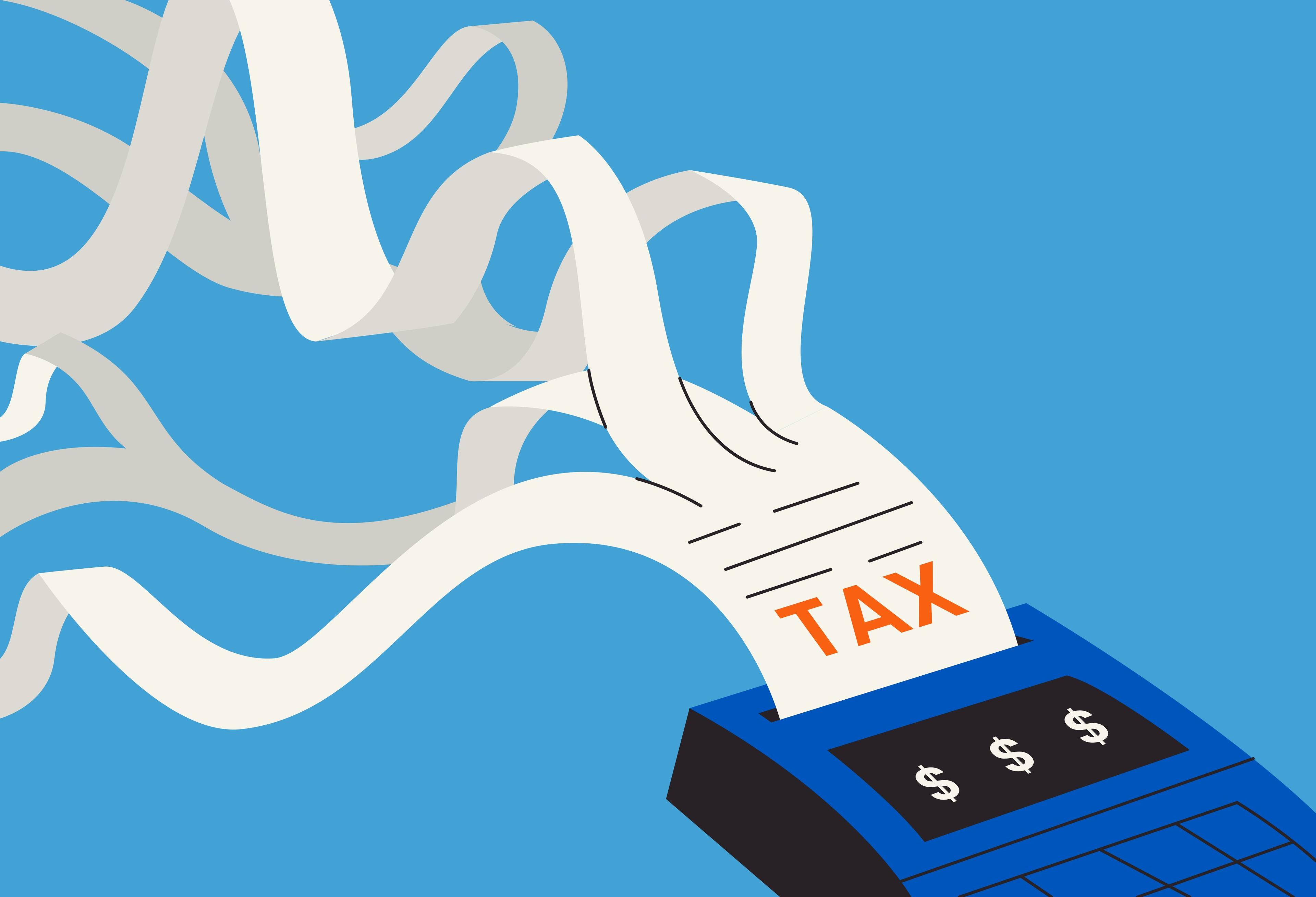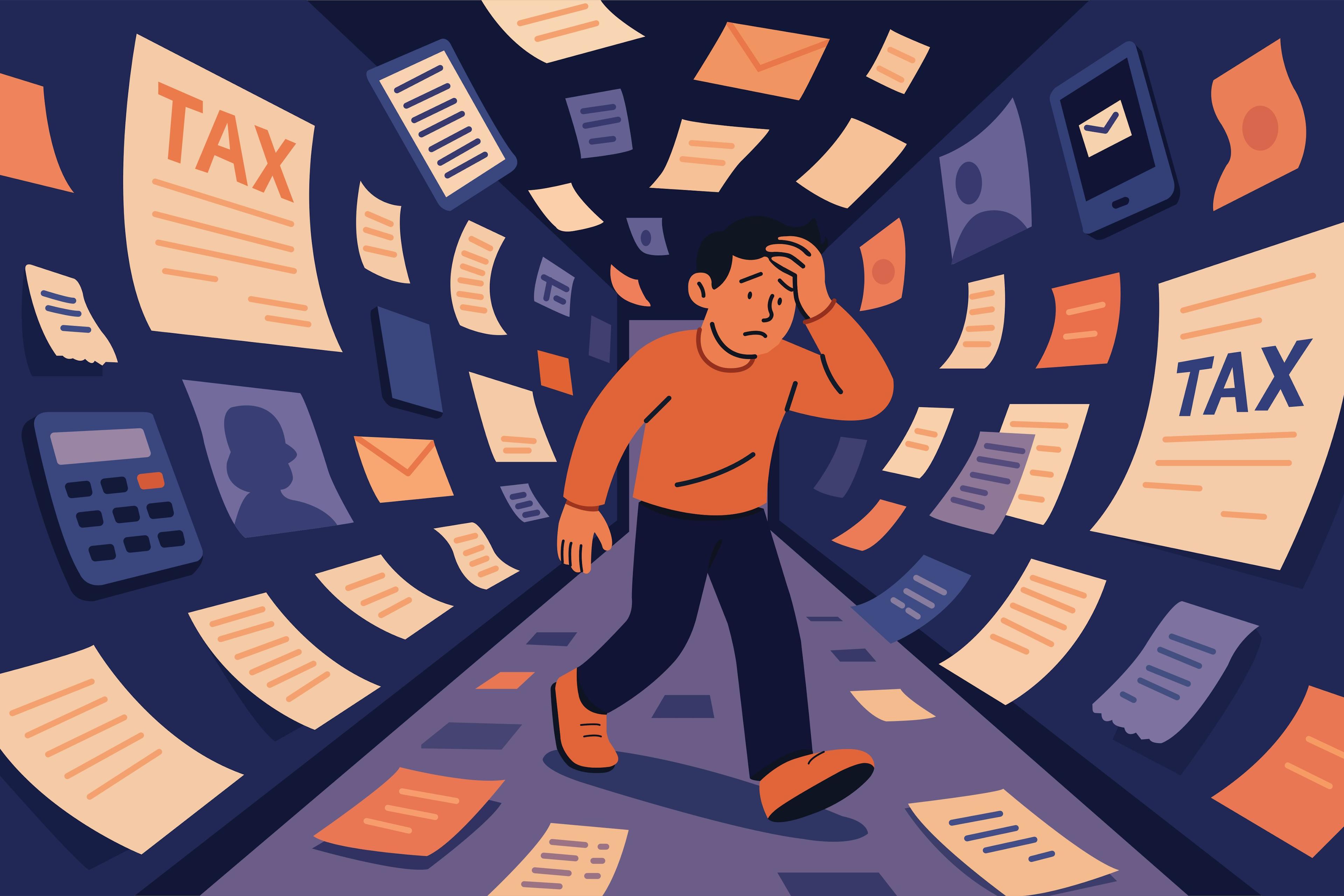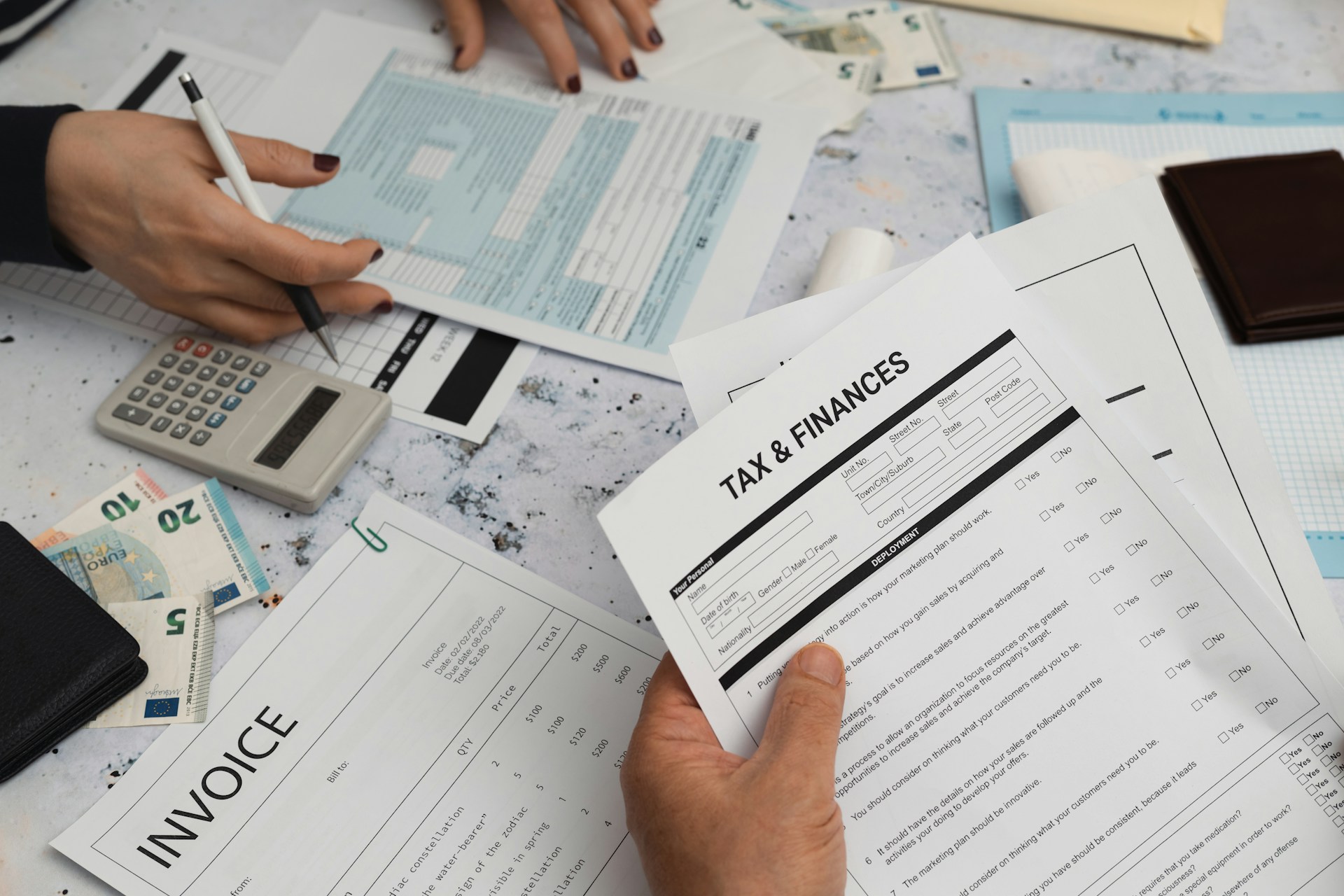
Tax evasion is often framed as a personal shortcut, a quiet way to keep more money in your own pocket. On the surface, it can look like a private decision with limited consequences, especially when it involves small transactions or income that seems hard to track. Yet economies do not operate on isolated choices. They function through shared systems that depend on trust, rules, and steady funding. When individuals or businesses evade taxes, the harm spreads beyond government accounts and into the everyday conditions that shape jobs, prices, competition, and long term growth.
The most immediate economic damage comes from lost public revenue. Taxes are a major source of funding for public services and infrastructure that support economic activity. Roads, ports, public transport, schools, healthcare systems, courts, and regulatory bodies all require consistent financing. When tax revenue falls short, governments are forced into difficult tradeoffs. They may cut spending, which can reduce the quality and reach of services that households and businesses rely on. They may increase taxes or fees in other areas, which often affects compliant taxpayers more heavily because their income and spending are easier to trace. Or they may borrow more, shifting today’s costs into the future and increasing financial pressure over time. None of these options are harmless. Each creates ripple effects that can weaken economic stability and reduce public confidence in institutions.
Borrowing to fill revenue gaps can also affect the wider cost of money. When governments increase borrowing, they issue more debt, and investors pay close attention to fiscal discipline and repayment capacity. If confidence drops, lenders may demand higher interest rates. Higher government borrowing costs can influence the broader financial system, contributing to higher rates for businesses and consumers as well. That can reduce investment, slow down hiring, and make it harder for households to afford major purchases such as homes. While tax evasion might appear small at the individual level, widespread evasion can contribute to an environment where financing becomes more expensive and growth becomes harder to sustain.
Beyond revenue losses, tax evasion distorts competition in the private sector. A business that evades taxes by underreporting income, paying wages off the books, or hiding transactions gains an unfair advantage over businesses that comply. The evading business can charge lower prices, present higher profits, or use hidden savings to outspend competitors. Over time, this can punish honest companies, pushing them out of the market or pressuring them to copy dishonest practices just to survive. When that happens, the economy becomes less productive because success depends less on innovation and value creation and more on avoiding rules. This weakens the overall business environment and discourages growth in formal, transparent markets.
Tax evasion also has consequences for workers, especially in industries where informal arrangements are common. Off the books employment can mean unstable pay, fewer protections, and limited access to benefits tied to formal reporting. Workers may lose retirement contributions, insurance coverage, or official documentation of income that is needed for loans and financial planning. While some may accept informal pay as a short term solution, the long term cost can be exclusion from financial systems and reduced security during economic downturns. A workforce trapped in informal arrangements is also less resilient, which can amplify the effects of recessions and slow recoveries.
Perhaps the most damaging effect is the erosion of trust. A functioning economy depends on the belief that rules apply consistently and that people are contributing fairly to shared obligations. When tax evasion becomes common, compliant taxpayers may feel exploited, while evaders begin to see noncompliance as normal. This creates a cycle where people justify evasion because they assume everyone else is doing it. As compliance falls, public revenue declines further and service quality can worsen, strengthening the belief that taxes are pointless. This feedback loop is difficult to reverse and often leads to stricter enforcement and more administrative checks, which cost money and add friction for everyone, including those who are already following the rules.
Tax evasion can also worsen inequality, partly because the ability to evade is not evenly distributed. High income individuals and large businesses often have greater access to complex strategies and professional support that can hide income or shift profits. Ordinary wage earners typically have fewer opportunities to conceal earnings, since salaries are usually recorded and taxed through formal systems. When wealthier groups evade taxes at higher rates, governments may rely more on broad consumption taxes or other regressive measures that place a heavier burden on average households. At the same time, reduced revenue limits the capacity to fund programs that promote mobility and opportunity, such as education, training, healthcare, and infrastructure in less developed areas. This combination can deepen economic divides and create social tension that further undermines stability.
In modern economies, the problem can be intensified by fast moving digital transactions and cross border income streams. Technology makes it easier for some forms of income to remain unreported, especially when money flows through multiple platforms or jurisdictions. The issue is not that technology is inherently harmful, but that the temptation and opportunity to avoid reporting can grow as systems become more complex. Meanwhile, advanced economies depend even more on effective public institutions and infrastructure, from digital regulation to consumer protections and legal enforcement. Tax evasion weakens the very foundation that allows complex markets to function smoothly.
Even when people believe tax systems are flawed or public spending is inefficient, evasion does not solve those governance problems. Instead, it tends to intensify them by reducing resources and increasing frustration. When revenue declines, governments may become more dependent on borrowing, fees, and blunt tax measures, which can make the system feel harsher and less fair. This further damages public trust and increases the incentive to evade, continuing the cycle. Real improvement comes from accountability, transparency, and better policy design, not from widespread noncompliance that quietly drains the economy’s capacity to function.
Ultimately, tax evasion harms the economy because it shifts costs onto those who comply and weakens the systems that support everyday life and long term growth. It reduces funds for essential services, distorts competition, undermines worker security, erodes trust, and can worsen inequality. What may feel like a private gain can become a collective burden, making the economy less fair, less resilient, and less capable of delivering opportunity.
 WhatsApp
 Instagram
 Threads