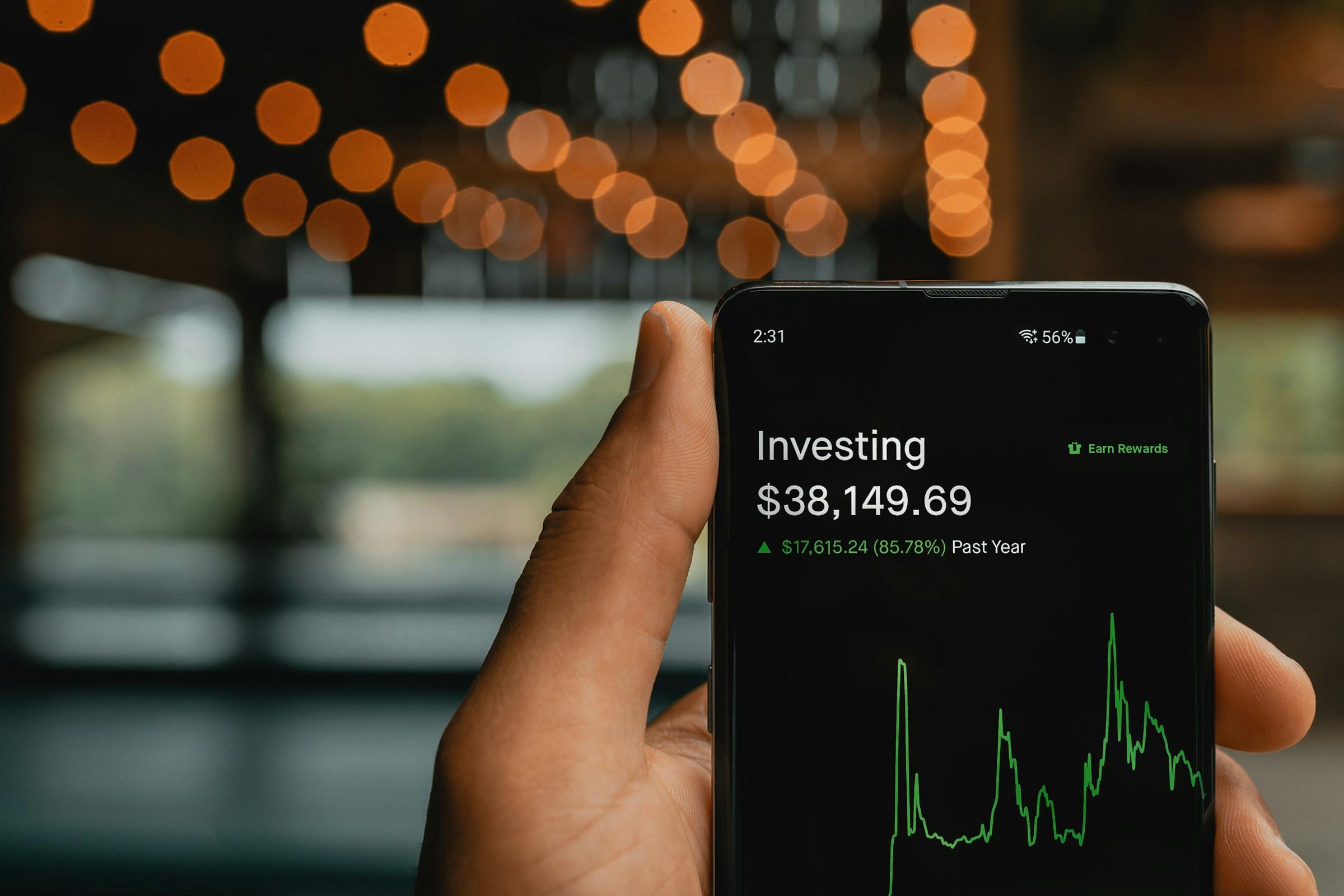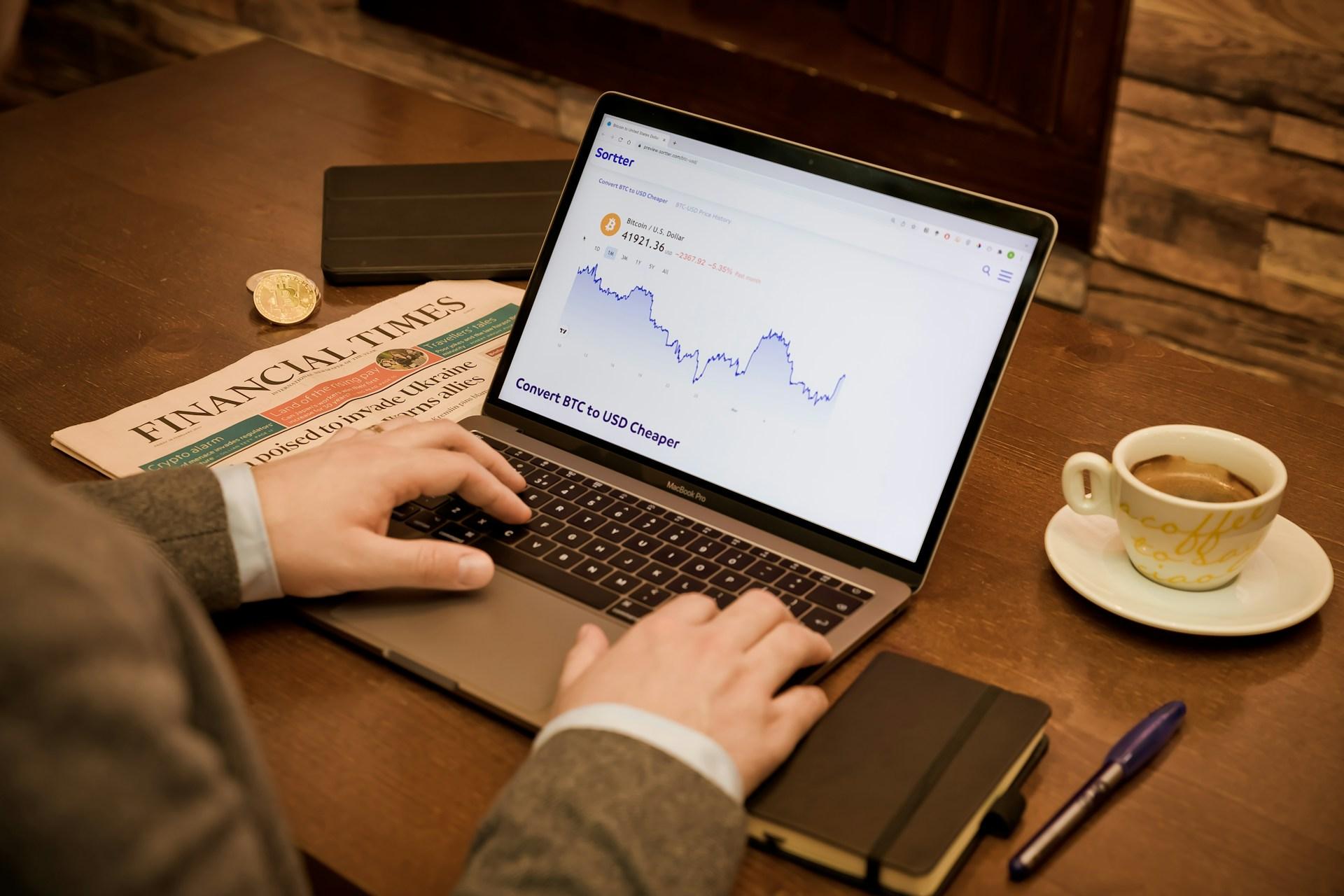
Staying confident when markets turn volatile is much harder than it sounds. You can read the data, hear that volatility is normal, and repeat phrases like “I am a long term investor,” yet the moment your portfolio value drops a few days in a row, your body tells a different story. Your chest tightens slightly when you open your investment app. You feel a quiet panic when you see red numbers instead of green. The same portfolio that felt sensible and well constructed last month suddenly looks fragile and questionable. In that gap between what you know in theory and what you feel in practice lies the real challenge of investing through volatile markets.
This difficulty is not a sign that you are weak or irrational. It is a sign that real money, real life plans, and real uncertainty are colliding at the same time. When I think about how people in Singapore, Malaysia or other regional hubs react to market swings, I rarely start the conversation with charts or performance tables. Instead, I start with how their money connects to their lives. Confidence is not only about trusting markets to recover. It is about understanding what your investments are meant to do for you, when you will need that money, and how much short term noise your personal situation can realistically tolerate.
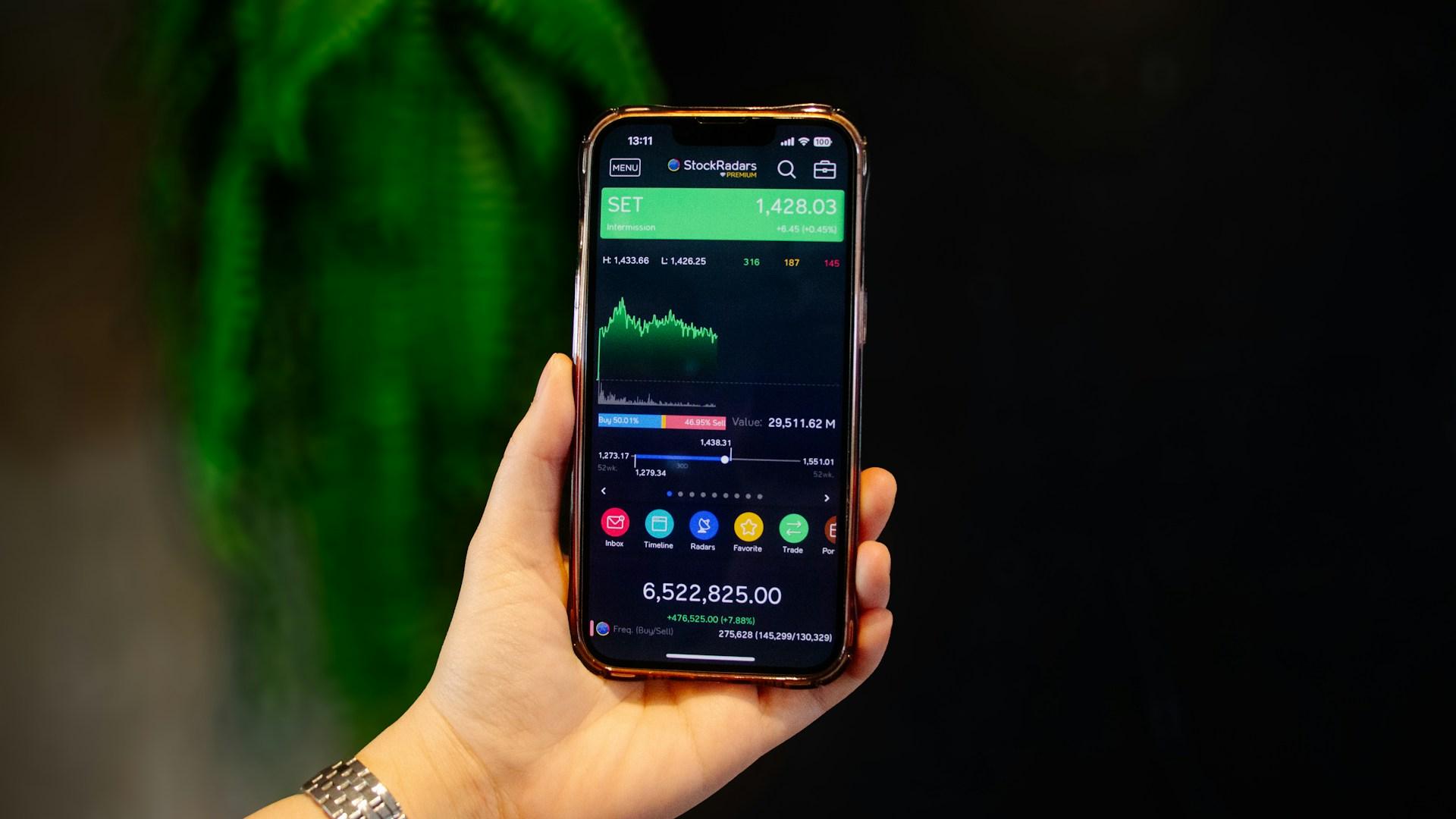
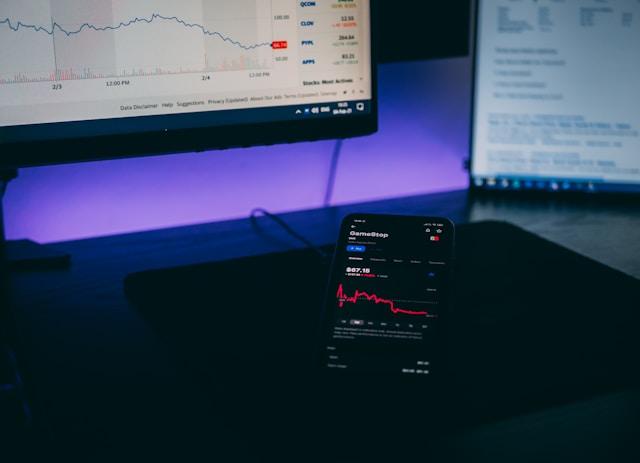
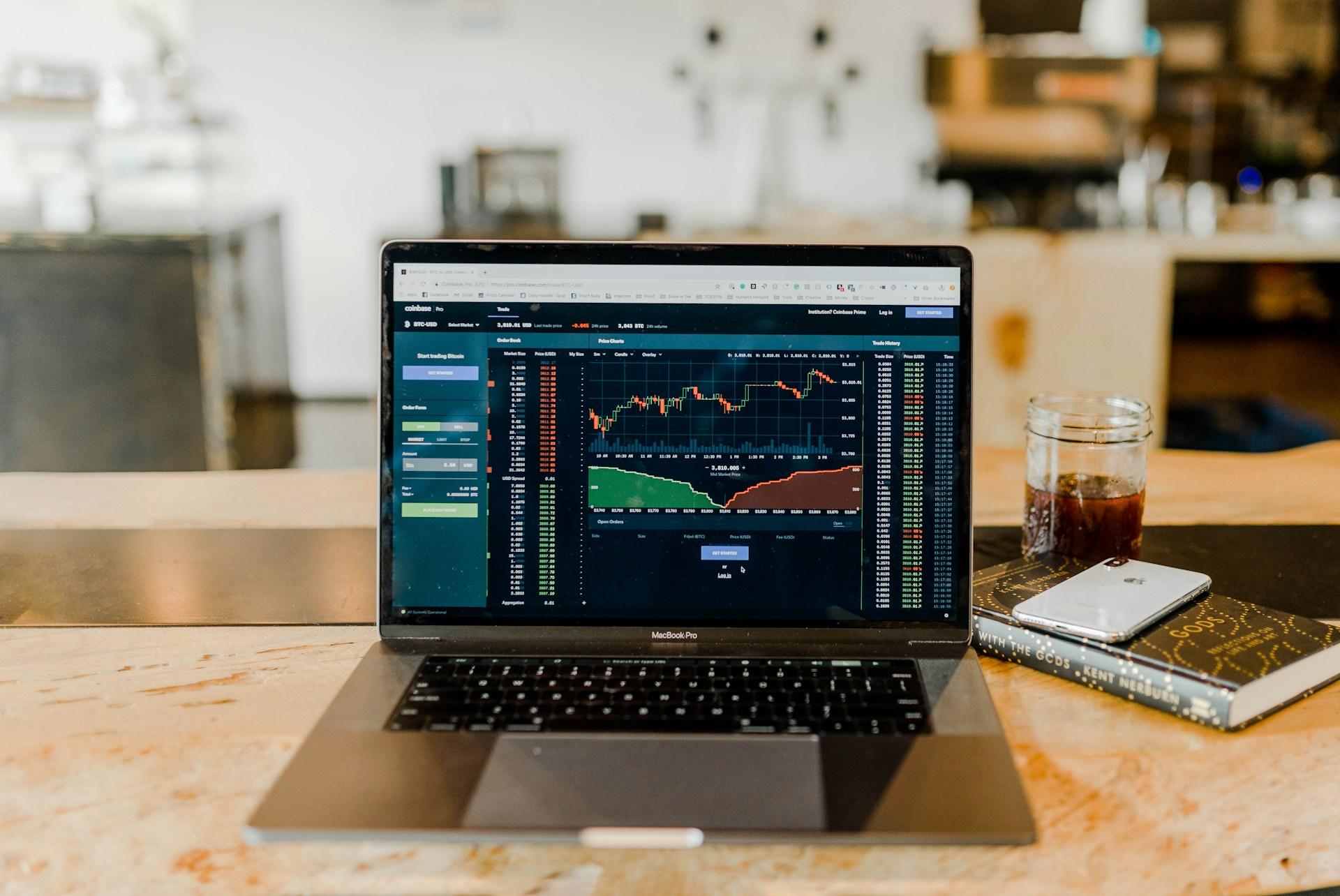
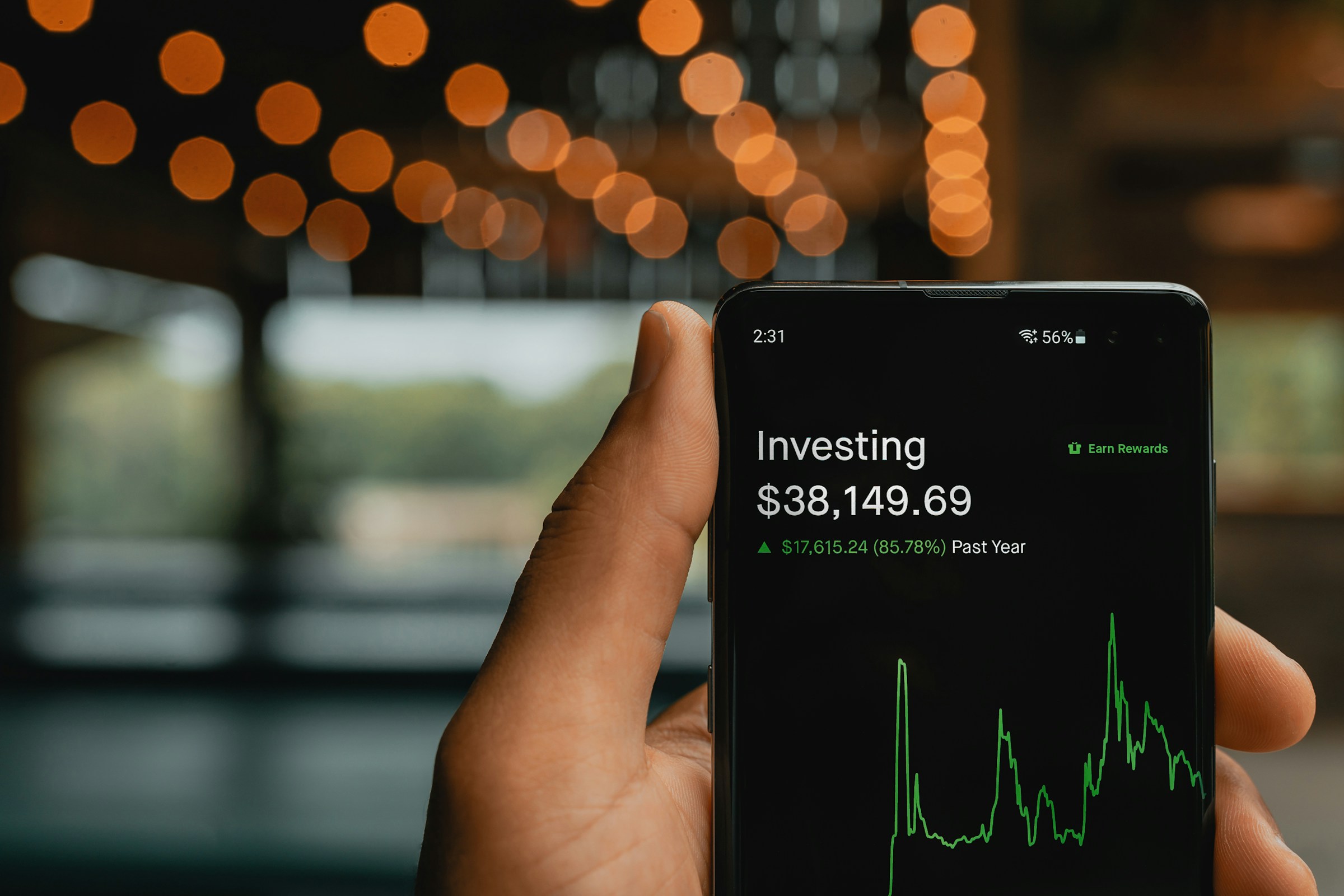
Volatility feels far larger than the actual numbers partly because of how it shows up in our daily environment. Financial headlines tend to be dramatic. Words like “crash”, “fear”, “panic” and “bloodbath” travel faster than calm analysis. At the same time, our phones make it possible to check prices multiple times a day, even when nothing much has changed about the underlying companies or funds. This combination of loud headlines and constant access makes it feel as if something urgent is happening all the time and that you must respond immediately or risk missing a critical moment.
Underneath this, several psychological forces quietly magnify the discomfort. One of the most powerful is loss aversion. People feel losses more intensely than they feel equivalent gains. A 10 percent drop hurts more than a 10 percent rise feels good. This means a perfectly normal correction can feel like a personal failure or a threat to your future, even if in context it is just one small part of a multi decade investing journey. Another force is our natural tendency to give more weight to recent events than to long term history. If your portfolio has fallen three weeks in a row, it is very hard to remember calmly that you have been investing successfully for five or ten years. Your nervous system responds strongly to what it can see and feel right now.
Uncertainty itself is tiring. When markets swing up and down, it can feel as if nothing in your financial life is stable, even if your job, income and savings are unchanged. If you are already dealing with stress from work, family responsibilities, health issues or rising living costs, the extra layer of financial volatility can quickly drain your emotional energy. It also matters that money is rarely just money. It represents security, respect, opportunities for your children and sometimes your sense of competence as an adult. When portfolio values fall quickly, it can feel like a judgment on your decisions or your identity as someone who is “good with money”, which makes it even harder to stay calm.
Another reason confidence is difficult to maintain is the mismatch that often exists between people’s investment plans and their real personalities. Many investors describe themselves as long term, patient and comfortable with risk. Those descriptions make sense in a calm period when markets are rising or drifting sideways. On paper, an aggressive equity portfolio that you plan to hold for twenty years looks compelling. Historical charts show attractive returns if you simply stay invested. The challenge appears when the market drops sharply. A portfolio that falls 30 percent in a year is still within historical norms, but to the person watching it, the experience is intense and unsettling. If you realize in that moment that you cannot tolerate such swings without losing sleep or feeling tempted to sell, then the portfolio was designed for a version of you that does not exist under stress.
This misalignment between plan and personality creates constant internal conflict. One part of you repeats all the advice you have heard about staying the course and avoiding market timing. Another part wants to sell everything to stop the discomfort and “wait for things to settle”. You may freeze between these two impulses, doing nothing but checking prices more often. Over time this erodes confidence because you no longer trust your own reactions. The deeper issue is not that you are bad at investing. It is that your investment choices and your emotional reality are out of sync.
Clarity of purpose is another element that often goes missing and quietly amplifies fear. Many people lump all their investments into a single mental bucket labeled “portfolio” or “shares”. There is no clear distinction between money for next year’s expenses, money for a future home, and money that is meant for retirement decades later. When everything sits in one indistinct pile, every fluctuation feels as if it could affect all your goals at once. A short term dip in global equities suddenly feels linked to your ability to pay for your child’s education, support your parents and retire comfortably, all at the same time. That is a heavy emotional burden to put on normal market noise.
In planning conversations, the tone changes when people start to label their money by purpose and timeline. Cash and very low risk instruments can be set aside for near term essentials such as three to six months of expenses, upcoming tuition fees or known large purchases. Medium term money might be invested more cautiously for goals that sit three to ten years away. Long term funds intended for retirement or late life flexibility can accept a higher level of volatility because they have time to recover from downturns. When clients see that the next few years of crucial spending are supported by relatively stable assets, their shoulders often drop a little. Volatility in the long term bucket still matters, but it no longer feels like a direct attack on next month’s bills or next year’s school fees.
Confidence is also tied closely to everyday cash flow. If your monthly budget is already stretched, it is much harder to view market dips as temporary and manageable. When there is little buffer between your income and your expenses, your investment portfolio starts to feel like your only safety net. Any decline then feels like a direct threat to your ability to handle a job loss, a health issue, or a family emergency. Checking your investment account becomes emotionally loaded, because you are not just looking at numbers on a screen. You are silently asking whether you will be all right if something goes wrong.
This is why staying confident during volatile markets cannot be separated from basic financial hygiene. Building an adequate emergency fund, paying down high interest debt, and keeping your fixed expenses at a reasonable level do more for your long term composure than chasing small extra returns. When your day to day life is less fragile, you can treat volatility as uncomfortable but survivable instead of catastrophic. You do not need to pretend market swings are pleasant, but you can experience them without feeling that a single bad year will collapse your entire future.
Information overload and comparison culture add another layer of difficulty. You are not only managing your own reactions. You are also constantly exposed to other people’s stories and opinions. Friends may talk about buying at the bottom or sitting safely in cash waiting for a “real crash”. Influencers show charts that make every turning point look obvious in hindsight. It is easy to feel that everyone else sees something you do not. In reality, you are comparing your messy, real life situation to someone else’s edited highlight or theoretical backtest. That comparison rarely helps.
On top of this, you face a relentless stream of content that suggests different tactical moves: rotate into defensive sectors, shift to gold, increase cash, deploy cash aggressively, use options, or seek higher yield. Each message implies that there is a right move and that not acting could be a mistake. This can create a sense of constant urgency and pressure to do something, even if your existing plan is broadly sensible. The fear of making a wrong choice can become as stressful as the volatility itself.
True confidence starts to grow when you move away from searching for the perfect move and instead ask a different question: what course of action is consistent with my long term goals, my time horizon, and my need for liquidity. This shift in focus does not magically remove market risk, but it brings the discussion back to what you can control. You cannot control short term price swings, but you can choose your asset mix, your contribution habits, your emergency buffer and your review schedule.
Building a structure to support confidence involves several practical choices. One is to make your timelines explicit. Decide how much of your money is genuinely long term and how much is likely to be needed within a few years. Align the risk of each bucket with its timeline, so that you are not relying on volatile assets for near term essentials. Another is to write down a small set of guiding rules before the next storm arrives. These might include continuing regular investments regardless of headlines, reviewing your portfolio once or twice a year rather than daily, and rebalancing only when your allocations drift beyond a certain range. Keeping the rules simple makes them easier to follow when emotions are running high.
Automation can reduce the emotional strain further. Automatic monthly transfers into investments mean you do not have to decide each time whether “now” is a good moment to invest. You can still adjust your plan deliberately during scheduled reviews, but you remove the constant temptation to react impulsively to every headline. At the same time, it is important to acknowledge your human limits. If large swings in portfolio value consistently push you into anxiety or sleepless nights, it may be healthier to accept a slightly more conservative strategy. A portfolio you can stay invested in through rough periods is usually more effective than an aggressive portfolio you abandon at the worst possible time.
When nervousness rises, it can be helpful to step away from charts and instead ask yourself grounding questions. Has the timeline for this money actually changed, or does the volatility simply feel more urgent than it really is. Has your real financial capacity changed, for example through job insecurity or new obligations, or is it largely intact. Does your current mix of investments truly reflect who you are, now that you have experienced a difficult period, or was it built around an optimistic view of your own risk tolerance. Honest answers to these questions can guide measured adjustments without turning every downturn into a complete reinvention of your strategy.
In the end, staying confident during volatile markets is difficult because it asks you to hold two truths at once. In the short term, markets can be unpredictable and uncomfortable, and there will be stretches that test your patience and your nerves. In the long term, history suggests that disciplined, diversified investing and consistent contributions have rewarded patience more reliably than attempts to predict every twist and turn. Confidence is not about pretending you are unaffected by losses or insisting that “everything will be fine” no matter what. It is about building a financial structure that fits your life, gives you buffers, and gives you a clear process for making decisions.
When you know why you are invested, what each pool of money is for, and how you will respond when markets move, volatility has less power to shock you into rash action. You may still feel uncomfortable during sharp declines, and that is completely human. The difference is that your discomfort does not automatically translate into panic. Instead, it becomes another data point in a long journey guided by alignment between your money, your goals and your temperament.
 WhatsApp
 Instagram
 Threads