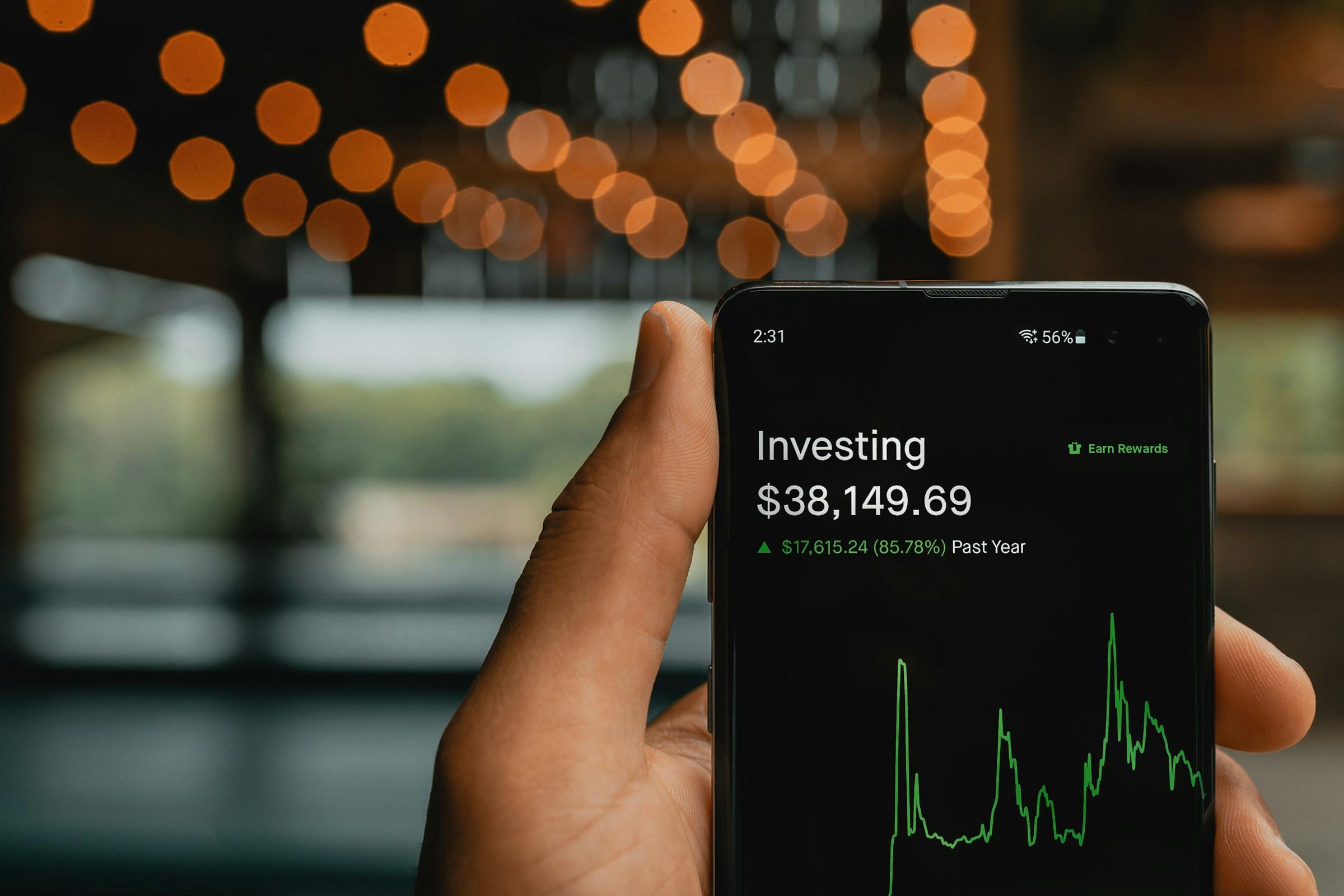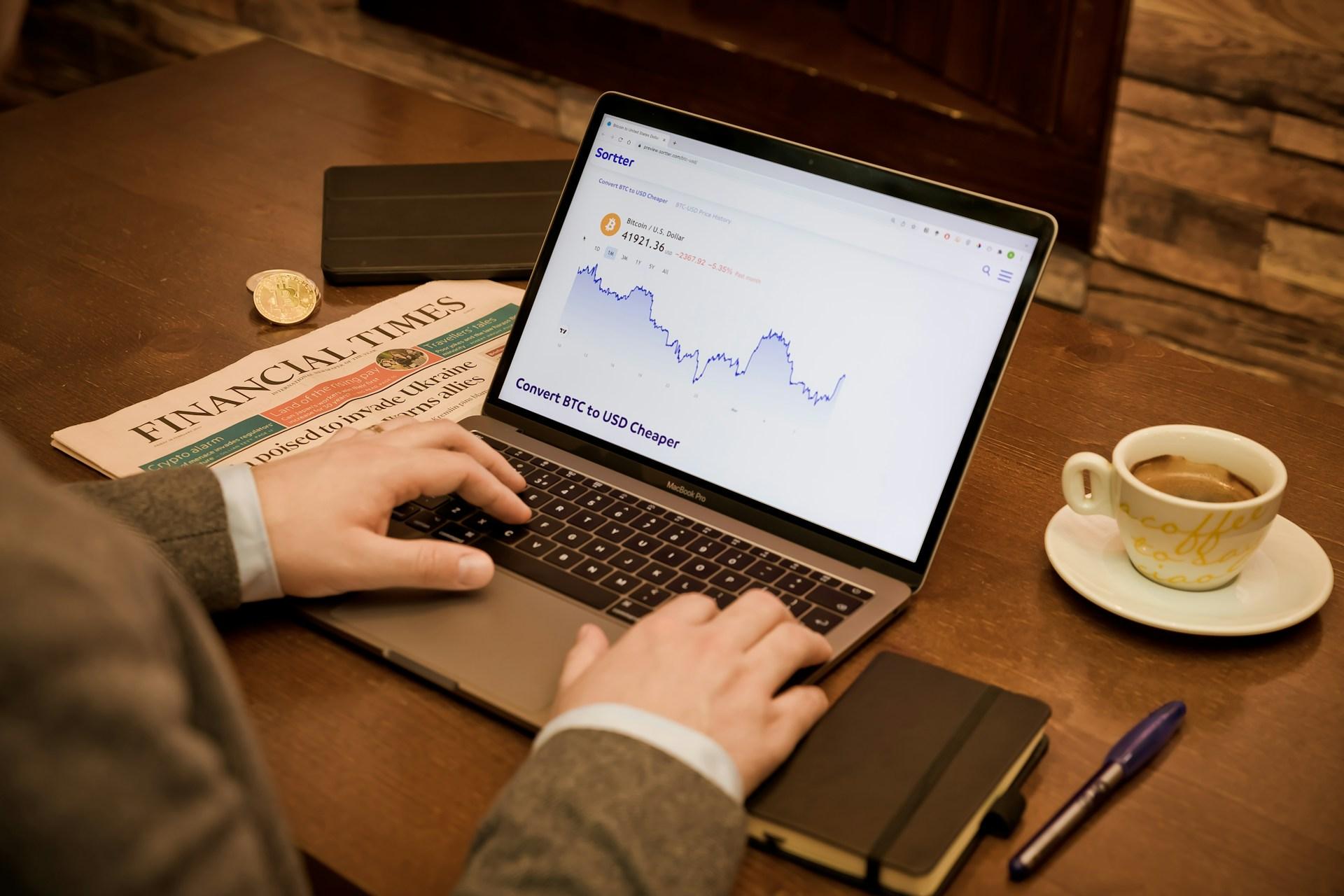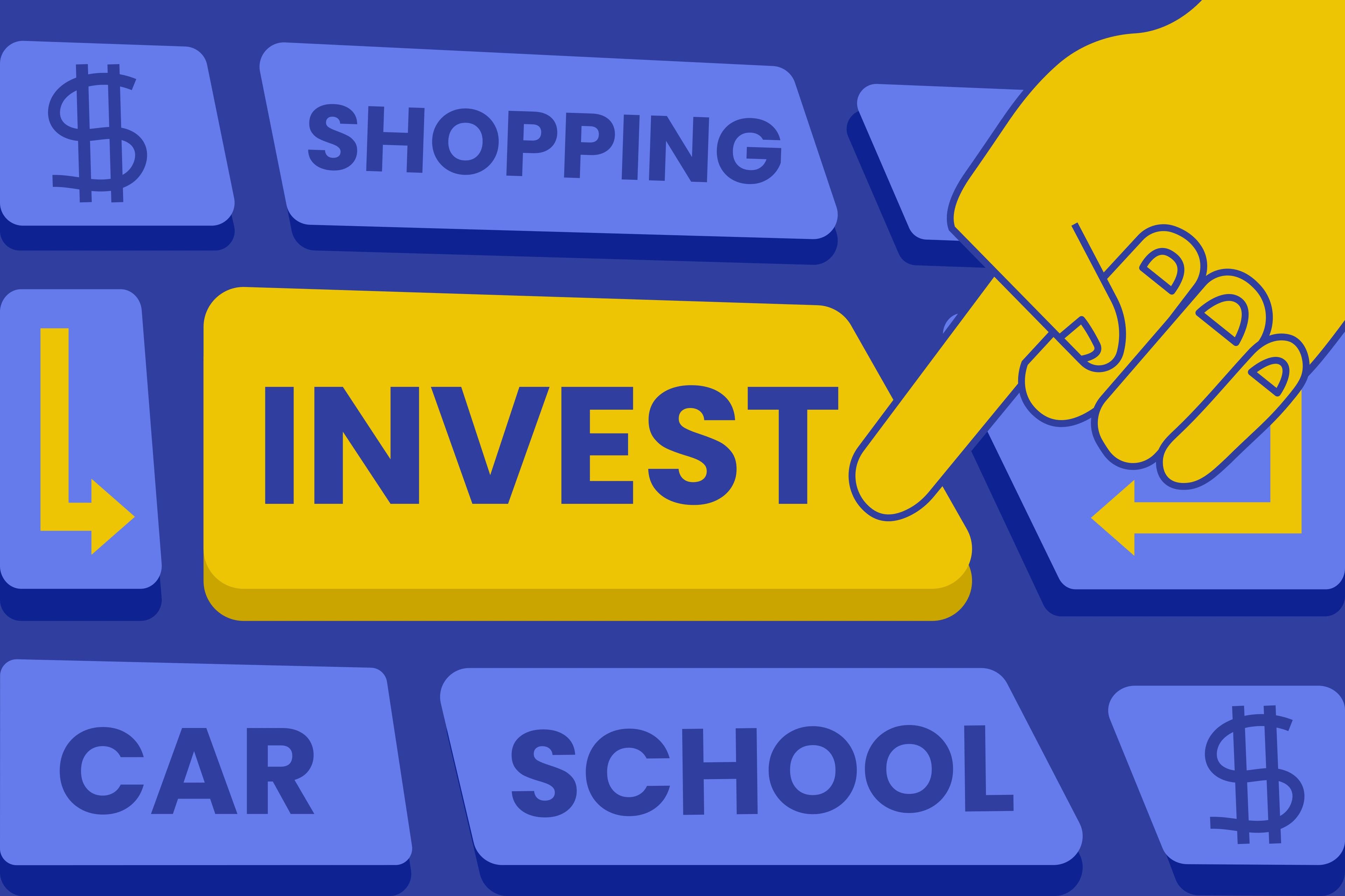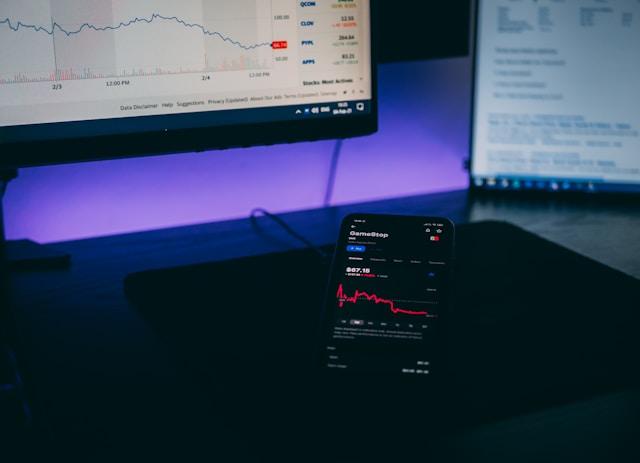
Building wealth is often described as a destination, but it is more accurate to think of it as a system. People who become financially secure rarely do it through one dramatic moment. They do it through repeated decisions that increase what they own, reduce what they owe, and allow their money to grow faster than their expenses. In that system, investing in the stock market matters because it turns savings into ownership, and ownership is what makes wealth durable. A paycheck can pay bills and fund a lifestyle, but it is also limited by time and human energy. The stock market, when used responsibly and patiently, offers a way for money to keep working even when you are not.
At the heart of stock market investing is a simple idea: buying shares means buying a piece of a business. That piece may be small, but it is real. When the business grows, earns profits, and becomes more valuable, your ownership stake can rise in value too. This is different from saving in cash, which protects money for short-term needs but does not naturally expand. Cash is useful for safety and flexibility, yet over long periods it faces a quiet enemy: inflation. When prices rise, money that stays still buys less. Even when inflation seems mild, the effect compounds over the years, weakening purchasing power in ways that are easy to ignore until the gap becomes painful. Investing is one of the most practical ways to push back against that erosion because it places your money in assets that can grow alongside the economy.
This is where the idea of compounding becomes the most important concept in personal finance. Compounding is not just a finance term. It is a force that rewards time and consistency. When you invest, returns earned in one period can generate returns in the next. Over time, growth begins to build on itself. The earlier you start, the more time that compounding has to work, and the more dramatic the difference becomes in later years. The frustrating part is that compounding often feels slow at the beginning. Small contributions and modest gains can look unimpressive for a long time, which is why many people quit too early or chase riskier shortcuts. But the whole power of the stock market for wealth building is not in fast results. It is in the way time can transform steady behavior into outcomes that would be almost impossible through saving alone.
The stock market also matters because it gives everyday people access to the same engine of growth that has historically rewarded business owners. In many societies, the gap between those who own assets and those who rely only on wages can widen over time. Wages can rise, but they do not always rise as quickly as asset values, and they are often influenced by job markets, company performance, and broader economic cycles. Investing is a way to avoid being entirely dependent on salary growth to improve your financial life. It is not a guarantee of wealth, and it does not replace the need for earning power, but it adds a second path for financial progress. When you combine income with long-term investing, you are building a structure where your future is supported by more than one pillar.
Another reason the stock market is important is accessibility. Compared with buying property or starting a business, investing can be started with relatively small amounts. Real estate often requires a large down payment, loan approval, and ongoing costs that do not pause when your income becomes unstable. Starting a business can be rewarding, but it can also demand time, upfront capital, and emotional endurance, with no promise that profits will arrive quickly. The stock market is different. It allows someone to begin with small contributions, increase those contributions as income rises, and build exposure to a wide range of industries without needing to become an expert in every one. This is not a minor advantage. Wealth is often built through consistent habits that are easy to maintain. The lower the barriers to entry, the easier it becomes to start and keep going.
That leads to an essential point about what the stock market represents. Many people fear it because they associate it with speculation, day trading, and dramatic stories of people winning big or losing everything. Those stories are real, but they are not the only way the market is used. The market can be treated like a casino, but it can also be treated like a long-term ownership platform. If you invest broadly, keep costs low, and maintain a long time horizon, you are not depending on luck or guessing what will happen next week. You are aligning yourself with the long-run growth of businesses and the economy. The path will not be smooth, and there will be periods of decline, but wealth building was never supposed to be comfortable every month. It is supposed to be resilient over decades.
Resilience matters because market volatility is not a flaw, it is a feature of how prices adjust to new information. Companies miss earnings targets. Interest rates change. Consumer behavior shifts. Governments introduce new regulations. New technologies disrupt older industries. These events can cause stock prices to swing. In the short term, those swings feel like danger, and sometimes they are, especially for investors who need their money soon. But for a long-term investor with a solid plan, volatility can be something to tolerate rather than something to fear. In fact, the market’s ups and downs are part of why long-term returns exist at all. If returns were guaranteed and smooth, there would be little reward for taking risk. The key is not to pretend that risk does not exist, but to manage it so that temporary declines do not become permanent financial damage.
Managing risk starts with the basics: investing money that you can afford to leave invested. This is why emergency savings matters so much. If you have no cash buffer, a job loss or unexpected expense can force you to sell investments at the worst possible moment, turning a temporary market downturn into a personal financial crisis. A strong foundation lets you treat your investments as long-term assets rather than as a backup checking account. It also supports better decision-making, because fear makes people sell low, chase hype, and react to noise. Stability gives you the ability to stay calm when markets look ugly, which is often when the best long-term opportunities appear.
One of the most practical reasons the stock market can support wealth building is diversification. Wealth does not require you to pick one perfect company. In fact, depending on one stock is a common way to create unnecessary stress. Diversification means spreading your investments across many businesses, sectors, and sometimes even countries. That way, if one company fails or one industry struggles, your entire future is not tied to that outcome. Diversification is not about eliminating risk entirely. It is about avoiding the kind of concentrated risk that can wipe you out. It is also a realistic approach because most people do not have the time or the skill to consistently identify winners. Broad diversification is a way to participate in growth without needing to become a full-time analyst.
This is where index funds and exchange-traded funds have changed personal finance for the better. These tools allow investors to buy a basket of stocks in a single purchase, often at low cost. They are designed to track a market index or a sector, which means the investor is not trying to outguess everyone else. Instead, they are capturing market returns. Over time, that can be a powerful approach because it reduces the need for constant decision-making and lowers the odds of making emotional mistakes. Many people lose money not because they chose the wrong asset class, but because they traded too frequently, panicked during downturns, or chased whatever was popular at the moment. A steady, diversified strategy makes it easier to stay consistent.
Consistency is also important because investing is not a one-time decision. Building wealth through the stock market is closer to a routine than a bold move. Regular contributions, whether monthly or whenever income arrives, can reduce the pressure of timing the market. This approach, often called dollar-cost averaging, helps smooth out the effect of volatility because you buy more shares when prices are lower and fewer shares when prices are higher. You are not trying to predict the perfect entry point. You are building a habit that continues through good markets and bad markets. Over a long enough time horizon, that habit can matter more than any single decision.
Another element that supports wealth building is reinvestment, especially when it comes to dividends. Dividends are portions of profits that some companies pay to shareholders. Dividends are not free money, and they are not a guarantee, but they can contribute to long-term growth when reinvested. Reinvesting dividends can increase the number of shares you own, and that larger share base can lead to even greater growth if the companies and the market trend upward over time. This is another form of compounding, and it often works quietly in the background, which is exactly how long-term wealth building tends to happen.
The stock market also teaches financial discipline in a way that can affect the rest of your life. When you become an investor, you begin to see the difference between consumption and ownership more clearly. Spending money can feel good in the moment, but ownership creates future benefits. This does not mean you should never enjoy life. It means you begin to balance present comfort with future freedom. Investing encourages long-term thinking because it makes you confront trade-offs. If you invest regularly, you start paying attention to fees, taxes, and risk. You become more careful about debt. You develop patience. These traits are not just investing traits, they are wealth traits.
Fees deserve attention because they are one of the most underestimated threats to long-term wealth. A fee that seems small can grow into a major drag over decades, because it reduces the returns that compound for you. If two investors earn similar market returns but one investor pays significantly higher fees year after year, the difference in their final outcomes can be huge. Keeping costs low is one of the simplest ways to improve your odds because it is something you can control. You cannot control the market, but you can control what you pay to participate in it.
Taxes can also influence outcomes, depending on where you live and what accounts are available. Some systems offer tax advantages that allow investments to grow more efficiently. Others tax dividends or capital gains in specific ways. The details vary, but the broader point remains the same: the stock market is a flexible platform that can support long-term wealth building in many environments. Understanding the rules that apply to you can make your investing more efficient, but even without mastering every tax detail, the habit of investing remains valuable.
Of course, there are legitimate reasons some people hesitate. They worry about crashes, scandals, and the fear of losing money. Those concerns are not irrational. Markets can fall sharply, and headlines can make it feel like everything is unstable. The most important perspective is that crashes are part of market history, not an exception to it. The question is not whether markets will experience downturns. The question is whether your plan is built to survive them. If you invest with money you need next month, a crash is devastating. If you invest with a long horizon, a crash can be a temporary setback, sometimes even an opportunity to buy at lower prices. This is why time horizon is not a detail. It is one of the core elements of risk management.
The stock market is also important because it creates options. Wealth is not only about having a bigger number in an account. Wealth is about freedom. It is the ability to handle emergencies without fear. It is the ability to make career choices based on fit, not just salary. It is the ability to support family, take breaks, or handle health issues without everything collapsing financially. Investing is a way to slowly build those options. It turns the future into something you can prepare for rather than something you just hope will work out.
In the end, investing in the stock market is important for building wealth because it is one of the most direct ways to participate in economic growth, harness compounding, and protect purchasing power over time. It offers accessibility, diversification, and the potential for long-term returns that saving alone often cannot match. It does not require you to be a genius, but it does require you to be consistent. It does not demand perfect timing, but it does demand patience. If you approach it with a long horizon, a solid foundation, and a realistic understanding of risk, the stock market can become one of the most powerful tools you have for building lasting wealth.
 WhatsApp
 Instagram
 Threads