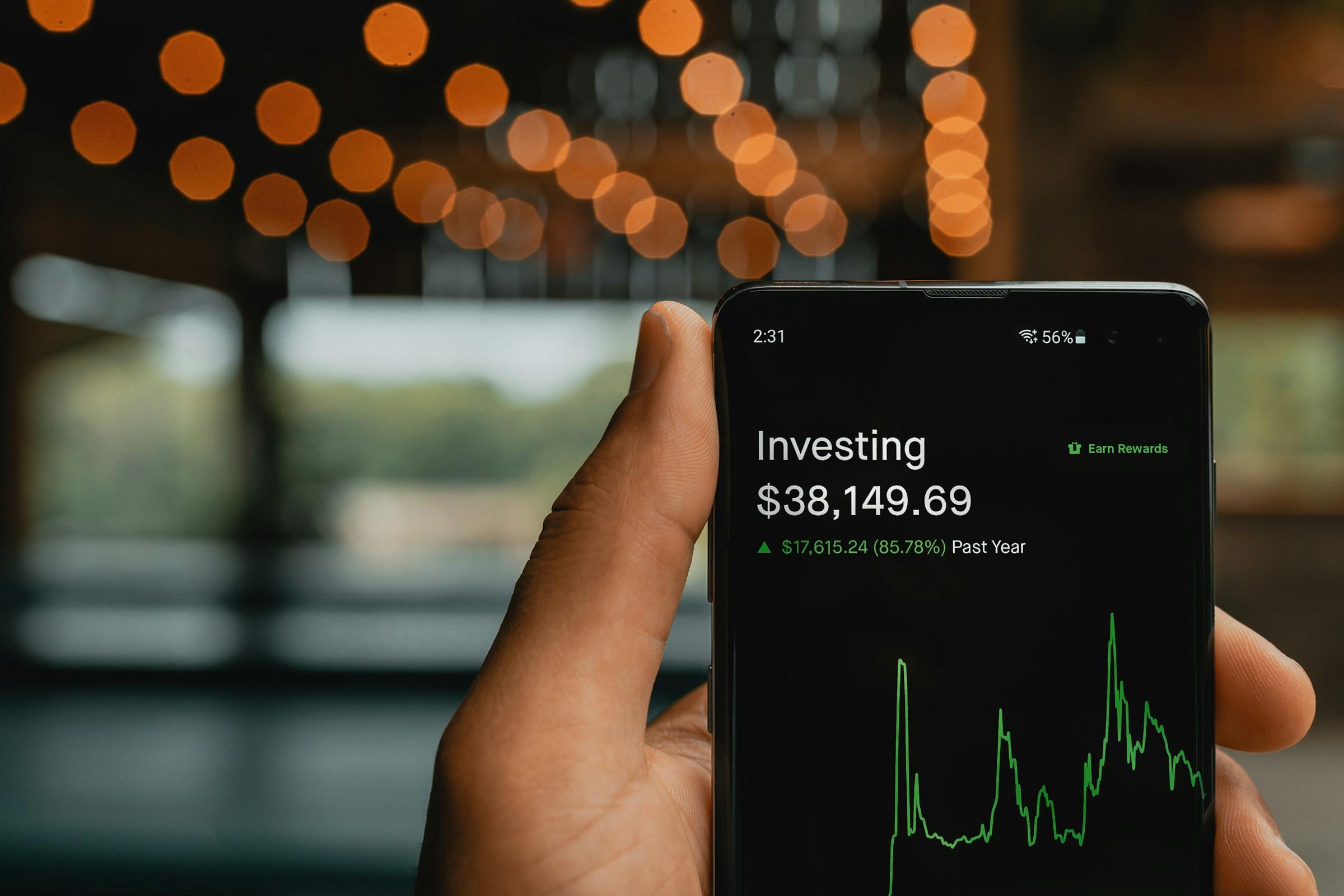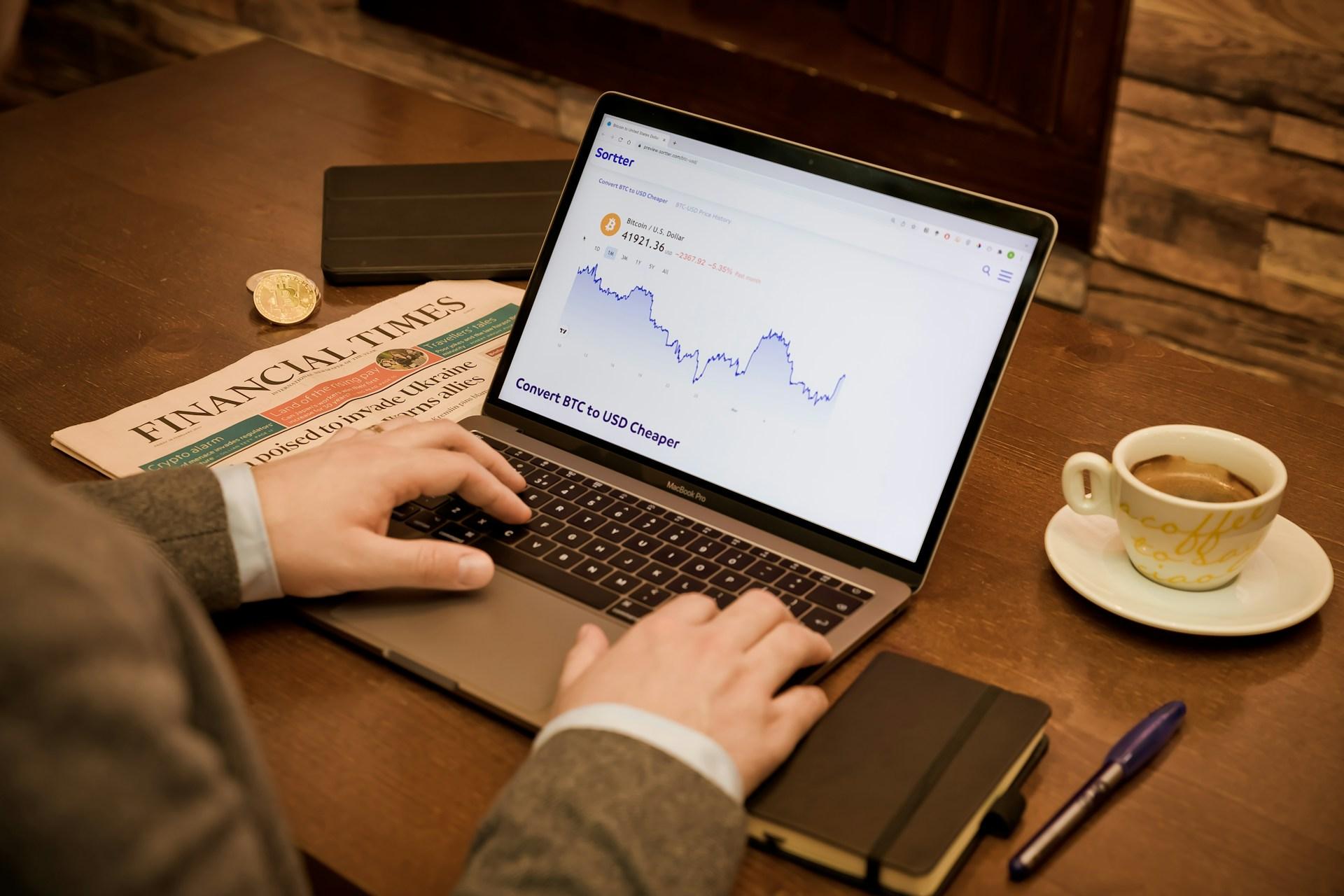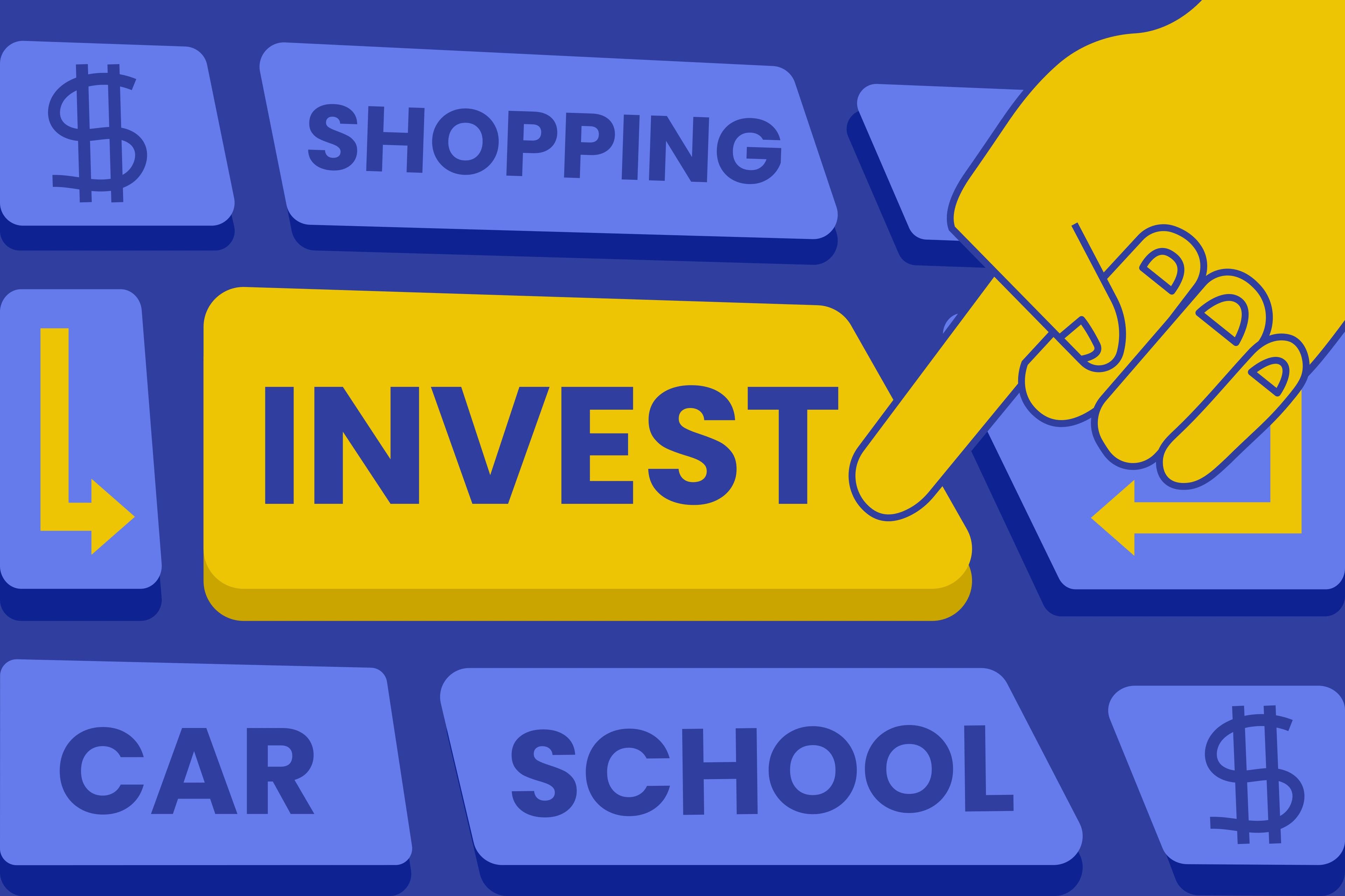
Starting to build an investment portfolio is less about finding a perfect stock and more about creating a repeatable system you can stick with for years. A portfolio is simply the home for your long term financial decisions, and the strongest portfolios are usually built on clarity, consistency, and patience rather than clever predictions. When you approach investing as a process instead of a one time event, you give yourself the best chance of staying invested through both calm markets and stressful ones.
The first step is to understand why you are investing and when you will need the money. Your timeline shapes almost every decision you make. Money you may need in the near future cannot take the same risks as money you can leave untouched for decades. A person saving for a home down payment in a few years needs stability and flexibility, while someone investing for retirement has time to ride out market swings. Many new investors make the mistake of calling their goal “long term” without being honest about upcoming needs, then they panic or sell at a bad time when real life demands cash. A clear goal and timeline prevent your portfolio from becoming a source of stress when you should be using it as a tool for stability. Before investing seriously, it helps to protect your ability to stay invested. This is where an emergency fund and a realistic look at debt matter. If you do not have a cash buffer, any unexpected bill can force you to sell investments when prices are down. That turns normal market volatility into real financial damage. High interest debt can create a similar problem by draining monthly cash flow and making it harder to invest consistently. You do not need a perfect financial life before you begin, but the more stable your foundation is, the easier it becomes to keep investing without interruptions.
Once your foundation is steadier, you need to decide how much risk you can tolerate. Risk is not just a technical concept, it is emotional reality. It is easy to feel confident when markets are rising, but the true test comes when your portfolio drops and everyone around you is anxious. Stocks often offer higher growth over time, but they can also fall sharply in the short run. Bonds and cashlike investments tend to move more gently, but they usually grow more slowly. The goal is not to avoid risk completely, because growth requires some risk. The goal is to choose a level of risk that you can live with, so you do not abandon your plan when it becomes uncomfortable. This leads to asset allocation, which is the mix of investments you hold across categories such as stocks, bonds, and cash. Asset allocation matters more than trying to pick the next winning company because it sets the overall behavior of your portfolio. If your mix is too aggressive for your timeline or temperament, you may sell in fear. If it is too conservative for a long horizon, you may struggle to keep up with long term goals. A sensible allocation is one that matches your time horizon and gives you enough confidence to stay invested.
After deciding your mix, you need a reliable account and platform to invest through. The best choice is usually the one with low fees, access to diversified funds, and simple automation. A beautiful app and flashy features do not matter if they encourage impulsive trading or hide costs. If you have access to retirement accounts or employer plans with tax advantages or matching, those can be powerful tools because they help your money grow more efficiently. A regular brokerage account can work well too, as long as you understand how taxes and trading behavior can affect your results over time. When it comes to what to buy, beginners often do best by starting with broad diversification through index funds or ETFs. Instead of betting on one company, you own a slice of many companies across the market. This approach reduces the damage that any single business can cause to your portfolio, and it shifts your focus from prediction to participation. Many people get distracted by the excitement of individual stocks because it feels like you are doing something smart and bold. In reality, long term wealth is more often built by holding diversified funds and contributing regularly. If you want to experiment with individual stocks, it is usually wiser to keep that portion small enough that mistakes do not derail your larger plan.
Diversification is not only about owning many holdings. It is about reducing dependence on one outcome. A portfolio concentrated in one sector, one theme, or one country can still be fragile even if it has many holdings. Broad market exposure helps you avoid putting your future on a narrow story. Costs matter here as well. Fees may look small, but over years they compound against you. Keeping costs low is one of the simplest ways to improve your long term outcome without taking extra risk. How you invest matters just as much as what you invest in, and this is where automation becomes a major advantage. If you rely on motivation, you will eventually skip contributions during busy months or hesitate during scary markets. Automatic investing turns your plan into a habit. It also helps you buy consistently across different market conditions, which reduces the temptation to time the market. You are not trying to guess the perfect moment. You are building ownership steadily, month after month, and letting time do its work.
As your portfolio grows, your main job is to keep it aligned with your original plan. Over time, markets will shift your allocation. When stocks rise, they may take up a larger portion of your portfolio than you intended. When stocks fall, they may shrink. Rebalancing is the simple practice of bringing your portfolio back to your chosen mix so your risk level stays consistent. Done occasionally, it keeps your portfolio from drifting into a shape you never agreed to hold. It also helps to decide what you will ignore. Financial news and social media can turn investing into a constant emotional roller coaster. Checking your portfolio too often can make normal ups and downs feel like urgent problems, even when your plan is sound. Long term investing rewards calm behavior, not constant reaction. If you are interested in highly volatile assets like crypto or trendy themes, it is important to treat them carefully and keep them small enough that a major drop does not force painful decisions. Curiosity is fine, but your core portfolio should be built to survive real life.
Finally, remember that the hardest part is starting, but the most important part is staying consistent. The biggest wins often come from ordinary months where nothing exciting happens. You contribute, you let the market move, and you avoid sabotaging your plan. A strong beginner portfolio is usually diversified, low cost, and easy to maintain. When you build a system that reduces decision fatigue and protects you from emotional mistakes, you give yourself a far better chance of reaching your goals. The best portfolio is not the one that sounds impressive. It is the one you can hold through both a boring year and a scary year without breaking your own plan.
 WhatsApp
 Instagram
 Threads