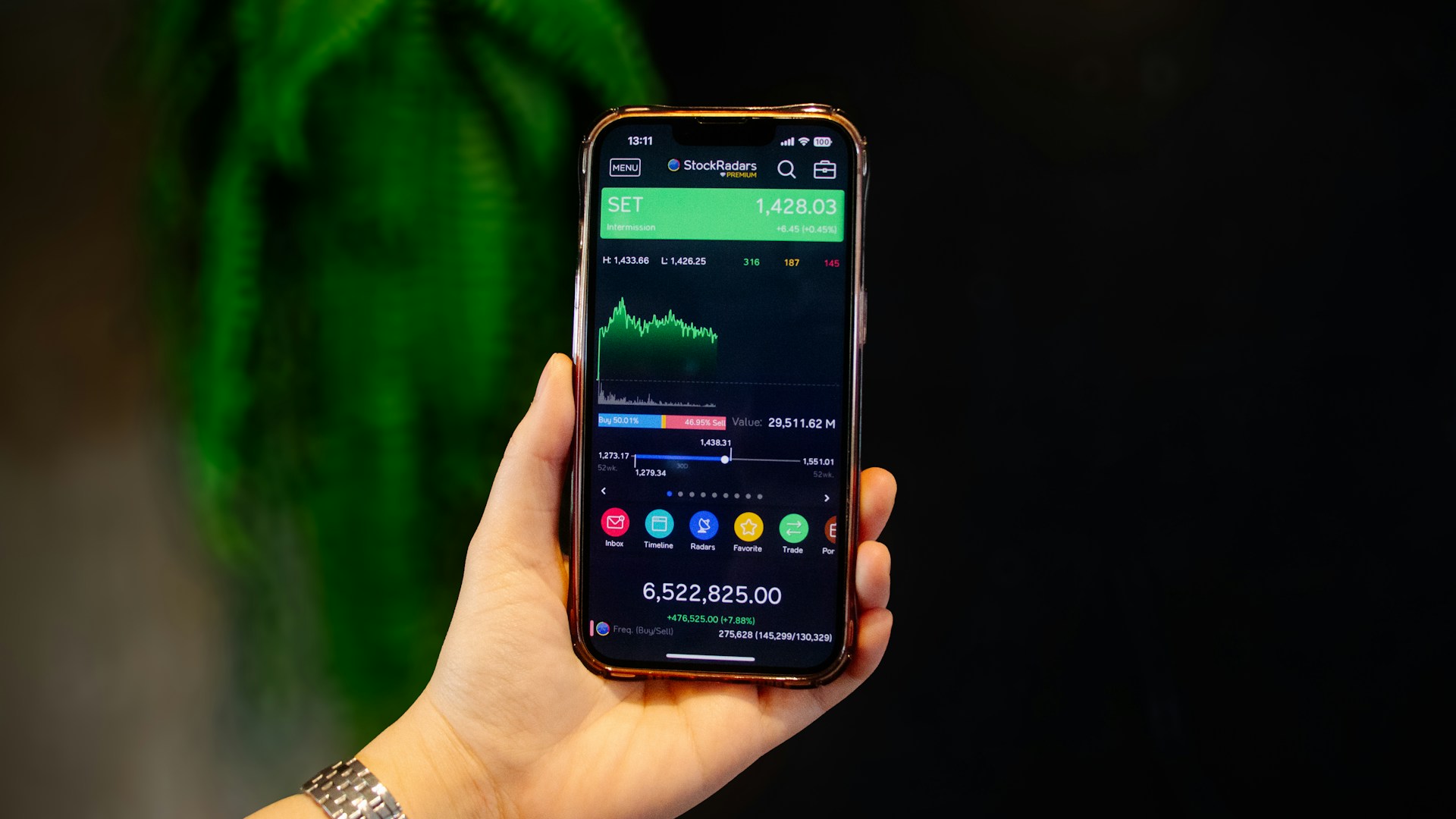
Having an investment portfolio matters because long-term financial growth is rarely achieved by relying on salary alone or by placing all hopes on one “perfect” investment. A portfolio is a deliberate way of putting money to work over many years, so your financial progress is not dependent on constant effort, perfect timing, or a single asset performing well. Around the world, people face different systems for retirement, different tax rules, and different costs of living, yet the same basic challenge remains. Time moves forward, expenses rise, and major life goals arrive whether or not income is at its highest. An investment portfolio helps bridge the gap between what you earn today and what you will need decades from now.
One of the strongest reasons to build a portfolio is compounding. Long-term growth tends to come from staying invested long enough for returns to build on earlier returns. This concept is straightforward, but it only works when your money can remain invested through ups and downs. A portfolio supports this by spreading your exposure across multiple investments rather than tying your future to a single outcome. When your wealth is built on one asset, one industry, or one market, one major downturn can disrupt years of progress. A portfolio reduces that dependence and increases the chance that your plan stays intact through different economic cycles.
A portfolio also matters because risk is not just about losing money, it is about losing money at the wrong time. Someone saving for retirement in thirty years can usually tolerate more short-term volatility than someone who needs cash next year for a home down payment or tuition payments. A portfolio makes it easier to align risk with your timeline by holding a mix of assets that serve different roles. More stable holdings can support nearer-term needs, while growth-oriented holdings can be left to work for longer-term goals. The point is not to remove risk completely, because growth usually requires some level of risk. The point is to shape risk so it fits the purpose of the money.
Inflation is another reason a portfolio becomes essential, no matter where you live. Even when inflation is moderate, it steadily reduces what money can buy. Over long periods, cash savings that grow slowly can lose purchasing power in real terms. A long-term portfolio is typically built with the expectation that it can outpace inflation over time, helping protect the real value of your wealth. This does not mean returns will be positive every year, or even every few years. It means that over a long horizon, investing offers a more realistic path to maintaining and growing purchasing power than leaving large sums idle.
Diversification is often described as avoiding placing all eggs in one basket, but globally it has deeper meaning. Different countries grow at different speeds, face different political and regulatory shifts, and experience different cycles in property, business, and employment. Even within one country, the investments that dominate one decade can disappoint in the next. A portfolio spreads your exposure so your future does not hinge on one economic story. You are not forced to guess the single best market, sector, or asset class. Instead, you build a structure that can still progress even if parts of the world or parts of the economy slow down.
Currency and cross-border realities strengthen the case for portfolio thinking as well. Many people earn in one currency, spend in another, or plan to study, travel, or retire abroad. Even those who live and work in one country still feel currency effects through imported goods, fuel prices, education costs, and travel. A portfolio that includes some global exposure can reduce the likelihood that one currency shift dominates your financial wellbeing. This is not about trying to profit from currency movements. It is about acknowledging that personal finances are increasingly connected to a global economy.
Beyond markets and economics, a portfolio helps manage behavior. Many investing mistakes happen because people react emotionally to headlines, chase recent winners, or sell after downturns out of fear. A portfolio approach encourages discipline. It gives you a plan for what you own and why you own it, making it easier to stay invested during volatility. It can also support rebalancing, which is the habit of adjusting allocations so no single investment grows too large or becomes too small relative to the plan. This creates a structured way to make decisions without relying on impulses or predictions.
A portfolio is also valuable because life is unpredictable. Careers are less linear than before, and many people face job transitions, caregiving responsibilities, business risks, or sudden expenses. If all wealth is tied up in one illiquid asset, you may be forced to sell at an unfavorable time or borrow at high costs. If all wealth is held in cash, you may feel secure in the short term but fall behind in the long term. A portfolio can balance growth and access by holding assets that support long-range objectives while maintaining enough flexibility for real-life needs.
Ultimately, the importance of an investment portfolio comes down to structure and resilience. Long-term financial growth requires more than motivation. It requires a system that can survive inflation, market cycles, life changes, and emotional decision-making. While countries differ in public pensions, retirement programs, and incentives, those systems are rarely designed to fully support the lifestyle individuals hope to maintain. A portfolio is how you build a personal layer of financial strength beyond what any employer or government can guarantee. It allows time to become an ally, compounding to work steadily, and your financial future to rely less on perfect circumstances and more on a durable, intentional plan.
 WhatsApp
 Instagram
 Threads