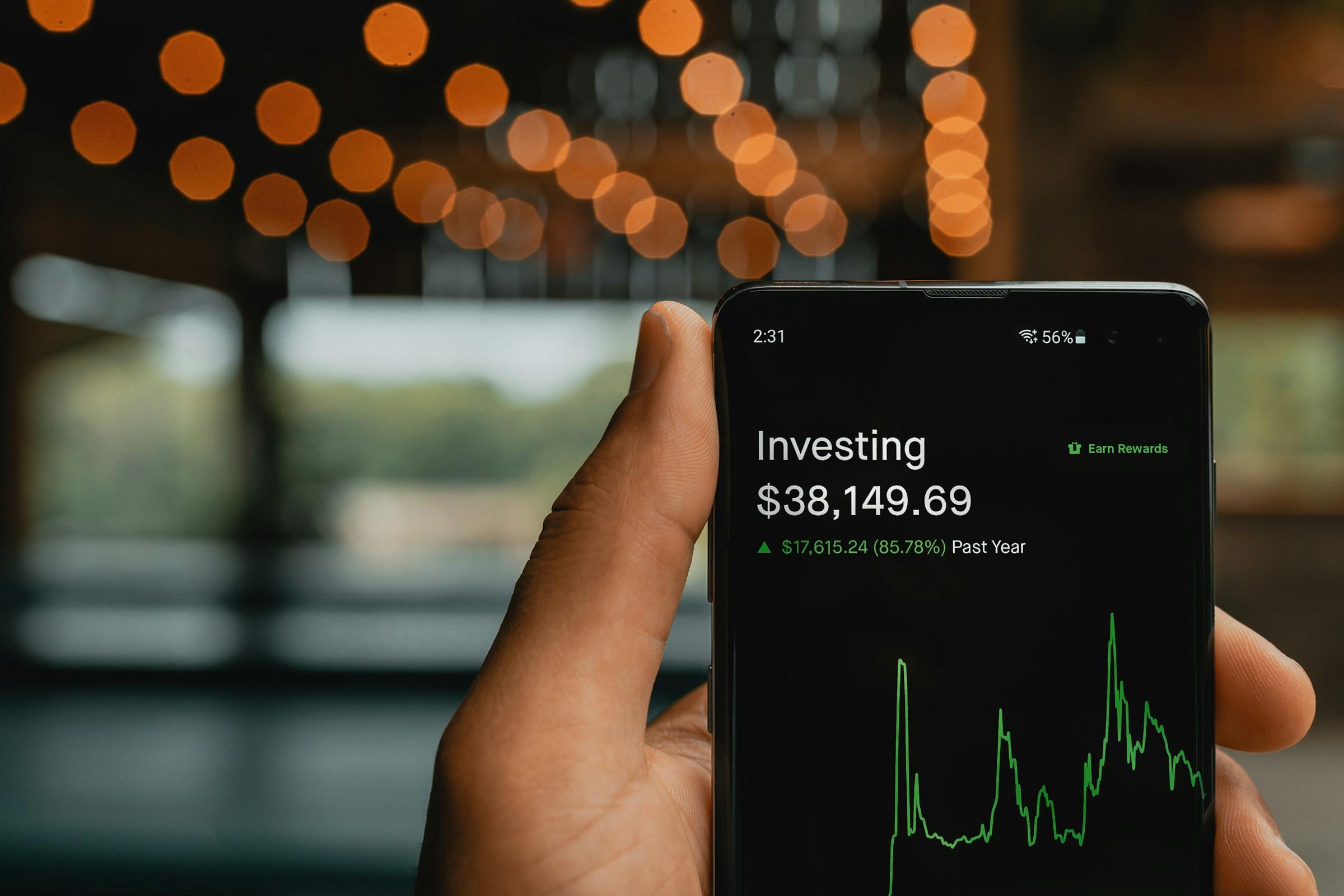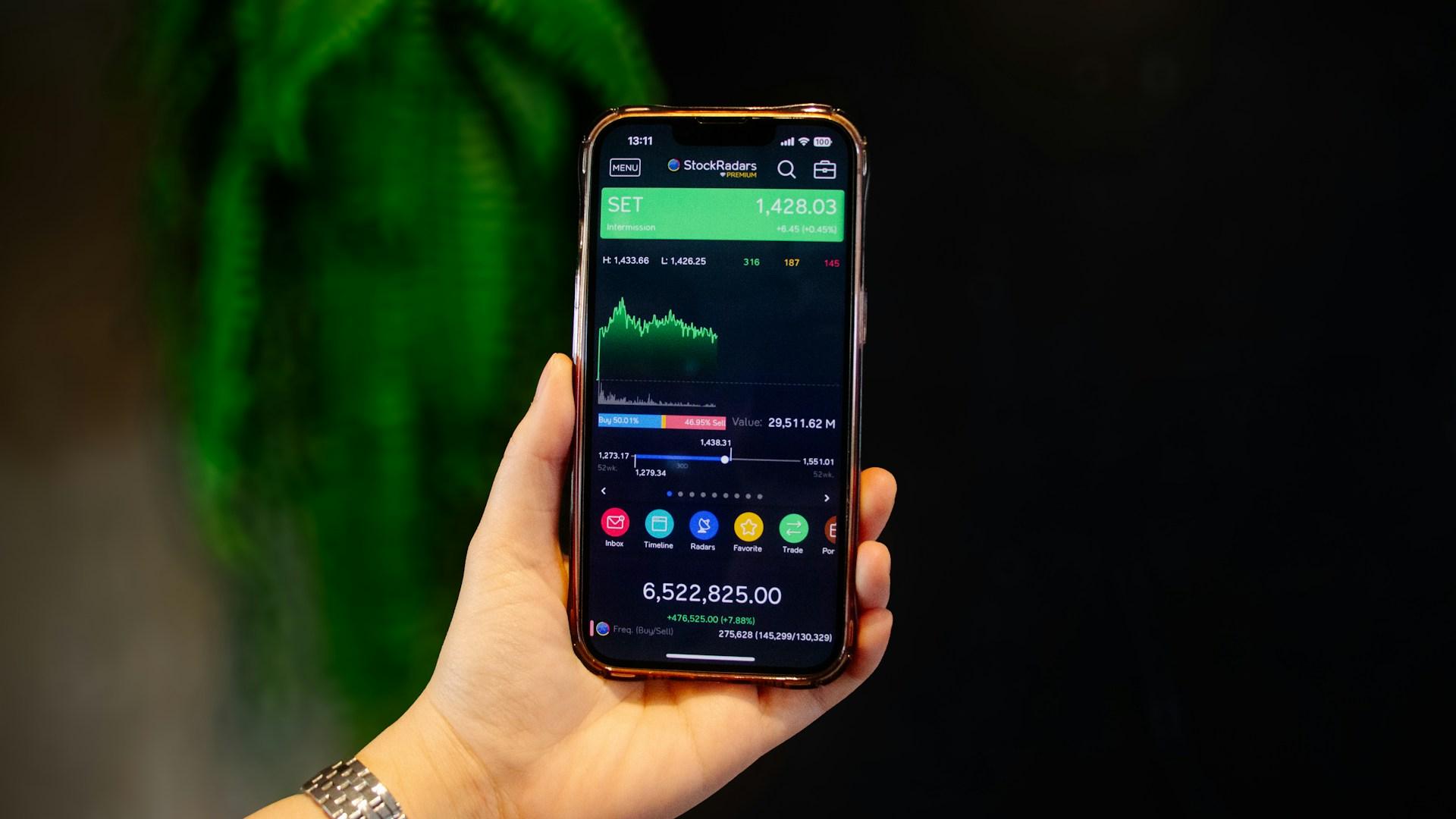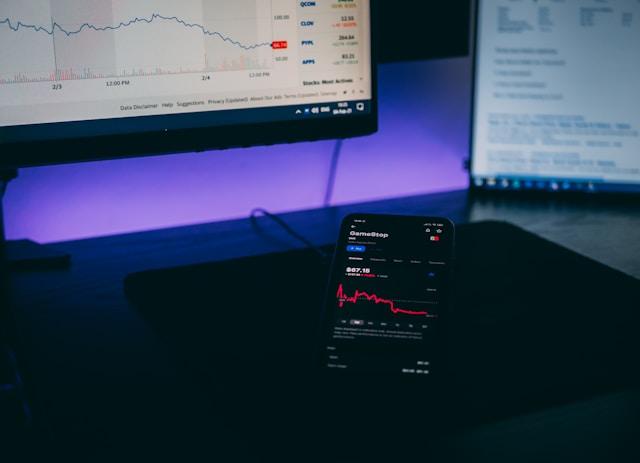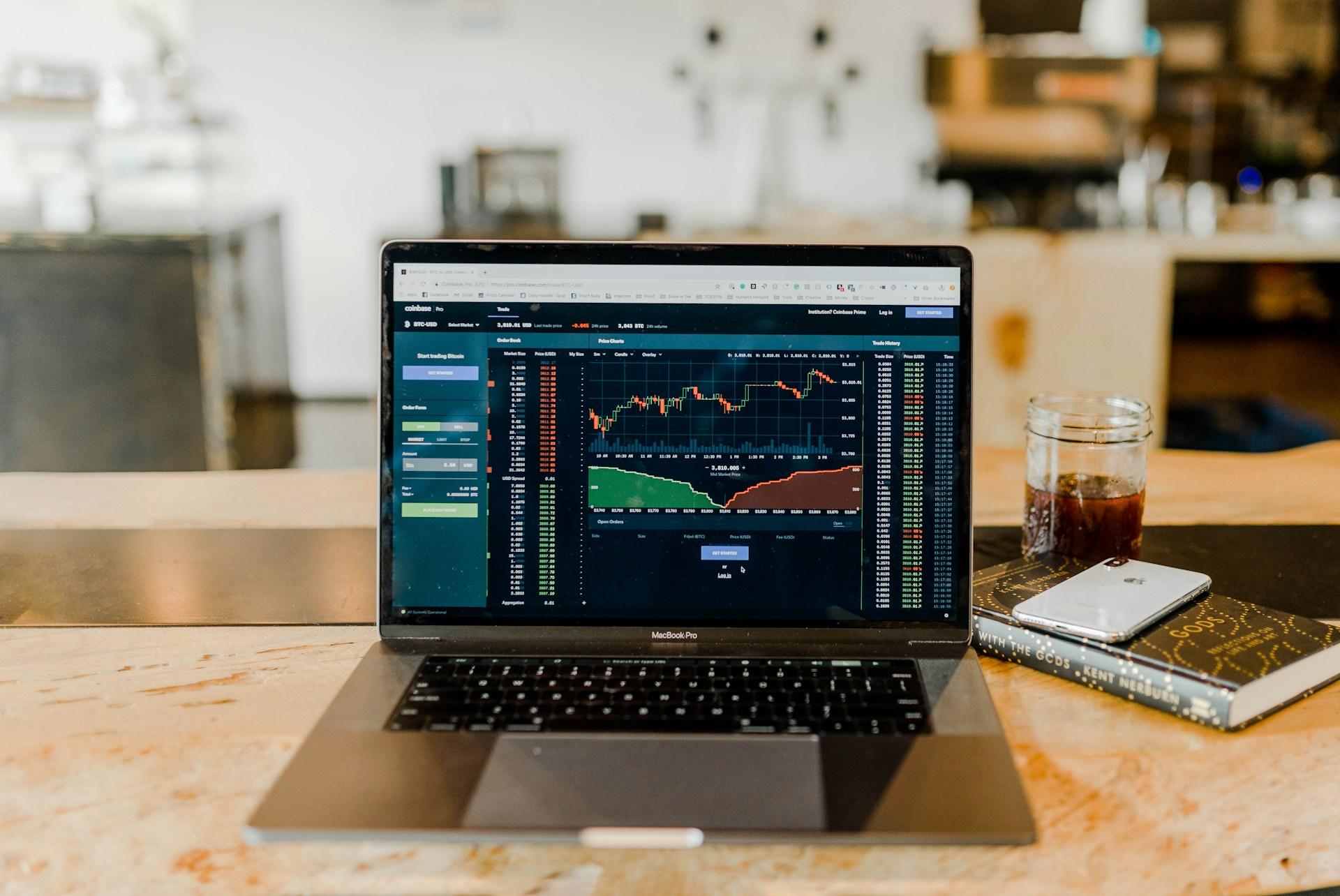
An investment portfolio is often described as a collection of investments, but it is more accurate to think of it as a system. It is the way a person organizes their money across different types of assets so the money can meet a specific purpose over time. Instead of being a random list of stocks or funds, a portfolio is meant to reflect a plan. It links your goals, your timeline, and your comfort with uncertainty to the investments you choose, so your money can grow, stay stable, or produce income depending on what you need it to do.
At its simplest, an investment portfolio includes any assets you have invested, whether that is a few funds in a brokerage account, retirement investments, or a mix of different holdings across platforms. You do not need a large amount of money to have a portfolio. The key idea is that the investments are held together by intention. A portfolio exists when you decide what role each investment will play and how all the pieces should work together. This is why two people can hold the same investment but have very different portfolios overall. The difference comes from how much they allocate to that investment, what other assets they hold alongside it, and what goal the money is meant to support.
Most portfolios are built using broad categories known as asset classes. Common asset classes include stocks, bonds, and cash or cash-like assets. Stocks represent ownership in companies and tend to offer stronger long-term growth potential, but they can rise and fall sharply in the short term. Bonds are typically viewed as more stable than stocks, because they are essentially loans made to governments or corporations, though they still carry risks such as interest rate changes and credit concerns. Cash provides liquidity and flexibility, helping an investor cover short-term needs without being forced to sell investments at the wrong time. Some portfolios also include real estate or other alternatives, especially when someone wants a wider mix of assets beyond traditional markets.
A major part of portfolio design is asset allocation, which means deciding how much of your money goes into each asset class. This matters because the balance you choose shapes both your potential returns and the ups and downs you experience along the way. Someone investing for a goal decades away, like retirement, may be able to accept more exposure to stocks because there is time to recover from market declines. Someone saving for a home deposit in the near future may need more stability, because a market drop at the wrong moment could disrupt their plans. In this way, the “right” portfolio is not determined by what is popular or what performed well recently. It is determined by how well the portfolio matches the timeline of the goal it is meant to serve.
Diversification is another key idea in building an investment portfolio. Diversification means spreading your investments across different areas so that your results are not overly dependent on one company, one industry, or one region. It does not remove risk completely, and it does not guarantee profits, but it can reduce the damage caused by any single failure. A portfolio that is diversified across many investments is generally less vulnerable to unexpected shocks than one that depends heavily on a few positions. This is why many investors use diversified funds or index-based products, because they offer exposure to many holdings in one place.
Risk is also central to understanding what a portfolio is. Many people assume risk only means losing money, but in personal finance, risk can also mean failing to reach a goal. A portfolio that is too aggressive may experience large losses right before you need the money. A portfolio that is too conservative may grow too slowly and fall behind inflation. The point is not simply to avoid discomfort. The point is to choose a level of risk that fits the job your money needs to do. When risk is viewed through the lens of purpose, portfolio decisions become less emotional and more practical. Because markets move constantly, a portfolio will not stay perfectly balanced on its own. Over time, certain investments may grow faster than others, causing the portfolio to drift away from the original plan. This is where rebalancing becomes important. Rebalancing means adjusting the portfolio back toward its intended allocation. It is a form of maintenance that helps keep your risk level consistent. Without it, a portfolio can gradually become more aggressive or more conservative than you intended, not because you made a conscious decision, but because market movements reshaped the balance.
A well-designed investment portfolio also respects the importance of liquidity. Not every dollar should be invested. Many financial plans work best when emergency savings and short-term cash needs are handled separately. When someone invests money that may be needed soon, they risk being forced to sell during a market downturn. By keeping a sensible cash buffer, an investor gives their long-term portfolio the time it needs to recover from inevitable market swings. This approach supports long-term discipline, because it reduces the chance that short-term panic will interfere with long-term progress.
Ultimately, an investment portfolio is not just a set of holdings. It is a practical expression of a financial strategy. It combines asset allocation, diversification, risk management, and ongoing maintenance so your money can support your goals in a way that fits your life. When built with intention, a portfolio becomes something you can live with confidently, because it is designed to work through change rather than depend on perfect timing. A strong portfolio is not the one that looks impressive in a screenshot. It is the one that stays aligned with your needs, helps you remain consistent, and gives your goals a steady path forward.
 WhatsApp
 Instagram
 Threads