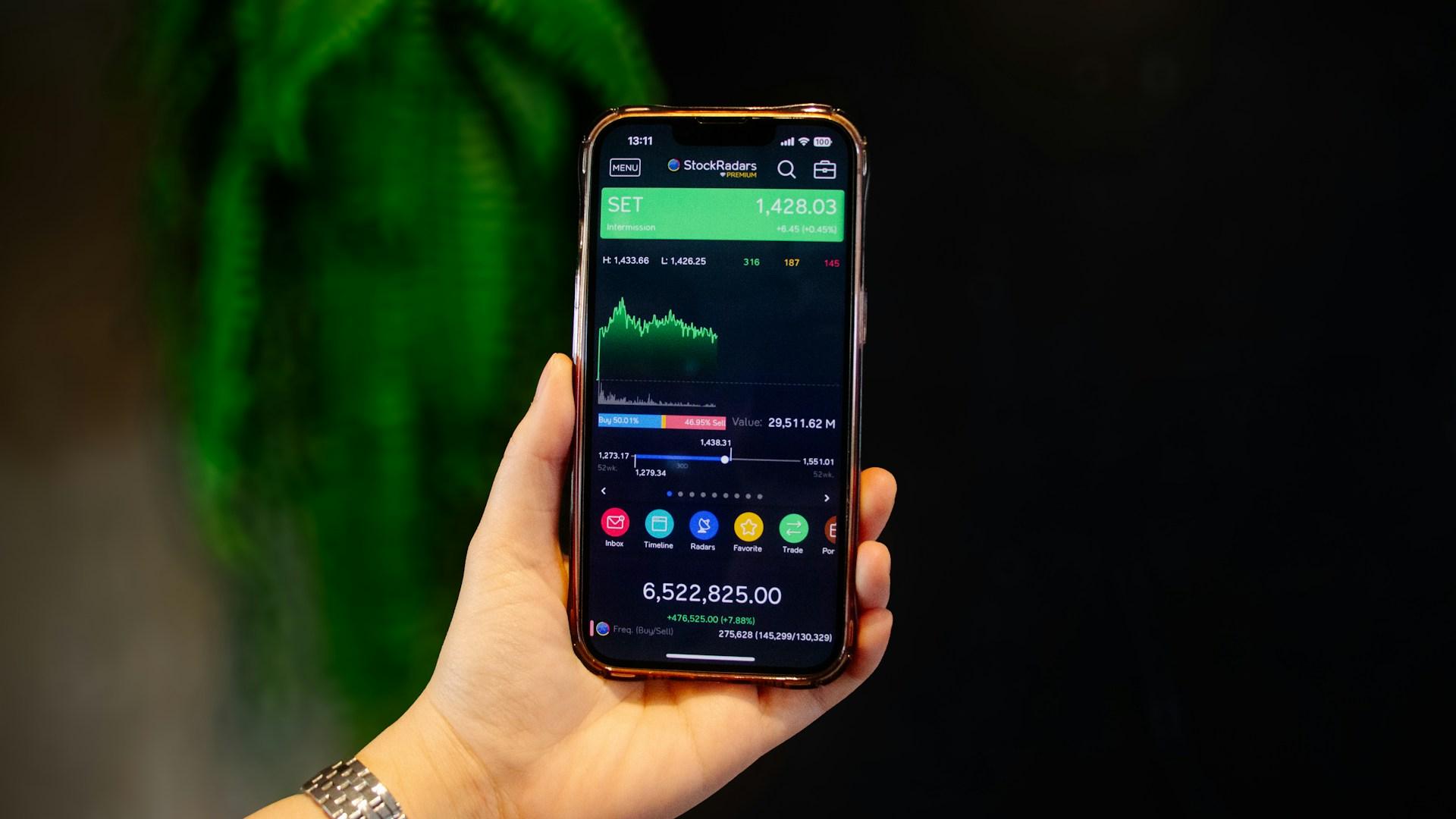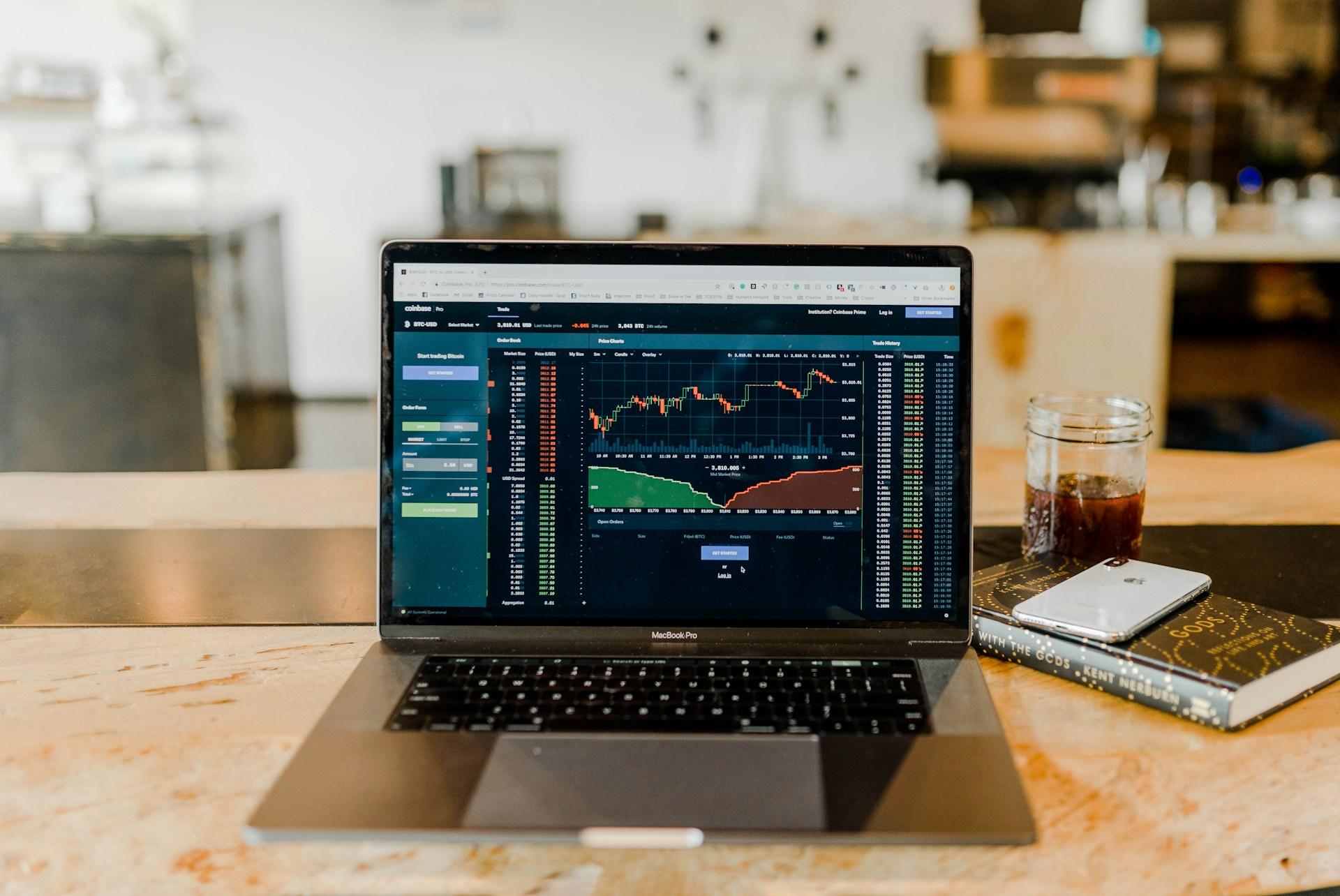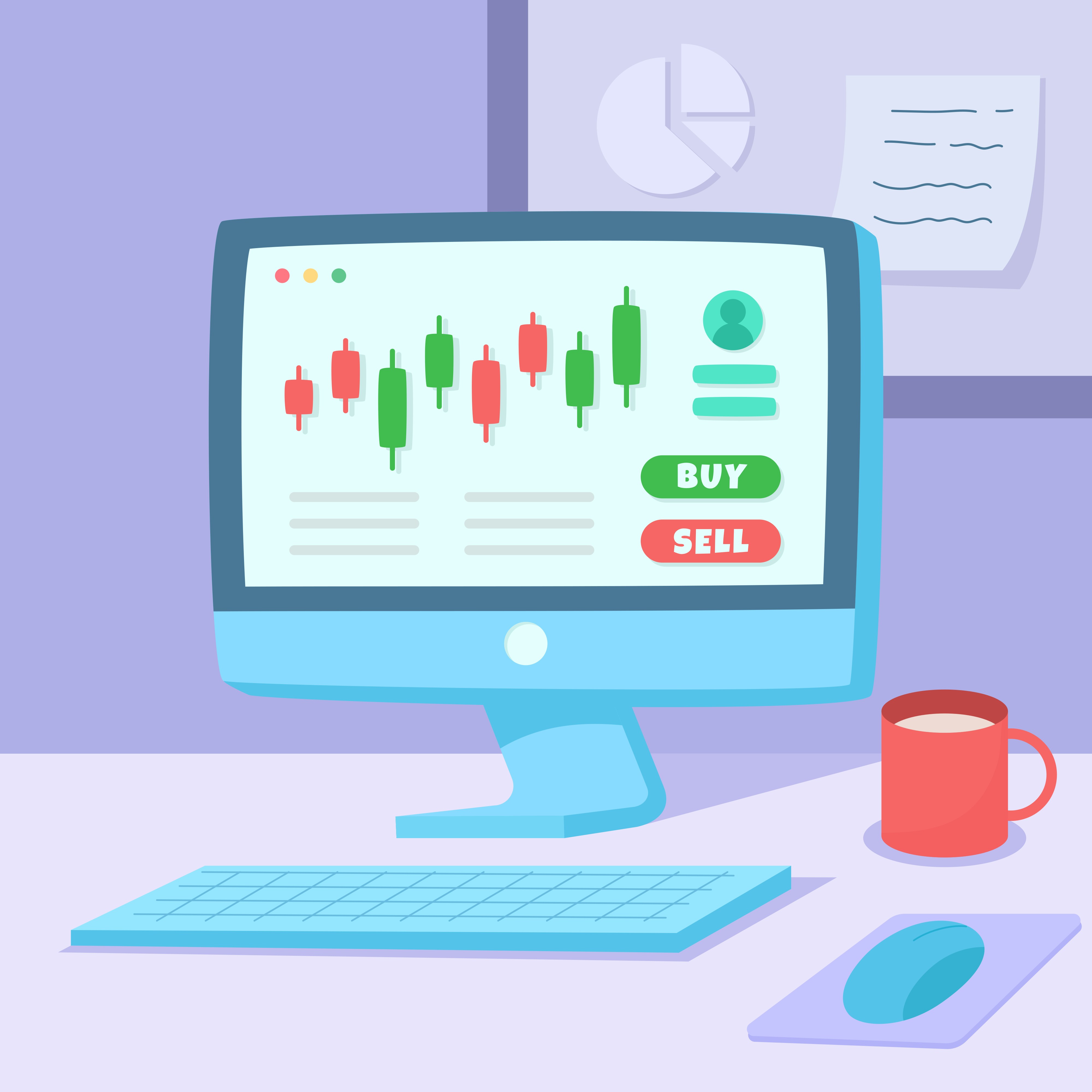
The stock market can look intimidating at first glance. Prices flash across screens, headlines suggest constant urgency, and it sometimes feels as if everyone else understands a language you have not learned yet. But beneath the noise, the stock market is simply a system for buying and selling ownership in companies. Once you see it as a marketplace and a pricing mechanism rather than a mysterious machine, it becomes much easier to understand how it works and how it can fit into a personal finance plan.
A stock represents a share of ownership in a company. When you own a stock, you own a small piece of that business, and your financial outcome is linked to what the business becomes over time. Companies first create publicly tradeable shares through an initial public offering, often called an IPO. That moment is when the company raises money from public investors by selling shares. After that, most of the buying and selling that happens day to day takes place in the secondary market, where investors trade shares with one another. The company itself is usually not involved in those trades, but the market’s ability to set a visible, widely accepted price still matters to the company because it affects reputation, future fundraising potential, and the broader cost of capital.
The trading itself happens through exchanges, which are regulated venues designed to make buying and selling fair and orderly. When people talk about the New York Stock Exchange or NASDAQ, they are referring to large marketplaces where shares are listed and traded under established rules. These exchanges help ensure transparency, meaning that prices and transactions are visible and standardized, and they also create a reliable infrastructure so ownership can be recorded and transferred properly. For ordinary investors, the main practical takeaway is that exchanges exist to reduce chaos, improve trust, and make sure that when you place a trade, there is a system behind it that handles matching, recordkeeping, and settlement.
At the heart of the stock market is price discovery. Prices move for the same basic reason prices move anywhere else: supply and demand. If many people want to buy a stock and fewer people want to sell it at the current price, buyers tend to offer more, and the price rises. If many people want to sell and fewer people want to buy, sellers accept lower prices, and the price falls. This tug of war happens continuously while markets are open, and in modern markets it can happen extremely quickly because computers update bids and offers in real time.
What makes stock prices feel especially dramatic is that they are not just a reflection of what is happening today. They reflect beliefs about the future. A share price represents what enough investors collectively think about a company’s prospects, including future profits, competitive strength, and risks. This is why a company can report strong results and still see its price fall. If investors expected even more, the stock can drop because the market is repricing expectations rather than reacting to the fact that results were positive. It is also why a company with low current profits can rise if investors believe the company will become highly profitable later. In other words, the market is always trying to translate uncertain future outcomes into a price today.
Investors generally earn money from stocks in two ways. One is capital appreciation, where the stock price rises and you can sell later for more than you paid. The other is dividends, where a company distributes a portion of its profits to shareholders. Some companies pay dividends regularly, often because they are mature and generate stable cash flow. Other companies pay little or none because they reinvest profits into growth. Both approaches can be valid. The best fit depends on what you are trying to achieve, how long you can invest, and how much price fluctuation you can tolerate without changing your plan.
Because stock markets contain thousands of companies, people often rely on indexes to represent broad market performance. An index is a measurement tool that tracks a selected group of stocks according to defined rules. When you hear that “the market” is up or down, it usually means a major index moved. Indexes help investors understand overall trends without focusing on a single company. They also support an important idea in modern investing: you do not necessarily need to pick individual stocks to participate in stock market growth. Many investors choose diversified funds that track major indexes, spreading risk across many companies rather than concentrating it in a few names.
For personal finance, this matters because diversification can turn the stock market into a more dependable long-term tool. Owning one or two individual stocks can produce big wins, but it can also produce painful losses if a company underperforms or faces unexpected trouble. Owning a diversified basket of stocks, especially through a broad fund, reduces the impact of any single company’s failure. It does not remove risk entirely, because markets can decline as a whole, but it does shift your outcome away from being dependent on one company’s story and toward the broader direction of economic growth and corporate profits.
Even with diversification, the stock market can feel uncomfortable because it moves constantly. This volatility is often misunderstood as a sign that something is broken. In reality, it is a normal feature of a market that responds to new information. Prices adjust when companies release earnings, when economic data changes, when interest rates shift, and when global events affect consumer behavior or business costs. Sometimes prices move even when news is quiet because large institutions rebalance portfolios or adjust risk exposure. If you are investing for a long time, many short-term movements are not signals that you should act. They are simply the background motion of a system designed to update prices frequently.
The challenge is that volatility can trigger emotional decisions. People tend to feel confident after prices have risen for a while, which is often when stocks are more expensive and risk is higher. They tend to feel fearful after prices fall, which is often when long-term opportunities are most attractive. This is why a disciplined approach tends to outperform a reactive one for ordinary investors. Consistent investing, especially when automated, reduces the temptation to chase trends or panic during declines. Over time, this consistency can be more powerful than cleverness because it prevents behavior from undermining the plan.
Understanding how trades work can also make the system feel less mysterious. When you place a trade through a brokerage, your order is routed to the market and matched with someone else’s order. A market order tells the system you want the trade to happen immediately at the best available price, which is convenient but can lead to unexpected execution prices in fast-moving markets. A limit order gives you control by setting a maximum price you are willing to pay or a minimum price you will accept to sell, though it may not execute if the market never reaches your specified level. After a trade happens, settlement occurs in the background so cash and shares officially change hands and ownership records update. Most investors never notice this process, but it is a key part of what makes markets function reliably.
Another concept that helps explain market headlines is market capitalization, which is calculated by multiplying a company’s share price by the number of shares outstanding. This tells you the market’s total valuation of the company’s equity. It can be tempting to think of market capitalization as money sitting somewhere, but it is not. It is a measurement of what investors collectively think the company is worth at current prices. This is one reason why market values can rise and fall quickly without any equivalent change in the company’s bank balance. Valuation is not just about current assets. It is about future potential and risk.
Interest rates also influence stock prices in ways many beginners do not expect. When interest rates rise, safer investments can offer higher returns, which can make stocks less attractive and put downward pressure on valuations. Higher rates can also raise borrowing costs for companies, affecting profitability and growth. When rates fall, borrowing can become cheaper and investors may be willing to pay more for future earnings. You do not need to predict rate changes to invest successfully, but it helps to know that market movements often reflect shifting conditions rather than random chaos.
The most practical way to connect the stock market to everyday financial planning is to match your investments to your timeline. Money you need soon, such as for emergencies or near-term expenses, usually does not belong in stocks because the market can drop sharply at the wrong time. Money for long-term goals, such as retirement, is better suited to stocks because time gives you a chance to ride out downturns and benefit from growth over many years. This timeline-based approach is often more important than selecting perfect investments, because it protects you from being forced to sell during a downturn.
In the end, the stock market works as both an ownership platform and a pricing engine. It allows people to buy shares of companies, and it continuously updates prices based on what investors believe about the future. It can feel emotional because the numbers move every day, but the underlying system is not designed for daily certainty. It is designed for constant repricing. For long-term investors, the goal is not to outguess every shift. The goal is to build a plan that uses the market’s long-run growth potential while protecting against short-run instability through diversification, appropriate time horizons, and disciplined behavior.
When you understand the stock market this way, it becomes less like a game you need to win and more like a tool you can use. The market will rise and fall, and you cannot control that. What you can control is how you participate: how diversified you are, how consistently you invest, and whether your strategy matches your timeline. That is what turns the stock market from something intimidating into something workable, and ultimately useful, for building long-term financial stability.
 WhatsApp
 Instagram
 Threads