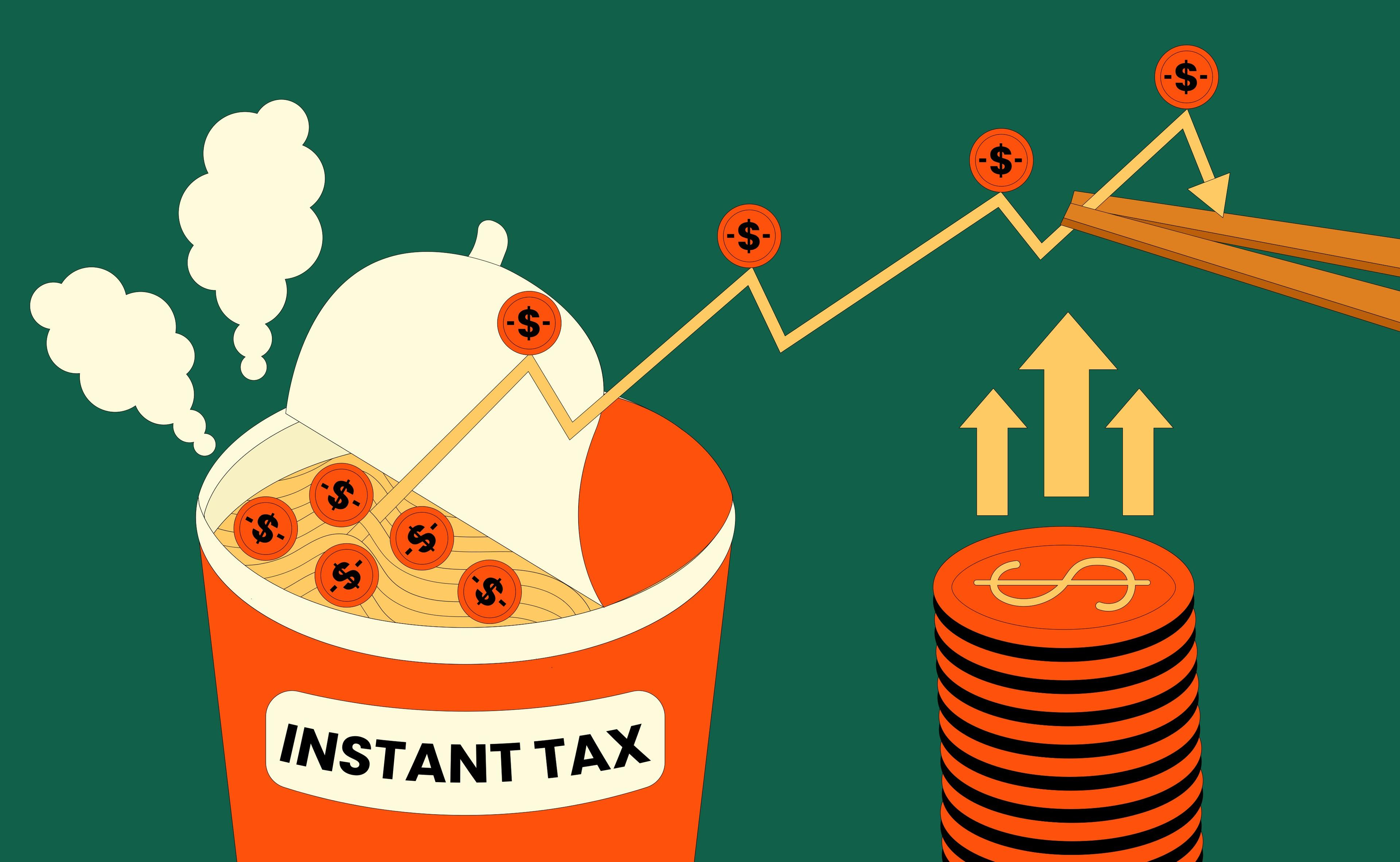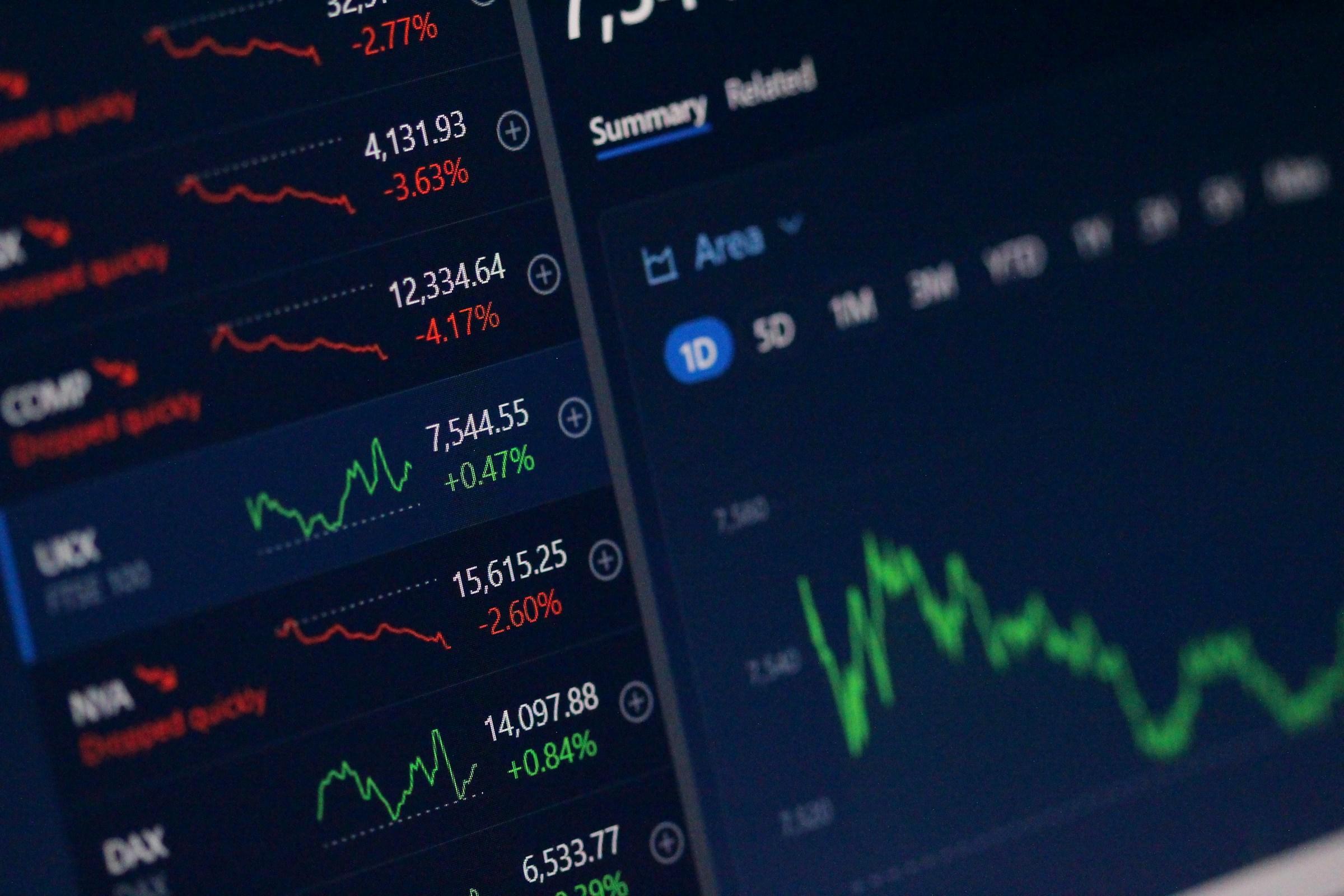
When you see a headline saying Treasury yields have fallen, it can sound like something only bond traders care about. Yet, almost every time yields move lower after a period of stress, you often see stock markets breathe a little easier. Prices recover, volatility cools, and commentators talk about improving sentiment. To understand why lower Treasury yields can boost market confidence, you have to see these yields not as random percentages on a screen, but as the foundation for how money is priced throughout the entire financial system.
US Treasuries are widely treated as the safest assets in the world, since they are backed by the US government. The yield on those bonds is simply the return that investors demand in order to lend money to that government. Because Treasuries are considered effectively risk free, their yields become the reference point for virtually everything else. Corporate bonds, mortgages, personal loans, and even the way analysts value stocks all start from that base and then add extra compensation for risk. When Treasury yields are high, everything else needs to offer more return to look worthwhile. When they move lower, the hurdle drops. That single shift can change how investors think about risk, growth, and the future path of the economy.
To see why this matters, think about the past few years as one long interest rate shock. Central banks raised policy rates aggressively in order to slow inflation, and Treasury yields followed them higher. The price of money rose quickly. For households, that translated into more expensive mortgages, pricier car loans, and higher credit card rates. For companies, it meant that issuing new debt or rolling over old borrowing suddenly cost much more. Investors started worrying that something in the system might crack under the pressure of higher yields.
When Treasury yields finally start drifting lower after that kind of spike, markets treat it as a kind of pressure release. The strain on borrowers does not vanish overnight, but it becomes less severe. A company staring at a much higher interest bill than it expected might now see a slightly friendlier refinancing environment. A bank that was sitting on bond losses from the rapid rate hikes might find that those losses shrink as yields decline and bond prices recover. That easing of stress feeds into confidence. It suggests that financial conditions are no longer tightening relentlessly, and that the worst of the rate shock may be behind.
This change is not only about mood, it is also about math. When analysts value stocks, they usually project a stream of future cash flows and then discount those flows back to the present using a rate that includes the risk free Treasury yield. If that risk free yield is high, the discount rate is high, and future earnings are worth less in present value terms. The longer a company needs to wait before it generates profits, the more painful that high discount rate becomes. That is why growth stocks, which rely heavily on future earnings, tend to suffer when yields rise.
When Treasury yields fall, that same stream of future cash flows is discounted at a lower rate. The present value goes up. Nothing miraculous has changed about the company overnight. It is the environment that has shifted. For investors, this makes valuations more forgiving. Stocks that looked stretched at very high yields can look more reasonable when the anchor yield begins to move down. Technology and other growth-oriented sectors often respond the most to this change, but the effect ripples across the entire market. It is not just optimism at work, it is the arithmetic of discounted cash flows moving in a more supportive direction.
Lower Treasury yields also signal that the cost of capital throughout the economy may be easing. Government yields influence the rates at which corporations borrow, because investors always compare what they can earn on Treasuries to what they can earn on riskier bonds. If Treasuries yield less, companies may be able to raise money at lower interest rates, or at least avoid further painful increases. That, in turn, can reduce the risk of defaults and financial accidents. When markets worry that higher rates will cause a wave of bankruptcies or banking problems, even a modest retreat in yields can feel like a step away from the edge.
This easing of pressure shows up in credit spreads, which are the extra yield investors demand for holding corporate or high yield bonds instead of Treasuries. When confidence improves and default fears fade, these spreads often narrow. That narrowing tells you that investors feel less need to be compensated for risk. It is a quiet vote of trust in the system. If Treasury yields are lower and spreads are tightening at the same time, the message is that markets believe the economy can handle current conditions without a major crisis. That belief is itself a powerful stabiliser.
There is also a story element that helps lower yields lift confidence. When yields come down in an orderly way because inflation is cooling and central banks are signaling less aggressive moves, investors start to believe in the possibility of a soft landing. In a soft landing, growth slows enough to tame inflation without tipping into a deep recession. The idea is that the economy can step down from the intense pace of tightening and move toward a more sustainable path. For companies, that scenario means earnings can continue to grow, even if more slowly, and financing conditions will not keep worsening.
In human terms, this resembles finishing a tough training cycle and discovering that you have grown stronger without injuring yourself. You still feel tired, but you are not broken. In market language, lower yields that reflect stabilising inflation and steady employment send that same message. They hint that policymakers may not need to push so hard and may eventually even ease off. This possibility encourages investors to take a less defensive stance and to consider re-entering risk assets they had avoided during the height of the rate shock.
High Treasury yields also create a simple comparison for investors. When short-term government bonds pay attractive returns, it is easy to park cash in them and avoid the volatility of stocks. For many people, that trade off feels comfortable. As yields move lower, this easy alternative loses some of its appeal. The gap between what you earn in safe assets and what you might earn in equities over the long term begins to narrow again. At that point, some investors ask why they should lock in a lower yield when stocks and other risk assets could offer better upside over many years.
This is not an instant switch in behavior, but it gradually changes the balance of flows. Money that moved into cash and very short-term bonds when yields were high may start to trickle back into stock markets, credit funds, and even more speculative areas like technology startups or crypto. That renewed appetite for risk supports asset prices and contributes to the sense of a market turning the corner. Lower yields do not guarantee a rally, but they create more space for one to happen.
However, it is crucial to recognise that not every drop in Treasury yields is a positive signal. Yields can fall for two very different reasons. They can decline because inflation is under control and central banks are easing off a bit, which is usually good for confidence. They can also fall because investors are frightened and are rushing into government bonds as a safe haven. In that second case, yields drop because fear is rising, not because the outlook is improving.
When yields plunge sharply while economic data deteriorates and risk assets are selling off, the market is not relaxed, it is anxious. Stocks might fall even as yields move lower, because investors are suddenly more worried about profits, employment, and growth. In that environment, lower yields are better understood as a sign of stress. The bond market is saying that it expects weaker growth and more aggressive rate cuts to fight a downturn. That is not the kind of story that boosts confidence.
This is why context matters so much. Investors who watch yields closely do not look at them in isolation. They pay attention to credit spreads, equity indexes, central bank statements, and key economic indicators like inflation, jobs, and consumer spending. If yields drift lower from very elevated levels while credit spreads narrow and equities stabilise, the picture is one of easing tension. If yields fall while spreads widen and stocks tumble, the image is very different. The same numerical move in yields can carry opposite meanings depending on what else is happening.
For an everyday investor, especially a younger one who is still building wealth, all of this can feel abstract. The temptation is to treat every move in the 10-year yield as a trading signal. In reality, yields are better used as a background indicator of the environment you are investing in. When Treasury yields are sliding from unusually high levels toward something more normal and inflation is not spiralling out of control, that environment is often more supportive of long-term equity investing than a world in which yields are still climbing fast.
Lower yields can also shape practical decisions about bonds themselves. If you locked in higher yields earlier, a decline in rates can mean that the value of your existing bond holdings rises. If you are deciding whether to buy bonds now, falling yields may suggest that some of the most attractive coupons are already behind you, and that you should think about fixed income more as a stabilising piece of your portfolio rather than a source of high income. The right balance depends on your time horizon, risk tolerance, and goals.
For borrowers, whether they are individuals with mortgages and student loans or small business owners with credit lines, lower yields usually translate into a less harsh backdrop. It may not immediately reduce monthly payments, but it can improve the chances of refinancing at more reasonable rates in the future. Fewer sudden shocks from rising rates give households and businesses more room to plan and adapt, which in turn supports overall economic resilience. When that resilience becomes more visible, markets grow less fearful of widespread defaults and systemic crises.
In the end, the reason lower Treasury yields can boost market confidence is that they influence both the numbers and the narratives markets rely on. They change the discount rate used to value future earnings, the cost of borrowing across the economy, and the attractiveness of safe assets relative to riskier ones. At the same time, they signal how investors collectively view inflation, growth, and central bank policy.
Your advantage as a long-term investor is not in predicting every twist in yields, but in understanding what those movements say about the playing field. When yields fall for the right reasons, the environment becomes less hostile to risk taking and more supportive of gradual wealth building through diversified investing. When they fall out of fear, they remind you why it is important to have a resilient plan, an emergency buffer, and realistic expectations. In both cases, knowing how to interpret yields helps you stay grounded, instead of getting swept up in every headline that flashes across your screen.
 WhatsApp
 Instagram
 Threads