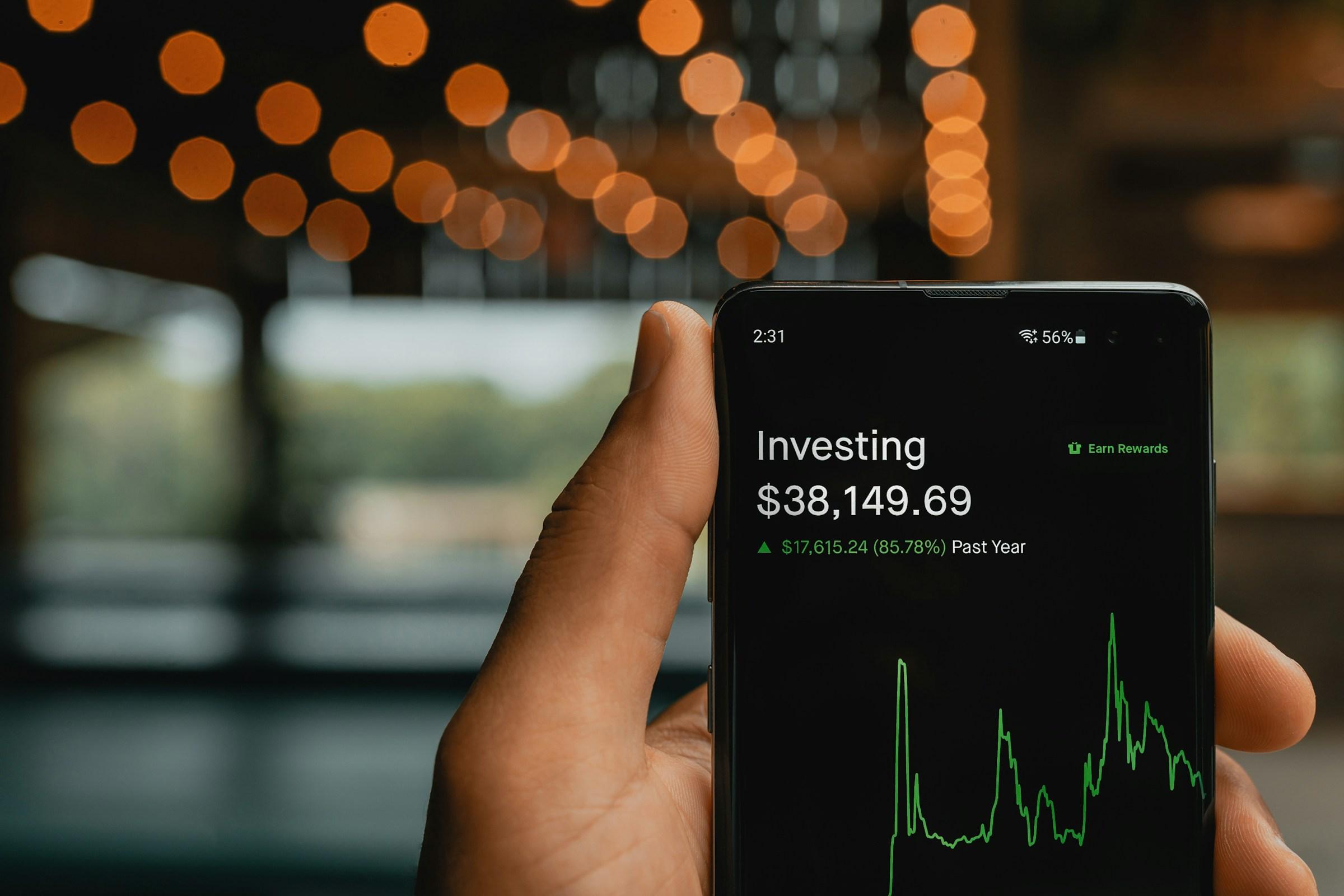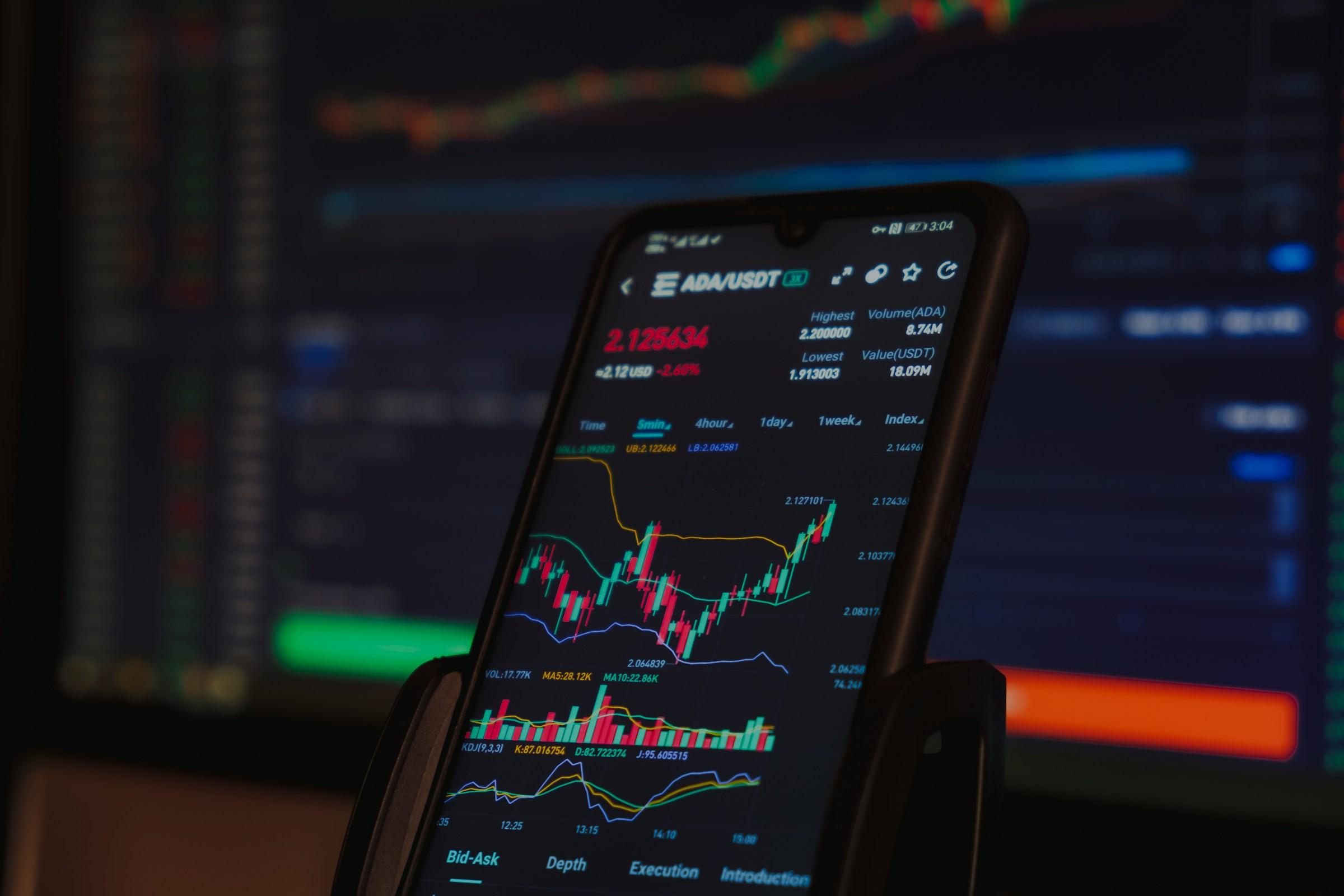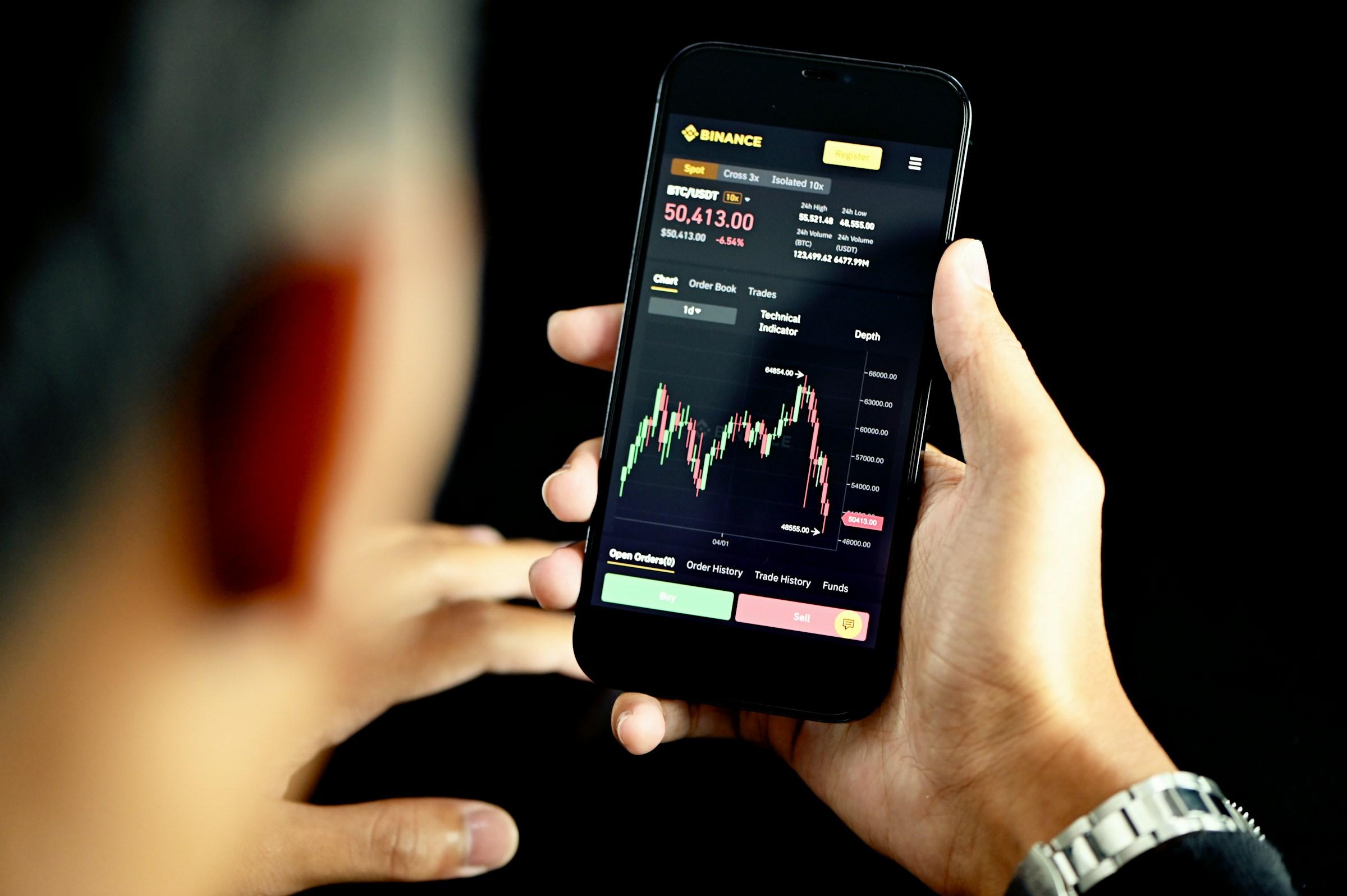
Contracts for difference, or CFDs, are often presented as a flexible way for beginners to access global markets. With a relatively small amount of capital, a new trader can take positions in indices, currencies, shares and commodities. On the surface, this looks like a convenient solution for someone who wants market exposure without needing a large account. Beneath that appealing packaging, however, lies a reality that every new trader must confront. CFDs are leveraged derivatives. They can amplify gains, but they also magnify losses, sometimes at a speed that surprises even experienced investors. For beginners, the more important question is not how to make fast profits, but how to approach CFD trading in a way that reduces avoidable risks and protects long term financial stability.
To trade CFDs safely, it is essential to understand how they work at a structural level, not just at the marketing level. A CFD is an agreement between you and your broker to exchange the difference in the price of an underlying asset between the moment you open the contract and the moment you close it. You do not actually own the asset. You are speculating on price movements. Several features make this arrangement more complex than simply buying a share or a fund. Leverage allows you to control a position that is larger than the cash you have in your account. Margin is the portion of that position that must be held as collateral. If the price moves against you, the value of your collateral can fall quickly. If it falls too far, the broker may step in and close your position, often at a time when the market is volatile and prices are unfavourable.
There are also financing charges to consider, particularly if you hold certain CFD positions overnight. These are often small on a daily basis, but they can add up quietly over time and eat into your returns. Many beginners do not pay close attention to these mechanics. They hear that CFDs are a cost efficient way to trade and assume that understanding the basics is enough. In reality, if you cannot explain concepts such as margin calls, stop loss orders, leverage limits and overnight financing in simple language to a friend, you are not yet ready to risk real money in these products.
Before funding a live account, it is far safer to treat CFD trading as a skill that requires training. One practical way to do this is to begin with a demo account. Most CFD brokers offer a simulated environment where you can place trades with virtual money while the platform reflects live market prices. This is not a perfect replica of real trading, because it does not generate the same emotional pressure that comes with actual gains and losses. Nevertheless, it allows you to learn the layout of the platform, understand different order types and see how leverage affects your positions without putting your own capital at risk.
During this training phase, a demo account works best when you treat it seriously. Instead of placing random trades to see what happens, record each decision in a simple journal. Note why you entered a trade, at what price you plan to exit if it goes well, and at what price you will close it if it goes against you. After a few weeks, you will begin to notice patterns. You may see that you often chase sudden moves, enter positions without a clear exit plan, or keep losing trades open because you hope they will eventually recover. It is much better to discover these behavioural tendencies with virtual funds than through painful losses in a live account.
Alongside this practice, beginners benefit from creating a written trading plan before they ever trade CFDs with real money. This plan does not have to be elaborate, but it should be specific enough to guide decisions when the market is moving quickly. It can include which instruments you will trade, what time of day you will focus on them, how much of your account you are willing to risk per trade and how you will respond if you experience a series of losses. When rules exist only in your head, they are easy to change in the heat of the moment. Writing them down gives you a reference point that is harder to ignore and adds a small but important layer of discipline.
Managing leverage is another central piece of CFD trading strategies for beginners who want to stay safe. When new traders see that a platform offers high leverage, they often feel tempted to use the maximum allowed. This can make small market moves look exciting, because a one or two percent change in the underlying asset can push the account value up or down sharply. The same feature, however, can also wipe out a large portion of your account in a short time if the market moves against you. A safer approach is to limit the effective leverage you use, even if the broker offers more generous levels.
You can do this by choosing smaller position sizes relative to your account balance. Many cautious traders follow a simple guideline. They decide that no single trade will expose more than a fixed percentage of their account to loss, often one or two percent. To apply this, they set a stop loss on each trade and calculate the position size so that, if the stop loss is hit, the loss remains within that chosen percentage. This way, they assume from the start that some trades will fail. Instead of trying to avoid all losing trades, they focus on keeping each loss small enough that it does not threaten their overall capital.
Stop loss orders are one of the few tools that give you a measure of control over downside risk. When you place a stop loss, you are deciding in advance at what price you will exit a trade if it goes wrong. For beginners, it is usually safer to base this level on both the volatility of the instrument and the risk limit you have set for your account. For example, if a market tends to move within a certain daily range, setting a stop too close to the current price may cause you to be stopped out on normal fluctuations. Setting it too far away, on the other hand, may expose you to a larger loss than you are comfortable with. The balance comes from aligning the stop with both the behaviour of the market and your personal risk tolerance.
Placing a stop loss is only half of the discipline. The other half is resisting the urge to move it further away from the market as price approaches it. Many new traders decide that they do not want to be “wrong” and shift the stop lower or higher to give the trade “more room”. In practice, this often turns a planned small loss into a much larger and uncontrolled one. If you notice that you do this repeatedly, that is usually a sign that your position sizes are too large for your comfort level. Reducing the size of each trade can make it easier to accept small, preplanned losses. Over time, the habit of closing trades when they violate your initial criteria does more to protect your capital than any complex technical indicator.
CFD platforms present a constant stream of information. Prices update in real time, charts move quickly, and the trading buttons are always available. This environment can easily encourage overtrading, especially when emotions are running high. After a loss, a beginner might feel an intense urge to win the money back immediately. After a small gain, they may feel overconfident and take on more risk than their plan allows. To trade CFDs safely, it helps to introduce artificial limits that calm these impulses.
One simple practice is to set a maximum number of trades you will open in a day or a week. This forces you to be selective. Instead of reacting to every minor price movement, you save your limited trades for situations that genuinely fit your plan. Another useful routine is to choose specific times of day when you will review the markets and your positions. Outside those windows, you give yourself permission to step away from the screen. These small habits turn trading into a structured activity rather than a constant cycle of emotional reactions.
Costs form another layer of risk that beginners sometimes overlook. With CFDs, you pay through spreads, commissions and financing charges. If you tend to hold positions overnight, the financing costs can become a significant drag, particularly on smaller accounts. Before opening a position, it is wise to check what it will cost you if you hold that trade beyond the current day or over a weekend. In some cases, the expected financing charges may consume a large fraction of your anticipated profit. If that is the case, the trade may not be worthwhile within your strategy.
Margin calls are related to cost but deserve separate attention. Your broker requires a minimum margin level to keep positions open. If your account equity falls below this level because trades have moved against you, the broker can close one or more positions automatically. This may happen at a time when prices have temporarily spiked in an adverse direction. Maintaining a comfortable buffer above the minimum margin, rather than operating at the edge of your capacity, lowers the risk of forced liquidations at unfavourable prices.
Beyond your personal behaviour, the safety of your CFD trading also depends on the quality of the broker you choose. In many jurisdictions, such as established financial centres in Asia and Europe, CFD brokers are subject to regulatory oversight. They may be required to keep client funds segregated from the firm’s own money, provide clear risk disclosures and follow rules during periods of extreme market volatility. As a beginner, you should verify that your broker is authorised by a recognised regulator, understand where your funds are held and know how withdrawals work.
Caution is especially important when dealing with brokers that operate primarily offshore and advertise very high leverage and attractive bonuses. The legal protections for clients in those environments may be weaker, and it can be more difficult to seek recourse if problems arise. A broker that offers slightly lower leverage, but operates under a strong regulatory framework, is often a safer choice for someone who is still learning. Safety, in this sense, comes from governance and transparency as much as from trading skill.
All of these safeguards work best when you connect CFD trading strategies for beginners back to your overall financial plan. It is easy to think of a trading account as separate from the rest of your money, especially when it sits in an app on your phone. In reality, the funds you transfer into that account reflect your past effort and they sit alongside other priorities such as housing costs, education savings and retirement plans. For that reason, it is wise to fund a CFD account only with money that you can afford to lose without damaging your basic financial security.
You can also set a limit on what proportion of your total net worth you are prepared to allocate to speculative trading. There is no universal percentage that suits everyone, but many people find it helpful to keep that number relatively small, particularly when they are just starting out. Your income stability, family responsibilities and personal comfort with risk will all influence the right figure for you. The key is to decide on this proportion in advance, so that CFD trading does not quietly expand and crowd out other important financial goals.
It is also worth acknowledging that CFDs are not suitable for everyone. If you feel deeply uncomfortable with rapid changes in account value, often struggle to follow through on your own plans, or already find it hard to meet your monthly obligations, then it may be more appropriate to focus on simpler instruments. Low cost diversified funds, savings plans and other transparent products can often serve your long term interests more reliably than leveraged trading. There is no requirement in any sound financial plan that you must trade derivatives. Choosing not to engage is itself a valid and responsible decision.
For those who do decide to explore CFDs, the safest path involves treating them as an advanced tool that earns its place only after you have a stable base of savings, a clear budget and experience with less complex investments. Within that context, CFD trading strategies for beginners should emphasise modest leverage, tight control of risk per trade, consistent use of stop losses, close attention to costs and cautious selection of brokers. The goal is not to eliminate risk, which is impossible, but to keep it within boundaries that you have consciously defined.
Taken together, these practices can help a new trader learn without exposing their finances to unnecessary harm. The journey involves more self awareness and patience than most promotional material suggests. It requires a willingness to accept small losses, to pause after setbacks and to adapt your behaviour when you notice unhelpful patterns. If at any point the risks of CFD trading begin to feel misaligned with your priorities and obligations, stepping back and reassessing your involvement is not a failure. It is a sign that you are treating your financial life as a whole, rather than being guided only by the possibility of short term gains.
 WhatsApp
 Instagram
 Threads