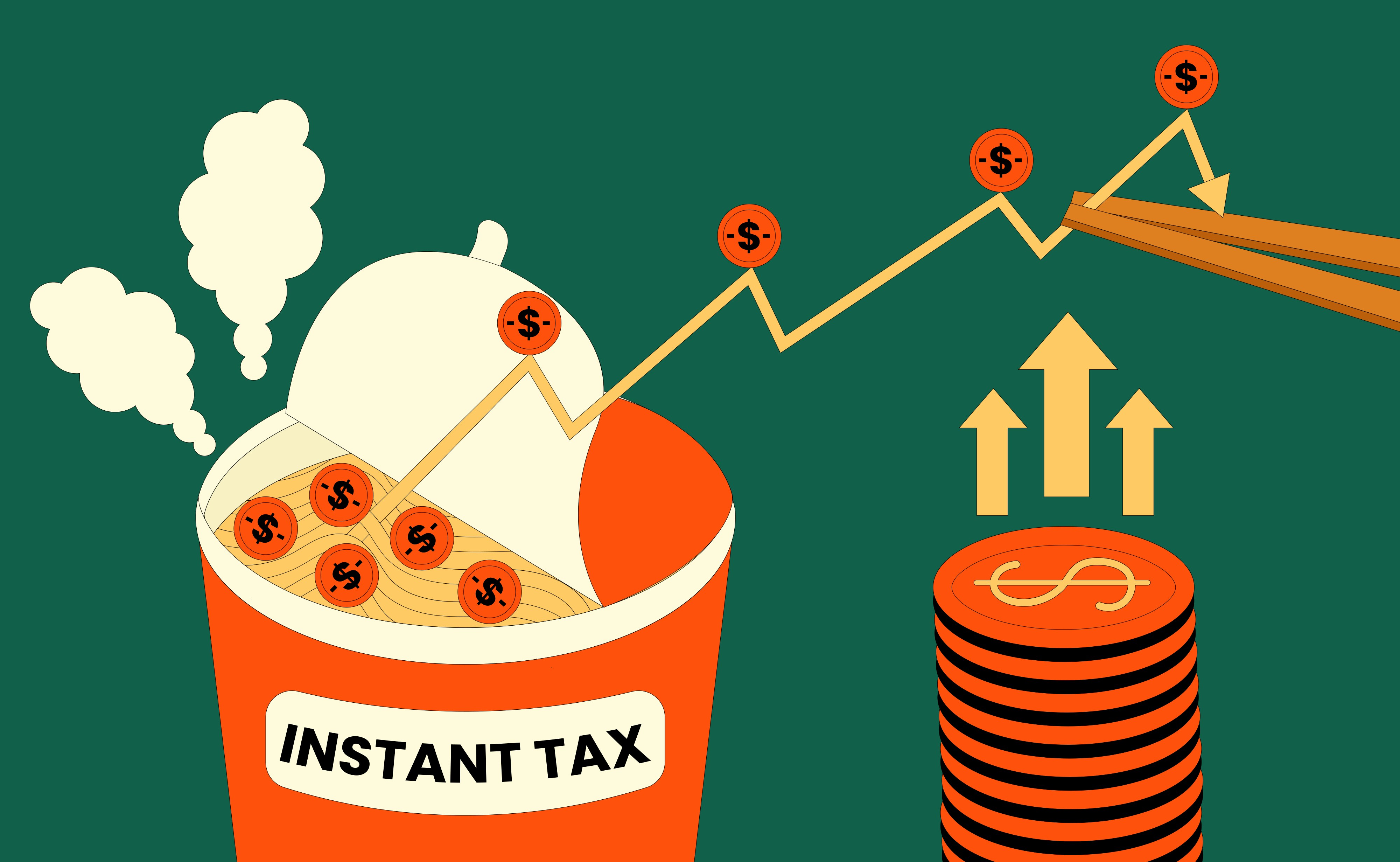
Wealthy investors are often portrayed as people with special information or secret strategies that ordinary investors can never access. Yet if you look closely at how many of them actually build and protect their wealth, something surprisingly plain shows up in their portfolios. A large part of their money sits in very boring exchange traded funds, or ETFs. This is not because they lack imagination or do not know how to pick individual stocks. It is because they understand that one of the biggest drains on long term returns is not just poor performance, but taxes, especially capital gains taxes. The choice of ETF is, for them, not simply about market exposure. It is also about controlling when and how tax is paid.
When someone is just starting out with investing, capital gains tax can feel like an occasional annoyance. Maybe a small profit triggers a modest tax bill, and it does not seem like a major problem. Once a portfolio grows into the six or seven figure range, however, the picture changes dramatically. Each sale that crystallizes a profit can lead to a tax bill measured in thousands of dollars. At that level, wealthy investors become very conscious of what is known as tax drag, the way regular taxation on gains quietly reduces the rate at which their wealth compounds over time.
A key piece of this puzzle is understanding how capital gains arise. Whenever an investment is sold for more than its purchase price, the difference is a capital gain. In many tax systems, there is a split between short term and long term gains, with short term gains typically taxed at a higher rate. An investor who trades frequently, buying and selling positions in a regular taxable account, constantly generates a stream of gains for the tax authority to tap. The more active the trading, the steadier that stream becomes, and the more the portfolio’s potential growth is nibbled away each year by taxes.
Traditional mutual funds can make this problem even worse for the investor who cares about tax efficiency. Even if the investor never sells their mutual fund units, the fund manager is still trading inside the portfolio. When the manager sells positions that have risen in value, those realized gains are pushed out to every shareholder in the form of capital gains distributions. At the end of the year, the investor receives a tax form reflecting those gains, and owes tax on them, even though they did not personally decide to take profits. Wealthy investors who have experienced this kind of surprise distribution during strong market years know how frustrating it feels to lose tax control over their own money.
This is where ETFs stand apart. Although ETFs and mutual funds can hold similar baskets of securities, the way ETFs are built and traded is different. In many markets, ETFs interact with special firms called authorized participants. These participants create and redeem ETF shares in large blocks, using baskets of the underlying stocks or bonds. Crucially, these creations and redemptions often happen in kind. Instead of the ETF selling its holdings to raise cash when investors exit, it can transfer the underlying securities themselves out of the portfolio. Because there is less actual selling going on inside the fund, there are fewer realized capital gains that must be distributed to investors.
That structural detail has big consequences for tax efficiency. A broad ETF that tracks a major index and relies on in kind creations and redemptions can often go years without distributing meaningful taxable capital gains. Investors still experience market returns through changes in the ETF price and through dividends, but they are not being forced to recognize capital gains year after year as long as they hold the ETF. In practical terms, this means that for many wealthy investors, the tax on capital gains is deferred until they themselves choose to sell their ETF units.
Deferral may sound like a small technical point, yet it is one of the most powerful tools in long term investing. Imagine two portfolios with identical before tax returns. In one portfolio, gains are realized and taxed every year. In the other, gains accumulate inside an efficient ETF structure and are only taxed when the investor decides to sell many years later. By allowing the full pretax amount to stay invested and compound over time, the second portfolio often ends up significantly larger than the first. Even a one percent difference in effective after tax returns can translate into a huge gap when applied to wealth that is already substantial. Wealthy investors are very aware of these compounding effects and treat tax deferral as a core part of their strategy.
Another reason the wealthy prefer ETFs for their core holdings is the typically low turnover of broad index funds. An ETF that tracks a large market index does not need to buy and sell securities frequently. The index itself changes slowly, and the ETF’s rebalancing is driven by rules rather than emotional reactions to news or short term market moves. Low turnover means fewer trades inside the fund, which again tends to mean fewer realized gains that could be distributed as taxable events. When compared to an active manager or individual investor who often trades on short term views, the quiet discipline of an index ETF is attractive to anyone in a high tax bracket who wants to keep their tax bill as low and predictable as possible.
Of course, ETFs do not provide immunity from tax. If an investor trades ETFs frequently, buying and selling to chase trends, they will still realize gains and owe tax. Wealthy investors understand this, and that is why they generally reserve ETFs for their long term, buy and hold allocations. They may keep a separate part of their portfolio for active ideas or speculative trades, but the serious, generational money often sits in simple ETFs that they plan to own for many years. The idea is straightforward: they set a long term asset allocation, automate contributions, rebalance only when needed, and avoid unnecessary sales that would accelerate capital gains taxes.
For those with more complex needs, ETFs also provide a flexible toolkit for managing losses. Loss harvesting is a common tactic among tax aware investors. If a particular ETF position is sitting at a loss, they can sell it to realize that loss for tax purposes, then buy a similar but not identical ETF to maintain their market exposure. In some jurisdictions, this allows them to offset gains elsewhere in the portfolio while staying invested in the market segment they still believe in. Over time, this kind of tax loss harvesting can meaningfully reduce the total tax burden, especially when paired with the inherent tax efficiency of ETF structures.
ETFs also support broader planning objectives around estate and philanthropy. In some countries, if an investor holds appreciated ETFs until death, their heirs receive what is known as a step up in cost basis. The cost basis of the investment is reset to its market value at the time of inheritance, effectively wiping out the embedded capital gains for tax purposes. This makes it easier for wealthy families to pass on diversified portfolios without forcing large tax payments on gains that built up over decades. Similarly, some investors choose to donate appreciated ETF shares directly to charities. By giving the security instead of selling it first, they can often avoid the capital gains tax entirely while still receiving a charitable deduction based on the fair market value of the shares.
It is equally important to note that tax rules vary widely across countries. The ETF structures that work efficiently for a US investor might not be ideal for someone in Europe or Asia. Different jurisdictions may have special rules for foreign domiciled funds, withholding taxes on dividends, or limitations on loss harvesting. Wealthy investors usually do not try to navigate all of these complications on their own. They work with tax advisers and financial planners who understand both local and international regulations and who can help select ETF domiciles, account types, and rebalancing strategies that match their specific situation.
For younger or less wealthy investors, the lesson is not that sophisticated tax engineers are necessary before they can benefit from ETFs. The deeper insight is that the structure of an investment vehicle matters just as much as its theme or marketing. A low cost, broad market ETF does not only provide diversification and simplicity. In many cases it is also a relatively tax efficient way to hold that diversification in a taxable account. When combined with patient, low turnover investing and thoughtful placement of assets across taxable and tax advantaged accounts, this approach mirrors the quiet, disciplined habits of wealthier investors.
In the end, wealthy investors use ETFs to reduce capital gains taxes because they are focused on what really matters: the return that remains after tax. They know that impressive gross performance numbers mean little if too much of the gain leaks away through avoidable taxes every year. By leaning on ETF structures that minimize forced distributions, by keeping turnover low, and by integrating tax considerations into every design choice in their portfolio, they give compounding the best possible conditions to work in their favor. Even if your net worth is not yet at their level, you can still adopt the same mindset. Treat taxes as part of your investment design, not a surprise at the end of the year, and consider using tax efficient ETFs as the quiet foundation under everything else you do in the markets.
 WhatsApp
 Instagram
 Threads