Contracts for difference, or CFDs, are often presented as a flexible way for individuals to access global markets. With a single trading platform, you can take positions on shares, indices, currencies or commodities without ever owning the underlying asset. At first glance, this sounds efficient and modern. Under the surface, however, CFDs are complex derivatives that compress several layers of risk into one product. There is market risk from the movement of the underlying asset, leverage risk from trading on margin, and counterparty risk because you are transacting with a broker rather than on an exchange. Regulators in many regions have observed that a high proportion of retail clients lose money with CFDs, which is why rules around leverage, disclosures and client protection have tightened over time. If you decide to trade CFDs, the central question should not be how to chase the highest return, but how to survive the risk profile of the product over time.
To manage risk effectively, it helps to begin with a clear understanding of what you are actually trading. A CFD is an agreement between you and your broker to exchange the difference between the opening and closing price of an underlying asset. You do not own the share, index or currency itself. Instead, you participate in the price movement through a contract that is usually settled in cash. This structure has important implications. Your experience depends on your broker’s pricing and execution, because CFDs are over the counter products rather than exchange traded instruments. You typically trade on margin, meaning you deposit only a fraction of the total exposure as collateral. Small price changes in the underlying asset are magnified by leverage, so a modest move in the market can translate into a significant percentage change in your account value.
Regulators recognise these risks. In markets such as Singapore, CFDs are classified as complex investment products, and many brokers require clients to pass a knowledge assessment before trading. In the European Union and the United Kingdom, authorities have imposed caps on leverage, margin close out rules and negative balance protection for most retail accounts. These safeguards are meant to reduce the likelihood of catastrophic losses, but they do not remove the fundamental nature of the product. Ultimately, risk management still relies on your own decisions about position size, leverage, and whether CFDs fit your financial situation at all.
Leverage is at the heart of both the appeal and the danger of CFDs. With leverage, you control a large notional position with a relatively small deposit. If the market moves in your favour, your gains are magnified. If it moves against you, your losses grow just as quickly. Many marketing materials highlight the potential upside of leverage without emphasising how unforgiving it can be when markets turn. Studies and regulatory reviews have repeatedly found that high leverage, combined with volatile markets, tends to push outcomes against unsophisticated traders.
A more responsible way to think about leverage is to treat it as a risk amplifier rather than a shortcut to wealth. Even if a broker offers you the ability to trade with thirty times leverage on a major currency pair, you do not have to use that full amount. Experienced traders often operate with much lower effective leverage by keeping more free equity in their accounts and by limiting the size of each position relative to their capital. Instead of asking how much you can borrow, ask how much you can afford to lose comfortably without disturbing your broader financial life. If a five percent drawdown in your CFD account in one day would already feel stressful, structure your positions so that such a loss would be unlikely under normal daily volatility. This may mean smaller positions, wider stops and more modest return expectations, but it aligns trading with long term survivability.
Because CFDs use margin, risk management is also closely tied to how you handle your margin levels. Brokers must respect minimum regulatory requirements, but those are not intended as recommendations for how close you should operate to the line. Running your account just above the minimum margin is like driving a car with the fuel gauge permanently near empty. Routine market swings can push your account into margin call territory, triggering demands for additional funds or automatic liquidation of your positions. Forced closures often occur at stressful moments when prices are already moving against you, turning temporary drawdowns into realised losses.
A more prudent approach is to maintain a healthy margin buffer. This means deliberately keeping your used margin well below what your broker would permit and monitoring your free equity on a regular basis. If you treat the regulatory minimum as the absolute floor, not your operating range, you give yourself more space to absorb short term volatility and avoid panicked reactions. When you plan a trade, you should think in terms of risk per position rather than maximum exposure. Start by deciding the maximum amount of money you are willing to lose if the trade fails. Then identify a realistic exit level where you will admit the trade is wrong. Once you know the distance between your entry and this stop level, you can calculate a position size that links the two and keeps your potential loss within your risk budget. The more volatile the underlying market, the smaller your position should be for the same level of risk.
Stop loss orders are one of the most direct tools for limiting downside, especially in markets that trade nearly twenty four hours a day. However, using them well requires both planning and discipline. Stop losses set too close to the current price can trigger frequently as the market moves through its natural noise. You may find yourself stopped out repeatedly at small losses, only to see the price later move in the direction you anticipated. On the other hand, stops placed too far away may protect you from whipsaws but leave you exposed to losses larger than you are comfortable with.
One way to calibrate stop levels is to look at recent volatility in the instrument you are trading. Measures such as average daily range or typical intraday swings can help you decide how much room the price usually needs to move. You can then position your stop outside the typical noise zone while still keeping your total potential loss within your chosen limit. The key is to place the stop before you open the trade, not after the position has already moved against you. Equally important is the decision to respect your stops. Moving them further away to avoid taking a loss may feel emotionally easier in the moment, but it undermines your entire risk framework and can turn manageable setbacks into damaging drawdowns.
Exit rules extend beyond stop losses. You need a plan for how you will manage positions ahead of major events, such as economic data releases, central bank announcements or corporate earnings. These events can trigger sharp price gaps that jump over stop levels, particularly in less liquid instruments. Some traders choose to reduce or close positions ahead of such events, or to trade instruments where the risks around specific announcements are more predictable. Financing costs also enter the equation. Holding CFD positions overnight or over weekends often involves funding charges that can slowly erode returns if you hold trades longer than intended. Being aware of these costs and incorporating them into your planning is part of risk management, rather than a minor detail.
Beyond market and leverage risk, CFD traders need to be realistic about product and provider risk. Because CFDs are over the counter contracts, your broker is your counterparty. You rely on the firm not only for pricing and execution, but also for the safekeeping of your funds and for honest conduct. Regulators have intervened in cases where firms used aggressive marketing, downplayed risks or encouraged clients to reclassify themselves as professional investors to bypass retail protections such as leverage limits and negative balance safeguards. These examples underline the importance of choosing a reputable, licensed broker.
From a risk management standpoint, you should make sure that any provider you consider is authorised and supervised by the relevant regulator in your jurisdiction. You can verify this through official registers published on regulatory websites. If a broker is based offshore, promises very high leverage and targets clients from jurisdictions where such leverage is restricted, this should prompt careful scrutiny. Reading risk warnings, fee schedules and client agreements before depositing money may feel tedious, but it can reveal how the broker handles issues such as conflicts of interest, order execution and margin calls. A firm that emphasises education, transparent pricing and realistic expectations is a more suitable partner than one that focuses only on potential profits.
Another dimension of risk management involves integrating CFD activity into your broader financial plan. Because opening an account is relatively easy and ticket sizes can be small, it is tempting to treat CFDs as a casual side activity. Yet the product’s leverage and complexity mean that losses can accumulate quickly. To protect your long term goals, it is helpful to ring fence CFD trading as a high risk allocation that is kept clearly separate from your core savings and investments. The money you use for CFD trading should be capital you can afford to lose without affecting essential goals such as retirement, housing or your children’s education.
Practically, this means deciding in advance what proportion of your net worth or investable assets you are willing to allocate to speculative trading, then respecting that boundary. It also means recognising that a zero outcome for this slice of capital is possible. Framing the allocation in this way can reduce the temptation to chase losses by adding more funds from other parts of your financial life. In some regions, the tax treatment of CFD gains and losses may differ depending on whether authorities view you as an investor or as someone engaged in trading as a form of income. Understanding the implications for your situation, ideally with professional advice, is another element of a comprehensive risk view.
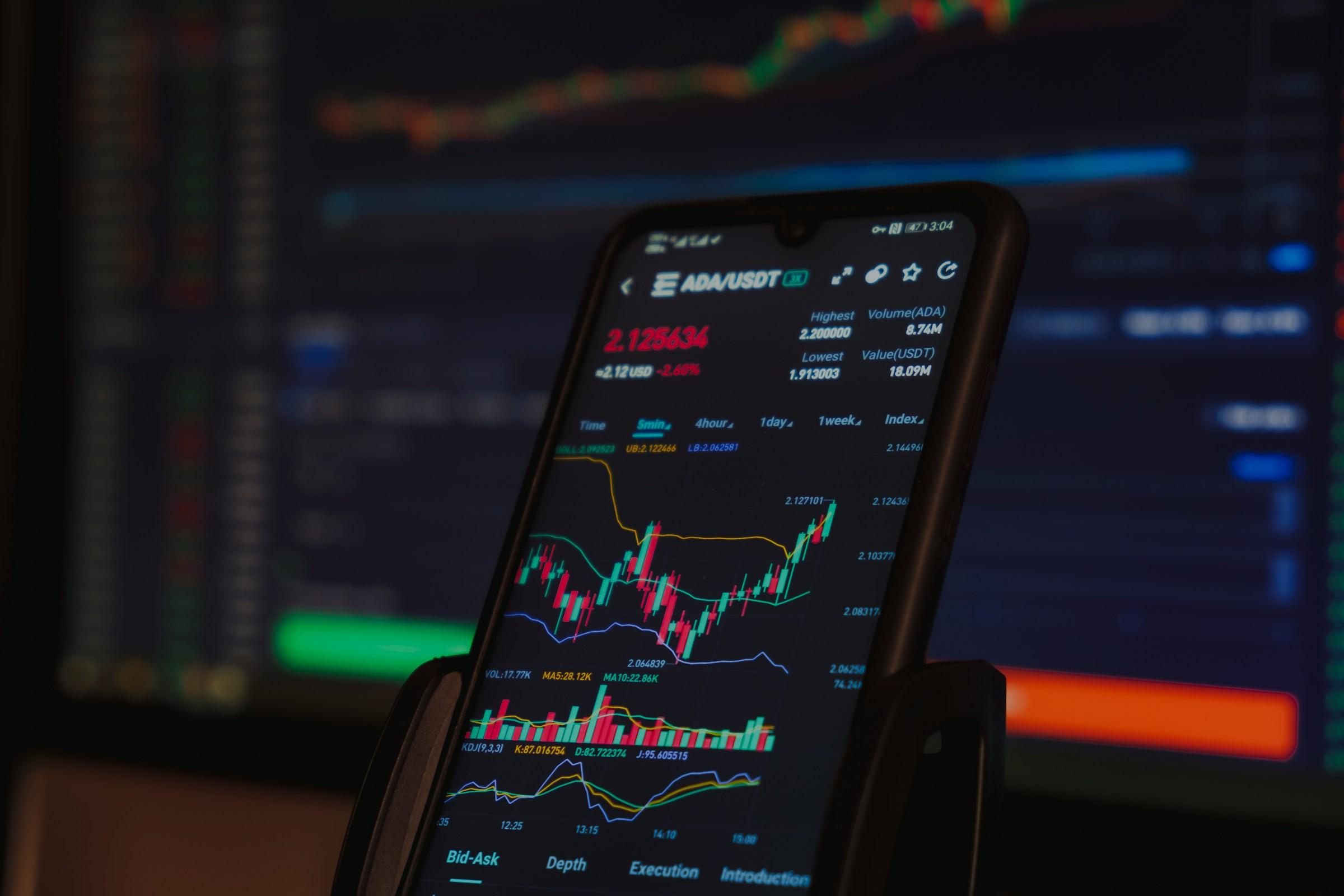
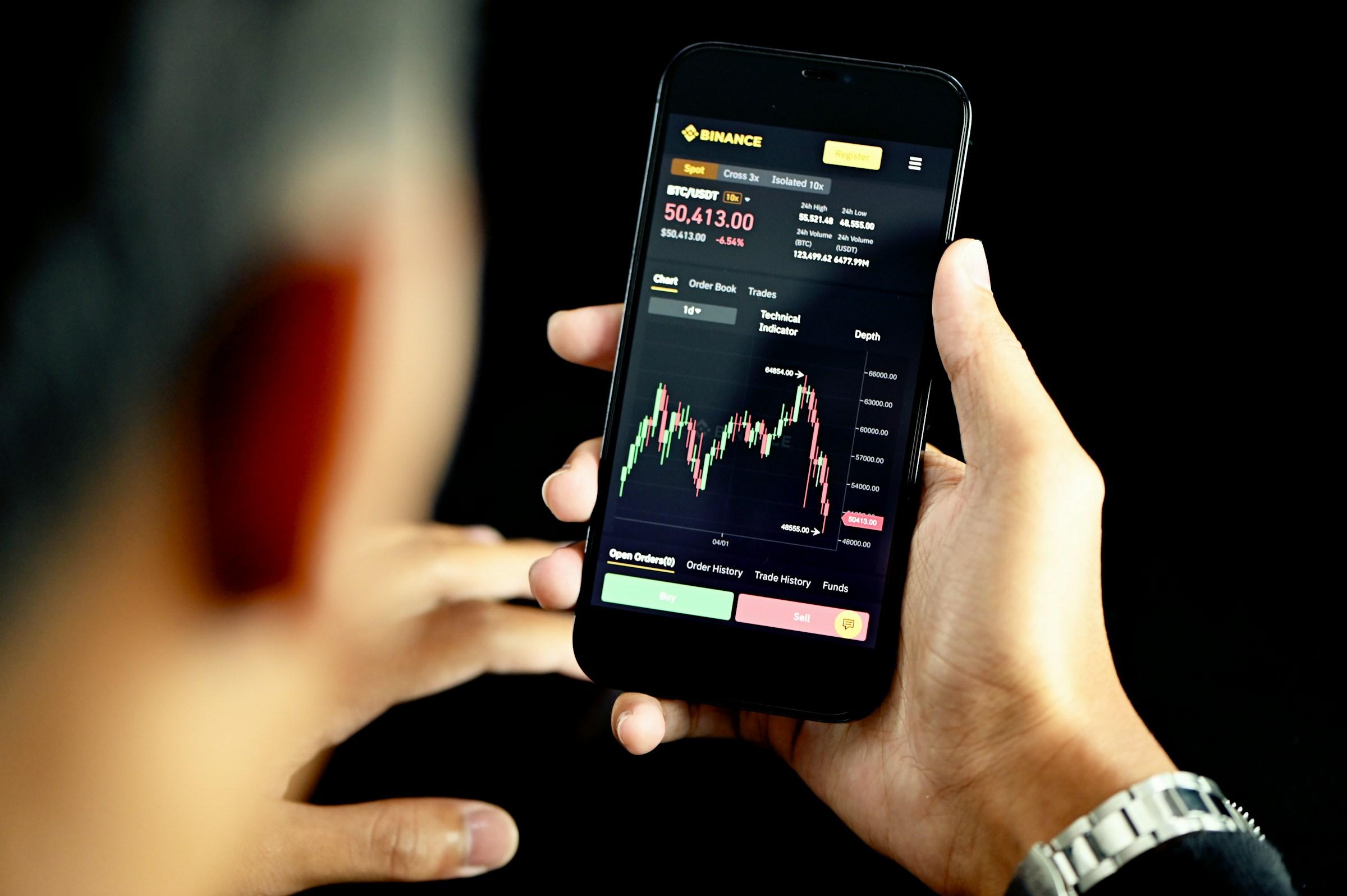
There is also a psychological dimension to trading CFDs that deserves serious attention. Fast moving prices, constant updates on your phone and the emotional swings of profits and losses can be addictive. Behavioural patterns such as overtrading, revenge trading after a loss, or abandoning your plan in favour of impulsive decisions can all amplify risk beyond what the numbers alone would suggest. To manage this, some traders set simple behavioural rules such as a maximum number of trades per day, a limit on the total percentage of capital they are willing to lose in a single session, or a rule to stop trading after a series of consecutive losses.
Keeping a trading journal can be a powerful tool here. By recording why you entered each trade, where you placed your stop, how much you risked and how the trade ended, you create a record that can be reviewed with a cool head later. Patterns often emerge. You might notice that most of your losing trades occur late at night when you are tired, or immediately after a previous loss when you felt a strong urge to recover quickly. Recognising these patterns allows you to adjust your routines. In addition, planning regular breaks away from screens can help you maintain perspective. Markets will always offer new opportunities. If you notice that trading is starting to affect your sleep, relationships or performance at work, it is a sign that the non financial risks are already significant.
Bringing these threads together, effective risk management in CFD trading is less about finding a secret strategy and more about building a robust framework around your decisions. That framework starts with understanding the product and acknowledging that leverage is a double edged tool. It continues with conservative use of leverage, careful position sizing, disciplined use of stop losses and exit rules, and sensible margin buffers. It includes a thoughtful choice of broker, rooted in regulation and transparency rather than in promises of high leverage or instant gains. It also requires integrating CFDs into your overall financial picture so that they do not jeopardise long term priorities, and accepting that the psychological aspects of trading are as real as the price charts.
If you find that you cannot easily implement or monitor these elements, that difficulty is itself useful information. It may suggest that your current life stage, financial position or temperament is not aligned with high risk, leveraged trading. In personal finance, preserving your ability to stay on track with long term goals matters more than any short burst of profit. CFDs can be one of many tools in the investment universe, but they are not a shortcut. Managing risk effectively means respecting their power, recognising their limits and always putting your broader financial wellbeing first.
 WhatsApp
 Instagram
 Threads