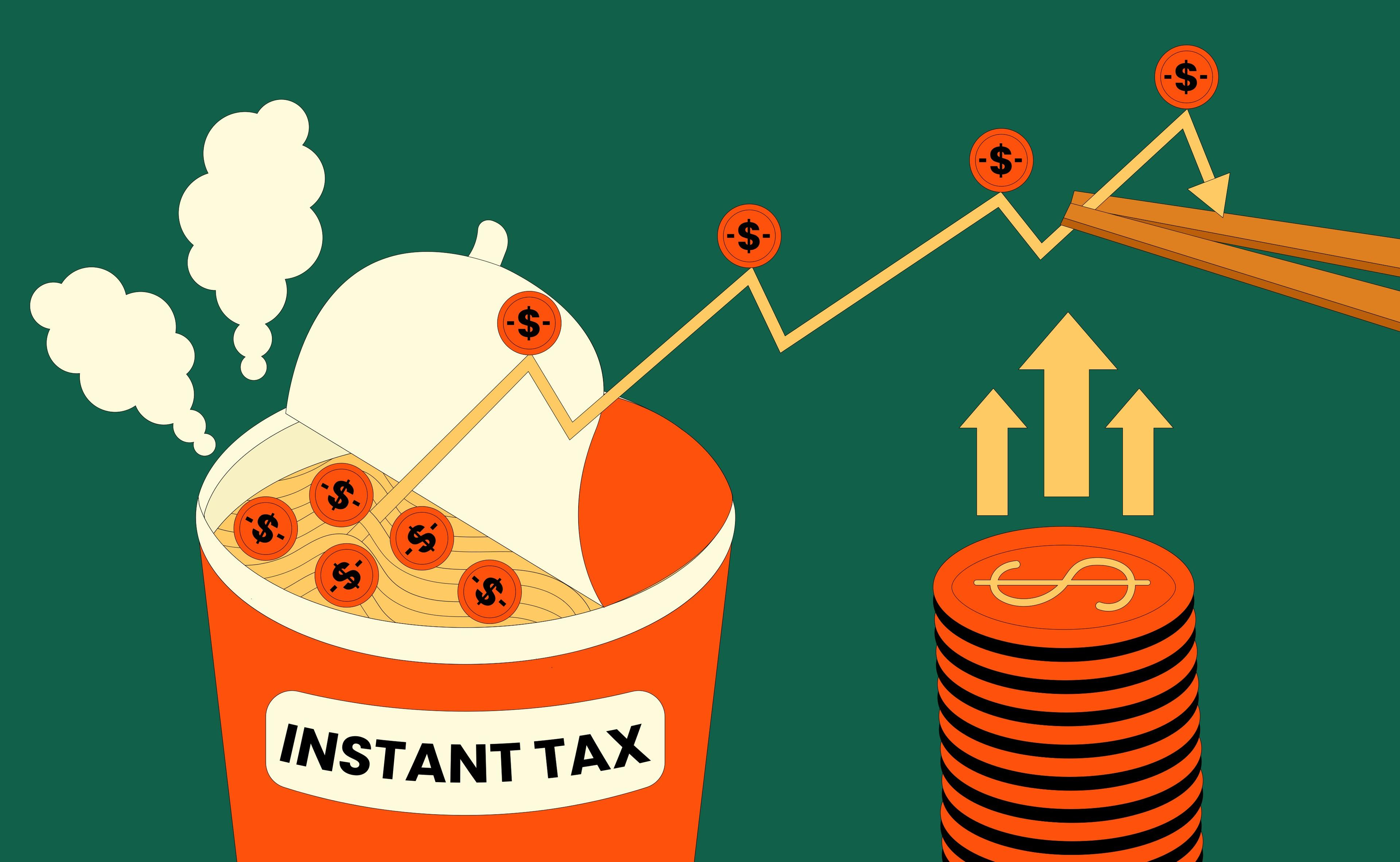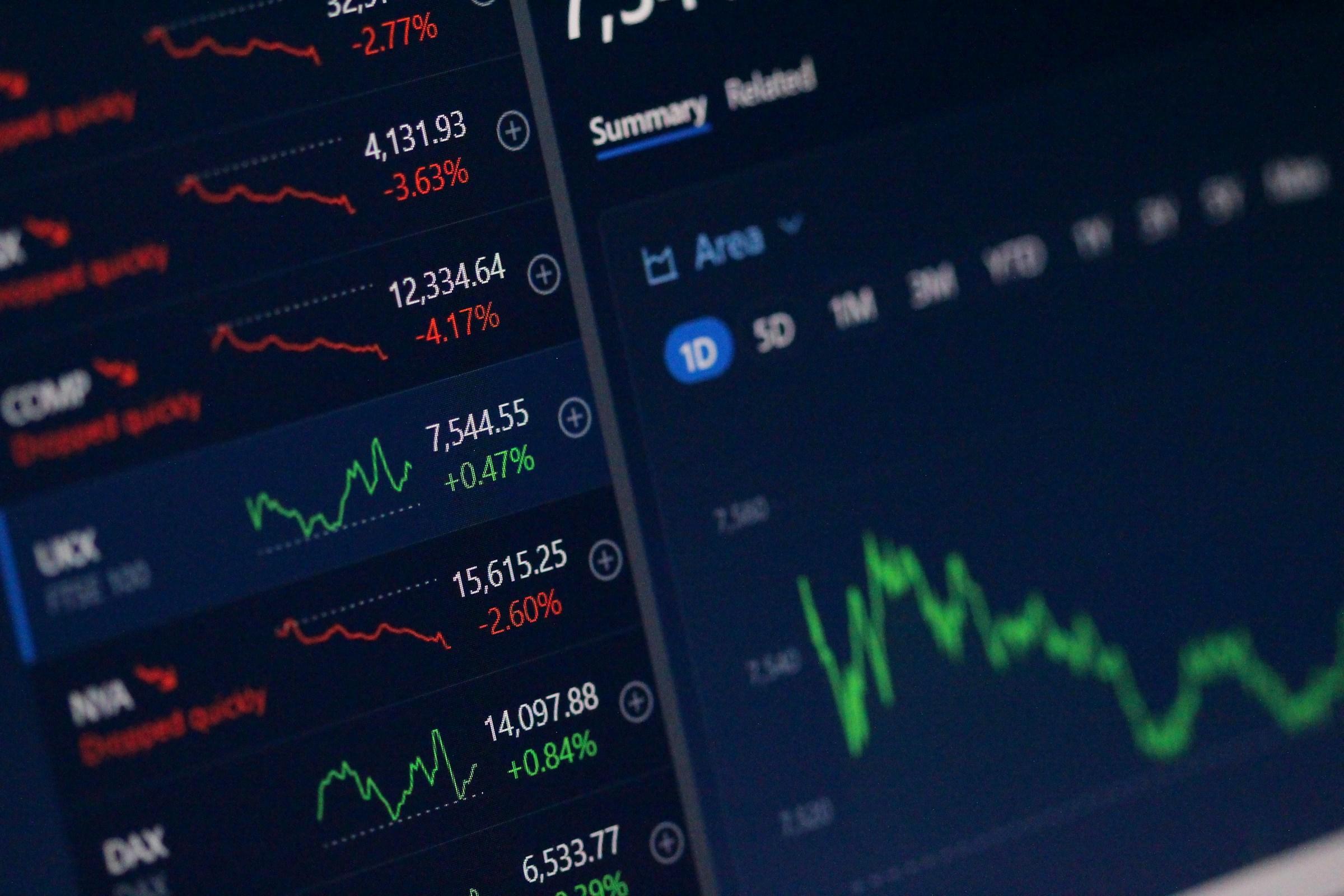
When you scroll through financial news or investor threads, you will often see the same pattern. Government bond yields, especially the 10 year yield, start to drop. Within hours, some voices claim this is great news for stocks, particularly for tech and growth names. Others argue that the very same move is a warning signal that a recession is coming. The result is a confusing mix of optimism and fear, and if you are a younger investor who mostly interacts with markets through apps, it can feel almost impossible to know what to do. The reality is that a yield drop is not a single story. It can mean cheaper money, more support for asset prices, and a softer central bank stance. It can also mean rising fear, weaker growth expectations, and a rush into safe assets. To make sense of the opportunities and risks for stocks during yield drops, you first need to understand what a yield is and why it is moving, then translate that into what it might mean for earnings, valuations, and your own portfolio.
Think of the 10 year government bond yield as the price of long term money in a major economy. It is not the same as your bank deposit rate, but it anchors many other borrowing costs and influences how investors value future cash flows. When that yield falls, it generally tells you that investors are willing to accept a lower return on a very safe asset. That can happen for three broad reasons. Inflation expectations may be coming down, central banks may be expected to cut policy rates, or investors may be scared and rushing to the safety of government bonds. On a chart, all three scenarios look identical, because the line simply moves down. Underneath, the story is very different.
For stocks, a lower yield matters in two big ways. First, it feeds into the discount rate that investors use to value future earnings. The lower the discount rate, the higher the present value of a given stream of cash flows. Second, it changes the relative appeal of bonds versus stocks. If safe bonds pay less, equities can look more attractive in comparison, especially for income seekers who still want returns above inflation. Because of these channels, yield drops can create genuine opportunities for equity investors. At the same time, if yields are falling for the wrong reasons, they can also signal trouble ahead that eventually shows up in lower profits and weaker share prices.
Consider first the friendlier scenario. Imagine that inflation has been hot and central banks have been hiking interest rates. Markets have gone through a rough patch as borrowing costs rise and risk appetites cool. Then the data starts to improve. Inflation readings trend lower, wage pressures ease slightly, and central bank officials hint that they are nearing the end of the hiking cycle. In this environment, investors begin to expect fewer rate hikes, or even future cuts. Long term yields drift lower gradually. Credit markets are calm, default risk is not spiking, and equity indices are somewhat volatile but not in free fall. In that setting, a yield drop often acts like a quiet tailwind for stocks. Lower yields reduce the discount rate in valuation models, which boosts the present value of future earnings. This effect is especially strong for high growth companies whose cash flows are expected to arrive further out in time. That is why you often see tech, software, and other growth heavy sectors respond quickly and positively to a gentle move lower in yields. Their valuations are more sensitive to changes in interest rates because more of their value is tied to distant cash flows.
Sectors that rely heavily on borrowing can also benefit from this sort of yield decline. Real estate investment trusts, property developers, infrastructure plays, and capital intensive industrial companies often carry significant debt. When yields fall in a calm environment, it can ease refinancing pressures and reduce interest costs over time. Equity investors know this, so they may be more willing to pay up for these companies when the bond market signals that financing conditions are becoming less harsh.
Dividend stocks are another area where lower yields can be helpful. If government bonds offered relatively high yields, income focused investors might have shifted into those safe instruments and away from equities. When yields compress, the comparison changes. A stable company that yields 3 or 4 percent in dividends can suddenly look more appealing again when the risk free alternative has dropped. This can attract incremental demand back into dividend paying stocks and support their valuations.
There is also the psychological impact. A moderate, orderly drop in yields that is linked to a potential central bank pivot can encourage investors to move out of cash and defensive positions and back into risk assets. Money that had been parked in money market funds or treasury bills might rotate into diversified equity funds, broad indices, or selectively chosen growth names. If you became very cautious during the hiking cycle, this environment can present a chance to step back toward your long term asset allocation instead of hiding in short term instruments indefinitely.
Now picture the second scenario. Yields are not drifting lower in a measured way. They are collapsing. A major bank has stumbled, or economic data has deteriorated sharply. Credit spreads are widening, meaning that investors are demanding much higher compensation to hold corporate bonds. Headlines are full of the phrase recession risk. In response, large pools of capital flee to the safest assets available, which are usually government bonds. Prices of those bonds surge, and yields crash downward. In this sort of panic, equities can behave in confusing ways. At first, lower yields may still spark sharp rallies in certain stock segments. High duration growth names, which were previously punished when rates were rising, can see intense bouts of short covering and speculative buying as algorithms respond to the rate move. On your app, it might look as if the riskiest, most story driven stocks are suddenly back in fashion, with huge green percentage gains over a few days.
Underneath the price action, however, the reason for the yield drop is not friendly. If yields are falling because investors expect a serious slowdown or a financial accident, then corporate earnings will likely suffer in the months ahead. Companies may experience weaker sales, compressed margins, and higher default risk if they are fragile. Lower rates cannot fully protect equity holders from a broad downturn in economic activity. The initial boost from a lower discount rate can easily be overwhelmed by falling expected earnings. This is the trap buried inside some yield driven rallies. Investors see yields drop and assume it is always bullish for risk assets, without asking what is driving the move. They chase the names that respond quickest, which are usually speculative growth stocks, only to watch those gains evaporate as earnings downgrades and negative guidance begin to roll in. The danger is especially high if you let a few days of strong performance convince you that the worst is over when the bond market is actually signalling deep concern.
Financial stocks highlight this risk very clearly. A gentle decline in yields that reflects controlled policy easing can be manageable for banks, especially if the yield curve remains reasonably steep and loan demand is healthy. A sudden collapse in long term yields that flattens or inverts the curve can be brutal. It squeezes net interest margins and often coincides with rising credit losses. From the outside, all you may see is that the 10 year yield is lower. Inside a bank’s income statement, the story may be that profitability and balance sheet strength are at risk.
Beyond the question of whether a yield drop is good or bad for the overall market, there is another layer to understand, which is the concept of duration. In fixed income, duration measures how sensitive a bond’s price is to changes in yields. You can apply a similar idea to stocks, in a more informal way, by thinking about how much of a company’s value depends on cash flows far in the future. High growth tech, software platforms, and early stage companies whose profits lie many years ahead behave like high duration assets. Mature consumer staples, utilities, and some industrials, where more value comes from near term cash flows, behave like lower duration assets.
When yields move, high duration stocks respond more dramatically. In a falling yield environment, they can surge as their far off cash flows are discounted at a lower rate. In a rising yield environment, they are often hit the hardest. For you as an investor, this explains why sector rotations can feel so violent. One month, energy and defensive names dominate the leaderboards when inflation anxiety is high and yields are climbing. A few weeks later, a sharp drop in yields sees software and speculative growth names rocket higher and fill the “most bought” list inside your brokerage app.
These swings can present short term trading opportunities if you are highly engaged and comfortable with volatility. They also pose long term risks if you allow every yield move to drag your portfolio into a new extreme. It is one thing to understand that tech is more sensitive to yields. It is another thing to chase every move without a clear plan. For most people, duration is a useful lens for understanding price action, not a command to constantly reshuffle your holdings. This brings us to the most practical layer, which is how you respond when yields drop. You cannot control macro data or bond markets, but you can control your positioning. A good starting point is to ask a few simple questions whenever you see a significant yield decline. What is driving this move. How might it affect corporate earnings and credit conditions. How much of my portfolio is exposed to the parts of the market that will react most strongly.
If yields are easing in a calm environment, inflation is trending lower, and central banks are signalling a controlled pivot, that can be a chance to check whether you became too defensive. Maybe you are sitting on a larger cash pile than your long term plan requires, or you shifted heavily into short duration instruments during the hiking cycle. Gradually reallocating back toward a diversified mix of equities and bonds that match your time horizon can make sense, rather than waiting forever for the perfect moment.
You can also look for quality growth opportunities. Some companies with strong balance sheets, genuine competitive advantages, and steady growth prospects get lumped in with speculative names during periods of rate shock. As yields ease, the market may begin to differentiate again, rewarding businesses that can actually deliver earnings. For a patient investor, this can be a time to accumulate positions in such names at valuations that are more reasonable than they were at previous peaks. If yields are dropping in a way that looks fear driven, your focus might tilt more toward risk management. That does not necessarily mean selling everything, but it does mean checking for concentration in high duration, speculative areas that could suffer if the economic slowdown story plays out. It also means being realistic about sectors like financials, which depend heavily on the shape of the yield curve and the health of borrowers, not just on the headline level of the 10 year yield.
Across all scenarios, the key is to avoid emotional whiplash. Yield moves will always generate commentary and hot takes. Some will insist that every drop is bullish, others that every drop signals disaster. Instead of treating the yield chart as a command, treat it as one input into your overall decision making. Relate it back to your personal goals, your time horizon, and your ability to handle volatility. If you are investing for decades, the opportunities and risks for stocks during yield drops matter, but they matter in the context of full cycles, not individual weeks.
In the end, your real edge is not an ability to predict the next move in yields more accurately than professional traders. Your edge is your ability to stay calm, think in probabilities rather than certainties, and keep your portfolio aligned with a sensible plan. When yields fall, pause long enough to ask why they are falling, what that implies for earnings and credit, and whether your current mix of assets still fits your goals. Sometimes the best move will be a small adjustment toward balance. Sometimes it will be an opportunity to deploy cautious cash. Sometimes it will simply be to do nothing. What matters most is that you react with intention, rather than letting every headline about yields push you into decisions you later regret.
 WhatsApp
 Instagram
 Threads