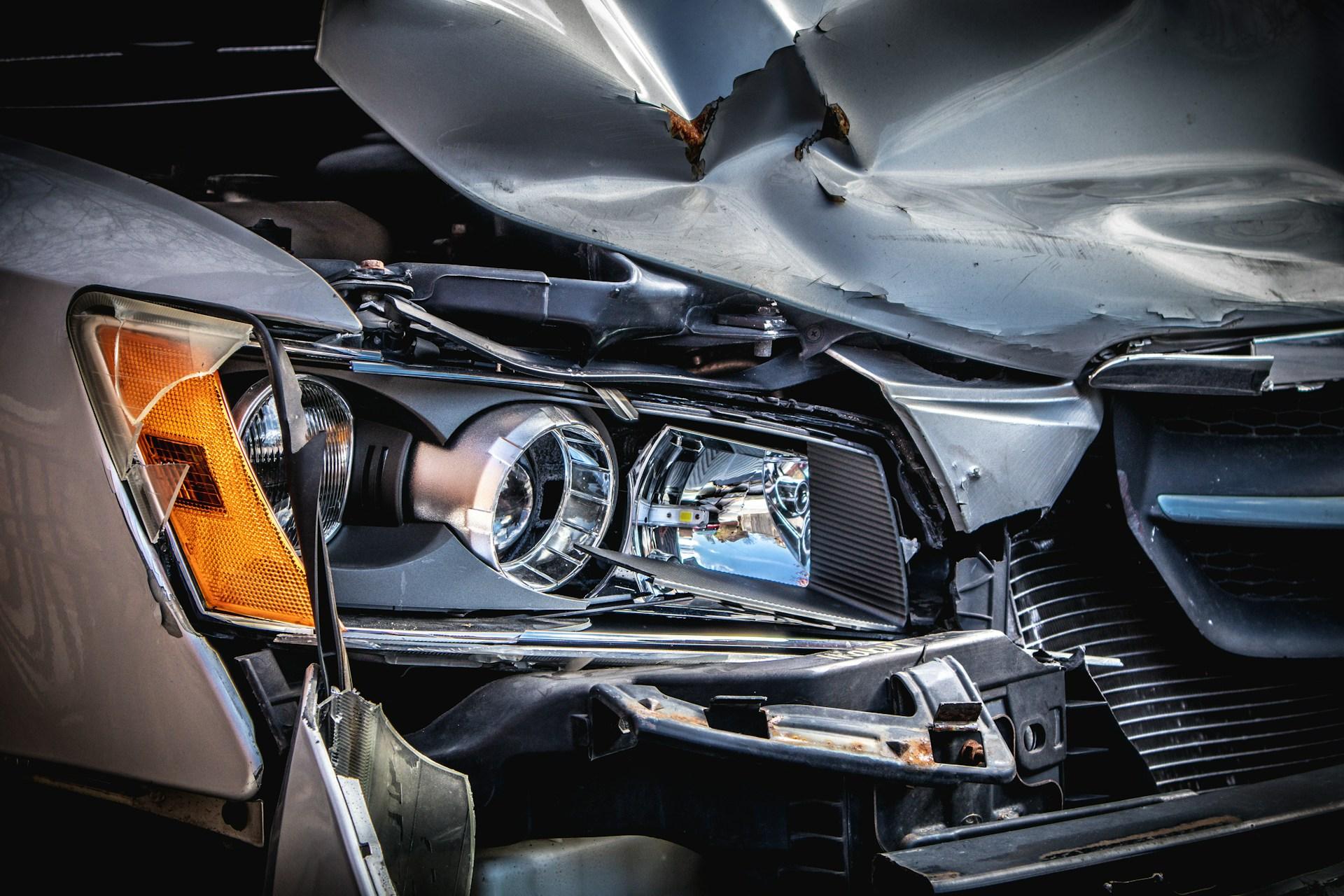
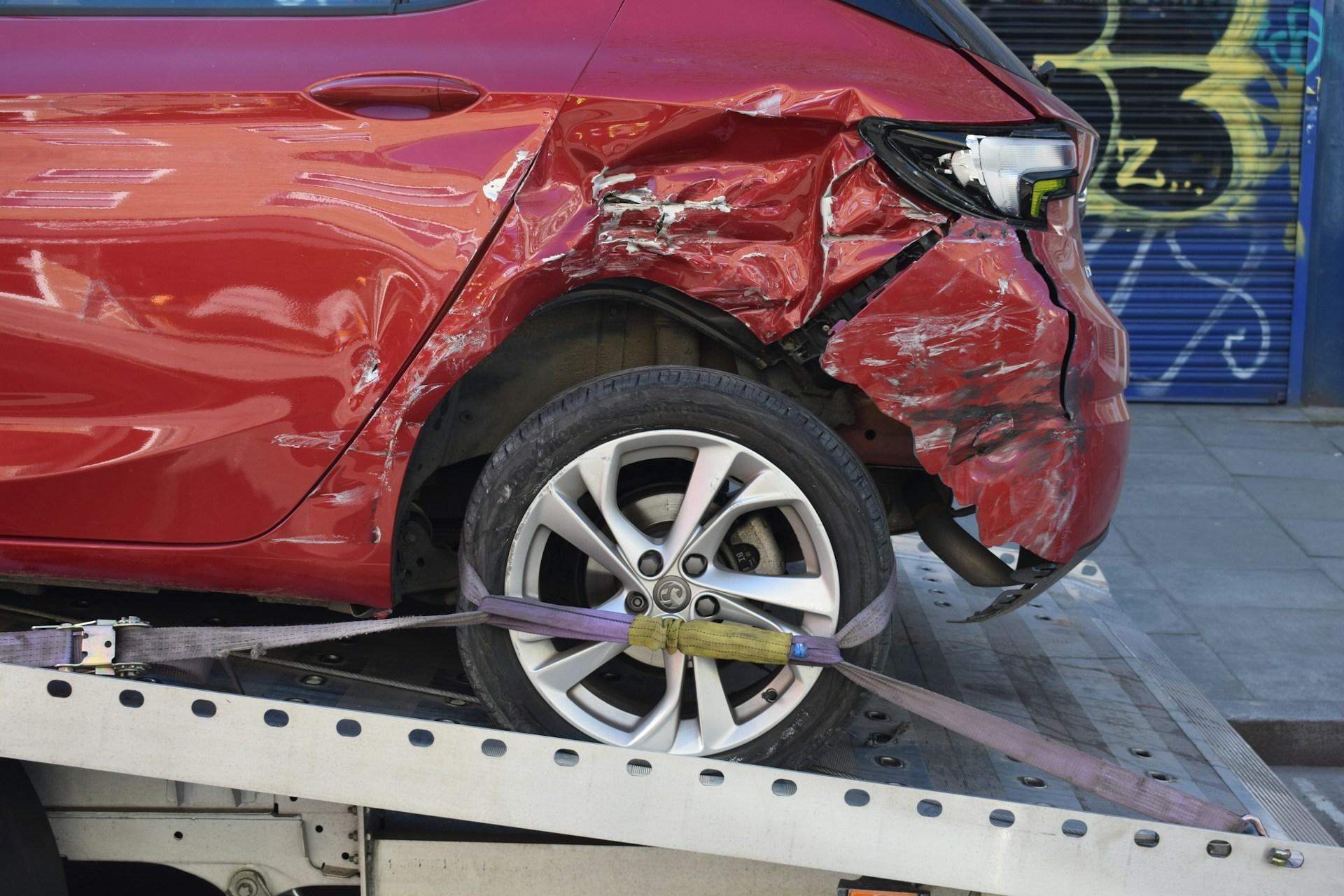
Car insurance in the United States is often treated like a routine expense, something drivers keep active mainly to satisfy state rules, lender requirements, or registration policies. Yet its real purpose reaches far beyond compliance. In a country where a single accident can trigger medical bills, legal disputes, expensive vehicle repairs, and long periods of lost income, car insurance functions as a vital layer of financial protection. It is designed to prevent one unpredictable event on the road from turning into a lasting financial setback that drains savings, increases debt, and threatens long-term stability.
The need for this protection becomes clearer when considering the unique cost structure of accidents in the US. A collision is rarely just a matter of fixing a dented bumper. Injuries can lead to high medical expenses, and even when someone has health insurance, there may be deductibles, co-payments, and billing complexities that place immediate pressure on household finances. In certain states, systems such as personal injury protection help cover medical treatment and sometimes lost wages regardless of fault, which highlights how policymakers recognize the financial burden of crashes and the need for a mechanism to pay quickly. Even where these systems are not required, optional coverage such as medical payments coverage can help reduce out-of-pocket costs and stabilize finances in the critical period following an accident.
Liability exposure is another reason car insurance is critical. Driving is not only about protecting oneself, but also about taking responsibility for harm caused to others. If a driver is at fault in an accident, they may be responsible for injuries and property damage that quickly add up to sums far beyond what most families can pay. Liability coverage provides a financial buffer that prevents the driver’s personal assets, future wages, and financial security from being directly targeted to settle claims. This protection extends beyond the final settlement, since many liability policies also help cover legal defense costs if a driver is sued. In a society where fault can be contested and lawsuits are a realistic possibility, the cost of defense alone can be financially destabilizing without insurance support.
Just as important is the fact that even the safest drivers cannot fully control the risks on the road. Many motorists in the US are uninsured or carry only minimal insurance, which means that being hit by another driver does not guarantee full compensation. In such cases, recovery may depend largely on one’s own policy, especially if the at-fault driver lacks coverage or carries limits too low to cover the full extent of damages. This reality turns car insurance into a form of self-protection even when the policyholder is not responsible for the accident. It becomes a safeguard against the financial negligence or limitations of others.
The rising complexity and cost of vehicle repairs further strengthens the argument for insurance. Modern cars often contain advanced technology such as sensors, cameras, and driver-assistance systems that can require costly recalibration after even moderate collisions. As repair bills become less predictable and more expensive, self-insuring becomes riskier because the potential financial impact of an accident is harder to estimate. A household may be able to handle a small repair out of pocket, but an unexpected large repair bill can strain monthly cash flow, disrupt savings plans, or force reliance on credit. Insurance helps turn these uncertain costs into more manageable and predictable obligations through deductibles and defined coverage limits.
Car insurance is also deeply connected to broader financial commitments. Many Americans rely on financed vehicles, and lenders often require collision and comprehensive coverage to protect the car’s value as collateral. If a car is totaled while the owner still owes money on the loan, the insurance settlement may not always cover the full balance, which is why certain forms of coverage can become relevant for borrowers. In these situations, car insurance does more than repair or replace a vehicle. It helps prevent a driver from continuing to carry debt on an asset they no longer own, which would otherwise place a lasting burden on the household budget.
Ultimately, the real value of car insurance lies in the predictability it provides. Without it, the financial consequences of an accident are uncertain and potentially overwhelming. With it, risks become structured through deductibles, policy limits, and an organized claims process. This predictability allows individuals and families to plan with greater confidence, preserve emergency funds for other crises, and avoid turning a temporary incident into long-term financial fragility. In that sense, car insurance is not merely a cost of driving. It is an essential part of financial planning in the United States, protecting both current stability and future security against the large and unpredictable costs that accidents can bring.
 WhatsApp
 Instagram
 Threads