Gap insurance is often sold as the simple solution to a frustrating problem. A car can lose value quickly, especially in the first few years, while the loan balance falls much more slowly. If the vehicle is stolen or declared a total loss, the primary auto insurer typically pays the car’s actual cash value, not the amount still owed on the loan or lease. Gap insurance exists to bridge that difference. Yet the promise only holds when the claim fits the narrow conditions set out in the policy. In practice, many drivers discover that gap insurance is less like a safety net for every shortfall and more like a carefully defined add-on that pays only in specific scenarios. That is why understanding common exclusions matters as much as understanding what gap insurance is meant to do.
One of the most important exclusions stems from the way gap insurance depends on the primary auto insurance policy. Gap coverage usually requires an approved total loss payout from comprehensive or collision insurance first. If the main auto claim is denied, delayed, or not treated as a qualifying total loss, the gap claim may fail as well. This can happen when a driver does not carry comprehensive and collision, when there is a lapse in coverage, or when the insurer rejects the claim because the vehicle was used outside the policy’s terms. Gap insurance does not replace the foundation of auto coverage. It relies on that foundation, and when the base policy does not respond, the gap policy often has nothing to bridge.
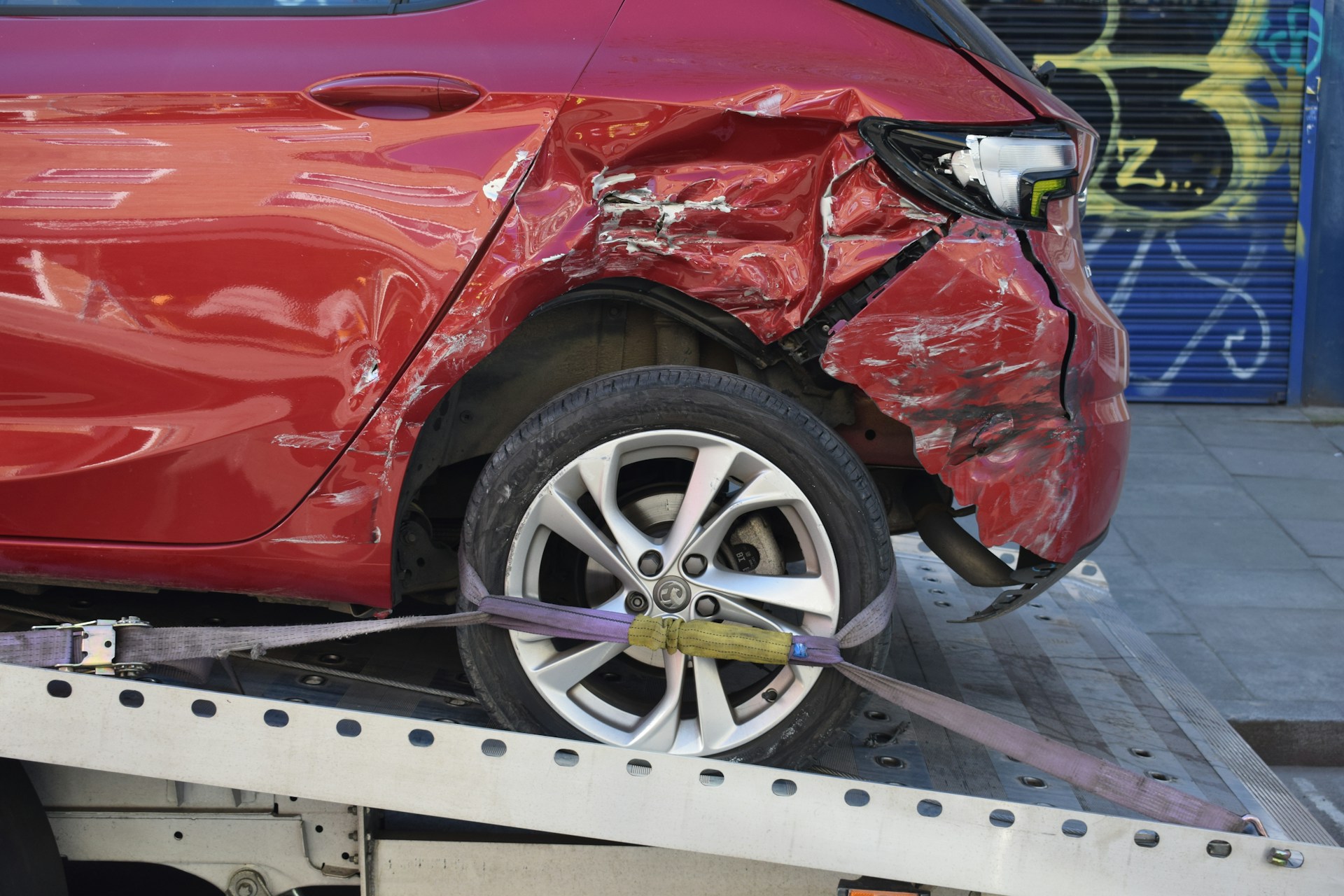
Even when the auto insurer pays, many gap policies exclude situations where the loss is not classified as a total loss. A vehicle can be seriously damaged and still be considered repairable under the insurer’s rules, meaning the claim becomes a repair claim rather than a total loss settlement. In that situation, gap insurance typically does not apply because there is no “final settlement” amount to compare with the loan payoff. The same issue can arise with theft claims where the car is recovered and repaired, or where the settlement is not treated as a complete loss event under the gap contract. The trigger is not simply that the car is unusable or the owner is financially stressed. The trigger is a specific classification and payout process.
Another major area where exclusions show up is in delinquency and loan status. Some gap policies require the borrower to be current on loan payments at the time of the loss. If payments are overdue, the policy may reduce benefits or deny the claim entirely. From a consumer perspective, this can feel harsh because financial strain is often linked to why someone would want extra protection. From an insurer’s perspective, unpaid installments, late charges, and default-related costs can inflate the loan balance in ways the product was not priced to absorb. As a result, being behind on payments can turn into a barrier precisely when the driver expects gap insurance to help.
Beyond the status of the loan, gap insurance also commonly excludes portions of the balance that are not directly tied to the vehicle’s value. Many people assume that if the payoff amount is written on a lender statement, gap insurance will cover the whole difference. In reality, contracts often limit what counts as an eligible payoff. Finance charges, accrued interest after the loss date, late fees, penalties, extended warranties, service contracts, credit insurance, and other add-ons may be excluded even if they were rolled into the financing. This is where the gap between “what you owe” and “what gap considers eligible” becomes crucial. A driver may still owe money after a gap payment because the remaining amount relates to items the policy refuses to cover.
Negative equity is one of the most common reasons borrowers end up upside down, and it is also an area where gap policies frequently limit coverage. When a driver trades in a car with an outstanding balance, that leftover debt can be rolled into the new loan. The new loan then starts at a disadvantage because part of it reflects a previous vehicle rather than the current one. Some gap policies cap how much of this rolled-in negative equity they will cover, while others exclude it altogether. This matters because a driver might purchase gap insurance specifically due to being upside down from the start, only to find that the policy’s definition of “gap” does not fully recognize that kind of shortfall.
Loan-to-value limits can create another problem that many drivers do not anticipate. Some gap contracts restrict eligibility if the amount financed exceeded a certain percentage of the vehicle’s value at purchase. This can be relevant when the borrower put little down, financed taxes and fees, added dealer extras, or used a longer-term loan that keeps the balance higher for longer. Even when the policy remains in force, the benefit may be capped to a maximum amount. A cap does not always mean a full denial, but it can significantly reduce the payout and leave the borrower with a remaining bill.
Deductibles are another detail that often surprises consumers. Many gap policies do not cover the full deductible from the primary auto insurer, or they reimburse it only up to a limit. A driver who chooses a higher deductible to keep monthly premiums lower may assume gap insurance will relieve that out-of-pocket cost. But if the gap contract caps deductible reimbursement or excludes it entirely, the driver may still need to pay that portion even when the rest of the claim is handled. This does not mean gap insurance failed, but it does mean expectations must match the contract.
Vehicle modifications and aftermarket accessories also create frequent exclusions, especially when they influence the loan balance. If the borrower financed upgrades such as wheels, audio systems, performance parts, or other non-factory additions, the auto insurer may not fully recognize their value unless they were specifically covered. Gap insurance can also exclude the value tied to modifications or the portion of the payoff related to financed accessories. In a total loss, this can result in a shortfall that remains after the primary settlement and any gap payment, leaving the owner paying for items that were never treated as part of the covered vehicle value.
Usage restrictions form another exclusion category that can appear in both the primary insurance and the gap contract. Cars used for ride-hailing, delivery, or other commercial purposes often require endorsements or specific policies. If the primary insurer denies a claim because the vehicle was used in a prohibited way, the gap claim may collapse as well. Even if the primary insurer pays, some gap providers include their own limits on certain uses, such as commercial activity or high-risk driving. Racing or track use is another common excluded scenario. In these cases, the exclusion is not about the loan balance but about the circumstances under which the loss occurred.
Timing and documentation requirements can also function as effective exclusions. Gap claims usually require prompt notice and a specific set of documents, including proof of the primary insurer’s total loss payout and an official payoff statement from the lender or lessor. If a driver delays notification, misses deadlines, or fails to provide required paperwork, the claim can be reduced or denied. A total loss often comes with stress, disruption, and administrative delays, but policies may still enforce strict timelines. The practical lesson is that paperwork and deadlines are not small details. They can determine whether coverage applies.
Leases add additional complications because what is “owed” can include charges beyond the remaining lease payments. Some gap policies exclude mileage penalties, excess wear and tear charges, disposition fees, or unpaid amounts that are not directly tied to the vehicle’s loss value. A driver may assume that a total loss ends all obligations, but the lease agreement may include items that the gap coverage does not treat as eligible. This creates another mismatch between the consumer’s expectations and the policy’s narrow role.
Changes to the loan structure can also undermine coverage. Some gap products are tied closely to the original financing arrangement, meaning refinancing, transferring the loan, or changing lenders can affect eligibility. A borrower might refinance to get a better interest rate and assume the gap coverage remains intact. Depending on the contract, the policy might need to be updated, transferred, or replaced. If this step is overlooked, the driver may learn only after a claim that the coverage no longer applies under the new loan terms.
Taken together, these exclusions show that gap insurance is not a universal guarantee that any leftover balance disappears. Instead, it is a targeted product designed to cover a specific kind of shortfall under a specific kind of claim. It usually works best when the borrower’s loan balance reflects the car itself rather than a bundle of add-ons and rolled-in debts, when the primary auto coverage remains valid and comprehensive, and when the loss qualifies as an insured total loss event. The practical value of understanding exclusions is that it allows drivers to judge whether the product fits their situation rather than buying it based on a broad promise.
The clearest takeaway is that the words “gap insurance” can create a false sense of completeness. The policy is meant to fill a particular gap, not every gap. A driver who wants real protection should focus on three realities: whether the primary auto policy will trigger a qualifying total loss payout, whether the financing includes items the gap contract excludes, and whether the policy has caps or requirements that could limit payment. When those pieces align, gap insurance can prevent a financial setback from becoming a lingering debt. When they do not, the exclusions in the fine print are what decide how much of the burden remains.
 WhatsApp
 Instagram
 Threads