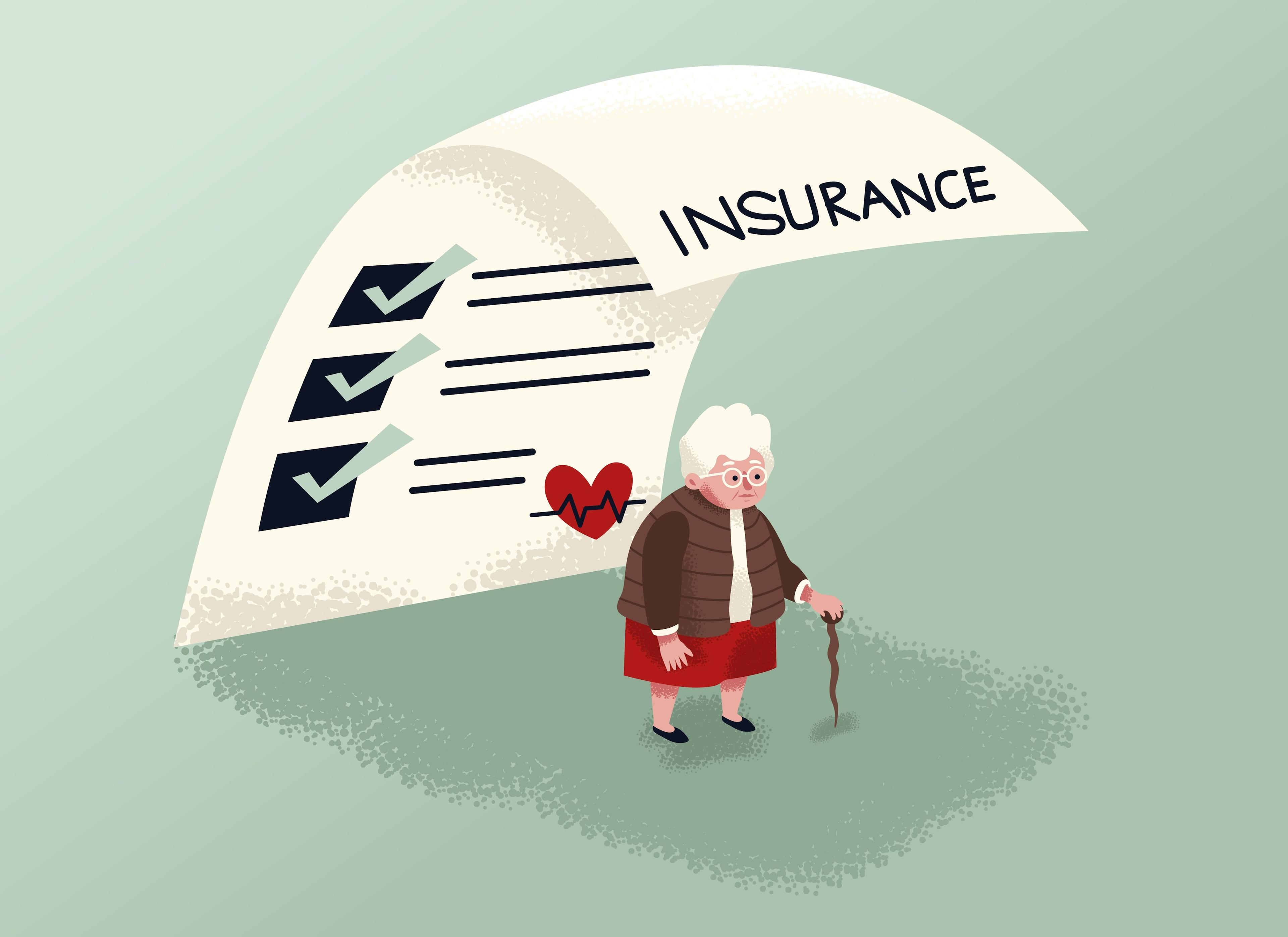
Gap insurance is often misunderstood as an extra layer of protection that every driver should automatically add, but its real value is much more specific. It exists to solve a common financial problem that appears when a car is financed or leased: the amount you owe can be higher than what the car is worth. Because vehicles depreciate quickly, especially in the early years, the market value of a car can fall faster than the loan balance. When that happens, a serious accident or theft can trigger a situation where your standard auto insurance payout is not enough to clear the remaining loan. Gap insurance matters because it is designed to cover that difference, preventing a sudden debt burden at the worst possible time.
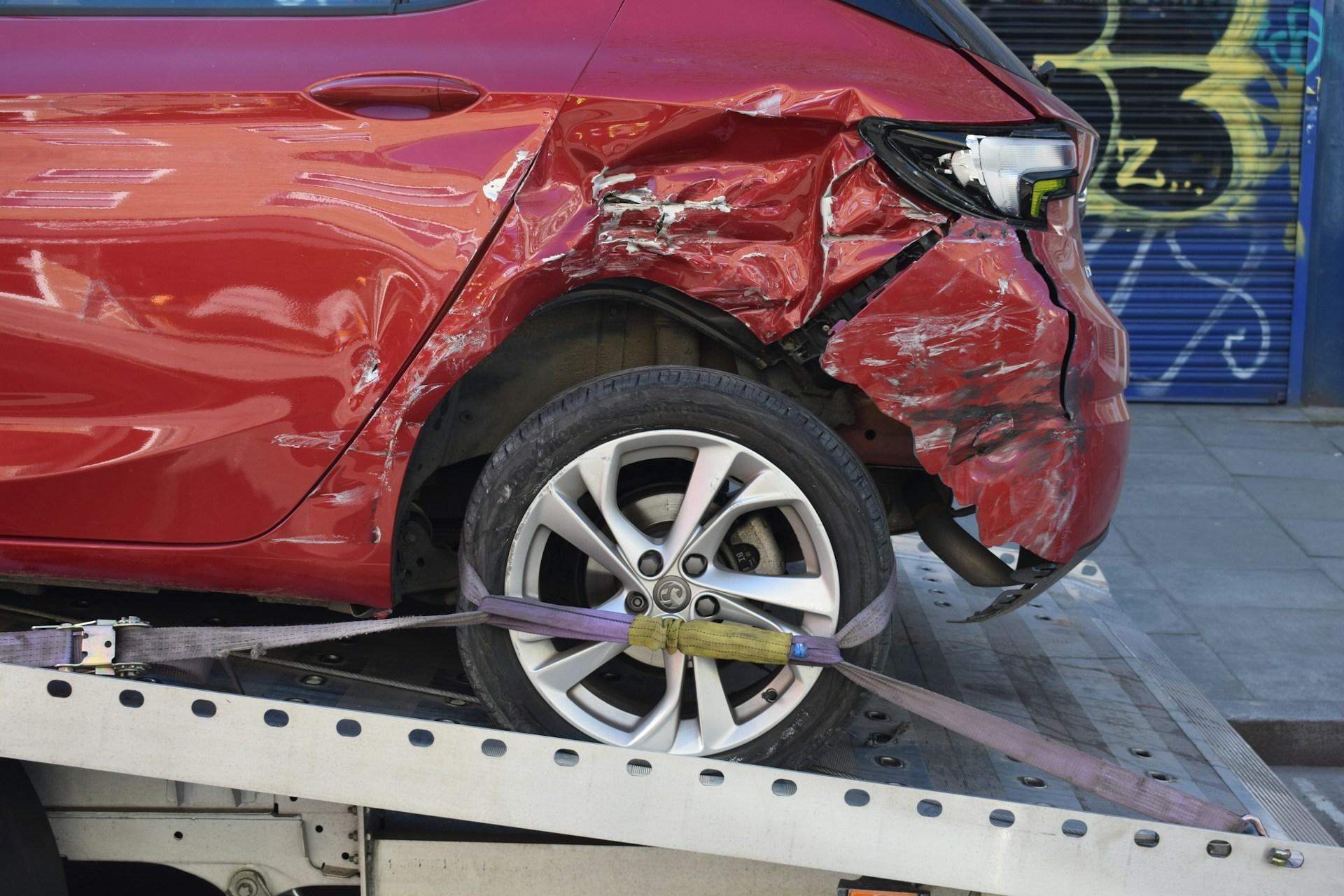
The most practical benefit of gap insurance is that it protects you from paying for a vehicle you no longer have. In a total loss situation, standard insurance typically pays the car’s actual cash value, not the outstanding loan amount. If the settlement is smaller than what you still owe, you are responsible for the shortfall. Without gap coverage, this can become a painful surprise. You might find yourself continuing to make payments on a loan even though the car is gone, while also needing money to replace it. Gap insurance reduces the chance that one unfortunate event turns into an extended financial setback, because it closes the gap between the insurance payout and your remaining balance.
Another key benefit is that it safeguards your savings and monthly cash flow. Many people keep emergency funds for job loss, medical expenses, or family commitments. A gap shortfall forces you to divert money away from those priorities, and if you do not have enough savings, you may need to borrow. That can mean using credit cards or taking another loan, which increases your interest costs and makes your budget tighter. By covering the shortfall, gap insurance helps prevent a sudden liability from disrupting your financial stability. Instead of scrambling to come up with a large amount at once, you pay a predictable premium to avoid a potentially much larger, unpredictable expense.
Gap insurance can also reduce stress during an already difficult process. Total loss claims involve paperwork, settlement discussions, lender coordination, and replacement planning. When there is outstanding debt that your main insurance will not cover, the situation becomes more complicated and more emotionally draining. Gap insurance can simplify the outcome by taking care of the shortfall directly, allowing you to focus on practical next steps such as arranging alternative transport, deciding whether to buy another vehicle, and getting back to normal routines.
For borrowers with certain types of loans, gap insurance provides especially strong value. It can be useful when you make a small down payment, choose a longer loan term, or finance add-ons into the loan, because these choices increase the chance of owing more than the car is worth in the early period. It is also relevant if you roll over an existing balance from a previous car loan into a new one, creating negative equity from the start. In these situations, the gap risk is not theoretical. It is built into the structure of the financing, and gap insurance is one of the few products that directly addresses it.
Leasing is another area where gap insurance can be important. Lease contracts often leave drivers exposed because the settlement amount after a total loss may not automatically align with what is still required under the lease. In many cases, leases include gap coverage or strongly recommend it because the risk is so common. When the coverage is present, it helps ensure that an accident does not create an unexpected bill that adds financial strain on top of the inconvenience of losing access to the vehicle.
At a broader level, gap insurance supports financial planning by protecting the choices you made when you selected a particular car and financing plan. Many people set a transportation budget so they can still meet other goals, such as saving for a home, investing, or paying for education. A large gap shortfall can force you to change those plans, not only because you may need to settle the remaining debt, but also because you may need to replace the car quickly. When gap insurance removes the shortfall, you have more flexibility to make thoughtful decisions rather than rushed ones. That flexibility can keep your financial progress on track, even when circumstances are unexpectedly disruptive.
Still, it is important to recognize that gap insurance is not equally beneficial for everyone. Its value is highest when the gap between loan balance and market value is likely to exist. If you made a large down payment, chose a shorter loan term, or purchased a car that holds its value well, you may build equity faster and reduce the gap risk. In those cases, paying for gap insurance may not provide much practical benefit, because the scenario it protects against is less likely or the shortfall would be small enough to manage. The smartest approach is to look at your current loan balance, compare it to a realistic estimate of your car’s value, and decide whether the mismatch is significant enough to justify the cost.
Ultimately, the benefits of gap insurance come down to protecting financial stability in a narrow but impactful situation. It prevents you from being stuck with leftover debt after a total loss, protects your savings from being drained by an unexpected bill, reduces stress and complexity during the claims process, and helps preserve your broader financial plan by keeping a single event from throwing your budget off course. For drivers who are most exposed to depreciation and negative equity, it can be a simple, targeted way to avoid turning a car accident or theft into a long-term financial problem.
 WhatsApp
 Instagram
 Threads