Gap insurance is often treated like an optional extra, the kind of coverage you agree to or decline in a hurry while signing paperwork. Yet for many car owners, it is one of the most practical protections they can buy, not because it prevents accidents, but because it prevents a specific kind of financial aftershock that can follow a serious loss. The core problem is simple. A car is an asset that typically loses value quickly, especially in the first few years. A car loan, however, is a debt that does not always shrink at the same pace. When those two lines move in different directions, a gap can open between what your car is worth and what you still owe. Gap insurance exists to keep that gap from turning into a painful bill when the unexpected happens.
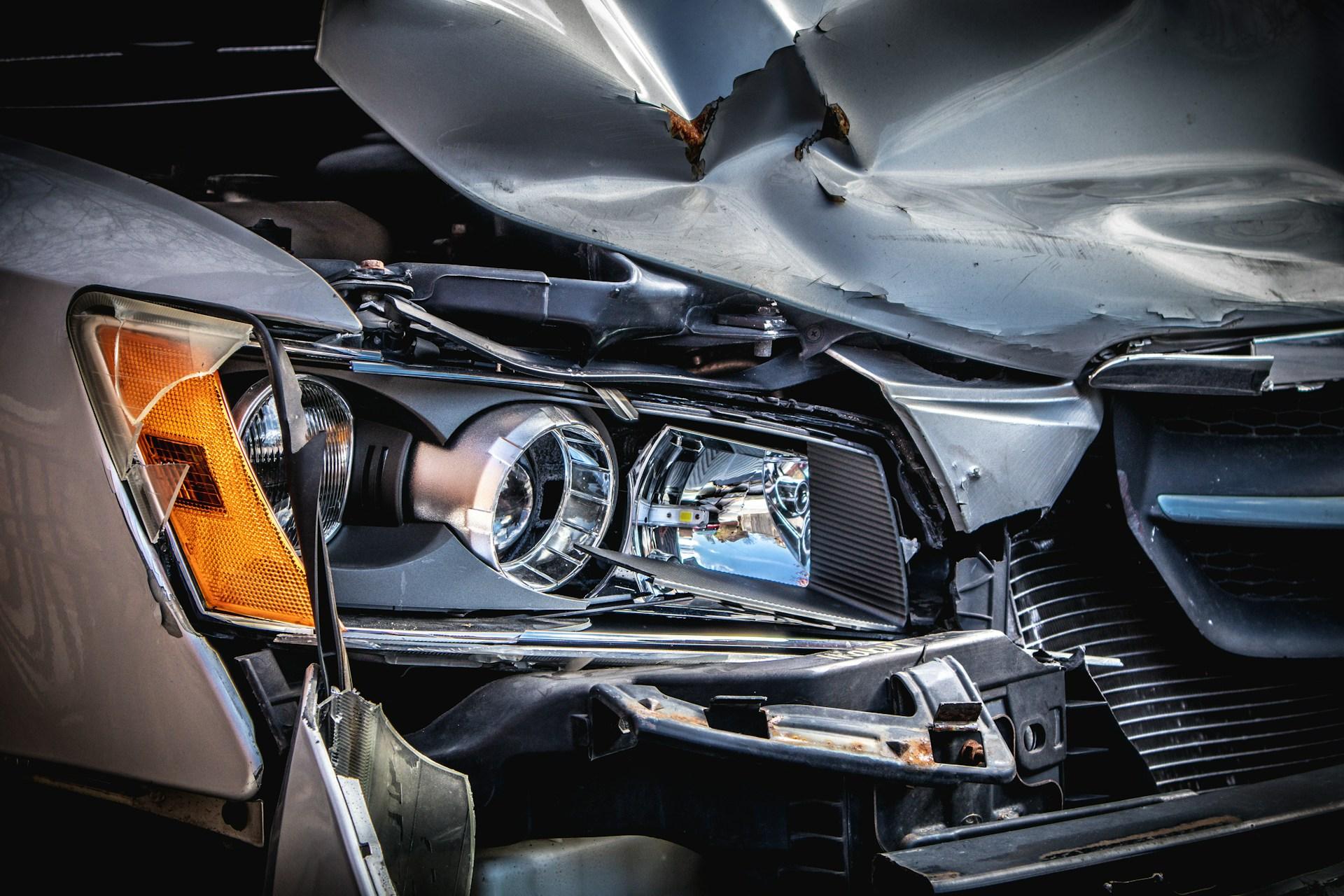
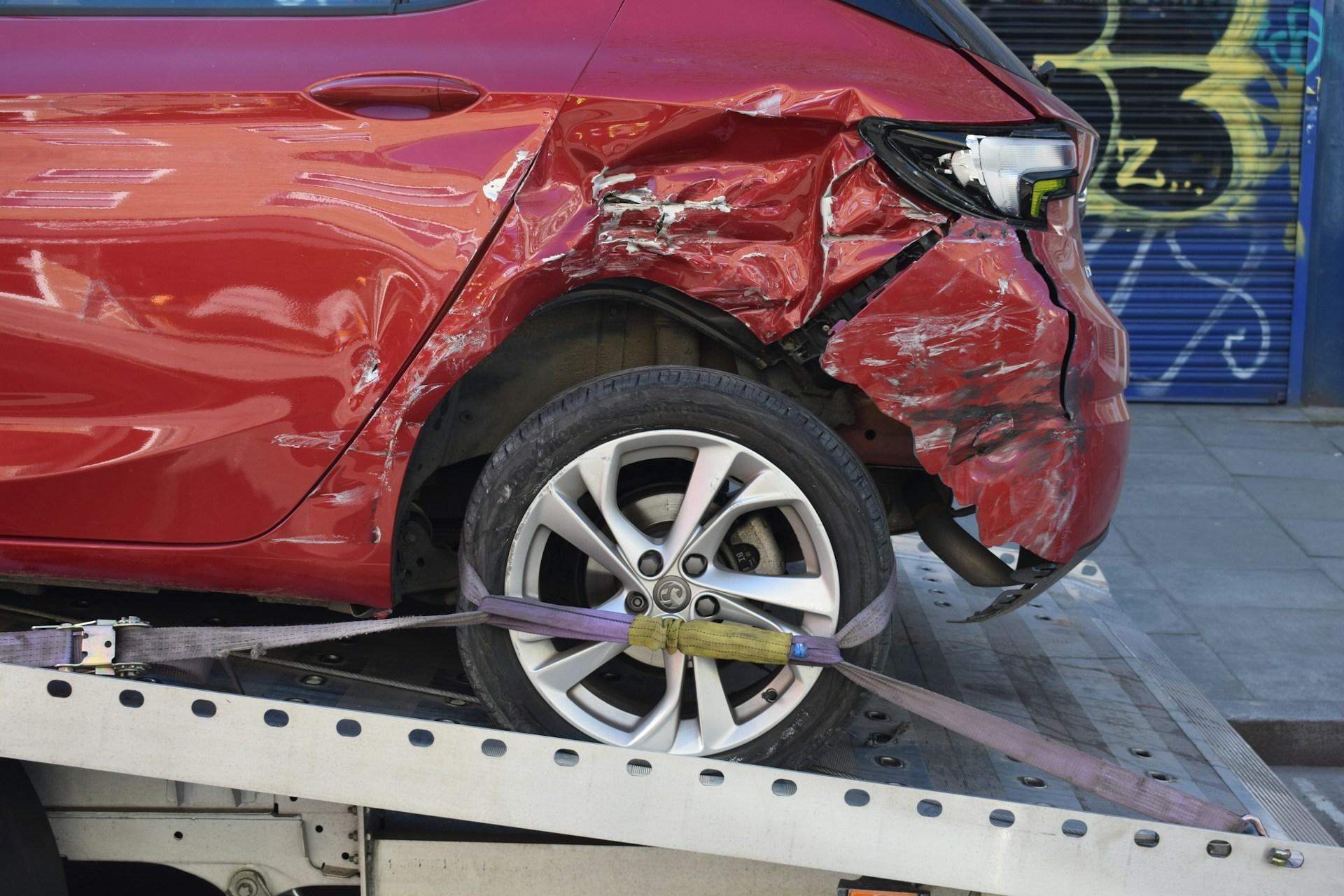
To see why gap insurance matters, it helps to look at how auto insurance settlements work. When a car is totaled in an accident or stolen and not recovered, the insurance company usually pays the vehicle’s actual cash value at the time of the loss. That value is based on market pricing, condition, mileage, and comparable vehicles, not on the price you paid and not on the remaining balance of your loan. If you owe less than the settlement, the insurer’s payout can clear the loan and may leave you with some money to put toward a replacement car. If you owe more than the settlement, the insurance company does not automatically cover the difference. You are still responsible for paying off the remaining balance to the lender. That difference between the settlement amount and what you still owe is what people mean when they talk about a gap.
Many drivers assume this cannot happen if they have “full coverage,” but full coverage is not a formal promise that your loan will be paid off. In everyday conversation, full coverage usually means you carry both collision and comprehensive, along with liability. Collision and comprehensive are designed to repair or replace the vehicle based on its market value. They are not designed to protect the financing arrangement attached to the vehicle. If a total loss occurs, the settlement is tied to the car’s value, not to your debt. That is why someone can do everything “right,” pay on time, and still end up owing thousands on a car they can no longer drive.
Depreciation is the main reason this situation is so common. New cars tend to lose value quickly soon after purchase, and that early drop can be steep. Meanwhile, most loans are structured so that interest is paid more heavily in the early months, especially if the interest rate is high. This means the loan balance can decline slowly at first. If you made a small down payment, chose a long loan term, or financed taxes and fees into the loan, the balance you owe can stay higher than the car’s value for longer than you might expect. That risk grows when buyers roll negative equity from a previous car into a new loan. In that case, you are not just financing the new car, you are also carrying the leftover balance from the old one. It can take years before the debt line and the value line cross in the safer direction.
Gap insurance becomes important because total losses do not ask whether you are “close” to being above water. A total loss can happen at any time. A driver can be careful and still get hit by someone else. A car can be stolen from a car park. Weather can flood streets. Fires can spread. Even if the odds are low on any given day, the financial consequences can be large, and they come at the worst moment, when you are already dealing with disruption and stress. If your insurance payout falls short of your loan payoff, the shortfall becomes an immediate obligation. Without gap coverage, you may have to pay that amount out of pocket or, more commonly, roll it into the next car loan. That is where the real danger appears, because rolling a shortfall forward can trap you in a cycle of being underwater on each successive loan.
The cycle often looks like this. A car is totaled. The insurer pays actual cash value, but the loan payoff is higher. The borrower either writes a large cheque or accepts that the remaining balance must still be repaid. If they need another car quickly, they may finance a replacement and roll the old shortfall into the new loan. Now the new loan starts with extra debt that has nothing to do with the new car’s value. The borrower is underwater immediately and stays underwater longer. This can force longer terms, higher payments, or fewer choices when it comes time to trade in or sell. Over time, it can crowd out other financial goals such as emergency savings, credit card payoff, or retirement contributions. Gap insurance can prevent this chain reaction by eliminating or reducing the leftover balance after a total loss.
Leases make the case for gap insurance even clearer. Because leasing is a structured agreement where the consumer is paying for use rather than ownership, the contract can include obligations that do not align neatly with market value. Many lease agreements either include gap coverage or require it. That is not because leasing companies are generous. It is because they know a total loss can produce a shortfall, and they want to ensure the contract can be settled cleanly. If you lease, it is especially important to confirm whether gap coverage is built into the lease terms or whether you need to buy it separately. The best outcome is clarity before anything happens, not confusion after a claim.
Even for buyers, the value of gap insurance is less about the car and more about the household budget. A driver might be able to absorb a small shortfall, but a large one can destabilize monthly cash flow, especially if it arrives at the same time as rental car costs, time off work, or higher insurance premiums later. The size of the gap can surprise people because loan balances can include more than just the vehicle price. Many loans include sales tax, registration, dealer fees, and add-ons such as service packages, accessories, or extended warranties. These items can raise the amount you owe, but they do not necessarily raise the car’s market value in a way that helps you in a total loss settlement. In other words, you can be paying for real things, but they do not guarantee a higher payout from the insurer. Gap coverage is designed to address exactly that mismatch.
There is also a practical benefit that shows up in the aftermath of a loss. A total loss is already a logistical headache. You need to file reports, coordinate with insurers, gather paperwork, and often find alternative transport. Discovering that you still owe a large balance on a car that is gone adds a second crisis. It can change the conversation with the lender, delay your ability to replace the car, and push you into decisions made under pressure. Gap insurance can simplify the aftermath. Once the settlement is calculated, gap coverage can pay the difference to the lender so the loan can be closed. The result is not just financial relief, but also a smoother path back to normal life.
Still, gap insurance is not a blanket solution for every driver. It is most useful when you are likely to be underwater. That tends to happen when you put down a small deposit, choose a long term, finance a large portion of the purchase price, or roll negative equity into the loan. It can also be relevant when you drive a lot and depreciation accelerates, or when market values for used cars soften and settlements become less generous. On the other hand, if you made a large down payment, selected a shorter loan term, and your loan balance drops below the car’s value quickly, the gap may be small or nonexistent. In that case, paying for gap coverage year after year could be unnecessary. The key is matching the coverage to your exposure rather than buying it out of habit.
Understanding the limits of gap insurance is also important, because expectations can be wrong. Gap insurance generally covers the difference between the auto insurer’s settlement and the loan payoff amount, but policies often have conditions. Some exclude overdue payments or certain fees. Some have a maximum percentage they will cover above the vehicle’s value. Some do not cover the deductible unless the policy explicitly includes that feature. This is why reading the coverage details matters. The product is meant to cover a specific scenario, and it does that well when the terms match your situation. It is less helpful if you assume it covers everything related to a total loss.
Cost and where you buy it also influence whether it is a good deal. Gap coverage can be offered at the dealership, through a lender, or as an add-on through an auto insurer. Pricing can vary significantly, and so can cancellation rules. Dealer or lender products are sometimes packaged into the loan, which can feel convenient but can also increase the total financed amount. Insurance add-ons can be cheaper for some drivers, though eligibility may vary by insurer and by vehicle. The smart approach is to compare options, not only on price but also on what is included, how claims are handled, and whether you can cancel and receive a prorated refund if you pay off the loan early or sell the car. Because gap insurance is intended to be temporary, the ability to stop paying when you no longer need it can be just as important as the initial cost.
There is also value in knowing what gap insurance is not. It is not the same as new car replacement coverage, which may replace a totaled car with a new one within a certain time window. That kind of coverage can reduce the gap by increasing the settlement, but it is not designed specifically to pay off the loan balance, and it can still leave a shortfall depending on the policy limits. Gap insurance is also not the same as payment protection products that cover your loan payments if you lose your job or become disabled. Those products address income disruption, not value mismatch. Mixing these up can lead people to buy the wrong coverage, feel protected, and then discover that the policy does not respond the way they expected.
A sensible way to decide whether gap insurance is important for you is to look at your numbers in plain terms. Check your loan payoff amount, not just your monthly payment. Then estimate what your car would likely sell for in the current market, using realistic comparisons. If the payoff exceeds the market value, you already have a gap. If you do not have one today but your loan structure is aggressive, such as a small down payment and long term, you may have a gap for the next year or two until the principal falls enough and depreciation slows. If a gap exists or is likely, ask yourself what would happen if the car were totaled tomorrow. Would paying that difference derail your savings, force you into costly financing, or create ongoing stress? If the answer is yes, gap insurance is not just an extra. It is protection against a specific financial setback.
It is also worth thinking about timing. Gap insurance is most valuable early in the loan or lease period. As the loan balance declines and the car’s value stabilizes, the gap usually shrinks and can disappear. At that point, the coverage becomes less useful. Many people forget to review it and keep paying even when there is no longer a gap to insure. A simple annual check can prevent that waste. If you buy gap, treat it as a temporary tool, and plan to drop it once you are comfortably above water.
In the end, gap insurance is important for car owners because it addresses a mismatch that is built into modern car buying. Cars depreciate quickly. Loans can be structured in ways that keep balances high in the early years. Total losses can happen at any time. When these realities collide, a driver can end up owing money on an asset that no longer exists. Gap insurance turns that outcome into a cleaner exit, protecting you from carrying leftover debt into the next chapter of car ownership. For drivers who are exposed to a gap and for households where a sudden shortfall would be difficult to absorb, it is less about fear and more about preventing a predictable financial headache.
 WhatsApp
 Instagram
 Threads