Gap insurance is one of those products most people only think about after they hear a frustrating story. A friend buys a car, keeps up with the payments, and then an accident or theft happens. The insurer pays out, but the cheque is not enough to clear the loan. The car is gone, yet the debt is still there. That feels backwards to many drivers, but it makes sense once you understand that car insurance and car financing measure value in different ways. Gap insurance exists to bridge that mismatch in a very specific situation, and when you see how the numbers interact, it becomes easier to judge whether it is worth paying for. To start, it helps to separate the two contracts at the heart of the issue. Your auto insurance policy is designed to cover a vehicle based on what it is worth in the market at the time of a claim, not what you paid for it and not what you still owe. Your loan or lease agreement, on the other hand, is designed to ensure the lender gets repaid according to the payment schedule you agreed to, regardless of what happens to the car. These two systems are not built to align perfectly, especially in the early period of ownership when depreciation is steep and loan balances can remain relatively high.
Depreciation is the first part of the story. Most cars lose value quickly in the first few years. Even if you take excellent care of the vehicle, the market value tends to drop as the car ages, mileage increases, and newer models enter the market. Insurance companies typically settle a total loss claim based on the vehicle’s actual cash value, which is essentially the fair market value just before the loss, adjusted for condition and local pricing. That number can be surprisingly lower than what an owner expects because many people anchor on the purchase price rather than the resale market.
The second part of the story is how a loan balance changes over time. When you take a car loan, especially a longer one, your early payments often go more heavily toward interest and less toward principal. This means the loan balance may decline slowly at first. If you made a small down payment, chose a long term, accepted a higher interest rate, or financed additional items such as warranties, insurance products, fees, or accessories, the amount you owe can stay above the car’s market value for longer. In some cases, buyers also roll negative equity from a previous vehicle into the new loan, which starts the new financing in an already vulnerable position. All of these factors can create what people call being upside down or underwater, meaning you owe more than the car is worth.
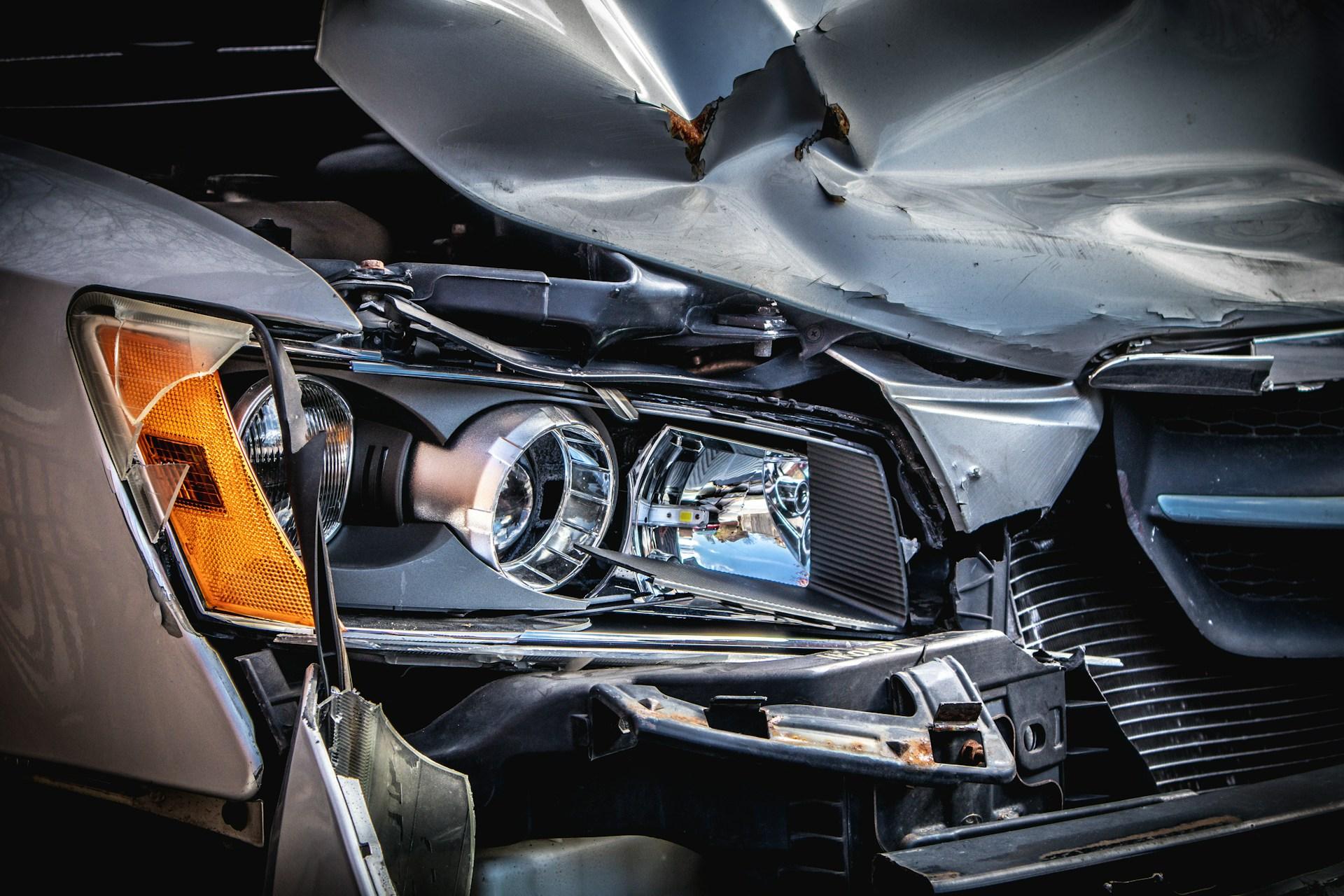
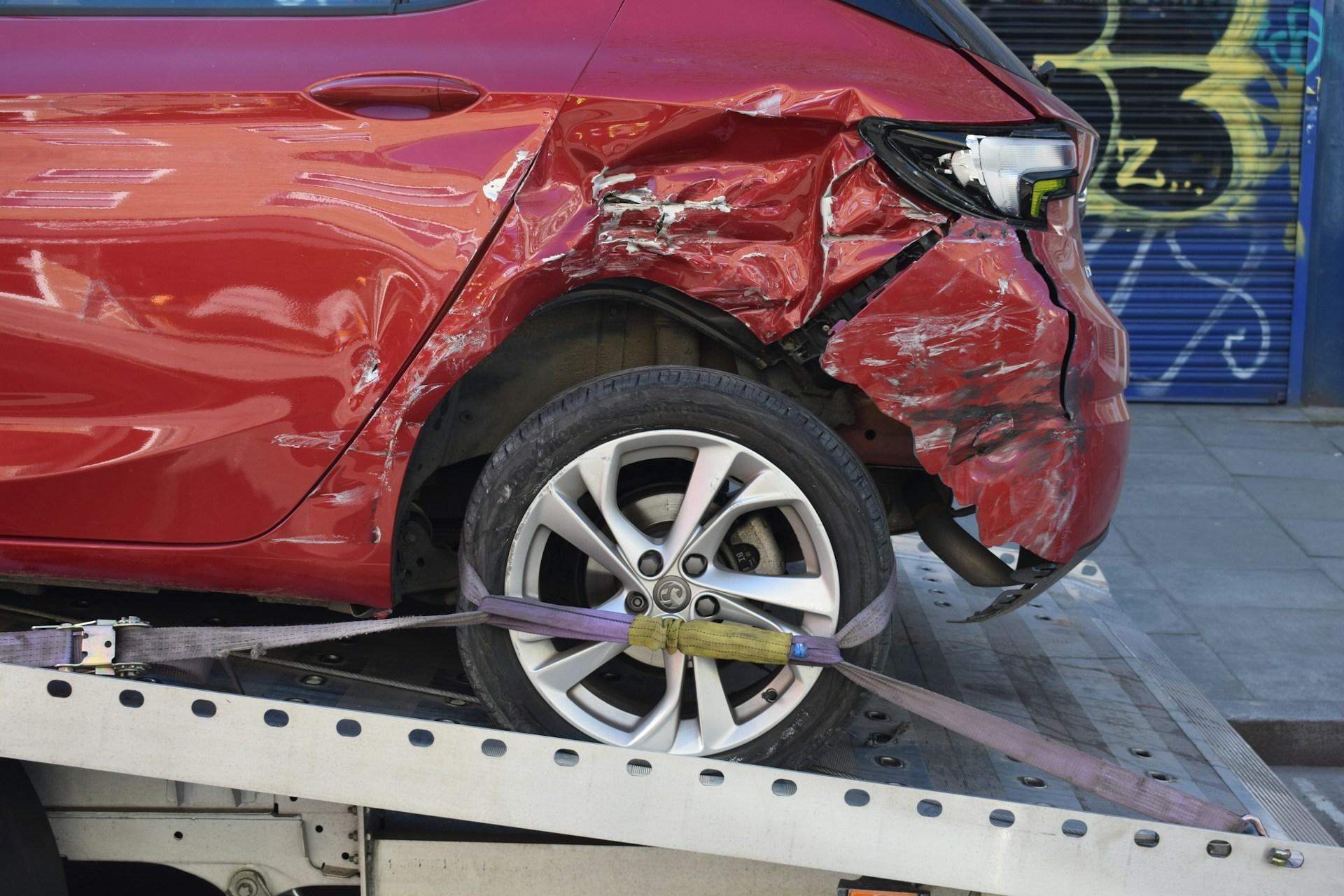
Now imagine a total loss event happens during that vulnerable period. A severe accident damages the vehicle beyond economical repair, or the car is stolen and not recovered. Your insurer evaluates the claim and offers a settlement based on actual cash value. That settlement is meant to replace the value of the car, not to guarantee that your loan is paid off. If the settlement is lower than the remaining payoff amount on the loan or lease, the gap becomes your responsibility unless you have an additional layer of protection. This is the moment gap insurance is designed for.
Gap insurance, in its most common form, pays the difference between the primary auto insurance settlement and the amount you still owe on the loan or lease, within the terms and limits of the policy. It does not replace your comprehensive and collision coverage. It works behind your standard policy, meaning your normal insurer pays first and gap coverage addresses the leftover shortfall that remains on the financing agreement. When it functions as intended, it prevents the unpleasant scenario where you must continue paying a loan on a vehicle you can no longer drive.
A simple example shows the mechanics clearly. Suppose your insurer declares a total loss and values the car at $22,000. At the same time, your loan payoff statement shows that you owe $26,000. Without gap insurance, you would typically be responsible for the $4,000 difference. With a gap policy that covers that structure, the gap insurer may pay that $4,000 to the lender so your loan balance is cleared. In that moment, gap insurance is doing exactly what its name suggests. It fills the gap between what the car is worth to the insurer and what the car costs you in remaining debt.
However, real claims are not always as clean as the simplified example. One reason people end up disappointed is that they assume gap insurance will cover every cost connected to the total loss, including items that many policies exclude. Deductibles are a common point of confusion. Your auto policy may have a deductible for collision or comprehensive claims, and the settlement amount can reflect that. Some gap products include limited deductible coverage, but many do not, or they cap it at a certain amount. Fees and penalties can also complicate the payoff. Late payment charges, missed payment penalties, and certain administrative fees may be excluded. If you financed add-ons into the loan, some gap policies will not cover those add-ons, or they will cover them only up to a limit. If you rolled over negative equity from a previous loan, that portion may be excluded depending on the contract. These details vary, which is why reading the policy terms matters more than relying on the general concept.
It also matters that “gap insurance” can describe slightly different product types depending on the market and the provider. The most familiar version is finance gap insurance that covers the shortfall between actual cash value and the loan or lease payoff. Some products aim to cover the difference between the insurance settlement and the original purchase price, sometimes called return to invoice or purchase price protection. Others resemble new car replacement coverage, which focuses on helping you replace the vehicle with a similar new model if a total loss occurs early. These products can feel similar because they all address dissatisfaction with depreciation after a loss, but they pay in different ways and have different triggers. When choosing coverage, the label matters less than the payout definition.
The claims process also reveals how gap insurance fits into the overall picture. Typically, your primary auto insurer handles the total loss claim first. Once the settlement amount is final, your lender issues a payoff statement showing what you owe as of a particular date. Then the gap insurer reviews both numbers and calculates the covered difference under the policy rules. Payment is often made directly to the lender or leasing company rather than to you. Your role is usually to provide documentation, confirm that the payoff date and amounts are accurate, and ensure the paperwork moves smoothly. Timing matters because loan payoff amounts can change with interest accrual, so the coordination between settlement and payoff dates can affect the final gap.
Whether gap insurance is worth it depends largely on how likely you are to face a meaningful gap and how disruptive it would be if you had to pay it yourself. Gap coverage tends to be most valuable in the early years of ownership, when the loan balance is higher relative to the car’s market value. As you pay down the principal and depreciation slows, the gap often narrows and may disappear. In that sense, gap insurance is often a temporary form of protection rather than something you need for the entire life of the loan. The most practical question is not whether gap insurance is good or bad in general. The practical question is whether you are currently exposed to a scenario where a total loss would leave you with a significant unpaid balance.
You can approach that question in a grounded way by comparing two numbers. Look at your current loan payoff and compare it to a realistic estimate of your car’s current market value. If the payoff is higher, you have a gap. Next, consider how long you expect that gap to persist based on your payment schedule and how quickly the car is likely to depreciate. If the gap is likely to remain for a year or two, and paying it out of pocket would strain your finances, gap insurance can function as a stabilizer. It protects your cash flow at exactly the moment when an unexpected financial hit could knock you off course.
On the other hand, if the gap is small or if you have a strong emergency fund that could comfortably cover the shortfall without affecting essential expenses, you may decide you can self insure. Self insuring in this context simply means accepting the risk and relying on your savings rather than paying for a separate policy. That choice can be reasonable, especially if you have a larger down payment, a shorter loan term, or a car that depreciates more slowly. The point is to match the tool to your personal financial resilience rather than buying coverage out of fear.
Where you buy gap insurance can also shape its value. Some people purchase it at the dealership when they buy the car, often as part of the financing package. Others add it through their auto insurer as an endorsement. Others obtain it through a lender. The cost can vary widely, and the payment structure matters. If the gap product is financed into the loan, it increases the loan balance, which can slightly increase the very gap you are trying to cover. That does not mean it is automatically a poor decision, but it is a detail worth noticing. Cancellation and refund terms also matter. If you pay down the loan early, refinance, or sell the car, you may no longer need the coverage. Some products provide prorated refunds if canceled, while others are less flexible. For borrowers who tend to pay off loans early, refundable terms can make a meaningful difference in overall cost.
Gap insurance also has a quiet benefit that goes beyond the claim scenario. It forces you to examine the structure of your car purchase. If you only need gap coverage because the loan is packed with extras, the term is stretched to the maximum, and the down payment was minimal, that can be a prompt to reconsider the deal itself. Sometimes the most effective way to reduce gap risk is not to insure it, but to reduce the likelihood and size of the gap through smarter financing. A larger down payment, a shorter term, and resisting expensive add-ons can shrink the exposure from the start. In that way, gap insurance can be viewed either as protection for a financing structure that creates risk, or as a temporary bridge while the loan balance catches up to the car’s value.
In the end, gap insurance works when you understand it as a narrow solution to a narrow problem. It is designed for total loss and theft scenarios where the auto insurance settlement is not enough to satisfy the remaining loan or lease balance. It is not meant to cover every cost connected to the purchase, and it is not meant to turn a car into a risk free asset. What it can do, when chosen thoughtfully, is prevent the specific financial shock of owing money on a vehicle you no longer have. For many drivers, that is a meaningful kind of peace of mind, not because it is dramatic, but because it keeps the rest of their financial plan steady when life throws an expensive surprise.
 WhatsApp
 Instagram
 Threads