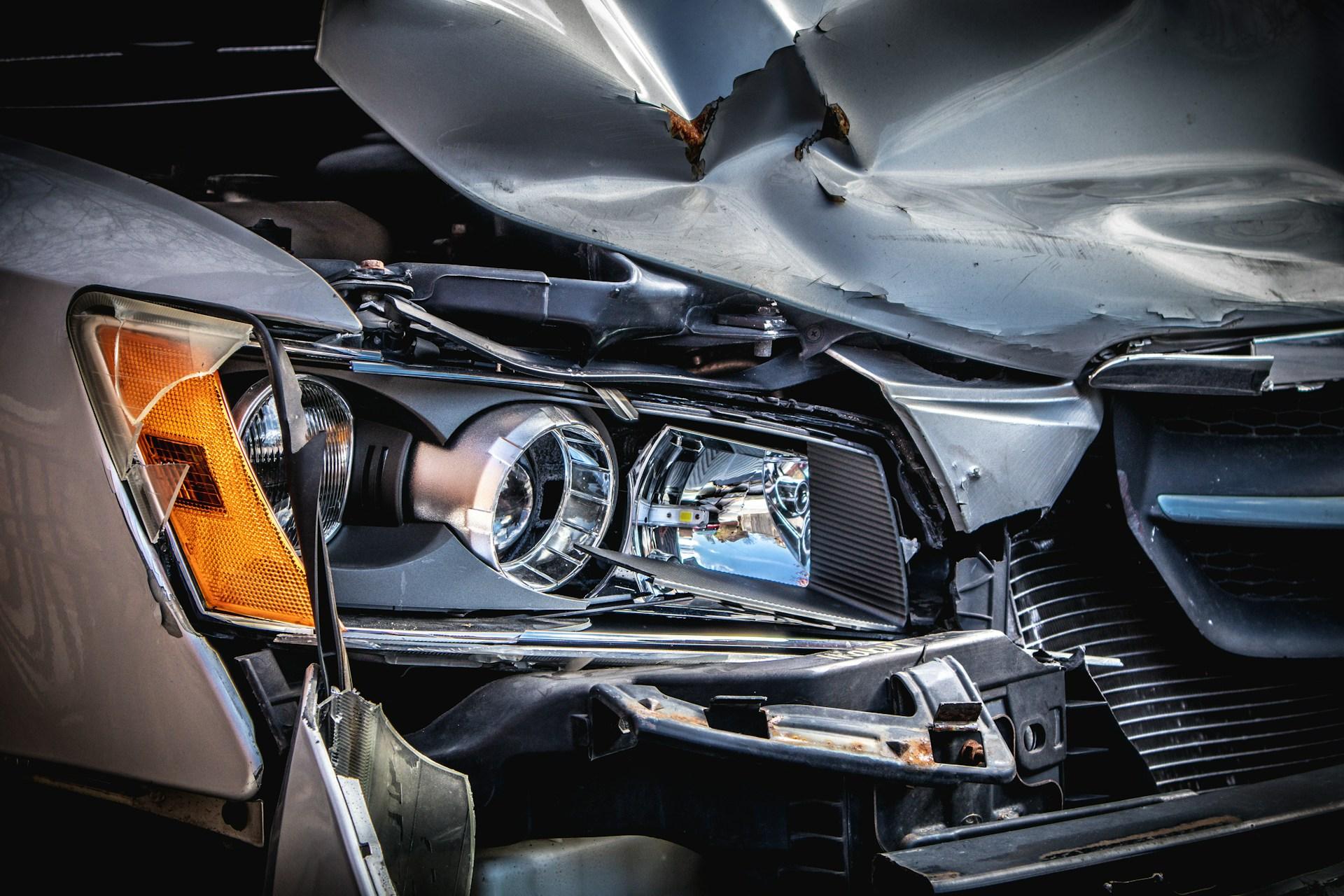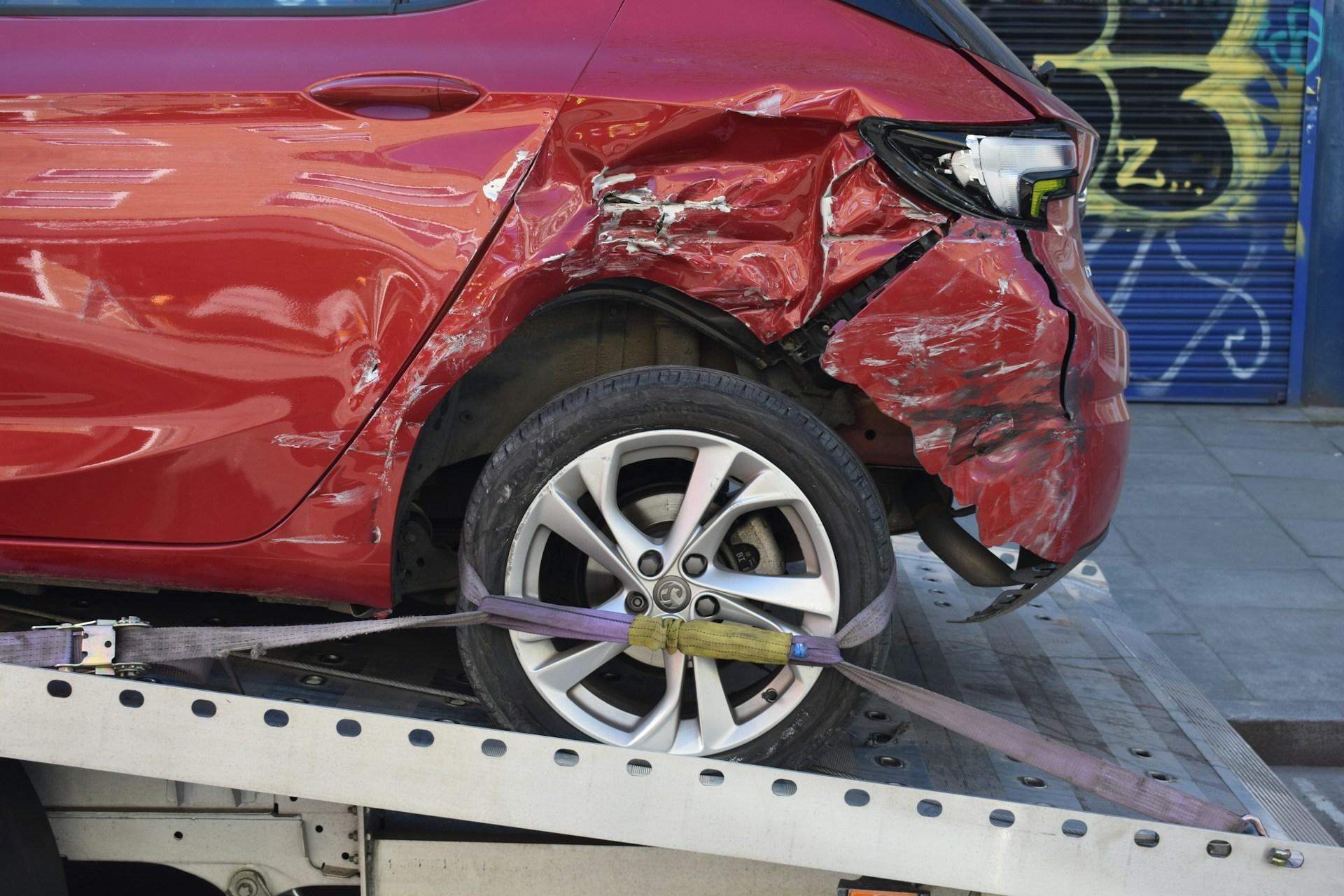
Car insurance becomes mandatory when a society accepts a simple reality about modern roads: driving is never a purely private act. The moment a person takes a vehicle onto shared streets, they step into a space where a single mistake can create costs that ripple outward to strangers who never chose to take that risk. A car is heavy, fast, and capable of causing serious harm in seconds. Even careful drivers, even people with years of experience, cannot fully control weather, road conditions, mechanical failure, or the unpredictable behavior of other road users. Because the consequences of a crash can be so severe and so widely felt, governments treat motor insurance less like an optional personal product and more like basic infrastructure for a functioning transport system.
At the heart of compulsory car insurance is the protection of third parties. This point is often misunderstood because people associate insurance with protecting their own property, their own vehicle, or their own wallet. Yet in most places, the minimum legal requirement focuses on liability to others, not repairs to your own car. That design reveals the real intent: if you injure someone, if you damage another person’s property, or if you cause a chain reaction collision that harms multiple parties, there must be a reliable mechanism to compensate the people affected. Without a mandate, compensation depends on whether the at-fault driver has savings, whether they are willing to cooperate, whether they disappear, or whether victims have the time, money, and emotional stamina to pursue a lawsuit. A compulsory system is an attempt to prevent innocent people from being forced into that position.
This is also why car insurance can be described as a solvency rule disguised as a driving rule. A severe accident can generate costs that exceed what most households can pay, sometimes by orders of magnitude. Medical treatment, rehabilitation, long-term care, and loss of income can stretch into years. Legal claims can include not only direct expenses but also ongoing support and damages recognized by courts. Even a person who appears financially stable on paper may be unable to absorb a large judgment without destroying their finances. When insurance is mandatory, the risk of catastrophic loss is shifted away from the fragile arrangement of personal ability to pay and into a regulated system designed to pool risk across many drivers. In practical terms, this reduces the chance that a victim’s recovery depends on the at-fault driver’s bank balance, and it reduces the chance that one accident turns into lifelong financial ruin for everyone involved.
Mandatory coverage also limits the chaos that uninsured driving can create. If insurance were optional, a predictable share of drivers would skip it, especially those who feel squeezed by cash flow or those who underestimate risk. The outcome is not just that some people would be underinsured. The outcome is that victims would face far more cases where there is no insurer to respond, no standardized claims process, and no clear pathway to compensation. Courts would spend more time sorting out disputes that an insurer could otherwise handle through established procedures. Public hospitals and social support systems would face greater pressure because unpaid accident costs do not vanish. They shift onto families, charities, public budgets, and the broader community. Compulsory insurance is a form of cost containment and social stability, because it forces accident costs to be prefunded through premiums rather than discovered after the fact as a crisis.
There is a deeper market reason mandates exist as well. Insurance only works smoothly when the pool of participants is broad. If people can choose whether to buy coverage, many low-risk drivers might opt out, believing they are unlikely to crash. Meanwhile, higher-risk drivers, who anticipate a greater chance of accidents, have stronger incentives to buy coverage. This imbalance can raise premiums, which then pushes even more low-risk drivers out of the pool, which raises premiums again. Over time, the market can become distorted, expensive, and less accessible, not because risk has changed but because participation has narrowed in a way that undermines risk sharing. Mandatory insurance interrupts this cycle by keeping a wide range of drivers in the pool, supporting more stable pricing and ensuring that the system remains viable for everyone who needs to comply with the law.
It is worth noticing what is and is not usually mandatory. In many jurisdictions, the legal minimum is third-party liability, not comprehensive coverage for your own vehicle. This reflects an important boundary: governments tend to require protection where there is a clear public interest, not where the risk is purely private. If you choose to drive an expensive car and you choose not to insure it against theft or damage, society may consider that your personal gamble, provided you are still able to pay for harm you cause others. But if you harm another person, that is no longer an issue of private choice. It is a matter of public fairness and social responsibility. This is why mandatory rules are typically written to ensure compensation for death, bodily injury, and often property damage suffered by third parties.
At the same time, the fact that comprehensive coverage is often optional does not mean it is unnecessary for individuals. It simply means it is a separate decision. When you look at your own financial plan, you should treat the legal requirement as a floor, not a complete answer. A driver with a modest car they could replace from savings may decide the minimum third-party coverage is sufficient for the vehicle side of the equation, while still meeting the legal requirement for liability. A driver with a new car financed through a loan may have stronger reasons to buy broader coverage, because a total loss could disrupt cash flow and force difficult tradeoffs elsewhere in their budget. The mandate exists to protect others, but your policy decisions should still reflect what you can afford to lose and what you cannot.
Another common question is whether mandatory insurance is meant to improve road safety. Insurers do influence behavior through premiums and underwriting. A history of claims can raise costs. Safe drivers may be rewarded with lower rates. Some policies encourage safer practices by requiring repairs through approved networks or by offering incentives for lower risk behavior. These features can nudge the system toward safer outcomes, but they are best viewed as secondary benefits. The fundamental purpose remains compensation and accountability. Even in the safest driving population, accidents still happen, and the costs still need a mechanism for payment.
To understand the value of the mandate, it helps to think about who it protects, even when it feels annoying to pay premiums year after year. First, it protects victims by ensuring there is an established, enforceable financial response when harm occurs. Second, it protects drivers from catastrophic liability that could permanently derail their lives. This does not excuse reckless behavior, but it prevents punishment from turning into a cycle of insolvency that harms dependents and undermines financial stability for years. Third, it protects society’s shared systems by reducing the burden of unpaid accident costs on hospitals, courts, and public budgets. In this sense, compulsory insurance functions like a piece of civic plumbing. Most people do not notice it when it works, but they feel the consequences when it fails.
Still, many careful drivers feel resentful about paying for a risk they believe they control. The emotional logic is understandable: if you have never had an accident, paying premiums can feel like subsidizing other people’s bad decisions. Yet driving risk is not only about skill. It is also about exposure. The more time you spend on the road, the more you interact with unpredictable variables. A distracted driver can drift into your lane. A motorcyclist can appear in your blind spot. A sudden downpour can reduce visibility. A tire can blow. A moment of fatigue can dull reaction time. The mandate reflects a collective choice to treat road risk as a shared environment, not a series of isolated personal decisions. Everyone benefits from a system that makes compensation more dependable, because anyone can become the victim on any given day.
In personal finance terms, mandatory insurance also protects you in the reverse scenario. If someone hits you and they are at fault, you want a system where there is a credible payer on the other side. You do not want your recovery to depend on whether that person has savings or chooses to do the right thing. The same rule that forces you to carry liability coverage increases the chance that other drivers carry it too, which improves the odds that you will be compensated without turning your life into a prolonged legal battle. That mutual protection is one reason the mandate persists across very different legal systems. It is not simply a revenue tool or a bureaucratic preference. It is an attempt to make the risks of modern mobility financially survivable.
All of this brings the discussion back to what a driver should actually do with this reality. Meeting the legal requirement matters, but so does understanding it. Many people assume they are covered because they paid for a policy, yet policies can lapse, named-driver rules can matter, and certain uses of a vehicle can fall outside coverage. The meaningful standard is whether coverage is in force and whether it applies to how you are using the vehicle. Beyond compliance, you should think about adequacy. Minimum limits exist to create a baseline for society, not to perfectly match every individual’s risk profile. If you have built assets, if you have dependents, or if your income is central to your household’s stability, you should consider whether higher liability limits are appropriate. The uncomfortable truth is that low limits can be exhausted quickly in serious injury cases, leaving the at-fault driver exposed to claims beyond the policy. Even if that outcome feels unlikely, it is exactly the type of low-probability, high-impact event insurance is meant to address.
Finally, insurance choices need to fit into your broader financial plan. The goal is not to buy every add-on out of fear, and it is not to buy the cheapest option without considering the consequences. The goal is to transfer the risks that could derail your life while keeping premiums at a level that does not prevent you from building an emergency fund, reducing high-interest debt, or staying consistent with long-term saving. When you view insurance as a planning tool rather than a forced purchase, the mandate becomes easier to accept. It becomes part of the structure that allows millions of strangers to share the road without every collision turning into a personal financial disaster for the victim.
Car insurance is mandatory because societies want to prevent innocent people from bearing the costs of others’ mistakes, and because the costs of road accidents are too large and too unpredictable to be handled fairly through personal savings and after-the-fact lawsuits. The mandate creates a baseline promise: if you cause harm on public roads, there will be a regulated mechanism capable of paying for that harm. It is not a perfect system and it will never make accidents painless. But it is one of the most practical ways to keep modern mobility compatible with basic financial fairness, social stability, and personal survivability.
 WhatsApp
 Instagram
 Threads