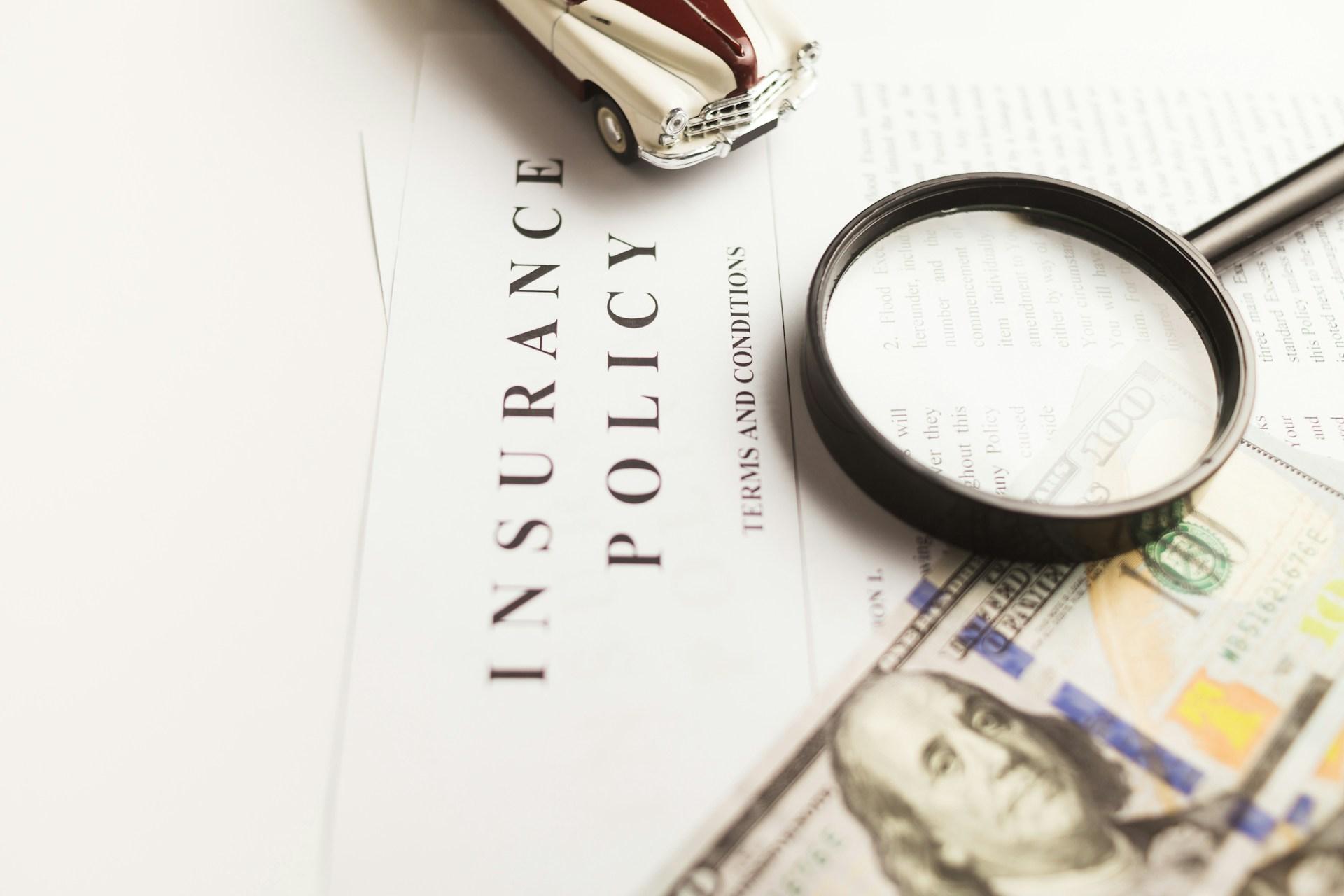
Travel insurance is often treated as an optional add-on at the checkout page, but in practice it is one of the few travel purchases that can protect both your budget and your peace of mind at the same time. People plan trips around visible costs like flights, hotels, meals, and activities. What they cannot plan for as easily are the disruptions that appear without warning: an illness a few days before departure, a delayed flight that causes a missed connection, lost luggage that leaves you without essentials, or a sudden injury in a place where medical care is expensive. Travel insurance exists because travel concentrates uncertainty into a short window of time, and it offers a way to keep an unexpected event from turning into an outsized financial setback.
The most important reason travelers need travel insurance is medical protection. When you are away from home, you are outside the healthcare system you understand and the coverage you rely on. Even if you have health insurance, it may not apply overseas, it may reimburse only a portion of costs, or it may require you to pay first and file claims later. In many destinations, private healthcare is the standard for visitors, and payment may be expected immediately. A simple clinic visit can become costly, and a serious emergency can create bills that far exceed what most people would consider manageable. Travel insurance can cover treatment for sudden illness or injury and, just as importantly, help coordinate care through assistance services that guide you to appropriate facilities and handle logistics when you are stressed and unfamiliar with local processes.
Beyond basic treatment, emergency medical evacuation is another major reason travel insurance matters. If you become seriously ill in a remote area or need specialized care that is not available nearby, evacuation can be necessary. This is one of the most expensive travel-related emergencies, sometimes involving air ambulances, medical escorts, and complex coordination across borders. Without insurance, the cost can be overwhelming. With coverage, the financial risk becomes more predictable, and the insurer’s emergency support network can help arrange transport and continuity of care.
Travel insurance also protects the money you have already committed to the trip. Many travel expenses are prepaid and nonrefundable, especially when you book early for better rates or reserve limited availability tours. Trip cancellation coverage can reimburse eligible costs if you have to cancel for covered reasons, such as serious illness, injury, or other qualifying events. Similarly, trip interruption coverage can help if you need to return home early due to an emergency. This matters most when a trip is expensive, involves multiple bookings, or is tied to events that cannot easily be rescheduled. Without insurance, a last-minute change can mean losing a significant amount of money with nothing to show for it.
Even when the trip still happens, delays can create extra expenses that quickly add up. A long flight delay might require an unexpected overnight stay, meals, and additional transportation. A missed connection can force you to buy new tickets or rearrange plans at a premium cost. Travel delay and missed connection coverage can help reimburse these additional expenses, keeping a disruption from draining the funds you set aside for the trip itself. While these issues are common rather than dramatic, they can still create real financial strain, particularly when you are already paying for travel.
Lost or delayed baggage is another practical reason many travelers rely on insurance. Most people can handle the inconvenience of luggage arriving late, but replacing basics like clothing, toiletries, and chargers can become costly, especially in tourist areas where prices are higher. Baggage delay coverage can reimburse essentials while you wait for your belongings, and baggage loss or damage coverage can provide compensation for items that never return. Although this type of coverage often has limits and may not fully replace every item, it reduces the immediate out-of-pocket burden and helps you recover more smoothly.
Travel insurance can also include liability protection, which is easy to ignore until it becomes relevant. Accidents happen, and if you unintentionally injure someone or damage property, you could face claims that are expensive to settle. This is not the most common travel problem, but it is the kind of risk where a single incident can have serious financial consequences. Depending on the policy, liability coverage can provide a layer of protection that many travelers do not already have while abroad.
One reason travel insurance is misunderstood is that people assume their existing coverage is enough. Some employer health plans offer limited overseas coverage, and some premium credit cards include travel-related benefits. These can help, but they often come with strict conditions, lower limits, and gaps in what they cover. Credit card coverage may apply only if you paid for the trip using the card, and it may focus on certain categories like baggage delays or trip interruptions with modest caps. Many card benefits do not cover medical evacuation in a meaningful way. When travelers rely on these benefits without reading the terms, they may discover too late that the protection they expected is not actually available.
Choosing travel insurance is not about buying the biggest policy. It is about matching coverage to the risks of your trip and your personal situation. For international travel, medical coverage and evacuation are usually the core priorities. After that, it makes sense to look at how much money you have prepaid and whether those costs are refundable. If your trip is expensive or booked far in advance, cancellation and interruption coverage can protect the investment you have made. If you have a tight itinerary with multiple flight legs, delay and missed connection coverage may be more valuable. If you travel with high-value items, you should pay attention to item limits and exclusions. Travelers with pre-existing conditions should also check how a policy defines and treats those conditions, because exclusions can be broader than expected.
Ultimately, the case for travel insurance comes down to one idea: travel creates a temporary period where you have less control and more potential exposure to high costs. At home, you know how to access help quickly, you understand pricing and procedures, and you can fall back on familiar support systems. Abroad, a small problem can become expensive because you are dealing with different healthcare structures, different consumer protections, and unfamiliar logistics. Travel insurance helps narrow that gap. It does not prevent disruptions, but it can prevent disruptions from becoming financial setbacks that follow you long after the trip ends.
For many travelers, the goal of insurance is not to eliminate every inconvenience. It is to protect the progress you have made with your money, so that one unexpected event does not force you to dip into savings, take on debt, or derail other goals. When the cost of a potential problem is far greater than the cost of coverage, travel insurance becomes a practical tool rather than an emotional purchase. It is a way of paying a manageable amount upfront to avoid an unpredictable bill later, allowing you to focus on the experience of traveling instead of the fear of what might go wrong.
 WhatsApp
 Instagram
 Threads