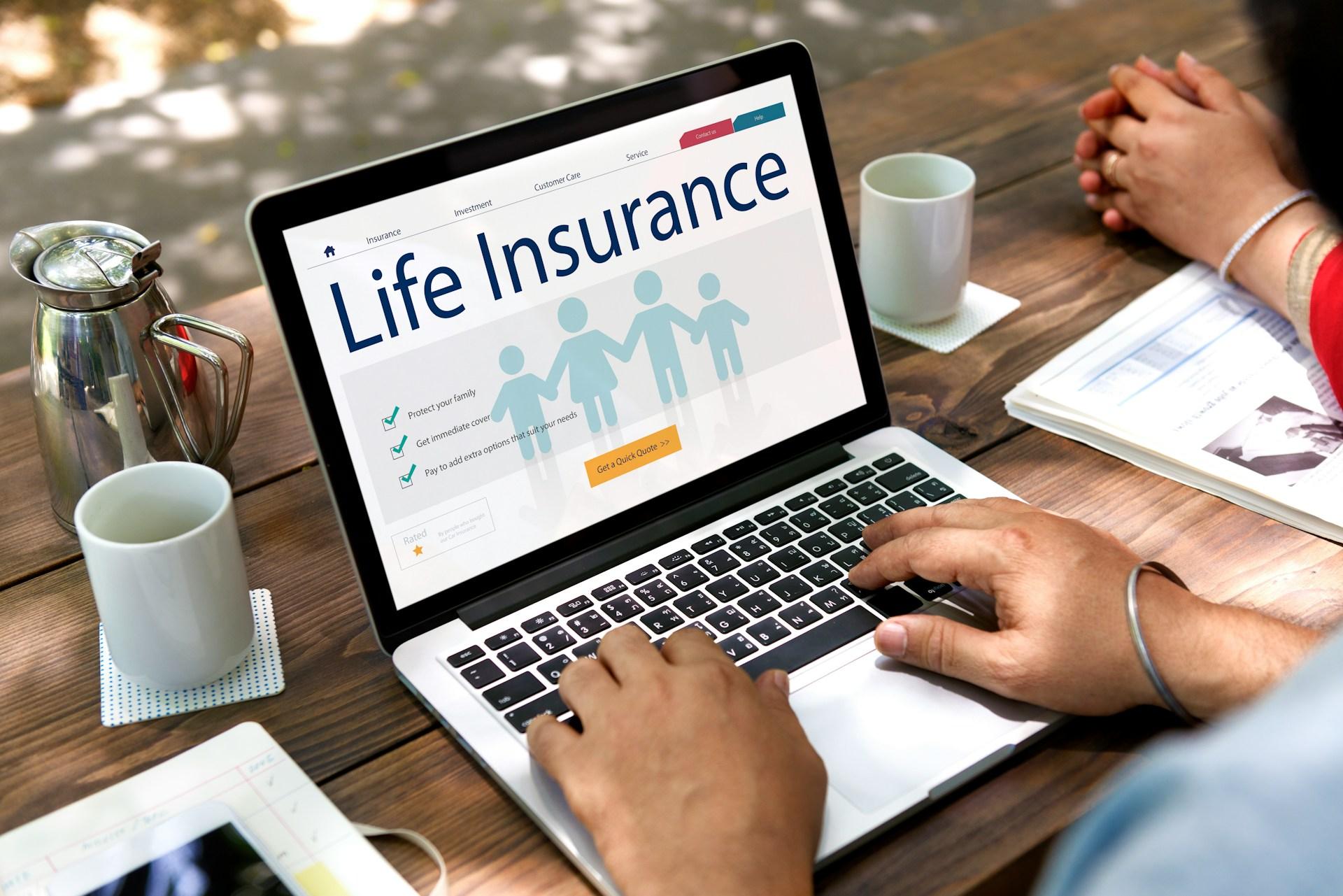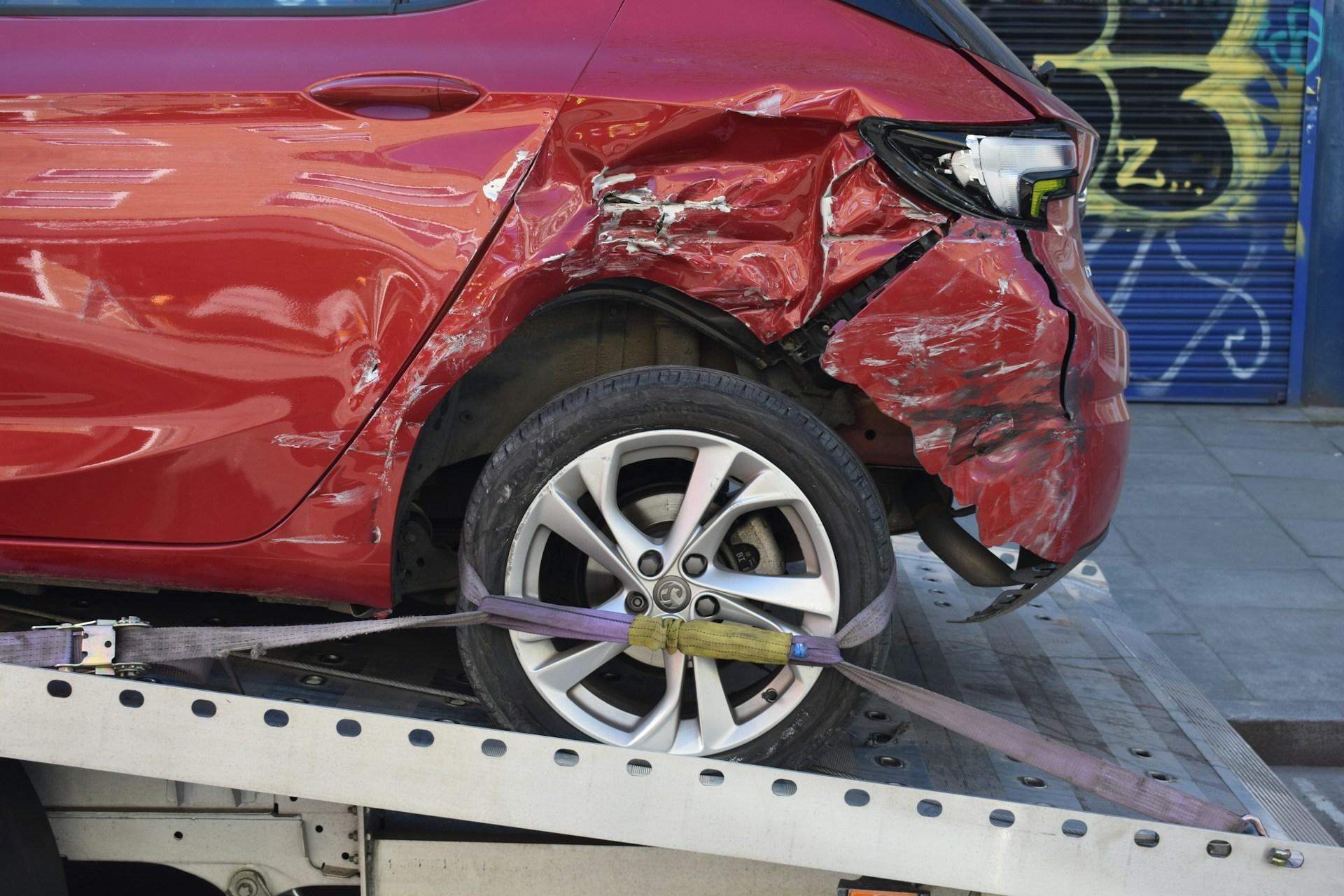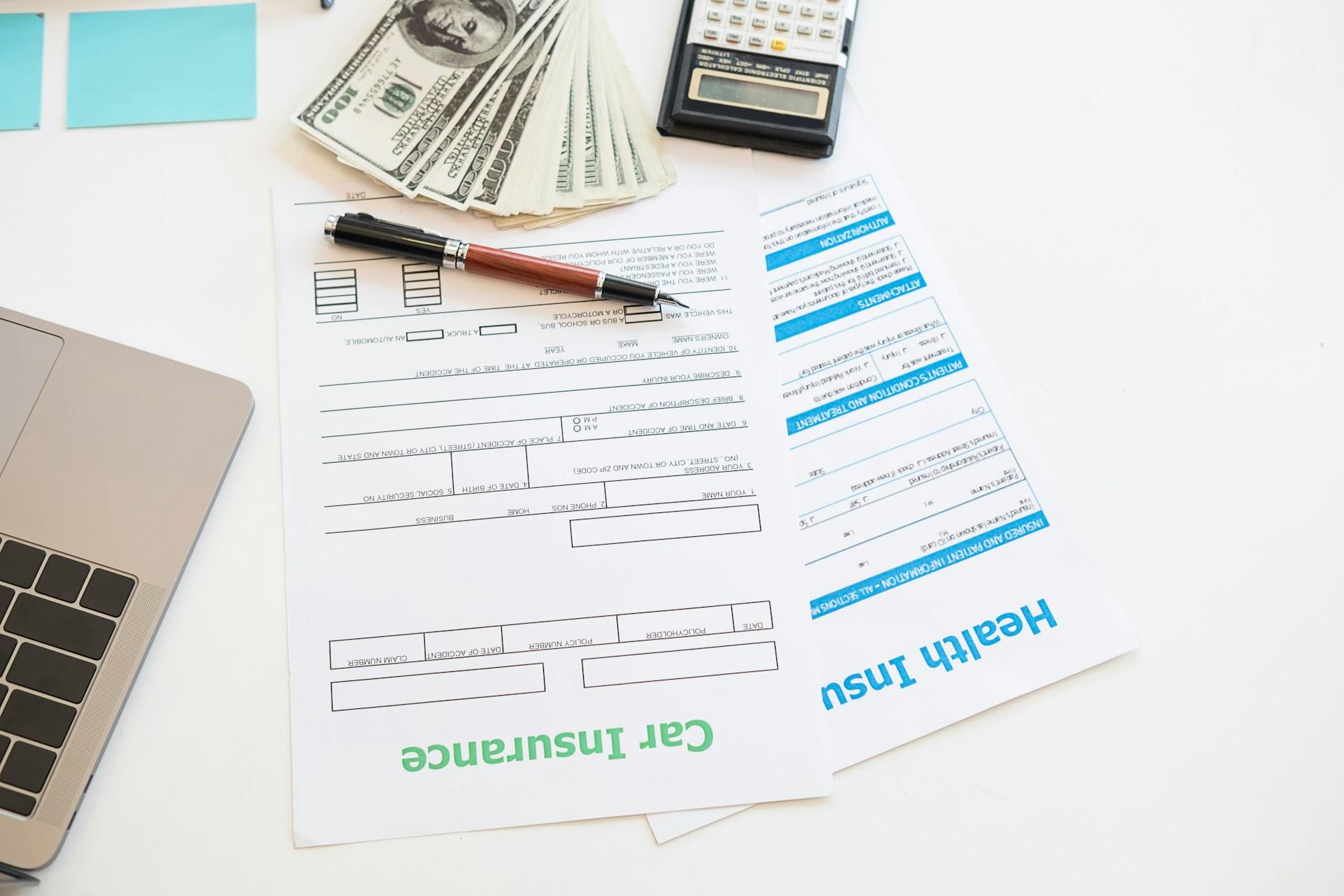
Most people do not wake up one morning excited to buy insurance. It feels like an unnecessary expense, a payment for a problem you hope never arrives. Yet the reason insurance exists is not because disaster is common. It exists because a small number of events, though rare, can be so expensive and so badly timed that they undo years of careful saving in a matter of weeks. Insurance is the tool that keeps your financial life from being defined by one unlucky moment.
To understand why insurance matters, it helps to think of your finances as having two main pillars. The first is cash flow, the income you earn and depend on to pay your bills, service loans, and fund goals like investing, travel, or building a family. The second is assets, the savings and investments you have already accumulated, the money you have set aside to create stability and future options. When life goes smoothly, these pillars support each other. You earn, you save, you invest, and your plan slowly becomes stronger. The problem is that certain events can strike both pillars at the same time. A serious illness can lead to immediate medical costs while also reducing your ability to work. A major accident can create rehabilitation expenses alongside legal or liability issues. A sudden disability can transform income from something you take for granted into something that disappears. Insurance exists because these scenarios are not merely expensive. They can be financially destabilizing in a way that is difficult to recover from without long-term damage.
This is why insurance should not be treated as an investment you hope to “win.” Many people resist it because they feel they are paying for something they might never use. But insurance is not designed to be a profit-making product for you. It is closer to a safety device. You do not buy a fire extinguisher to get your money back. You buy it to prevent a small spark from turning into a life-altering loss. The value of insurance is found in what it protects: your ability to keep your long-term plan intact when short-term life becomes chaotic.
Insurance also buys something less obvious but deeply important: time and choice. Without coverage, a crisis forces decisions under pressure. People sell investments at the worst time, take on costly debt, borrow from family, or return to work before they are physically ready. Even if these choices solve the immediate problem, they often create long-term consequences. With the right insurance, you are not forced into a rushed financial scramble. You gain breathing space to recover, to plan, and to choose a path that does not permanently weaken your future.
One of the biggest misunderstandings is the idea that insurance is mainly about dying. In reality, much of insurance planning is about staying alive and needing support. A prolonged illness, ongoing treatment, rehabilitation, or the need for care at home can cost far more than people expect, especially when combined with a period of reduced income. Even in places with strong public healthcare systems, there can be large gaps between access to care and the ability to pay for it without draining your savings. These gaps often appear at the worst possible time, when you have the least energy to handle paperwork, negotiate bills, or restructure your finances.
The purpose of insurance becomes clearer when you separate everyday financial bumps from truly ruinous outcomes. Many things in life are inconvenient and costly, but manageable with a sensible emergency fund. A car repair or a minor outpatient bill can hurt, but it usually does not erase a decade of progress. Insurance is not meant to cover every annoyance. It is meant to protect you from the kind of loss that changes your life, the kind that forces you to abandon plans, postpone goals indefinitely, or rebuild from scratch.
Your need for insurance also depends on how much risk you can realistically carry on your own. Someone with low fixed expenses, a large cash reserve, and no dependents can absorb more shocks without collapsing financially. Someone with a mortgage, children, aging parents, or a business with uneven income often looks stable on paper but is more fragile in real life because their commitments leave little flexibility. The same accident or illness can be survivable for one person and devastating for another. Insurance exists to close that gap.
This is also why the “insurance versus savings” debate is misguided. Savings are essential for predictable costs and smaller emergencies. Insurance is essential for rare but catastrophic events. A strong financial plan uses both. If you rely only on saving, you are trying to build a personal safety net large enough to handle every possible worst-case scenario, which can take decades and still leave you exposed. If you rely only on insurance, you may be paying premiums while remaining vulnerable to the everyday costs that policies often do not cover well. The goal is balance, where savings handle the frequent and manageable, and insurance handles the infrequent and destructive.
In many cases, the most underestimated risk is not death but the temporary or long-term loss of earning ability. Your income is often your biggest financial asset, especially early and mid-career. If that income stops for months, what breaks first? Rent, mortgage payments, loan instalments, school fees, or caregiving responsibilities rarely pause just because you are unwell. Income replacement coverage exists because the financial shock of lost earnings can be harsher than the medical bill itself. When you protect your ability to earn, you protect the engine that funds your entire financial future.
Insurance also matters because your life is not isolated. Even if you consider yourself independent, your financial role may be intertwined with others in ways that are easy to overlook. A partner may rely on your income. Parents may depend on your support. A sibling might lean on you quietly in emergencies. If your finances collapse, the impact does not stop with you. It spreads outward. In that sense, insurance is also a form of responsibility, not in a moralistic way, but in a practical way. It prevents hardship from cascading through the people who share your life.
There is also a psychological resistance that is worth naming. Many people feel that buying insurance is like inviting bad luck, as if preparation is the same as prediction. But preparation is not pessimism. It is clarity about what you can and cannot afford to lose. You lock your door not because you expect a burglary tonight, but because the downside of leaving it open is unacceptable. Insurance works on the same principle. It draws a firm boundary around losses that would otherwise have the power to reshape your future.
A practical way to think about it is to protect what you cannot quickly rebuild. You can usually replace a phone or cover a small repair with savings. You cannot quickly rebuild your health, your income, or the compounding effect of years of investments if you are forced to sell them in a crisis. The cost of being uninsured is rarely just the bill. It is the opportunity cost of dismantling a plan you spent years building.
Ultimately, insurance is not about expecting the worst. It is about ensuring the worst does not get to decide your life. A financial plan that only works when nothing goes wrong is not a plan. It is a wish. Insurance turns your plan into something sturdier, something capable of absorbing a shock without breaking. That is why you need insurance in the first place: not because you are fearful, but because you are protecting your future options against the few events that can take them away in an instant.
 WhatsApp
 Instagram
 Threads