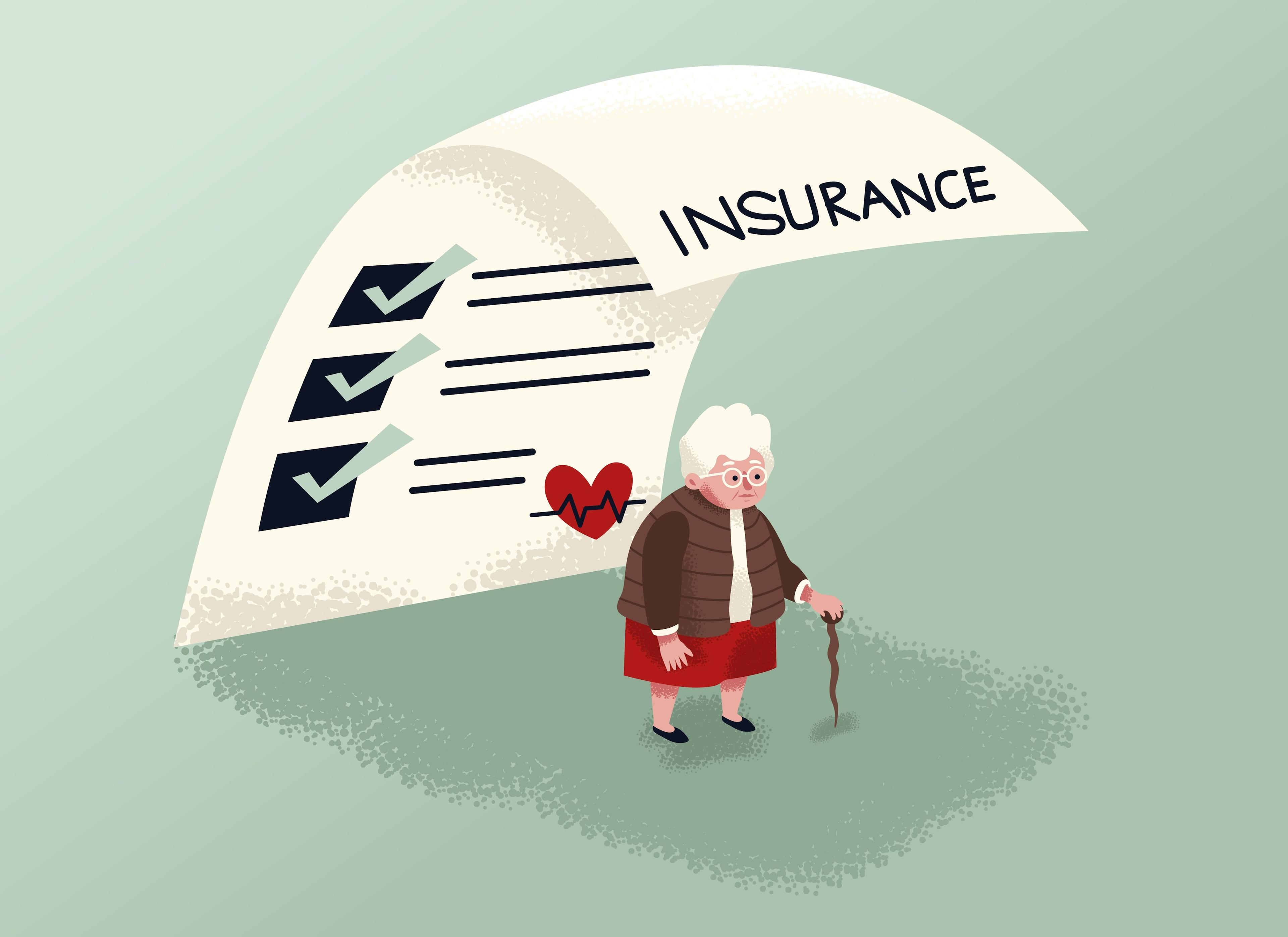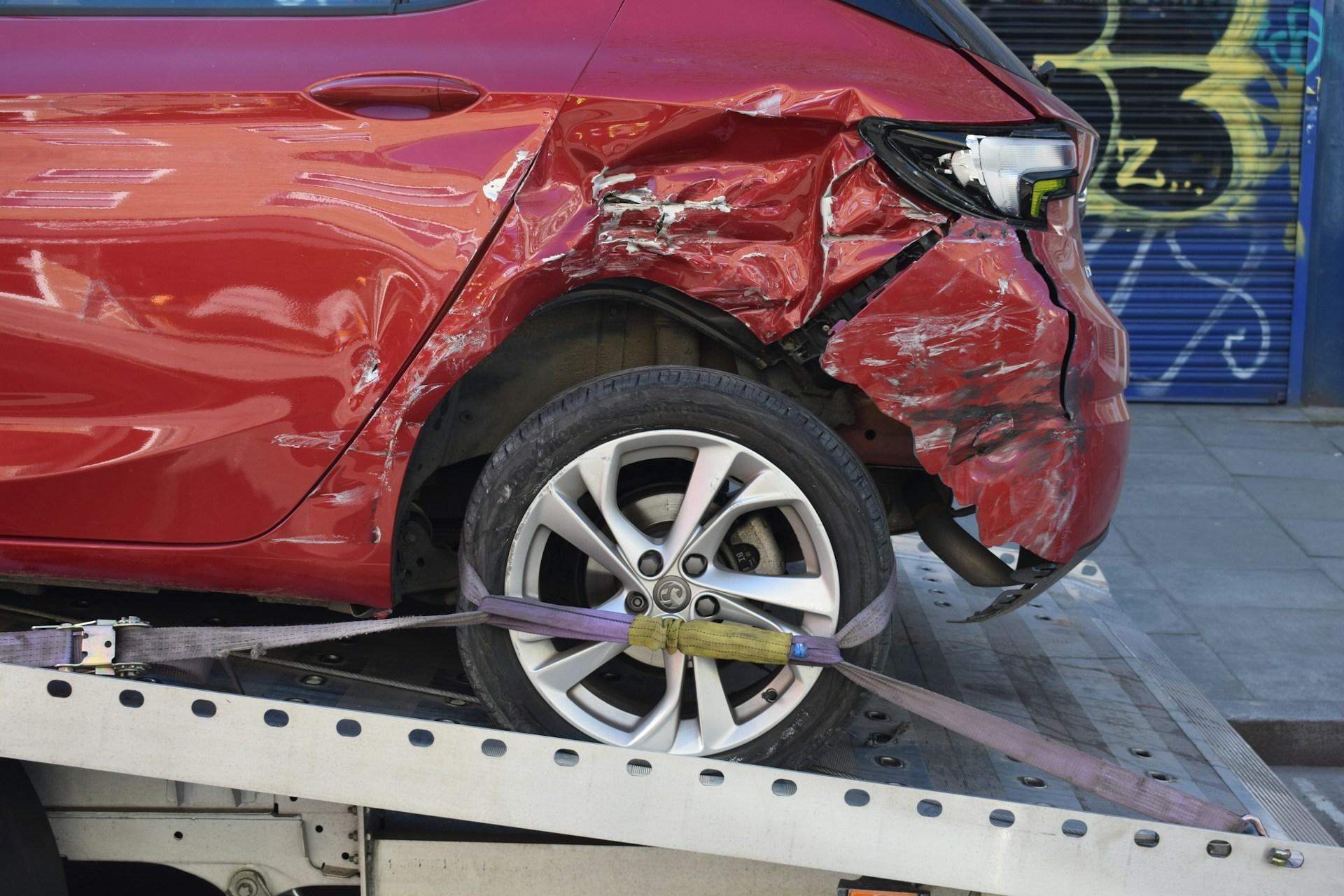
A car insurance deductible can seem like a small detail when you are shopping for coverage, but it has a real impact on both your monthly premium and what you will pay out of pocket when something goes wrong. In the United States, choosing a deductible is essentially choosing how you want to split financial responsibility between you and your insurer. A lower deductible means you pay more upfront through higher premiums, but you face a smaller bill after a covered incident. A higher deductible usually reduces your premium, but it increases the amount you must pay before insurance starts contributing to repairs. Understanding this tradeoff helps you choose coverage that matches your cash flow and your ability to handle unexpected expenses.
At its core, a deductible is the amount you agree to pay first on certain types of claims. If you have a $1,000 deductible and a covered repair bill of $4,000, you pay $1,000 and the insurer pays the remaining $3,000, assuming the claim is approved and within the policy’s limits. If the damage costs less than your deductible, you effectively pay the full amount yourself because the insurance payout would be zero. This is why deductibles matter so much. They determine not only how expensive a major accident feels, but also whether smaller incidents are even worth filing a claim for.
In most standard US auto policies, deductibles usually apply to collision and comprehensive coverages. Collision coverage generally pays for damage to your vehicle from crashes or impacts, regardless of fault, such as hitting another car or backing into an object. Comprehensive coverage usually applies to non-collision events, such as theft, vandalism, hail, falling objects, or hitting an animal. Liability coverage, which pays for injuries and property damage you cause to others, typically does not involve a deductible. Because deductibles are mainly connected to damage to your own vehicle, they primarily influence the cost and usefulness of protecting your car rather than the legal protection you provide to others.
One of the biggest ways deductibles affect your insurance is through your premium. When you choose a higher deductible, you are accepting more financial responsibility for the first portion of a loss. From an insurer’s perspective, that reduces how much they are likely to pay across the policy period, because you will cover more of the cost and you are less likely to file claims for smaller amounts. In many cases, that lower expected payout translates into a lower monthly premium. The opposite is also true. Choosing a low deductible shifts more of the risk to the insurer, which can lead to a higher premium because the company expects to pay more when claims happen.
However, the relationship between deductibles and premiums is not always linear. Doubling a deductible does not typically cut your premium in half. The savings vary depending on the insurer, your driving record, your location, your vehicle, and how the company prices risk. In some cases, raising the deductible from $250 to $500 might reduce the premium noticeably, while moving from $1,000 to $2,000 might provide only a small reduction. This is why the best approach is not to assume a certain discount, but to compare quotes and decide whether the savings are meaningful for your situation.
Deductibles also have a major effect on your financial stability when something happens. A low deductible can reduce the stress of filing a claim because you know you can likely cover the amount without disrupting your budget. A high deductible can be a smart way to reduce monthly costs if you have the cash savings to handle it easily. The problem arises when someone chooses a high deductible purely to get a cheaper premium, but does not have the money available to pay that deductible. In that situation, a claim can turn into a financial emergency, forcing the driver to rely on credit cards, borrow money, delay repairs, or keep driving a vehicle that is not fully safe. The premium savings can quickly disappear if the deductible pushes you into expensive debt or creates other costly consequences.
Beyond the financial aspect, deductibles also influence your behavior around claims. When a deductible is low, drivers may be more willing to file a claim for moderate damage because the out-of-pocket cost feels manageable. When a deductible is high, people are more likely to pay for mid-range repairs themselves, especially when the repair cost is close to the deductible. This matters because filing claims can sometimes affect future premiums, depending on state rules, insurer pricing practices, and whether the claim involves fault. Even if every claim does not automatically raise your rate, a pattern of frequent claims can affect how an insurer views your risk profile. A higher deductible often leads to fewer claims because it raises the threshold for when filing feels worthwhile. It is also important to remember that deductibles can apply per incident. If you have two separate covered events in a year, you may pay the deductible twice. For example, a parking lot hit-and-run in one month and a deer collision later in the year could each trigger a separate deductible. This makes it even more important to select a deductible that you can comfortably afford more than once, not just in a best-case scenario but also in a year when you have bad luck.
The value of your vehicle can also shape how you should think about deductibles. Newer or more expensive cars can lead to higher repair costs, especially because modern vehicles often have sensors and technology that increase the price of routine repairs. In those cases, selecting a deductible you can pay without stress helps ensure you can repair the vehicle promptly after an accident. For older cars with lower market value, carrying collision and comprehensive with a high deductible may be less appealing because you could be responsible for a large portion of the car’s value before insurance pays anything. Sometimes the more practical decision for an older, fully paid-off vehicle is to reassess whether collision coverage makes sense at all. While this depends on personal risk tolerance and savings, deductibles are central to that decision because they determine how much meaningful protection the policy actually provides.
If you are financing or leasing a car, your options may be limited. Lenders and leasing companies often require you to carry collision and comprehensive coverage, and they may set a maximum deductible allowed. This is because the vehicle serves as collateral, and the lender wants assurance that damage will be repaired without delays. In those situations, the deductible choice becomes a balancing act within the restrictions of the financing agreement, rather than a completely flexible decision.
Choosing the right deductible is ultimately about aligning the policy with your real financial capacity. A practical way to think about it is to compare the deductible to your cash buffer. If you had to pay that deductible tomorrow, would it simply be inconvenient, or would it disrupt your ability to pay bills and manage daily expenses? If the deductible would create a problem, it is probably too high for your current situation. If you can pay it from savings without derailing your finances, then accepting a higher deductible in exchange for a lower premium might be reasonable.
In the end, deductibles are not just a technical insurance term. They are a key factor that shapes how much you pay each month, how much you pay when you need repairs, and how you respond to smaller incidents. A deductible that matches your savings and your comfort level can make car insurance feel like protection instead of a source of financial stress. The best choice is the one that keeps your premium affordable while ensuring that a claim does not become a crisis.
 WhatsApp
 Instagram
 Threads