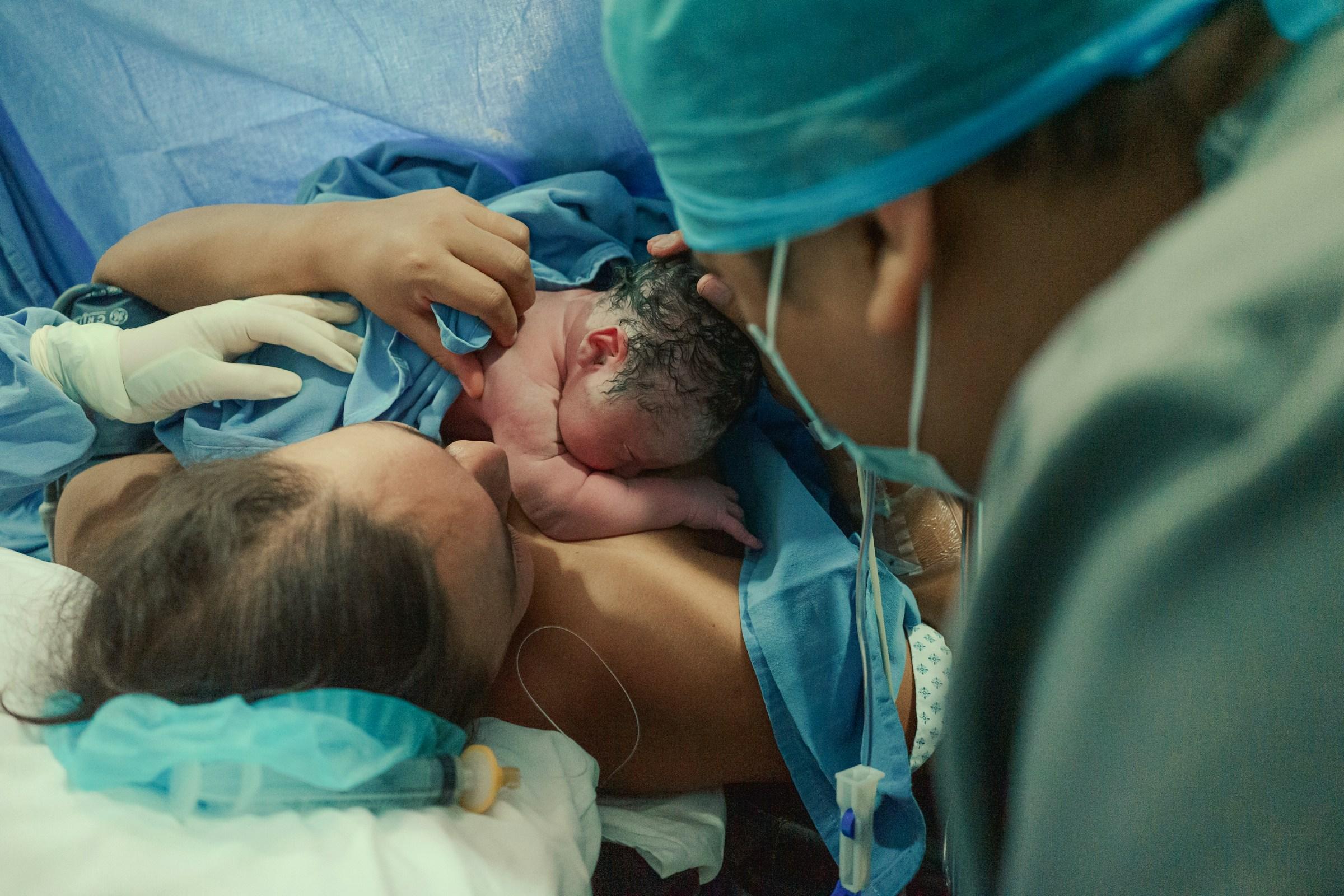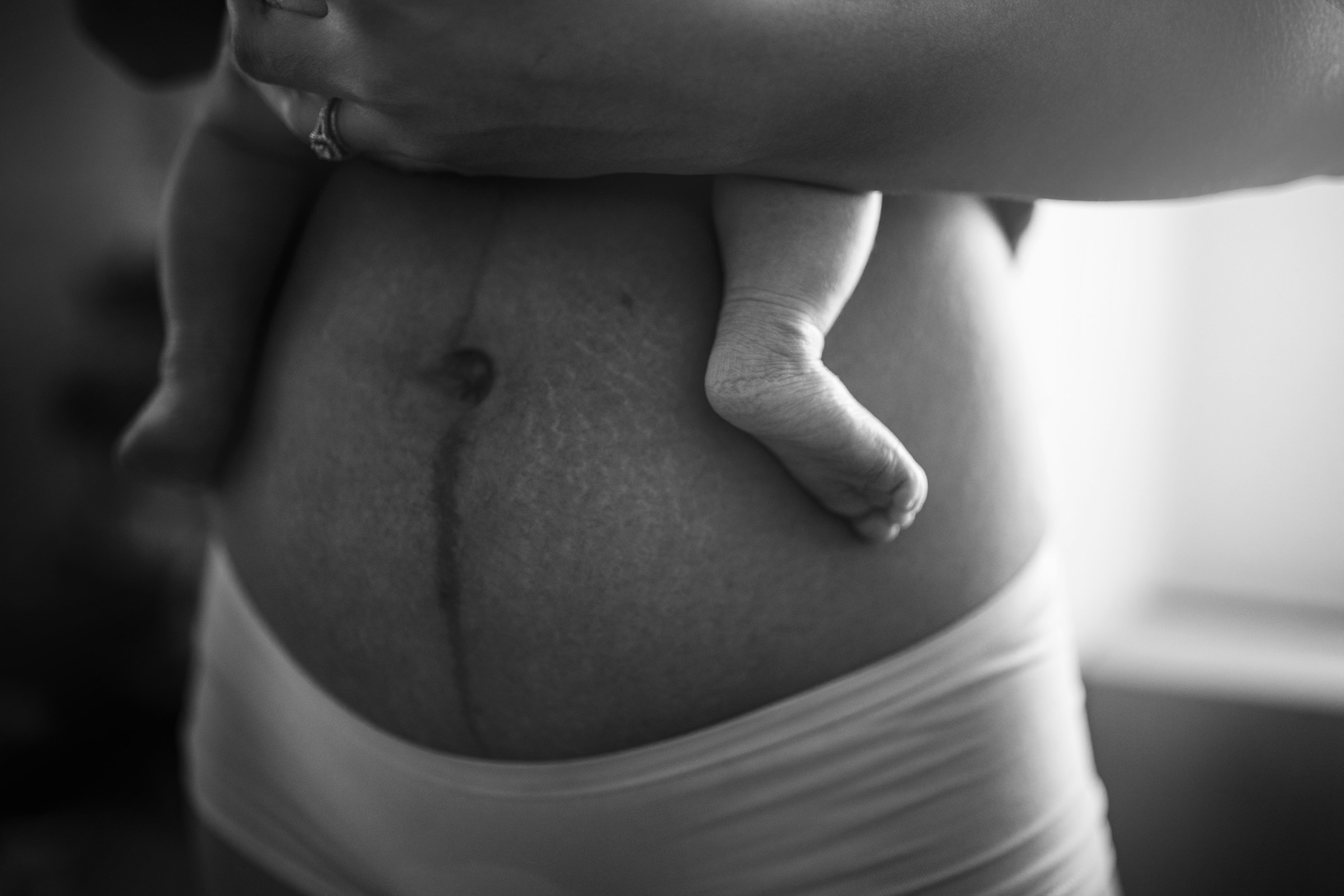
If you are in the first weeks after giving birth and feel unusually warm all the time, you are not imagining it. Many new mothers notice that their body seems to run hotter during recovery. Nights can be filled with sudden sweating, cheeks feel flushed for no clear reason, and a light blanket can suddenly feel too heavy. This experience can be confusing, especially when everyone around you is focused on the baby while your body feels like it has its own climate system. The extra heat you feel is not a sign that something has gone wrong. It is often a sign that your body is adjusting from pregnancy to recovery. During pregnancy, almost every system in your body shifts to support the growing baby. After birth, those systems do not simply switch back instantly. Instead, your body slowly recalibrates, and the increase in warmth, hot flashes, or night sweats is often part of that process.
Hormones are one of the main reasons for these changes. Throughout pregnancy, levels of estrogen and progesterone are higher than usual. These hormones play a role in maintaining the pregnancy and supporting the baby. When the baby is born and the placenta is delivered, those hormone levels drop sharply. This sudden shift affects the hypothalamus, the part of your brain that helps regulate body temperature. When hormone levels change quickly, the hypothalamus can become more sensitive, so small changes in body temperature are interpreted as big ones. The result can be hot flashes, sudden warmth, and sweating that feels out of proportion to your surroundings.
Another major factor is fluid loss. During pregnancy, your body increases blood volume and retains more water to nourish and protect both you and your baby. After delivery, your body no longer needs all that extra fluid. One of the ways it clears the excess is through sweating. This is especially noticeable at night. Many postpartum women wake up soaked in sweat, even when the room is cool. It can feel uncomfortable and disruptive, but it is often simply the body’s way of shedding water and returning fluid levels to a more usual range.
Breastfeeding can add another layer to this picture. Producing milk requires energy, and that process generates warmth. Many mothers notice that they feel hotter while nursing or during letdown. Hormones such as prolactin and oxytocin, which are involved in milk production and bonding, can also affect circulation and how warm or cold you feel. The act of holding a baby close, skin to skin, and staying in one position for long periods can increase the sensation of heat as well. This combination of hormonal signals and physical contact makes it natural to feel warmer during and after feeds.
The healing process itself also uses energy, which may translate into sensations of warmth. After birth, your body is repairing tissue, contracting the uterus back to its pre pregnancy size, and gradually adjusting organs and muscles that were shifted during pregnancy. All of this internal work requires metabolic activity. When your body is working hard internally, you may feel hotter or more sensitive to temperature changes, even when the actual environment has not changed.
Sleep disruption tends to amplify these sensations. Postpartum life rarely follows a steady sleep schedule. You might be awake at odd hours, getting only short naps, and constantly on alert for the baby’s needs. Lack of sleep affects the nervous system, stress hormones, and how your body regulates temperature. When you are exhausted, your threshold for discomfort becomes lower. A slightly warm room can feel stifling. A small rise in body temperature can feel intense. The combination of hormonal swings and poor sleep makes warmth feel more extreme than it might have felt before pregnancy.
Emotions play a quiet but powerful role as well. The postpartum period is filled with new responsibilities, changing identity, and sometimes pressure to appear as if you are coping smoothly. You might be adjusting to feeding routines, dealing with visitors, or juggling older children. Feeling overheated in your own skin can increase frustration or anxiety. You may find yourself frequently changing clothes, turning on fans, or apologizing for asking others to adjust the air conditioning. These are not signs of weakness. They are normal responses to a body that is already under physical and emotional strain.
Cultural traditions around the postpartum period often reflect different beliefs about heat and cold. In some traditions, new mothers are kept warm, covered, and given hot foods and drinks to protect their bodies from cold. In others, the focus is on keeping the temperature neutral and prioritizing comfort. No matter the tradition, the underlying recognition is similar. The postpartum body is in a sensitive state, and temperature matters. The rituals and rules may vary, but they are all attempts to support a body that is in transition and more vulnerable than usual.
On a practical level, you may start to notice how much these heat changes shape your daily routine. Breathable, loose clothing suddenly becomes a priority. You may want cotton sheets instead of synthetic fabrics. Some new mothers keep a towel on the bed or an extra set of sleepwear nearby to make it easier to deal with night sweats. Others find relief in cool showers, light blankets, or sleeping with a fan on a gentle setting. These details might feel small, but they can make the adjustment period more manageable and help you feel a little more at home in your changing body.
It is also reassuring to know that for many people, these intense heat changes are temporary. As hormone levels settle, fluid balance normalizes, and the body moves further away from the immediate postpartum period, the dramatic hot flashes and sweats often ease. This can take weeks and sometimes a few months, and the timeline is different for everyone. There is no standard schedule that your body must follow. The process of recalibration is unique to your health, your pregnancy, your birth experience, and your current lifestyle.
At the same time, it is important not to ignore signs that suggest something more serious than normal postpartum adjustment. Heat that comes with a high fever, chills, strong pain, a racing heartbeat, or feeling very unwell may point to an infection or another medical issue such as a thyroid problem. Postpartum thyroid changes can cause symptoms like feeling too hot, anxious, or unusually tired. If your sense of heat is extreme or comes with worrying symptoms, it is worth reaching out to a health professional. Trusting your instincts and seeking help does not mean you are overreacting. It means you are respecting your own recovery.
Much of the attention during this period is directed toward the baby, and it is easy to downplay what is happening in your own body. Yet your postpartum heat, night sweats, and changes in comfort are signs that your system is working through a major transition. Your body has spent months supporting another life. Now it is relearning how to be in its own rhythm again. The warmth you feel is part of that adjustment.
You are allowed to respond to these sensations with kindness. You can open a window, ask to turn on the fan, change your clothes as many times as you need, or rearrange your sleeping setup in a way that makes you feel less overwhelmed by heat. Caring for a baby and caring for yourself are not competing priorities. They are both essential. In time, these intense temperature swings will usually soften. You may wake up one morning and realize that the sheets are dry, your skin feels comfortable, and your body no longer swings from cold to hot quite so quickly. Until then, every extra degree of warmth is a reminder of the unseen work your body is doing. It is recovering, recalibrating, and adapting to life after pregnancy, one flushed cheek and one sweaty night at a time.
 WhatsApp
 Instagram
 Threads