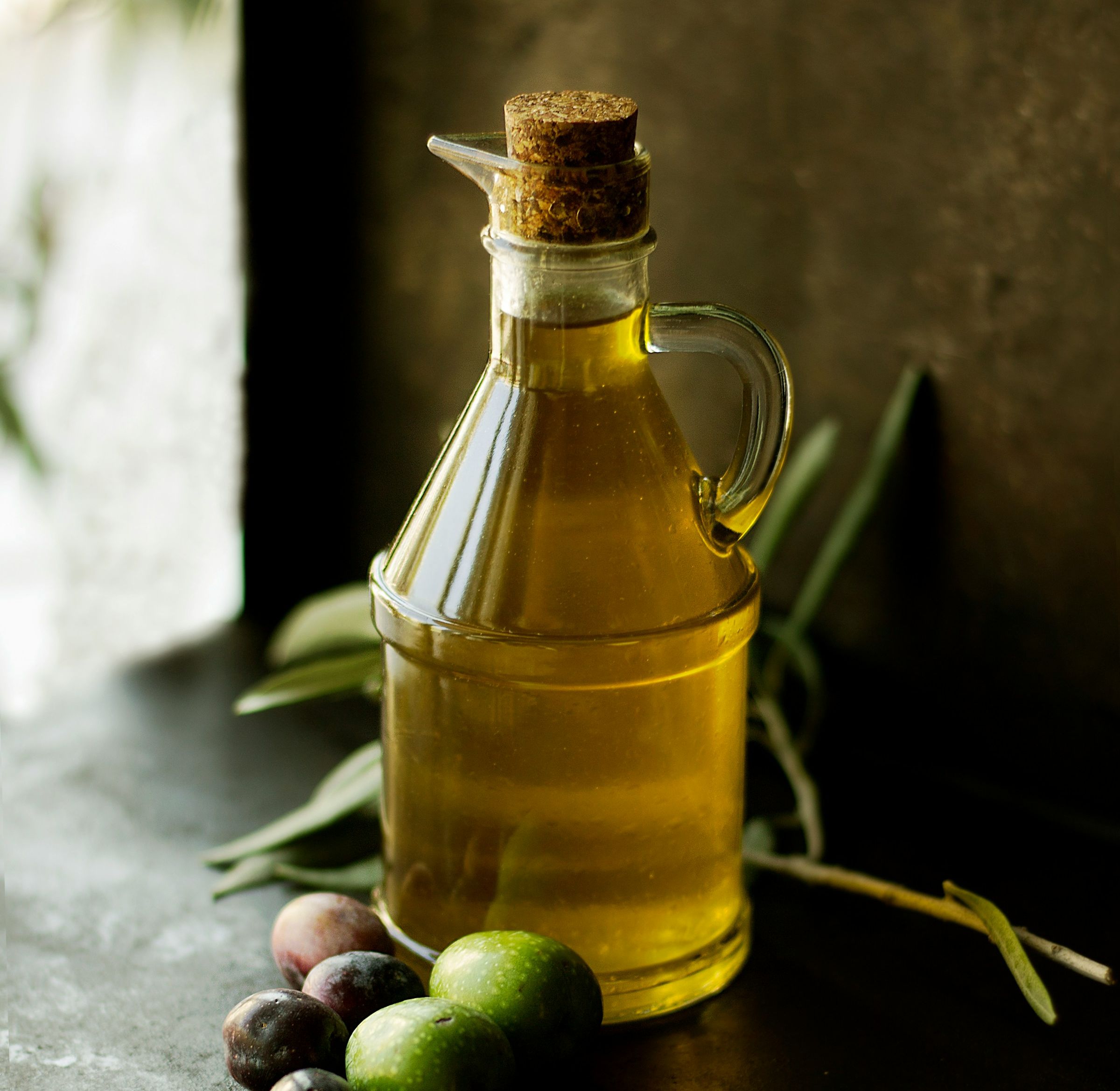
High polyphenol olive oil has quietly become a character in modern wellness culture. It appears in slow motion drizzle videos, in carefully curated kitchen shots, in captions about morning rituals and longevity. The bottle on the counter is no longer simply a cooking fat. It has turned into a statement that you care about the tiny details of what you eat. Behind that simple phrase, “olive oil high in polyphenols,” is a surprisingly intricate story about plants, climate, harvest timing, technology, and the way we choose to store and use what ends up in our kitchens.
Polyphenols themselves are plant compounds that act as antioxidants. In olive oil, they are responsible for much of the complexity that people either love or find too intense at first. They bring a bitter edge at the front of your tongue, a sharp peppery tickle at the back of your throat, and a lingering depth that makes the oil feel more alive than neutral. That sensation is the first clue that there is more going on than just “healthy fat.” Polyphenols help protect the oil from breaking down too quickly, and they are linked in research to benefits for heart and brain health, although no single bottle of oil is a magic cure. When people talk about an oil being high in polyphenols, they are really talking about maximizing these protective, flavorful compounds.
The story begins with the olive tree itself. Not all olives are equal when it comes to polyphenols. Some varieties, such as Koroneiki from Greece or Picual from Spain, naturally produce more of these compounds. These are often the olives behind oils that taste bold, grassy, or pleasantly bitter. Other varieties lean toward a softer, buttery profile and usually come with lower polyphenol levels. When a producer chooses to work with a more intense variety, they are already nudging the oil in a higher polyphenol direction. That choice is both an agricultural and an aesthetic decision, because it influences not only the health profile, but also the style of the final oil.
Ripeness is the next quiet influence. Polyphenols are usually more concentrated when the olive is still firm and green rather than soft and fully ripe. Early in the season, olives contain less oil by volume, but what they do contain is dense with flavor and antioxidants. Many “high polyphenol” labels highlight that they are “early harvest” or “green harvest” oils. This simple phrase reflects a meaningful tradeoff. By picking early, a producer sacrifices some yield. They get fewer liters per tree, yet what they do get has a more powerful character and a higher polyphenol count. When you pay more for this kind of oil, part of the price covers that intentional sacrifice in volume for the sake of concentration.
Climate layers itself quietly over these choices. Olive trees thrive in sun, and when conditions are slightly stressful, such as in hot, dry environments, they can respond by producing more protective compounds. Polyphenols are part of that natural defense system. Altitude, sunlight hours, the minerals in the soil, and irrigation patterns add their fingerprints too. A tree that struggles just enough, without being pushed into real damage, tends to create fruit that carries a richer chemical story. This is why some producers speak at length about their specific valley, hillside, or coastal wind. It is marketing, but it also hints at the subtle ways stress and resilience become flavor and function in your bottle.
Once harvest day arrives, time suddenly matters a lot. As soon as an olive leaves the branch, its chemistry starts to shift. In older or more casual operations, olives might sit in large sacks in the sun or wait in crates for hours or days before being pressed. During that wait, enzymes and oxygen begin to degrade delicate compounds, including polyphenols. Producers who aim for high polyphenol levels treat that waiting time as an enemy. They pick early in the day, often when it is cooler, keep the fruit shaded and well ventilated, and rush it to the mill as quickly as logistics allow. This alone can make a noticeable difference in the final profile.
The way olives are harvested also leaves a mark. Mechanical shakers and harvest machines can be efficient, especially for large orchards, but they can bruise the fruit. Bruising opens the way for oxidation and faster breakdown of polyphenols. Hand picking, or at least gentler methods that avoid heavy pressure and crushing, helps preserve the integrity of each olive. It is slower, more labor intensive, and often more expensive. This is part of the reason you see brand videos of calm workers carefully carrying small bins of olives across a field. It is not only about rustic charm. It is a visual shorthand for the care taken to protect fragile compounds that consumers never directly see.
When the olives reach the mill, the technical part of the story becomes central. To keep polyphenols intact, the oil needs to be extracted at relatively low temperatures and with minimal exposure to oxygen. This is what people mean when they talk about “cold extraction” or “cold pressed” extra virgin olive oil. The harvested olives are washed and crushed into a paste. That paste is gently mixed to allow tiny droplets of oil to merge. Then, instead of using high heat, modern mills rely on centrifuges to separate the oil from water and solids. This mechanical, low temperature approach helps preserve the natural antioxidants and aromas.
The “extra virgin” label signals more than just quality in taste. It indicates that the oil has been extracted mechanically, without chemical solvents, and that it meets certain limits for acidity and defects. Refined olive oils, by comparison, often undergo high heat and aggressive filtering to remove imperfections. This process creates a milder, more stable oil, but it also strips away many of the polyphenols and much of the flavor complexity. If you are looking for olive oil high in polyphenols, extra virgin is the category where you will find it, and early harvest extra virgin is usually where you find the most intense examples.
Even details that sound incidental, like how much water is used in the extraction process, can nudge polyphenol levels. In some systems, water is added to help separate the phases, but too much water can actually wash away water soluble polyphenols. Producers chasing high polyphenol counts often adjust their methods to reduce this loss. The result is an oil that might be more robust, sometimes slightly cloudy at first, and deeply aromatic. It is not always the smooth, golden liquid people grew up seeing in old recipe books. Instead, it looks and tastes more like something very alive and freshly made.
After extraction, the work is not over. Polyphenols are sensitive to light, heat, and oxygen. How the oil is stored and packaged can either protect or quietly erode them over time. Dark glass bottles, metal tins, or other opaque containers are more than an aesthetic choice. They shield the oil from light, which accelerates oxidation. Producers who focus on polyphenol preservation design their packaging accordingly. They avoid clear bottles that may look pretty on a shelf but let every ray of light in.
Oxygen is another slow enemy. Every time you open a bottle, a bit of air enters and begins reacting with the oil. Over weeks and months, this lowers the polyphenol content and flattens the flavor. This is one reason smaller bottles are often a smarter choice if you truly care about polyphenols. A half liter that you finish within a couple of months will almost always deliver more of what you paid for than a large bottle that sits half full near a warm stove for half a year. Storage temperature matters as well. A cool, dark cabinet is a kinder home for your oil than a sunny open shelf.
Freshness ties all of these threads together. Polyphenol levels naturally decline as time passes, no matter how careful the producer has been. An oil from the latest harvest will usually contain more of these compounds than one that has been sitting around for two or three years, even if both started strong. Serious producers print harvest dates on the label, not just distant “best before” dates. For consumers, the harvest date becomes a quiet compass for choosing an oil that still has much of its original vitality intact.
Most people, of course, will never send samples of their oil to a lab to measure exact polyphenol levels. Instead, they rely on signs and sensations. A high polyphenol oil will generally taste bold, with noticeable bitterness and a peppery sensation that might make you cough once or twice when taken on a spoon. The label may mention early harvest, a specific variety known for intensity, and a recent harvest year. The bottle will probably be dark or opaque. These details together are the everyday language that stands in for a complex chemical analysis.
What makes all of this interesting is how science and lifestyle meet. Research into polyphenols suggests that they help protect cells from oxidative stress and may support long term heart and brain health. This does not turn olive oil into a medicine, but it does fit into a broader movement of treating food as a daily investment in how we feel and function, not just as fuel. High polyphenol olive oil becomes a small, repeatable habit that aligns with that philosophy. It feels like a gentle, enjoyable way to take care of yourself instead of another chore.
At the same time, the bottle itself carries social meaning. Choosing an olive oil high in polyphenols hints that you read labels, care about where your food comes from, and think about the long term. In a kitchen full of objects, that one dark green or metal tin becomes a small symbol of intention, sitting next to your favorite mug, your reusable water bottle, and your jar of overnight oats. It is chemistry, but it is also culture.
In the end, nothing mystical turns an ordinary oil into a high polyphenol one. It is a chain of grounded, practical decisions. A variety that naturally produces more antioxidants. A choice to pick olives while they are still green and firm. Harvesting and milling that are fast and gentle. Extraction that respects temperature and limits oxygen and water. Packaging that shields the oil from light and air. Storage and usage that treat it as something living, not just another commodity. When all of these pieces line up, what you pour over your salad or spoon into your soup is not only flavorful, but also quietly powerful.
You do not need to drink olive oil straight from the bottle to participate in this story. Simply paying attention to how you choose, store, and use it is already part of the shift toward seeing small, everyday habits as part of your wider wellbeing. In that sense, every drizzle of high polyphenol olive oil is more than a finishing touch. It is a daily gesture, a way of saying that caring for your future can also taste very good right now.
 WhatsApp
 Instagram
 Threads