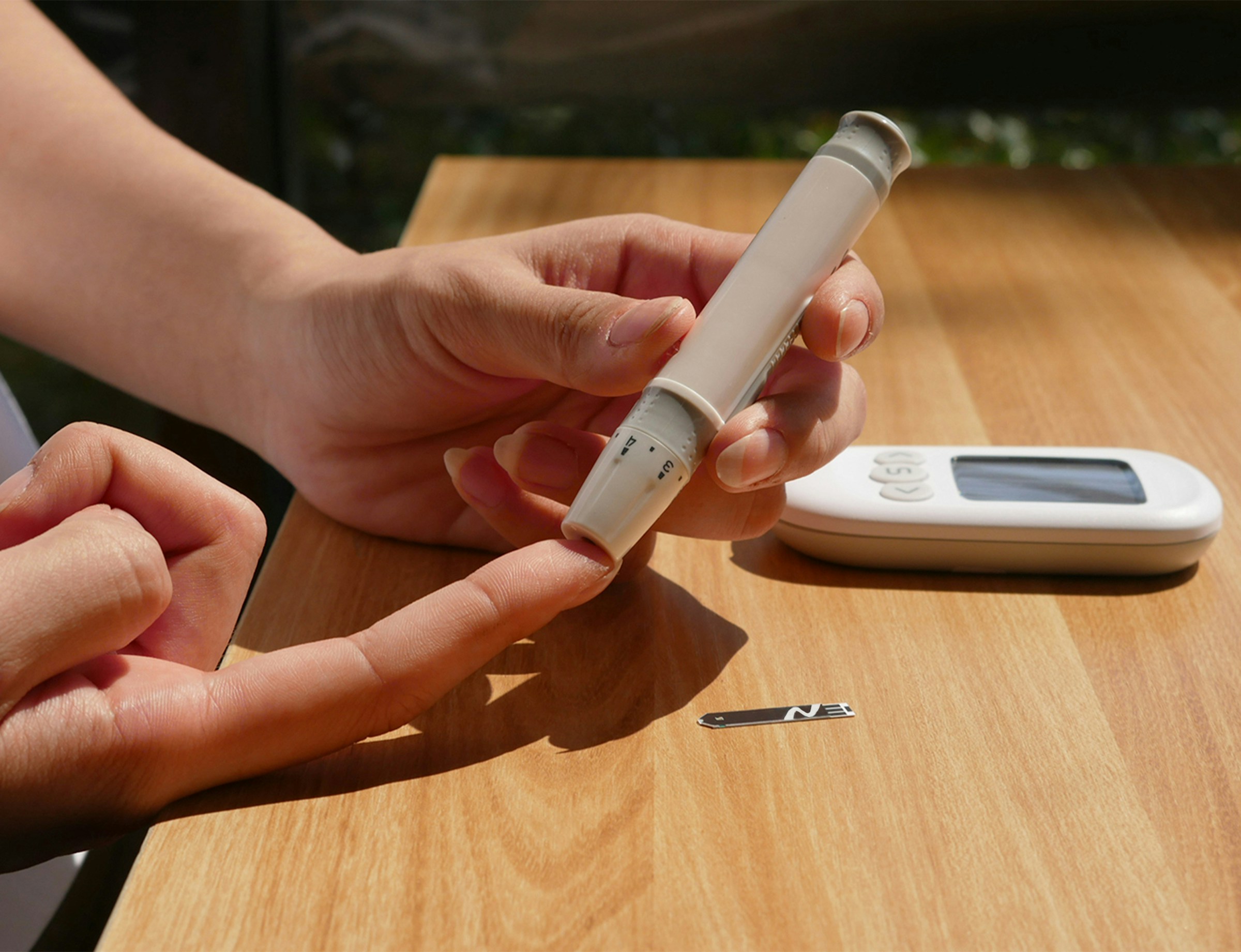
When people ask how to reduce blood sugar level immediately, they are usually not thinking about long term nutrition plans or exercise routines. They are thinking about how they feel in this exact moment. Their head might feel heavy, their mouth dry, their thinking slow and foggy after a big meal. For those living with diabetes, a high reading on the glucometer can also trigger real fear. In that state, nobody wants vague advice about lifestyles. They want to know what they can safely do in the next few minutes and hours to help their body cope, and when they should stop trying to manage things alone and seek medical help instead.
It helps to distinguish between two very different situations. On one side, there are mild to moderate spikes in blood sugar in someone who is otherwise relatively stable. On the other side, there are potentially dangerous levels of hyperglycemia, often in people with diabetes or certain medical conditions. Simple home strategies belong only in the first category. Once symptoms are severe or blood sugar is very high and not coming down, it stops being a self management issue and becomes a medical problem that requires professional care. Framing things this way protects you from taking false comfort in home remedies when your body is actually signalling for help.
For short term control, it can be useful to think in terms of levers that you can move. Movement, hydration, food choices, stress levels, sleep, and prescribed medications all influence what your blood sugar does over the course of a day. None of them can erase a high carbohydrate meal that you just ate. None of them can completely override genetics or long standing insulin resistance. But together they can help your body pull glucose out of the bloodstream more effectively, soften the height of a spike, and prevent it from staying high for longer than it should.
Movement is usually the most immediate and accessible lever. After you eat, your muscles are like sponges for glucose. Light, steady activity helps them soak up more sugar from your blood. This does not mean pushing yourself through a high intensity workout that leaves you gasping. Very hard exercise in the middle of a big spike or a low can actually be stressful on your body and may complicate blood sugar control. Instead, the goal is gentle but purposeful movement. A fifteen to thirty minute walk after a meal, a comfortable cycling pace, or simply walking up and down a corridor at home can all help. As long as you are breathing a little faster but still able to speak in full sentences, you are in the right zone. This kind of movement acts as a support, not a shock.
Hydration is another practical step. When blood sugar rises, your body pulls water out of cells and increases urine production. That contributes to the intense thirst and tiredness that many people notice. Drinking plain water in small, regular sips helps your kidneys filter and excrete some of the excess glucose and supports better circulation. There is no need to reach for sweetened drinks or juices in this situation, because they bring more sugar into the system. For many people, plain water is enough. Anyone with kidney disease, heart failure, or a fluid restriction should follow their doctor’s advice on how much to drink, rather than taking general statements as personal instructions.
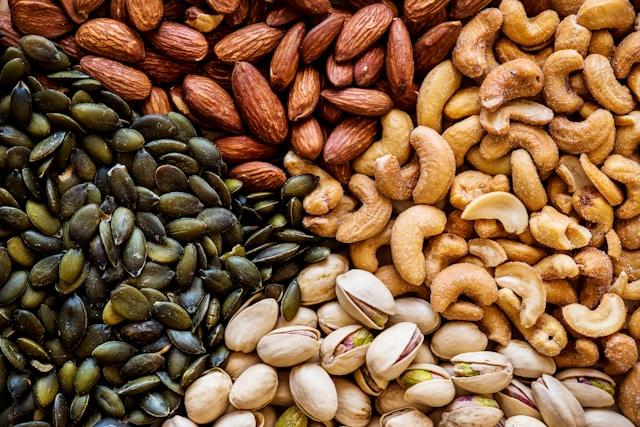
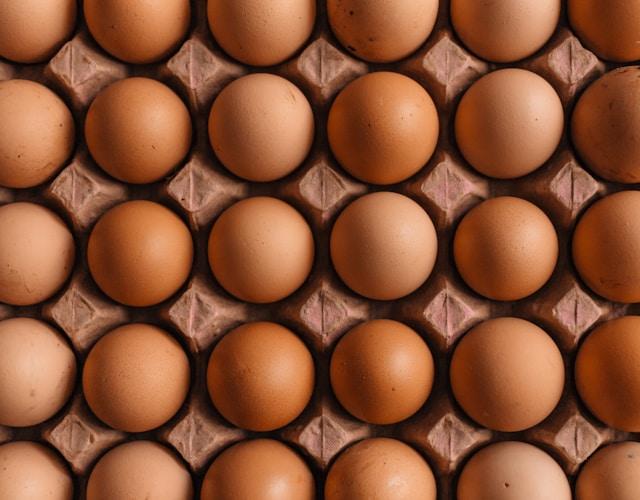
Food choices in the hours around a spike also matter, even though they cannot reverse what you have already eaten. If your blood sugar is high but you are still hungry, it is better to choose foods that do not push it higher. Protein and fiber are your allies here. Eggs, tofu, chicken breast, lentils, Greek yogurt, edamame, or a handful of nuts can be combined with non starchy vegetables such as leafy greens, cucumbers, tomatoes, bell peppers, or steamed broccoli. This combination slows digestion, steadies the flow of glucose into your bloodstream, and gives your body time to process it. What you want to avoid in that window is layering more fast acting carbohydrates and sugars on top of the spike. That means postponing sweet drinks, large glasses of fruit juice, desserts, or extra big portions of white rice, white bread, or noodles until your blood sugar has had time to come down.
The way you sequence food can also make a noticeable difference. Starting a meal with vegetables and protein before eating the carbohydrate portion can lead to a gentler rise in blood sugar afterwards. For some people, including a small amount of vinegar, such as a salad dressed with a simple vinaigrette, can also slightly improve post meal glucose responses. Over time, you might notice that certain foods or combinations consistently lead to much bigger spikes than others. Those patterns are not a sign that you are failing. They are simply information about your personal triggers and tolerance, and they help you design meals that are kinder to your system.
Stress is another factor that often goes unnoticed. Stress hormones like cortisol and adrenaline can push blood sugar higher even if you have not eaten very much. You cannot solve a demanding job, a family crisis, or financial worries in fifteen minutes, but you can shift your body out of its most intense stress state. A few minutes of slow breathing through the nose, inhaling for about four seconds and exhaling for six, can calm your nervous system. So can a brief body scan where you deliberately relax your jaw, shoulders, and hands. Even closing your eyes for two minutes away from bright screens gives your mind and body a chance to reset. These techniques will not magically normalise your readings, but they may prevent stress from adding unnecessary fuel to the fire.
Sleep is a slower lever but still relevant. A chronically sleep deprived body tends to be more insulin resistant, which means higher and sharper spikes after meals. You cannot repair months of poor sleep with one long night, but if your blood sugar has been difficult to manage and you are constantly exhausted, planning for an earlier and calmer night is more useful than people often assume. It is one more way of giving your body the conditions it needs to handle glucose more efficiently the next day.
For people living with diabetes, medication is already part of the plan. In that context, the safest way to bring down a high reading is usually to follow the correction instructions given by your healthcare team. Increasing insulin doses on your own or making big changes in tablets without professional guidance can swing you from a high into a dangerous low. Glucose lowering drugs are powerful tools, but they are meant to be used according to a plan, not improvised in moments of panic. If you are unsure what to do when your readings cross a certain threshold, that uncertainty is a signal to seek advice, not an invitation to experiment.
At the same time, it is crucial to recognise warning signs that suggest a true emergency. Very high blood sugar that stays elevated and will not come down. Repeated vomiting. Deep, laboured breathing. A fruity or unusual smell on the breath. Extreme tiredness, confusion, or difficulty staying awake. Severe stomach pain. These can be signs of conditions such as diabetic ketoacidosis, which can be life threatening. In that situation, walking more or drinking another glass of water is not a solution. You need urgent medical treatment, often including intravenous fluids and carefully managed insulin under monitoring. The fastest safe way to bring blood sugar down in these cases runs through a clinic or hospital, not through home tricks.
Even when the situation is not an emergency, frequent spikes deserve respect. If you catch yourself trying to reduce blood sugar level immediately several times a week, the problem is no longer just about what you do in the next hour. It is about how your whole system is set up. Meal composition, portion sizes, timing of food and medication, daily activity levels, and underlying insulin resistance all influence how often you end up in crisis mode. Working on these upstream factors with your doctor, dietitian, or diabetes educator can reduce the number of urgent situations and make any single spike easier to manage.
Looking at your routine through this lens turns everyday choices into design questions. How often do you eat large servings of refined carbohydrates without meaningful protein or fiber. Do you usually have your biggest meal late at night, then go straight to bed. How many hours do you spend sitting without a short walk. How much sugar hides in your drinks, sauces, or snacks. This is not about blaming yourself. It is about understanding which parts of your daily pattern make life harder for your pancreas and which changes would give it more support.
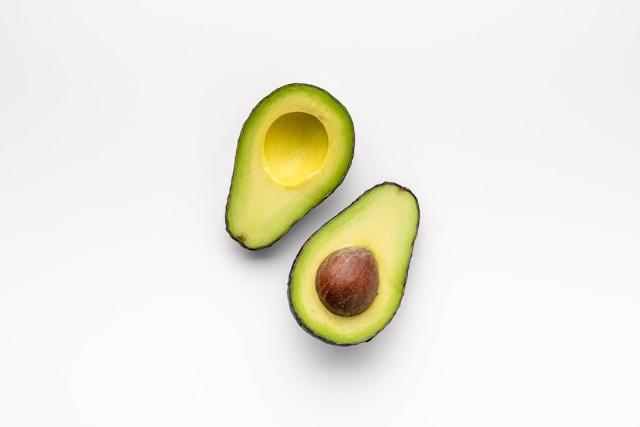
Over time, many people find it helpful to build a default plate structure that works well with their glucose. A simple starting point is to let roughly one third of the plate come from protein, one third from non starchy vegetables, and one third from complex carbohydrates like brown rice, whole grains, or potatoes with the skin, adjusted to personal tolerance. Adding healthy fats, such as olive oil, avocado, or nuts, can slow digestion further and keep you feeling full. Pairing this with short bouts of movement after meals, such as ten to fifteen minutes of walking, turns your entire day into a kind of gentle glucose management rhythm rather than a series of emergencies.
Data from tools like glucometers or continuous glucose monitors can support this process. Instead of fixating on single numbers, you can observe patterns. Perhaps a bowl of white rice at lunch is manageable when you walk afterward, but two bowls at a late dinner followed by hours on the sofa produces a major spike. This is not abstract theory. It is your own body’s response, which is far more valuable than general rules or comparisons with other people. Because age, genetics, hormone status, and coexisting health issues all affect glucose control, two individuals can have very different curves after eating the same meal.
If you have not been diagnosed with diabetes but frequently experience intense thirst, frequent urination, blurred vision, tiredness, or slow healing of cuts and sores, repeated attempts to manage things at home should not replace proper testing. These signs can indicate high blood sugar that needs professional evaluation. Early diagnosis and treatment often prevent complications and make all your other lifestyle efforts more effective.
In the end, the most reliable way to reduce blood sugar level immediately is actually to create a life in which you rarely have to ask that question in a panic. Movement, hydration, thoughtful food choices, stress management, and adequate sleep all build a foundation that makes occasional spikes easier to control. Medication, used correctly, adds another layer of safety. Medical care is there for the times when the situation goes beyond what home strategies can handle. You do not have to prove that you can cope alone when your body is clearly overwhelmed. Knowing when to use simple levers and when to reach for professional help is not a sign of weakness. It is a form of wisdom and self protection that supports your health in the long run.
 WhatsApp
 Instagram
 Threads