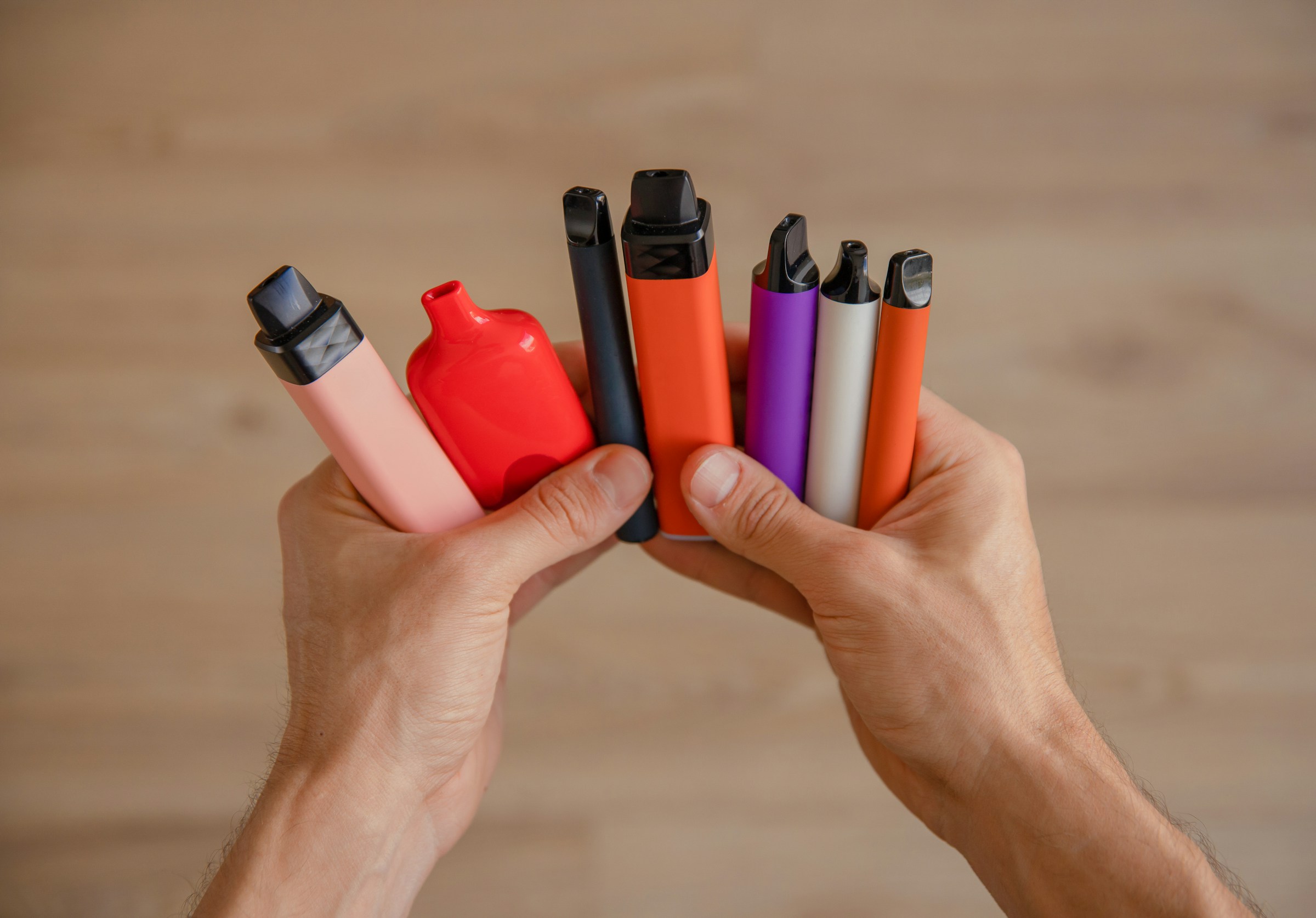
Youth vaping can look harmless from the outside. It is a small device tucked into a pocket, a sweet smell that lingers in a bathroom, a quick puff between classes. Yet beneath those small signals sits a much larger system. Young people move inside a web of social media algorithms, peer influence, marketing that frames vaping as stress relief, easy access to devices near schools, and silence or confusion at home. If we truly want to reduce youth vaping and its consequences, we cannot rely on one time lectures or scare campaigns. We have to reshape the environments around young people so that vaping becomes less available, less attractive, and less useful.
The first environment that shapes behavior is home. Adolescents are highly sensitive to what adults do, not only to what they say. If parents, caregivers, or older siblings use nicotine products, it becomes much harder for a teenager to believe that vaping is risky. A firm and clear household rule that there is no nicotine use at home or in the car around young people sends a very different signal. Keeping devices out of common spaces, refusing to joke about vaping as a harmless coping tool, and making it clear that vaping is not allowed, all create a baseline expectation. These rules work best when they are consistent, predictable, and paired with warmth rather than fear.
Conversation in the family plays an equally important role. Many teenagers do not fully understand what vaping does to their bodies and brains. They may believe that vapes are just flavored vapor or that they are safe as long as they avoid cigarettes. Instead of cross examining them, adults can invite open discussion. Asking what they see at school, what they have heard from friends, and what they believe about vaping and performance or stress gives them space to share. This opens the door to gently correcting myths and explaining that nicotine changes the brain circuits responsible for attention, reward, and impulse control during the very years those systems are still developing. When a young person feels heard rather than attacked, they are more willing to reconsider their assumptions.
At the same time, it is not enough to simply say no and strip away a coping mechanism. Some adolescents use vaping to manage stress, boredom, or difficult emotions. If all you do is take away the device, the pressure in their system has nowhere to go. A more effective approach is to help them test realistic alternatives. Short walks after school, simple breathing exercises before homework, cold water on the face to reset between tasks, or light strength training can give their nervous system healthier outlets. Over time, as these alternatives become familiar, the emotional pull of vaping can weaken.
School is the next major system that shapes youth behavior. In many places, vaping has integrated itself into school culture. Bathrooms become hiding spots. Hallways become supply routes. Some schools lean heavily on punishment, relying on suspensions or aggressive surveillance. While these responses can create fear, they do not necessarily build the skills and support a young person needs to resist or quit nicotine. A more constructive school environment combines learning, clear rules, and support.
Education about vaping works best when it is woven into an evidence based curriculum rather than delivered as a one off scare talk. Programs that help students understand how addiction works, how marketing targets them, and how peer pressure operates equip them to make more informed choices. When this learning is interactive, through role plays, group discussions, or short digital modules, students have a chance to practice how they might respond in real situations. They are no longer passive listeners. They are active participants in their own prevention.
School policies matter as well. Rules against bringing vapes to school should be clear and consistently enforced, but every enforcement moment can also serve as a gateway to help. Instead of relying only on suspension, staff can refer the student to a counselor, connect them to quit resources, and schedule follow up meetings. This shifts the frame from pure discipline to health support. It sends a message that the adults are concerned about the student, not only about the rule that was broken.
For this approach to work, staff need training and a shared script. Teachers, coaches, and counselors should know how to recognize vaping devices, how to start a short, non shaming conversation, and where to direct students who want help. When one adult responds with anger, another looks away, and a third tries to help but does not know what to do next, students learn to hide their behavior. When the adults are aligned, the school feels more predictable and supportive.
Beyond home and school, the social and digital worlds of teenagers shape what they see as normal. Many do not decide to vape after reading a fact sheet. They decide after watching friends, scrolling through videos, or encountering content that presents vaping as cool, relaxing, or part of a desirable lifestyle. Vapes are often marketed as cleaner and safer than cigarettes, with flavors and aesthetics that appeal to younger users. To counter this, we need narratives that feel just as native to youth culture but pull in a different direction.
Youth led campaigns can be especially powerful here. When students themselves create videos, art, or online challenges that expose how vaping companies operate, or that show the less glamorous side of device residue and dependence, the message lands differently. Instead of feeling like they are being lectured, teens see their peers calling out a system that tries to manipulate them. Branding that frames being vape free as an active choice and a sign of independence can shift the social reward. When it becomes slightly more impressive to resist the trap than to follow the crowd, it becomes easier for a young person to say no.
Alongside prevention, we have to acknowledge that some teenagers are already dependent on nicotine. For them, judgmental messages will not help. They need tools and support that respect their privacy and their daily realities. Text based quit lines, mobile apps designed for adolescents, and online programs can provide coaching and coping strategies in a discreet format. A student who feels too embarrassed to talk to an adult might still send a message to a quit service or work through an app that helps track cravings and progress.
Health professionals can reinforce these efforts. Pediatricians and family doctors can treat questions about vaping as routine, just like sleep, diet, or mood. Short, neutral questions during check ups can open the door. If a teen is ready to quit, they can discuss practical options such as supervised nicotine replacement, plans for handling cravings during class, or strategies for navigating social events where vapes are present. If vaping is being used to cope with anxiety, depression, or attention difficulties, those conditions need dedicated support too. When a young person receives proper help for underlying mental health challenges, vaping often loses some of its appeal as self medication.
Finally, the broader community and policy environment sets the backdrop for all of these efforts. If flavored vapes are widely available, shops cluster around schools, and online sales are easy and largely unchecked, individual families and schools are fighting an uphill battle. Policies that restrict flavors, control retail density near schools, enforce age limits, and require clear packaging warnings can reduce youth access and lower the chances of experimentation. These measures work best when they are accompanied by strong enforcement, so that rules on paper translate into real changes on the ground.
Community coalitions can add local insight and coordination. When schools, health departments, youth groups, and religious or civic organizations share data and observations, they can map how and where young people in their area obtain vapes. They can then focus their efforts on the highest risk points, whether that means supporting enforcement at specific retailers, running targeted awareness campaigns, or funding constructive youth activities that promote health. Programs that give young people meaningful roles in designing and leading projects, such as vape free sports initiatives, creative arts, or student led research, send a powerful signal about community values.
When you look across all these layers, a pattern becomes clear. Reducing youth vaping is not about finding one perfect intervention. It is about building a network of small, aligned pressures that collectively make a big difference. The home offers clear boundaries and honest conversation. The school teaches, enforces, and supports. The digital and peer environment starts to expose marketing tactics instead of glorifying them. Quitting tools become easy to access and stigma starts to shrink. Policies limit access and marketing, while communities create visible alternatives and expectations.
There will still be setbacks. Some teenagers will experiment despite strong systems. Some who try to quit will relapse. That does not mean the effort has failed. It means that prevention and support must be durable enough to hold even when life gets messy. Young people do not need a perfect system. They need a reliable one that consistently nudges them toward healthier choices rather than leaving them to navigate an industry that profits from their dependence.
In the end, steps to reduce youth vaping and its consequences are really steps to redesign the environments in which young people grow up. When adults take responsibility for shaping those environments with care and coherence, vaping becomes the exception rather than the default. Over time, that shift protects not only physical health but also attention, mood, and future opportunities. The goal is not simply to stop a habit. It is to give a generation space to build adult lives without nicotine quietly steering their decisions.
 WhatsApp
 Instagram
 Threads