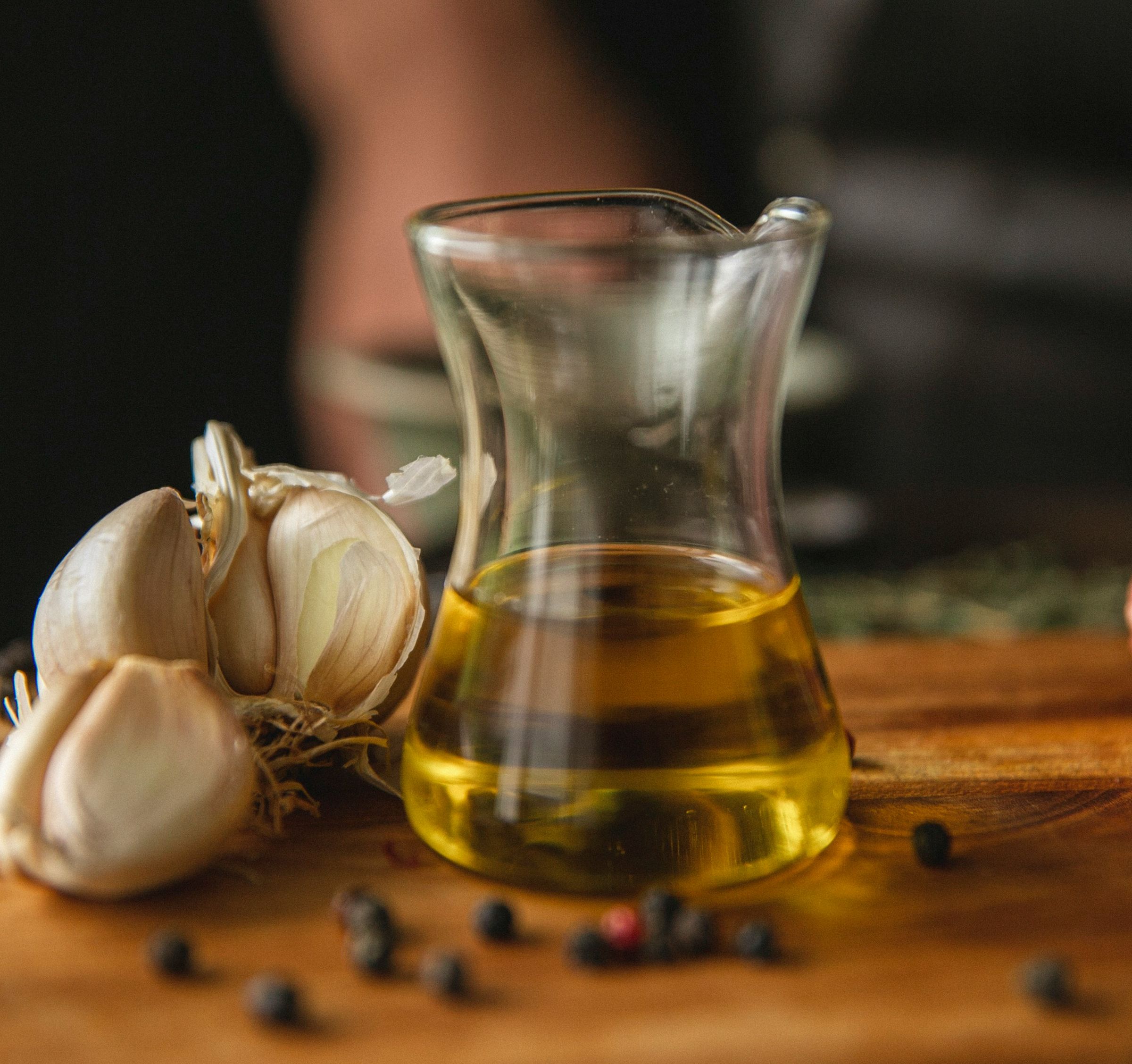
High phenolic extra virgin olive oil sits in an interesting place between everyday food and concentrated supplement. On paper, it is still just olive oil, pressed from fruit and used to dress salads or finish cooked dishes. In practice, many people treat it like a medicinal shot, taken neat in the morning in the hope of stronger heart, brain and gut benefits. That change in how we use it shapes the side effects that show up.
When high phenolic olive oil is part of a typical Mediterranean style pattern, sprinkled over vegetables, beans, whole grains and fish, research has mostly highlighted its positives. At common culinary amounts such as one to two tablespoons a day, it is associated with better cardiovascular markers, more stable blood sugar and lower inflammation in many studies. The safety record in that context is reassuring for healthy adults. The issues usually arise when people chase very high phenolic numbers and very high doses at the same time, especially when they swallow large spoonfuls on an empty stomach instead of using the oil as part of a meal.
High phenolic oils feel different in the body because they are chemically different. They carry higher levels of polyphenols such as oleocanthal, hydroxytyrosol and tyrosol. These are not just passive antioxidants. Oleocanthal in particular acts in a way that resembles low dose ibuprofen on certain inflammatory pathways. You can feel this in the classic peppery kick and sharp cough that many people experience at the back of the throat when they taste a strong oil for the first time. That reaction is not an allergic response. It is a direct sensory and pharmacologic effect of the phenols on receptors in the mouth and throat.
These oils are also more bitter. Some people enjoy that complexity with food, while others find it hard to integrate into their usual cooking. When the taste is too strong to drizzle over a salad, the default tends to become a quick shot from a spoon or a small glass. That is where side effects become more obvious. A condensed hit of concentrated oil lands in one go on the throat, stomach and small intestine, and the body responds to that sudden load.
The most common side effects are mild and local. Throat irritation and coughing sit at the top of the list. A high oleocanthal oil can produce a stinging sensation that feels almost like a small scratch at the back of the throat. One or two coughs are common, and in some people this can feel intense enough that they avoid the oil altogether. For those who already struggle with acid reflux, that cough and irritation can sometimes trigger more heartburn, especially when the oil is taken neat without food to buffer it.
Digestive discomfort is another frequent complaint when intake jumps quickly. A tablespoon of strong oil on an empty stomach has a very different effect from the same tablespoon spread across a bowl of vegetables and grains. Some people notice cramping, loose stools or a sudden urge to visit the bathroom not long after taking a straight shot. This is partly due to the fat load, which stimulates bile flow and intestinal movement, and partly due to the phenolic compounds themselves, which interact with the gut lining and microbiota. For most, these symptoms settle when the dose is reduced or the oil is taken with food, but they can be unpleasant enough in the beginning to feel like a deal breaker.
There is also the very simple fact that olive oil is energy dense. Each tablespoon carries around 120 calories. It is easy to forget that when the focus is on phenolic content and health benefits. Two or three extra tablespoons a day, added on top of an already adequate diet, quietly increase daily energy intake by a few hundred calories. Over months, if other fats are not reduced to compensate, that can translate into weight gain. In this sense, one of the softer side effects of high phenolic extra virgin olive oil is what you do not immediately feel: a gradual drift upward in body weight.
Beyond these obvious reactions, there are subtler considerations that depend on your health status and medication use. Olive oil in general may contribute to slightly lower blood pressure and a more favorable blood sugar profile. For someone already on antihypertensives or diabetes drugs, a sudden increase in daily oil intake could, in theory, amplify those effects. High phenolic oils also behave a little like very gentle anti inflammatory agents. While human data on interactions is still limited, anyone on blood thinners, antiplatelet medications or complex combinations of cardiovascular drugs should treat large jumps in intake as something to discuss with a clinician, not as a simple lifestyle tweak.
The gallbladder is another piece of the picture. Any significant fat bolus triggers the gallbladder to contract and release bile. In most people, this is part of normal digestion. In those with gallstones or a history of biliary pain, a sudden move from low fat eating to daily olive oil shots can provoke discomfort or full blown gallbladder attacks. This is not specific to high phenolic oils, but they often become the trigger because people take them in such a condensed form.
True allergy to olive oil is rare, but it needs to be taken seriously when present. If someone develops hives, swelling, wheezing or severe abdominal pain shortly after consuming the oil, that is an emergency signal to stop and seek medical care. In such cases, it does not matter how beneficial the phenolic profile is for most people. The individual risk outweighs any potential gain.
There is also a psychological side effect that often gets less attention. As high phenolic extra virgin olive oil is marketed with more scientific language and claims, it is easy to elevate it in your mind to the status of a cure all. Phenolic counts become a kind of scoreboard. The temptation is to believe that if a little helps, a lot must be transformative. That mindset can quietly pull focus away from less glamorous habits that carry far more weight for long term health, such as sleep quality, consistent physical activity, blood pressure and blood sugar control, and a broad pattern of whole food eating. The research that supports phenolic rich olive oil is strongest when the oil is one piece of a wider pattern, not a solitary hero.
Despite these caveats, the overall safety profile of high phenolic extra virgin olive oil at sensible doses is good. Clinical studies that provide around one and a half to two tablespoons per day over weeks or months in adults have largely reported neutral to beneficial effects, with very few serious adverse events. Many of the compounds in these oils travel through the digestive tract and interact with the gut lining and microbiome in ways that appear to support barrier function and lower inflammatory signaling instead of damaging it. The gap between research settings and messy real life lies mostly in dosage, quality control and expectations.
Certain groups should be more deliberate in how they approach high phenolic oils. People on blood thinners, antiplatelet drugs, strong antihypertensives or intensive diabetes regimens should view any large change in daily olive oil intake as a variable to be cleared with their healthcare team. Those with known gallbladder disease need to watch how their body responds if they increase fat intake. Individuals with active gastritis, reflux or irritable bowel syndrome may find that the peppery burn and increased bile flow either aggravate symptoms at first or, occasionally, help over time. In all these scenarios, the key is to treat the oil as an experiment with close observation rather than as a guaranteed upgrade.
A practical way to manage side effects is to introduce high phenolic extra virgin olive oil gradually and to keep it in its natural habitat: on food. Instead of jumping straight into large morning shots, you can begin with a teaspoon or two as a finishing touch on lunch and dinner. That spreads the impact across meals and lets you monitor how your throat and stomach feel. Over a week or two, you can build up to a tablespoon a day and see whether issues like cough, burning, cramping or loose stools appear. If they do, you can either reduce the amount, switch to a milder oil or reserve the high phenolic version for one meal instead of several.
Throughout this process, it helps to remember the quieter variables that sit in the background. If weight management is a concern, you may choose to replace other fats in your diet with high phenolic olive oil rather than stack it on top. If you already use butter, ghee or other oils in cooking, you can trim those down while increasing the olive oil so that total calories stay roughly the same. If you notice any persistent or worrying symptoms, particularly around breathing, severe abdominal pain, black stools or significant dizziness, that is a signal to stop and seek medical advice rather than push through.
High phenolic extra virgin olive oil can be a powerful ally for long term health when it is used with respect for dose, timing and personal context. Most side effects are mild and reversible, especially when the oil is treated as part of a balanced, Mediterranean leaning pattern instead of as a shortcut or miracle fix. It works best as a precise input inside a broader system that also includes real foods, adequate fiber, movement, resilient sleep and proper medical care where needed. Seen through that lens, the question is not whether the oil is good or bad, but how it fits into the bigger map of your life and body.
 WhatsApp
 Instagram
 Threads