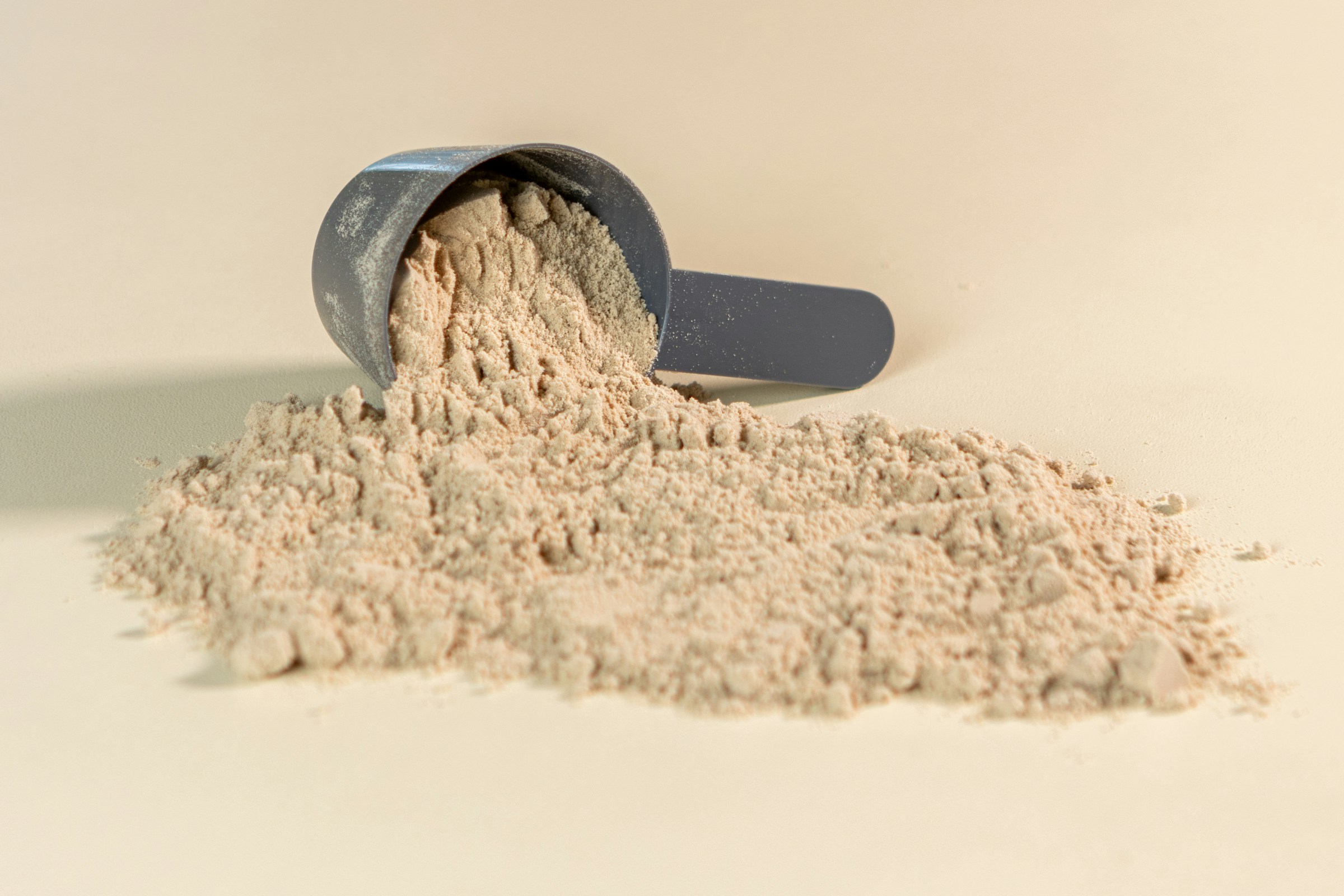
Protein powder has become a familiar sight in many homes, sitting next to coffee tins and cereal boxes rather than hidden away in gym bags. It no longer belongs only to bodybuilders or athletes. Instead, it has quietly become part of how regular people try to cope with long workdays, irregular meals, and the pressure to “eat better” in a world that rarely slows down. Understanding the benefits of protein powder means looking beyond the stereotype of gym culture and paying attention to how people really live.
At its core, protein powder is simply a concentrated source of protein. When mixed with water, milk, or blended into a smoothie, it offers a quick and efficient way to increase daily protein intake. Many people do not actually eat as much protein as they think they do, especially when breakfast and lunch are rushed or inconsistent. In that sense, one major benefit of protein powder is practicality. It compresses effort and planning into a single scoop. On busy mornings, when there is no time to cook eggs or prepare a full breakfast, a protein shake can be the difference between starting the day with some nourishment and leaving the house with nothing more than coffee in the stomach.
Another key benefit is the way protein contributes to satiety. Protein rich foods and drinks tend to keep people fuller for longer compared to meals that are mostly refined carbohydrates. In modern life, it is common for lunch to turn into a series of quick snacks eaten at a desk or on the move. A shake made with protein powder, perhaps combined with fruit, oats, or yogurt, can help anchor a meal and reduce the urge to keep grazing. This does not magically stop emotional eating or stress related cravings, but it gives the body something more substantial than sugar and caffeine, which often lead to energy crashes and renewed hunger soon after.
The classic association between protein powder and muscle growth does still matter. When people exercise, whether through weight training, running, cycling, or even long walks, their muscles experience small amounts of damage that need to be repaired. Protein provides the building blocks for that repair and for building new muscle tissue. While it is entirely possible to obtain enough protein from regular food, this requires some planning and consistent access to suitable meals. Protein powder turns the vague intention of “I should get some protein after my workout” into an easy habit that takes only a minute to complete. This helps support recovery and can make training feel more rewarding and sustainable.
For certain groups of people, protein powder offers more than convenience. It can be an important support tool. Older adults, for instance, often struggle with appetite or have difficulty chewing large portions of meat or other solid protein sources. Adding protein powder to drinks, soups, or soft foods can help them maintain muscle mass and strength more comfortably. Individuals recovering from illness or surgery, or those with temporarily reduced appetites, may also find it easier to drink part of their protein rather than rely entirely on solid food. Vegetarians and vegans who do not always have the time or energy to cook high protein meals from legumes or tofu may lean on plant based protein powders to fill the gaps on hectic days.
There is also an emotional dimension to this kind of product. For many people, using protein powder becomes a small daily ritual that represents an effort to take care of themselves. In a culture saturated with messages about not being healthy enough or disciplined enough, it can feel grounding to have at least one simple action that supports personal wellbeing. Scooping powder into a shaker and drinking a shake is not a dramatic transformation, but it can feel like a manageable, realistic step in the right direction, especially for those who are overwhelmed by more complicated nutrition advice.
Accessibility is another subtle but important benefit. Not everyone has the time, financial flexibility, or kitchen facilities to cook elaborate, balanced meals. Students living in small dorms, shift workers who come home at odd hours, caregivers managing other people’s needs, and individuals sharing cramped apartments may have very little control over the household menu. For them, a bag of protein powder and a basic blender or shaker bottle provide a degree of autonomy over at least one part of their diet. It may not be a perfect solution, but it offers some control in situations where choices are otherwise limited.
Social media and online communities have also transformed how protein powder is used. People share recipes for high protein pancakes, desserts, and snacks that combine comfort with better nutrition. A brownie or mug cake that includes protein powder is still a treat, but it often feels like a middle ground between pure indulgence and strict dieting. This can help soften the rigid mindset that labels food as strictly “good” or “bad.” Instead of turning every craving into a source of guilt, these recipes show that it is possible to enjoy familiar flavors while still caring about nutritional value.
The financial angle is more complex, but it is worth mentioning. Some protein powders can be expensive, especially premium brands. However, when used thoughtfully, a tub of protein powder can sometimes make high protein eating more economical compared to constantly buying protein rich snacks, ready made smoothies, or takeaway meals. Mixing a scoop into affordable staples like oats, homemade smoothies, or plain yogurt can increase the overall protein content without requiring specialty items or frequent dining out. For people trying to stretch their budgets while still paying attention to nutrition, this can be a practical advantage.
Of course, protein powder is not a miracle product. It does not replace the benefits of a varied, balanced diet that includes whole foods, fruits, vegetables, and healthy fats. It cannot compensate for chronic lack of sleep, unmanaged stress, or a lifestyle that is entirely sedentary. It works best as a supplement in the true sense of the word, something that supports an existing effort to live more healthfully rather than a shortcut that removes the need for other habits. When people rely on it as a quick fix for body image concerns or treat every snack as a “macro calculation,” the relationship with food can become tense and overly controlled.
Yet, in the context of everyday life, the benefits of protein powder are often quiet and practical rather than dramatic. A shake on the way to work can prevent an energy crash mid morning. A scoop in oatmeal can turn a basic breakfast into something more filling. A post workout drink can support recovery without requiring a full meal immediately. A simple blender recipe can give a tired student or busy parent something nourishing late at night that does not take much effort to prepare.
Ultimately, the appeal of protein powder lies in its ability to fit into real schedules and imperfect routines. Most people are not searching for the perfect diet. They are searching for something that is “good enough” and that they can actually maintain alongside work, family responsibilities, and social obligations. Protein powder offers a way to gently improve the overall quality of daily intake without demanding a complete lifestyle overhaul. It does not solve everything, but it can make eating well feel a little less impossible.
When people ask about the benefits of protein powder, what they often want to know is whether it can make their efforts to look after themselves more manageable. The answer is that it can, within reason. It helps increase daily protein intake in a convenient way, supports muscle recovery and satiety, offers flexibility for those with limited time or resources, and can serve as a small, consistent habit that anchors larger health goals. In a world that is constantly busy and distracting, that quiet support is often exactly what people are looking for.
 WhatsApp
 Instagram
 Threads





.jpg&w=3840&q=75)