When a dog begins to lose their vision, most owners focus on what their pet can no longer do. The more reassuring question is what your dog is learning to do instead. Dogs are remarkably adaptable animals. Vision matters, but it is not the only way they understand the world. Smell, hearing, memory, routine, and the steady presence of a trusted human can combine into a new kind of confidence. If your dog is adjusting well to vision loss, the signs usually show up quietly in the way they move, rest, eat, and reconnect with daily life.
One of the earliest clues is how your dog navigates familiar spaces. A dog that is adapting does not necessarily move fast, but they move with intention. At first, many dogs hesitate at doorways, bump into chair legs, or pause in the middle of a room as if they have forgotten where they are. As they adjust, those moments become shorter and less dramatic. You may notice your dog taking the same path from the living room to the water bowl, or tracing the edge of a wall instead of crossing the middle of the room. These are not signs of fear. They are signs of strategy. Your dog is building a mental map and testing it with repeated, safe routes. When they can get from place to place with fewer hard collisions, and when they can correct themselves after a small bump without panicking, they are learning how to move through the world again.
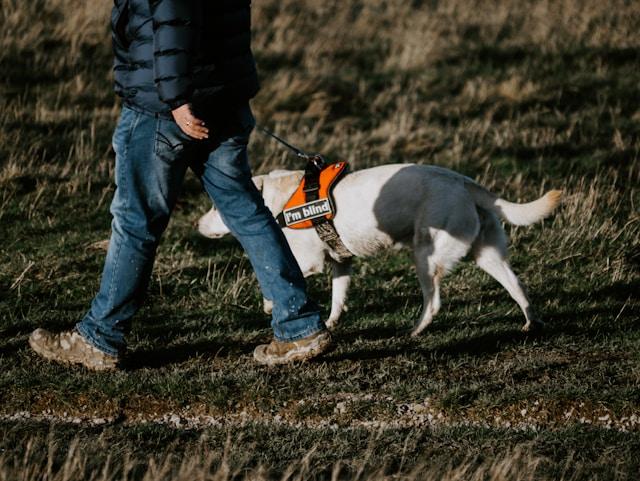
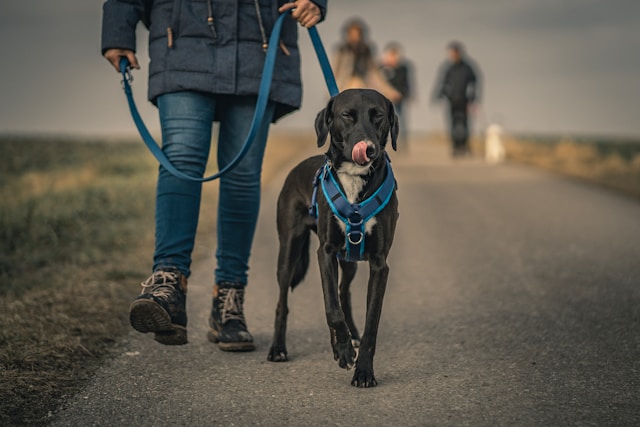
Confidence also shows up in transitions. Dogs that are struggling often freeze at thresholds, refuse stairs, or appear “stuck” because they cannot judge depth and distance the way they used to. A dog that is adjusting begins to approach these challenges more consistently. They might slow down, reach a paw forward to check a step, then commit with a steady rhythm. The pace may be cautious, but it is purposeful. Even outdoors, you can see adaptation in the way your dog responds to familiar routes. They may sniff more than before and walk with their nose working overtime, but they stay oriented and seem to recognize where they are. Instead of appearing lost, they appear focused.
Just as important as movement is your dog’s nervous system. Vision loss can make a dog jumpier, especially at the beginning. When they cannot see a hand reaching toward them or a person entering the room, surprises feel bigger. A dog that is not adjusting well may startle constantly, bark more, pace for long periods, or cling to you in a distressed way. In contrast, a dog that is adjusting begins to settle. They can rest in another room without being on high alert. They sleep more deeply again. Their body language looks softer in normal situations, and they recover more quickly if something startles them. A quick flinch followed by calm is very different from a spiral of anxiety that lasts minutes or hours. Recovery time matters because it shows whether your dog feels fundamentally safe.
Routine is another strong indicator. Dogs thrive on predictability, and vision loss makes predictability even more valuable. When your dog is adapting, daily patterns return with fewer prompts. They begin to anticipate meals, find their preferred resting spot, and respond to familiar sounds such as the leash being picked up or a food container being opened. They may not move as smoothly as they once did, but they understand what happens next. That sense of “I know this” is a powerful sign that their confidence is rebuilding. It also suggests that your home environment has become consistent enough for learning. If furniture and walkways stay stable, your dog can memorize the space. If the layout changes constantly, even a capable dog can look confused.
Appetite and interest in normal pleasures are also meaningful. Stress can reduce appetite, and disorientation can make even a simple act like finding the bowl feel like work. When your dog starts eating normally again, approaching meals with steady interest, and accepting treats without hesitation, it often signals that their stress level is lowering. Play is an even stronger signal. Many blind dogs still want to play, but their play style may evolve. Instead of chasing a fast-moving ball, they might prefer tug toys, squeaky toys, or games that involve scent and sound. If your dog initiates play, brings you a toy, or shows their usual excitement when you interact, it suggests they feel safe enough to spend energy on joy, not just survival.
Social behavior offers another window into adjustment. A dog that is coping well does not lose their bond with you. They still seek connection, follow you because they enjoy your company, and respond to affection. You may notice that they develop new “rules” for interaction, such as turning their head toward your voice before leaning into touch. This is a good thing. It means they are learning how to gather information before committing to contact. In households with multiple pets, a well-adjusted blind dog typically finds a workable balance with the others. They may prefer a bit more space or choose calmer areas of the home, but you should not see escalating tension, constant guarding, or frequent startle-related conflicts. Stability is the goal, not perfection.
A practical sign many owners appreciate is a reduction in “stuck” moments and accidents. Some dogs become reluctant to move through the house if they are unsure of what is in front of them, and that can lead to pacing in small loops or freezing in open spaces. As adjustment improves, these moments fade. Your dog may still pause to think, but they resume moving on their own. If your dog has had a few house-training setbacks because they were hesitant to navigate to the door, progress often looks like fewer accidents and more reliable signaling. They learn the route again, or they learn to rely on your cue and your guidance. The important change is that they regain a sense of control.
It helps to remember that adjustment is usually measured in weeks, not days. Early confusion does not mean your dog will stay confused. The pattern you want is a gradual trend toward confidence, even if there are occasional setbacks. New environments, unexpected noises, or sudden changes in the home layout can temporarily increase anxiety, especially in the early stages. A dog that is adjusting will still have an upward trajectory overall. They may move more slowly than before, but they do not seem trapped by fear.
At the same time, it is wise to recognize the difference between normal adaptation and signs that something else is wrong. Persistent distress, sudden changes in temperament, refusal to eat, signs of pain around the eyes or head, or increasing aggression can indicate medical discomfort or overwhelming anxiety rather than simple adjustment. In those cases, support from a veterinarian is essential. Vision loss can happen for different reasons, and some causes involve pain or other systemic issues that need treatment. Even when vision cannot be restored, comfort and stability can often be improved with the right care.
Ultimately, the signs that your dog is adjusting well to vision loss come down to a return of everyday life. They find their way with increasing ease. They settle, sleep, and recover from surprises. They eat with interest, engage with you, and show curiosity through sound and scent. Their world becomes predictable again, and within that predictability, they become themselves again. If you keep the environment steady, communicate with your voice, and respect their pace, you give your dog the best chance to rebuild confidence. Most dogs do not measure life by what they have lost. They measure it by what still feels safe, familiar, and worth exploring.
 WhatsApp
 Instagram
 Threads