


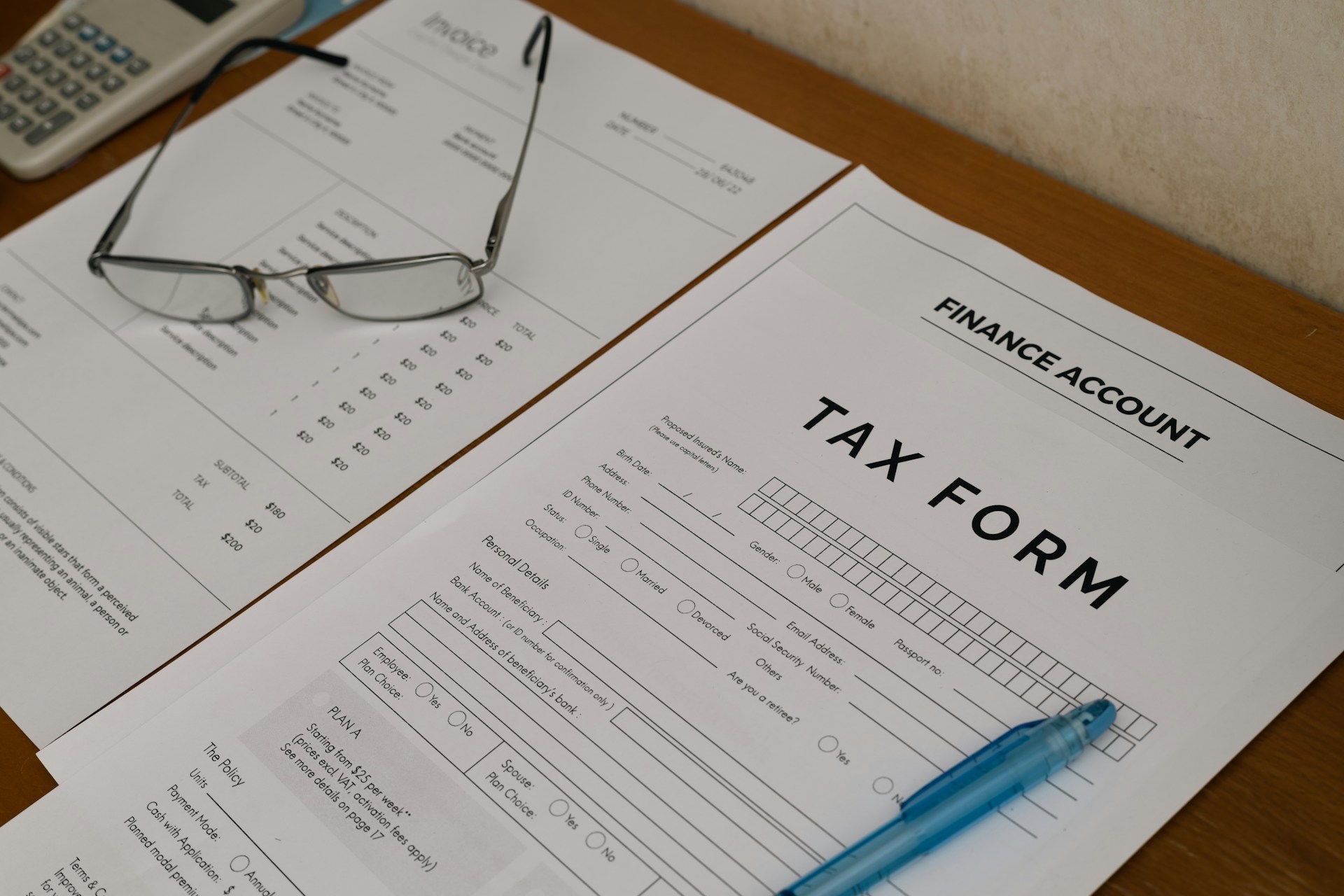
Paying taxes in Singapore is often described as a civic duty, but its importance goes far beyond compliance. In economic terms, taxation is one of the country’s most practical tools for keeping the national system working smoothly. It provides the government with steady revenue to fund public services, maintain stability during downturns, and invest in long-term capabilities that keep Singapore competitive. For a small and open economy that depends heavily on global trade and investor confidence, a reliable domestic tax base is not a minor administrative detail. It is a form of economic infrastructure.
At the most basic level, taxes finance the services and systems that allow the economy to function. Public transport, education, healthcare, security, and regulatory institutions all require consistent funding. When these systems are well resourced, businesses operate with fewer disruptions and lower hidden costs. Workers are healthier and more productive. Students develop stronger skills that translate into a more capable workforce. Logistics and mobility improve, which reduces friction across supply chains and daily commuting. This is how tax revenue becomes more than government income. It becomes the foundation that supports economic activity at every level.
A stable tax base also strengthens fiscal resilience. Economies move in cycles, and when global demand slows or financial conditions tighten, governments often face pressure to either cut spending or raise revenue quickly. Both can worsen the situation if handled poorly. When tax compliance is broad and predictable, the government is better positioned to maintain essential services and introduce targeted support during difficult periods without destabilising long-term plans. This matters because uncertainty can be more damaging than the downturn itself. Households may reduce spending out of caution, and businesses may delay investment when they sense policy volatility. Strong and consistent revenue helps prevent that kind of instability.
Tax compliance matters not only because it increases revenue, but because it protects the fairness and sustainability of the system. When some people or businesses avoid paying what they owe, the burden shifts. The government may need to raise rates for those who already comply, or it may need to reduce spending in areas that benefit the wider population. Either outcome comes with economic costs. Higher rates can weaken incentives and reduce competitiveness at the margin, while weaker public services can reduce the quality of the environment in which companies and workers operate. The damage from tax avoidance is therefore not limited to the unpaid amount. It can undermine the broader balance of the system.
In Singapore’s context, taxation also supports a key economic asset: credibility. Singapore competes globally on reliability, governance quality, and strong institutions. Investors and multinational firms value predictable rules, effective enforcement, stable infrastructure, and public systems that work consistently. These advantages do not happen automatically. They require sustained investment in public administration, cybersecurity, enforcement capability, and the wider ecosystem that keeps the country safe and orderly. When taxes help finance these institutions, the payoff appears in quieter but powerful ways, such as lower perceived risk, smoother regulatory interactions, and greater confidence in long-term planning. In an economy that positions itself as a trusted hub, that credibility is a form of competitive strength.
Another reason taxes matter is that they help fund structural needs that do not go away with a single budget cycle. Healthcare spending is a clear example. As populations age, healthcare and long-term care needs rise steadily and become a permanent feature of public expenditure. A sustainable tax system helps finance these long-term obligations without forcing abrupt changes whenever costs increase. Broad-based taxes can also spread the funding load across a wider base of economic activity, which improves durability and reduces overdependence on any single revenue stream.
Taxation is also a tool for shaping economic behaviour. The structure of taxes influences choices around work, saving, consumption, and investment. A well-designed mix across different tax types can raise necessary revenue while reducing excessive distortion in any one area. If a country relies too heavily on a single channel, it can create unwanted side effects, such as discouraging work, widening pressure on lower-income households, or amplifying asset market volatility. A balanced approach, supported by consistent compliance, allows the government to manage tradeoffs more carefully and keep the overall environment stable for growth.
Beyond revenue, an effective tax system strengthens policymaking by improving visibility into economic activity. In modern economies where income streams can be complex and business models evolve quickly, accurate reporting and consistent collection help governments understand the real shape of the economy. Better visibility improves targeting in support schemes, reduces leakage, and helps policymakers respond with more precision during shocks. Over time, this improves efficiency and reduces the need for blunt measures that can unintentionally harm certain groups or sectors.
Ultimately, paying taxes is important for Singapore’s economy because it supports both the visible and invisible elements of national performance. It funds tangible services like transport and healthcare, while also sustaining institutional reliability and fiscal stability. It allows Singapore to plan long-term, respond effectively to downturns, and continue investing in competitiveness without repeated disruption. What may look like a routine obligation at the individual level becomes, at scale, a shared investment in the conditions that make a high-functioning economy possible.
 WhatsApp
 Instagram
 Threads

-1.jpg&w=3840&q=75)